


The Arctic’s melting runways are becoming too thin for military aircraft

9 min read
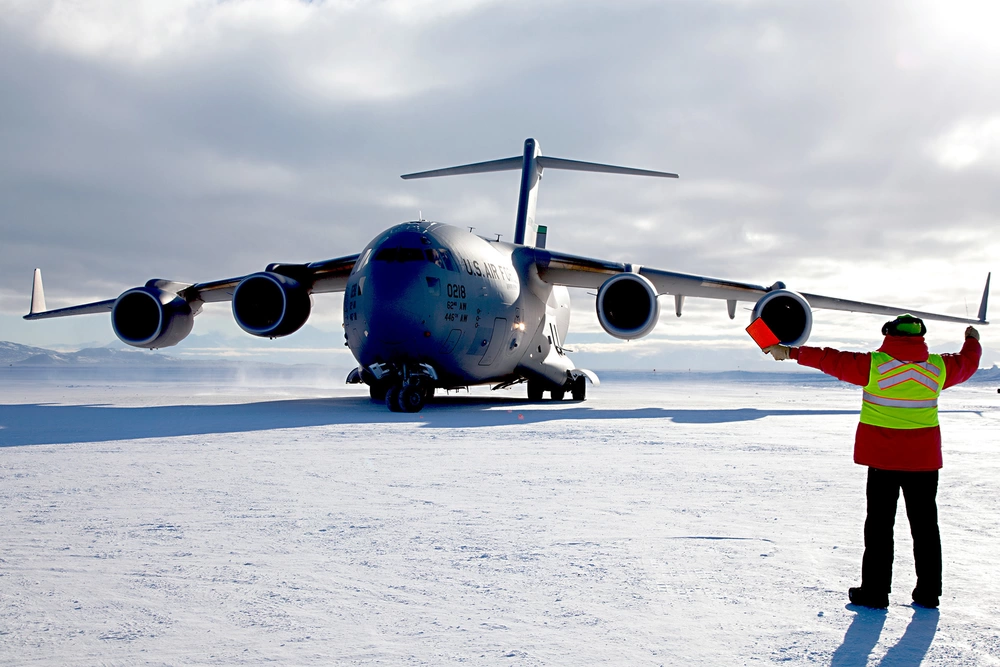
For generations, pilots operating in the Arctic have relied on something that does not appear on most aeronautical charts: winter itself.
Across northern Alaska, Canada, Greenland and Antarctica, frozen lakes, sea ice and compacted snowfields have served as temporary runways, allowing aircraft to reach places where roads do not exist and permanent airfields are often hundreds of miles away.
Military forces, scientific expeditions and remote communities have all depended on these seasonal landing sites to move people, fuel, equipment and supplies across some of the most inaccessible terrain on Earth.
New research from the University of Alaska Fairbanks, however, suggests that one of the Arctic’s most important pieces of infrastructure may be slowly disappearing.
Scientists studying Teshekpuk Lake on Alaska’s North Slope found that warming winters and changing snowfall patterns are reducing ice thickness below the levels traditionally required to support heavy military aircraft.
“We found that ice isn’t getting that thick anymore,” said Benjamin Jones, the research paper’s lead author and a research associate professor at the UAF Institute of Northern Engineering.
The findings raise questions not only about Arctic logistics but also about future military mobility, scientific operations and sovereignty missions in a region of growing strategic importance.
The study’s central conclusion is straightforward. Ice that once reliably thickened enough to support large ski-equipped cargo aircraft increasingly struggles to reach that threshold.
For aviation operators in the High North, that presents a problem with few obvious solutions.
Frozen lakes and ice runways support Arctic aviation
Unlike most parts of the world, Arctic aviation has never depended solely on conventional airports.
Seasonal ice runways have long provided an alternative.
In remote regions where infrastructure is limited and settlements are separated by vast distances, frozen lakes and sea ice become temporary transportation networks.
During winter, aircraft can land directly on prepared ice surfaces, dramatically expanding access to isolated locations.
Some of the most specialised aircraft in the world were designed specifically for these conditions.
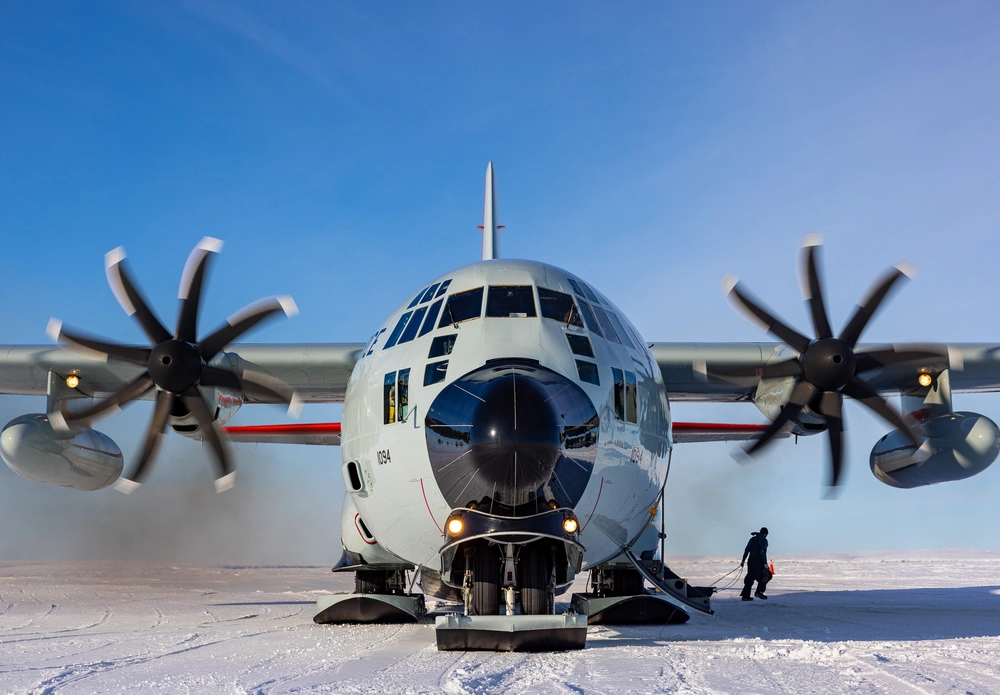
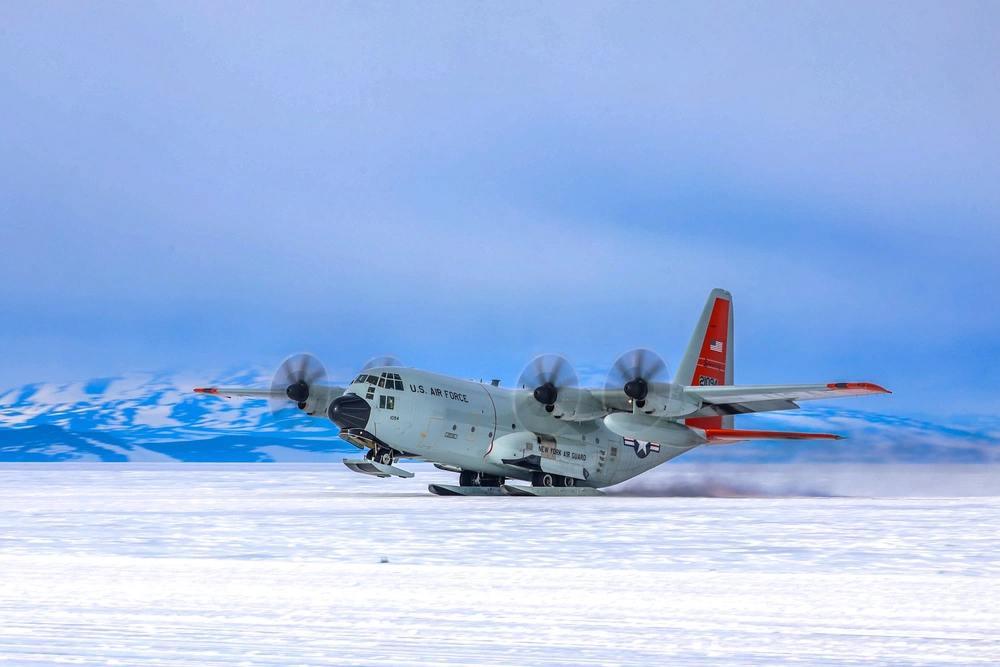
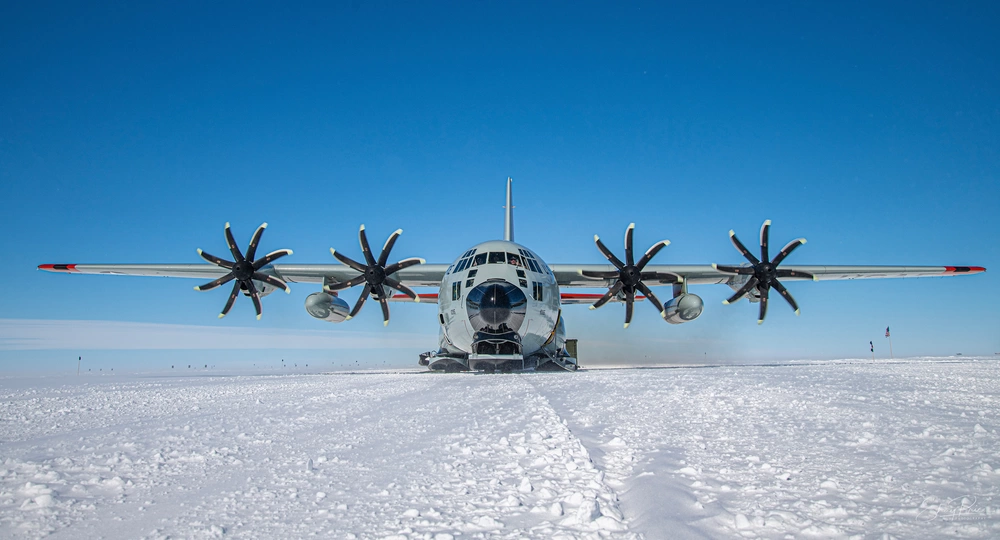
Among them is the LC-130 Skibird, the ski-equipped version of the Lockheed Martin C-130 Hercules.
Operated primarily by the New York Air National Guard’s 109th Airlift Wing, the aircraft is the world’s only heavy airlifter capable of routinely landing on snow and ice. Its retractable skis allow it to operate from surfaces that would be inaccessible to conventional cargo aircraft.
The type has become indispensable for operations in Greenland and Antarctica, transporting everything from scientific equipment and fuel to construction materials and personnel.
Canada’s Royal Canadian Air Force relies on a different approach. Its CC-138 Twin Otter fleet routinely operates from remote Arctic locations where conventional aviation infrastructure is absent.
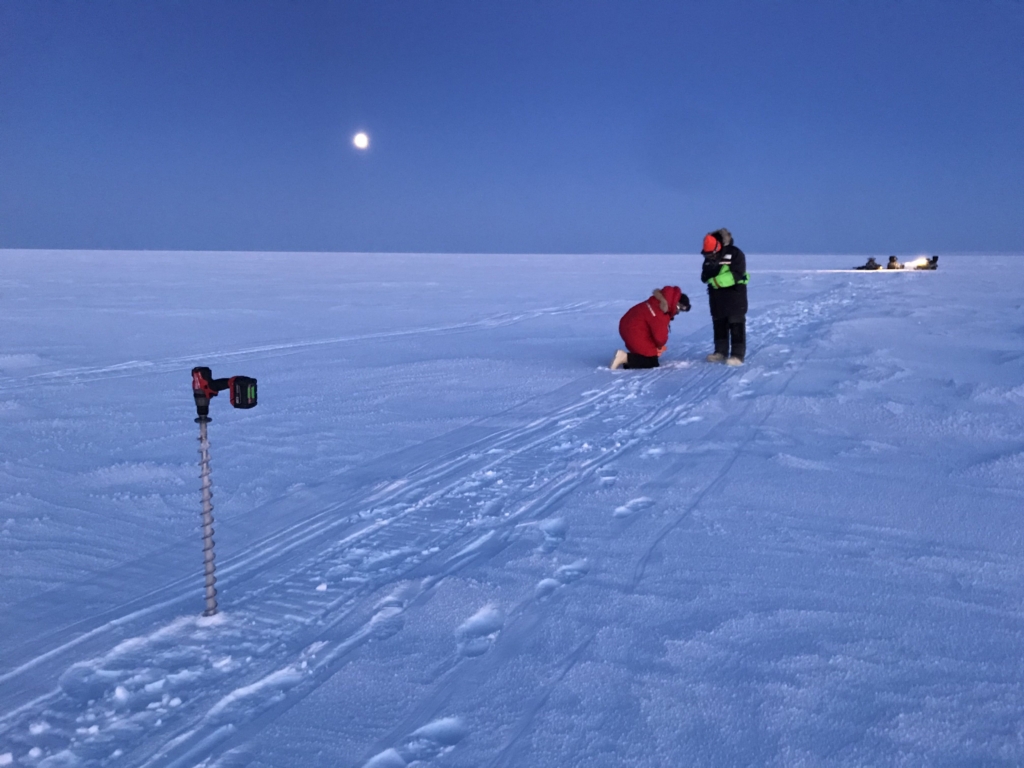
Landing on sea ice remains a normal part of Arctic flying. Before establishing temporary landing sites, crews physically inspect ice conditions. In some cases, a flight engineer will disembark while the aircraft remains running and drill into the ice using an auger to verify thickness measurements and confirm the surface can safely support operations.
The procedure may sound rudimentary in an era of satellite navigation and advanced avionics, but it reflects the realities of Arctic aviation, where local conditions often matter more than technology alone.
The importance of these capabilities was demonstrated recently when 440 Transport Squadron supported the US Navy’s Ice Exercise, or ICEX, near Deadhorse, Alaska, transporting personnel and equipment to one of the world’s most challenging operating environments.
Ice runways remain vital beyond military operations
The idea of landing large aircraft on ice is not limited to military operations.
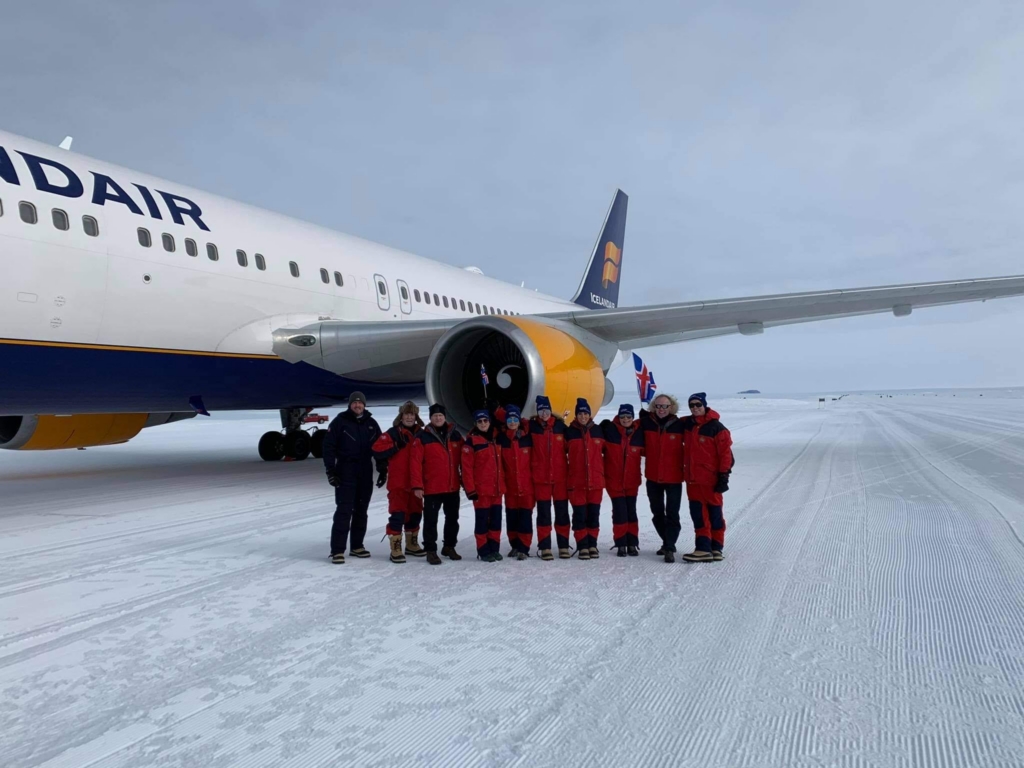
In November 2023, a Boeing 787 operated by Norse Atlantic Airways landed on a blue-ice runway near Troll Research Station in Antarctica, becoming the largest passenger aircraft to do so.
The operation highlighted how carefully prepared ice runways continue to support scientific missions in places where conventional infrastructure is either impractical or impossible to build.

Elsewhere, ice runways remain an essential link for remote communities.
NASA has documented how frozen lakes in northern Canada effectively become seasonal highways each winter. Once ice reaches sufficient thickness, trucks transport fuel, mining equipment and heavy cargo across routes that would otherwise be inaccessible.
The system dramatically reduces transportation costs compared with air freight and supports industries that depend on seasonal access.
The same principle applies to aviation.
Research professor Andrew Mahoney of the UAF Geophysical Institute, who is among the research paper’s co-authors, said, “The findings can also benefit commercial operations.
“Lake ice landings played an important role in the industrial development of the North Slope,” he said. “And there are still some places in northern Alaska that rely on heavy aircraft like C-130s, C-47s and DC-6s landing on frozen lakes for seasonal resupply.”
In many Arctic regions, ice runways provide access that would otherwise require expensive airlift operations or infrastructure projects costing hundreds of millions of dollars.
Yet that model depends on one assumption: that winter remains cold enough for the ice to form.
Why Arctic ice is no longer reaching critical thickness
The Alaska study focused on Teshekpuk Lake, approximately 80 miles southeast of Utqiagvik on Alaska’s Arctic coast.
Researchers wanted to determine whether the lake’s ice could support an LC-130 Skibird during military operations.
The answer was increasingly uncertain.
For decades, military planners have used a minimum thickness of 55 inches as the benchmark for supporting LC-130 operations.
According to the researchers, that threshold is becoming progressively harder to achieve, and the reason is not simply rising temperatures. Jones noted that Arctic winters now frequently bring heavier snowfall than in previous decades.
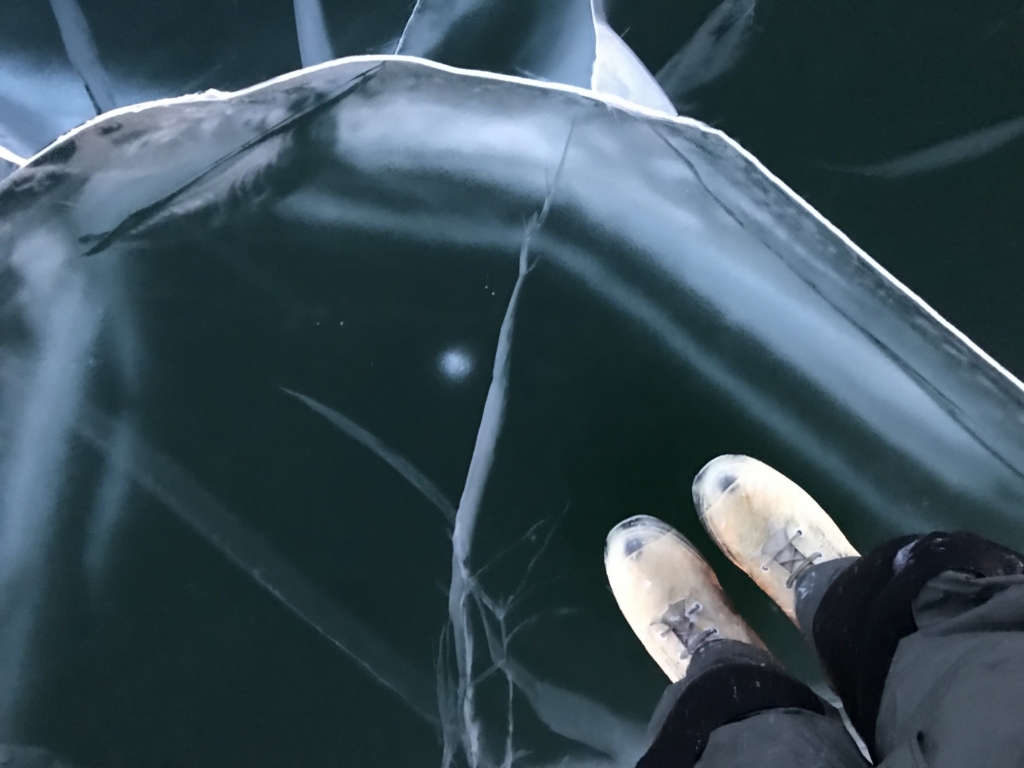
“We tend to have more winter snowfall now than we used to, so there’s more of an insulated blanket on the lake ice,” he said. “That keeps it from attaining the critical threshold of 55 inches for landing military cargo aircraft.”
To understand the trend, researchers collected more than 25,000 measurements of ice thickness and snow depth, conducted radar surveys and installed monitoring equipment linked to satellites. They then compared the results with historical records from across northern Alaska.
Their conclusion was stark: some lakes may no longer reliably achieve the thickness required for heavy aircraft operations.
The implications extend beyond a single lake.
The study warns that changing ice conditions could affect Arctic logistics, emergency response, military mobility and scientific research throughout the region.
Arctic aviation is becoming a strategic challenge
The findings arrive at a time when Arctic security is moving higher on the agenda of governments and military planners.
Russia continues to expand military infrastructure across its northern territories. NATO members have increased attention on Arctic operations, while Canada and the United States are investing in new surveillance and defence capabilities through NORAD modernisation programmes.
Operating in the Arctic, however, remains fundamentally a logistics challenge.
Moving personnel and equipment across vast distances requires aircraft capable of reaching locations where roads, ports and conventional runways are often unavailable.
That is why frozen lakes and sea-ice landing areas have remained strategically important.
Mahoney contrasted the military’s use of sea ice versus lake ice. He pointed to the Navy’s periodic Operation Ice Camp, an international exercise that includes the surfacing of a Navy submarine at a camp built on sea ice. He and others from UAF provide ice analysis for the weeks-long exercise.
“We don’t have HC-130s as an option. The ice isn’t long and smooth enough or thick enough for that, so we have to use smaller aircraft,” he said. “That imposes a big constraint on what we can do.”
That highlights the value of lake ice in a must-land situation, provided it is thick enough for heavy-lift aircraft.
“Knowing about landing planes on frozen lakes like Teshekpuk is an essential consideration for logistics in the Arctic,” Mahoney said.
The University of Alaska researchers argue that future operations will increasingly depend on better monitoring systems. They recommend a real-time ice observation network capable of providing operators with up-to-date information on ice thickness, hazards and changing conditions.
Such systems could combine satellite imagery, radar surveys and automated sensors to help pilots and planners determine whether landing areas remain safe.
In effect, Arctic aviation may increasingly rely on data as much as it relies on ice.
Can technology preserve Arctic ice runways?
As concern grows over the future of Arctic infrastructure, some researchers and policymakers have explored more ambitious solutions.
Among the most controversial are geoengineering proposals aimed at preserving sea ice, slowing glacier retreat or altering climate processes in polar regions.
A major international assessment published in Frontiers in Science last year examined five geoengineering concepts proposed for the Arctic and Antarctic, including sea-ice enhancement, ocean fertilisation, artificial barriers designed to influence ocean currents and various forms of solar radiation management.
The authors reached a clear conclusion.
None of the concepts currently meet the standards required to be considered responsible or practical responses to climate-related risks in the polar regions.
They argued that the proposals would be extraordinarily expensive, environmentally risky and unlikely to succeed on the timescales required.
For Arctic aviation operators, the message is simple: technological fixes capable of preserving ice runways at scale remain speculative.
Adaptation may prove more realistic than intervention.
Could cargo airships help replace ice runways?
If ice runways become less reliable, aviation may have to look beyond fixed-wing aircraft.
One idea receiving renewed attention is the airship.
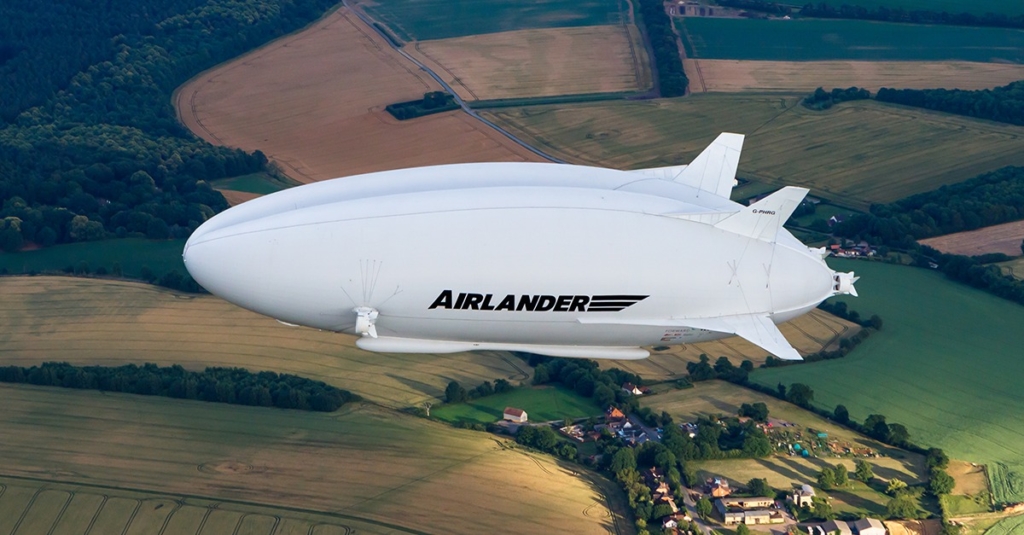
Advocates argue that modern cargo airships could help bridge transportation gaps across northern Canada and other Arctic regions where roads, railways and airports remain limited. Because airships require little or no conventional runway infrastructure, they are often presented as a possible alternative to seasonal ice roads and airstrips.
Supporters point to the economic challenges facing northern communities, where transportation costs remain significantly higher than elsewhere in Canada.
Climate change is already shortening the operating season for many winter roads, increasing interest in alternative transport systems.
Modern airship concepts promise heavy cargo capacity with lower infrastructure requirements than traditional aircraft.
Whether those promises can be delivered commercially remains uncertain.
But the discussion itself reflects a broader reality: transportation systems built around predictable winter conditions can no longer assume those conditions will always exist.
A future where the runway itself becomes the challenge
For most pilots, the runway is the one part of a flight that can be taken for granted.
In the Arctic, that has never entirely been true.
Every winter landing on a frozen lake or sea-ice strip depends on careful measurements, local knowledge and constant monitoring. Yet for decades, there was at least one certainty: eventually, the ice would become thick enough.
The new research suggests that assumption may no longer hold.
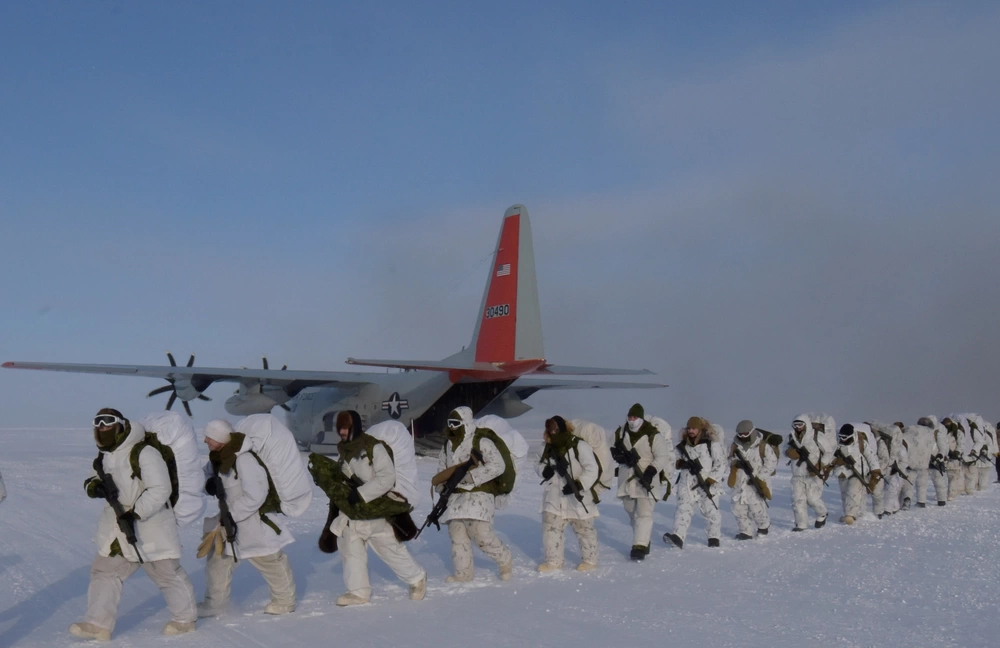
Aircraft such as the LC-130 Skibird and CC-138 Twin Otter were built to conquer some of the harshest environments on Earth. Their crews have developed techniques that allow aviation to reach places few other forms of transport can access.
The challenge ahead may not be whether these aircraft can operate in the Arctic.
It may be whether the Arctic can continue providing the frozen runways that made those operations possible in the first place.
Sign up for our newsletter and get our latest content in your inbox.


More from

October 25, 20266 min read

October 25, 20265 min read


