AURA AERO acquires VoltAero assets including Cassio hybrid-electric demonstrator

6 min read
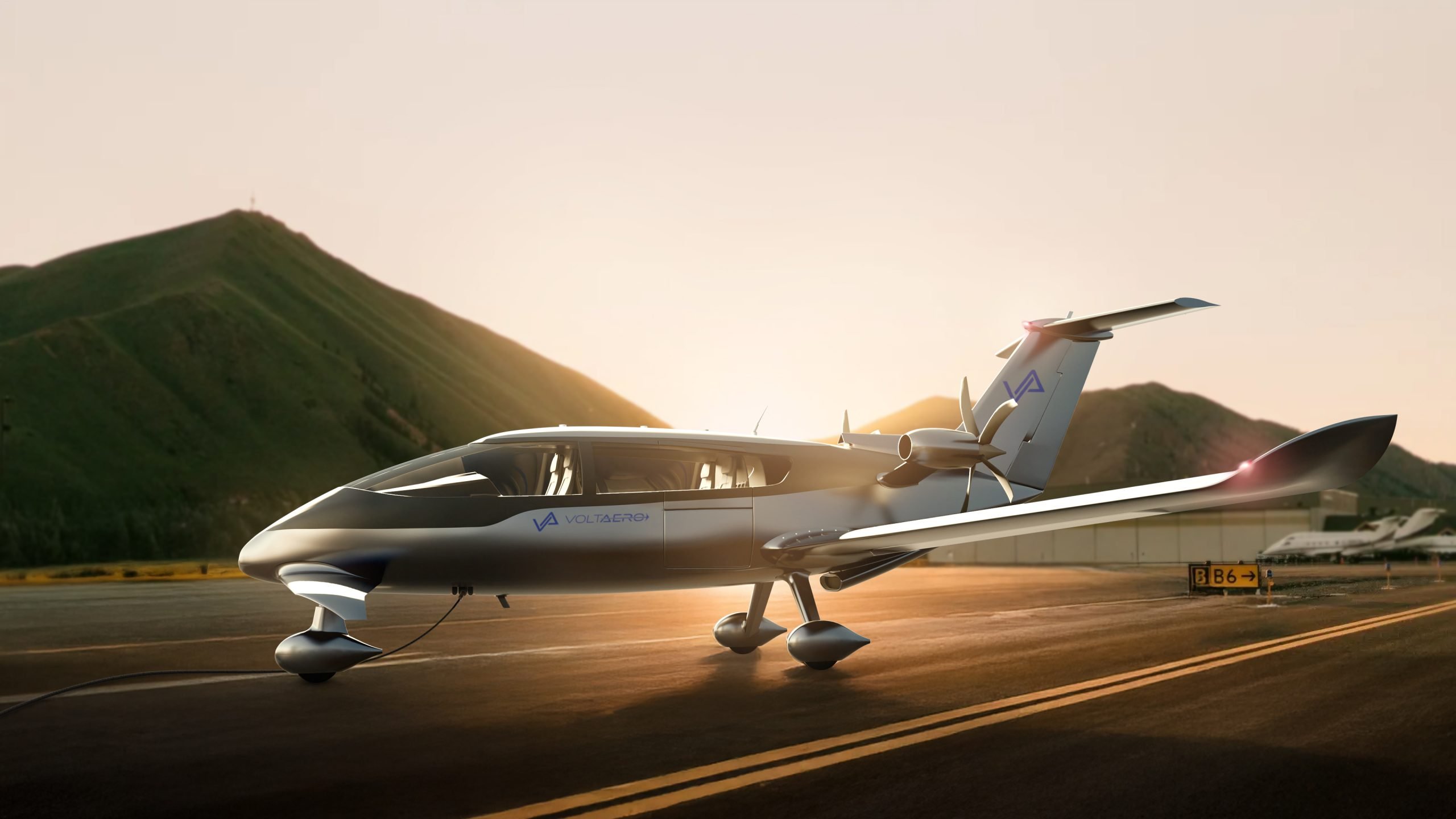
French aircraft manufacturer AURA AERO has acquired strategic assets from struggling electric aircraft company VoltAero.
The deal brings together two of the country’s most prominent low-carbon aviation start-ups in a deal that strengthens AURA’s position in electric and hybrid-electric aircraft development.
The transaction, announced on 23 June, gives Toulouse-Francazal-based AURA AERO access to VoltAero’s Cassio S hybrid-electric demonstrator, flight-test data, patents, engineering expertise, prototyping capabilities and infrastructure at Rochefort, as well as part of the company’s team.
No financial terms were disclosed, and AURA AERO has not described the deal as a full takeover of VoltAero. Instead, the wording points to an asset acquisition, one that appears designed to absorb the most valuable parts of VoltAero’s technical and industrial base into AURA’s wider aircraft portfolio.
The move comes after a difficult period for VoltAero, which had been trying to bring its Cassio family of hybrid-electric aircraft to market but had struggled to secure the funding needed to move from demonstration and design work into certification and production.
What AURA AERO has bought from VoltAero
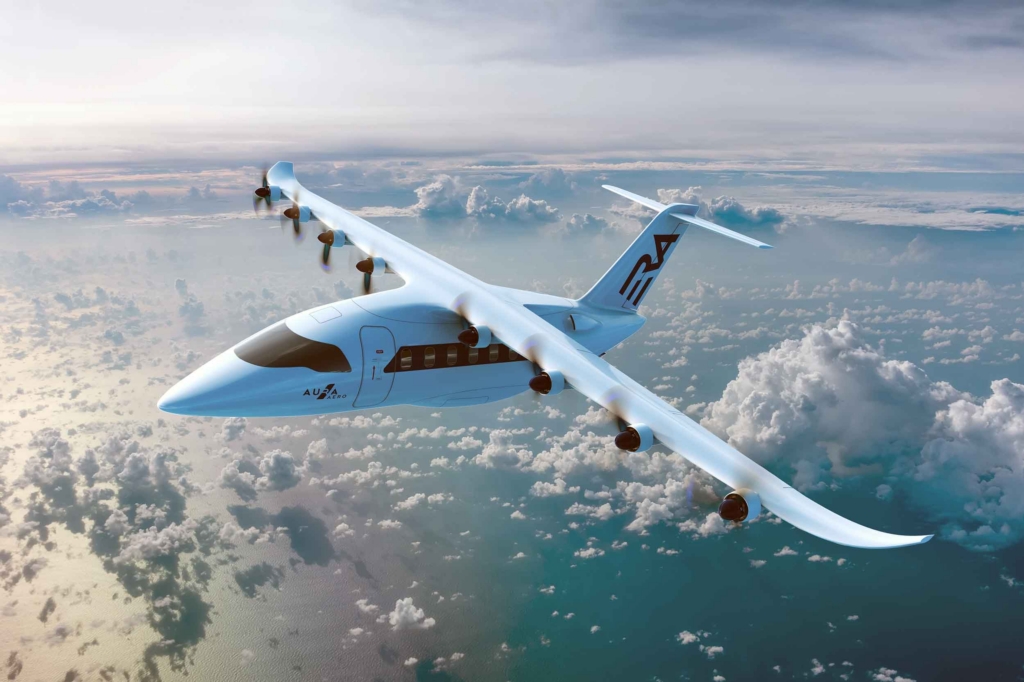
AURA AERO is already one of Europe’s more ambitious low-carbon aircraft manufacturers. Founded in 2018 and based at Toulouse-Francazal Airport, the company is developing the INTEGRAL family of two-seat aircraft, including the electric INTEGRAL E, the 19-seat ERA hybrid-electric regional aircraft, and the ENBATA drone project.
For AURA, VoltAero brings something highly valuable: years of practical experience in hybrid-electric aircraft integration.
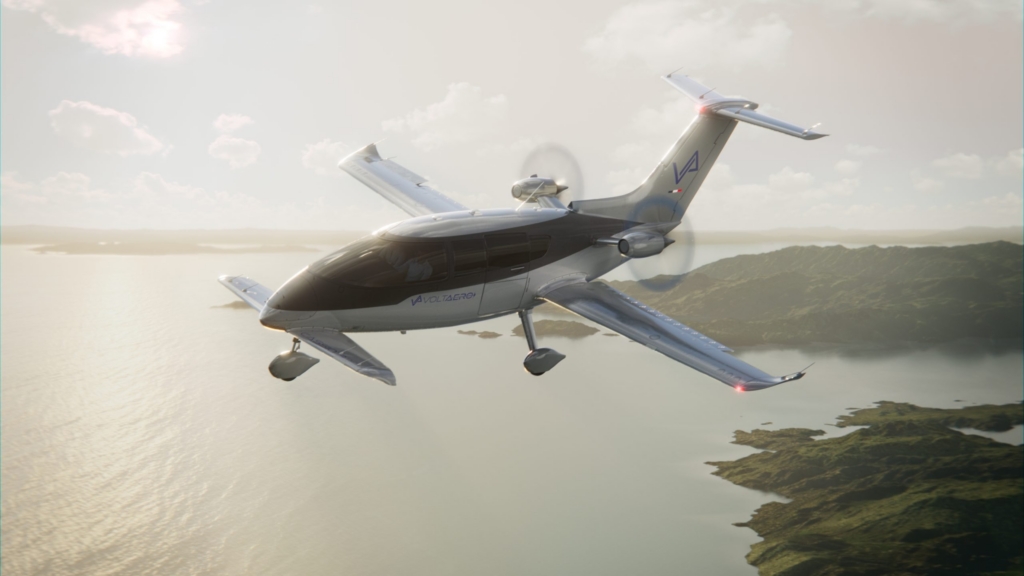
The centrepiece of the transaction is the Cassio S, a hybrid-electric flying demonstrator that has completed more than 270 flights since flight testing began in 2019. According to AURA AERO, the aircraft has flown around 15,500 miles under a variety of operating conditions, generating data and experience that should be directly useful to AURA’s own electric and hybrid-electric programmes.
Hybrid-electric aviation is not simply a question of installing electric motors and batteries on an aircraft. It requires deep knowledge of thermal management, propulsion integration, control systems and more. VoltAero had spent years working through those problems in flight, not just in simulation.
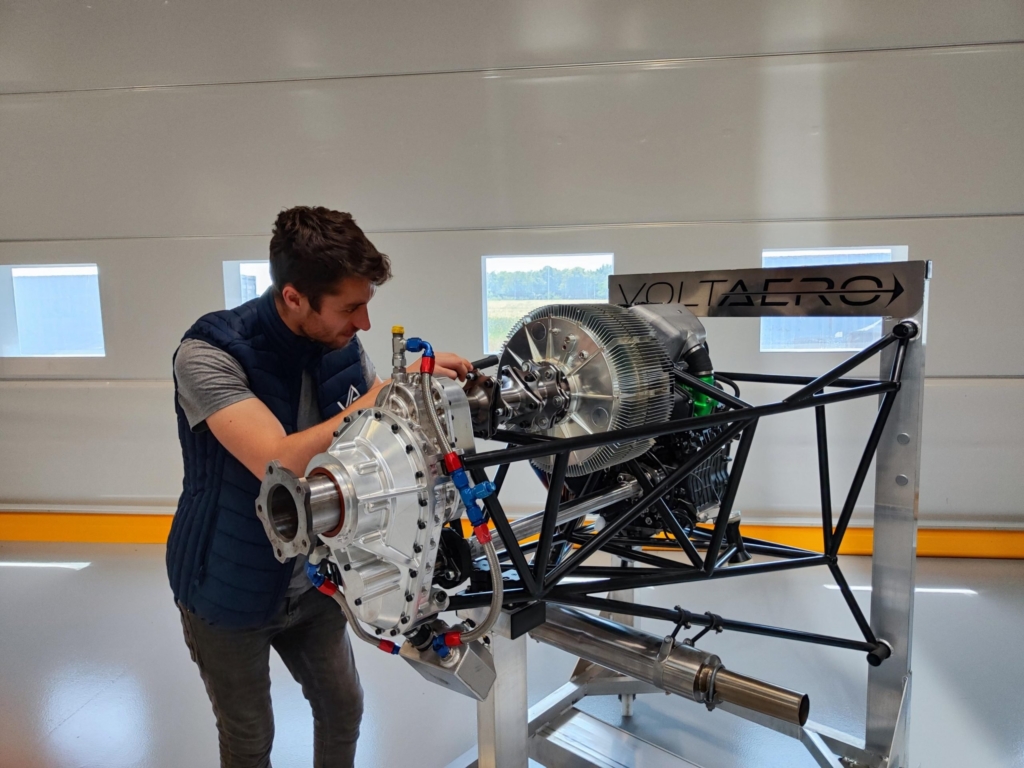
AURA AERO said the acquisition includes patents, engineering expertise, prototyping capabilities, infrastructure at Rochefort and part of VoltAero’s team. The Rochefort site is particularly useful, offering more than 25,000 sq ft of space dedicated to assembly, engineering, testing and industrial operations, with direct runway access.
AURA has not simply bought a demonstrator. It has bought time, data, people, hardware and know-how.
“Acquiring VOLTAERO’s assets, and in particular the Cassio S, means integrating years of testing, data, and experience in hybrid-electric propulsion,” said Jérémy Caussade, President and co-founder of AURA AERO.
“This transaction serves as a catalyst for industrial, technological, and human growth. It strengthens our teams, expands our capabilities, and reaffirms our ambition: to build in France one of the world leaders in the aviation of tomorrow.”

The deal should be especially useful for ERA, AURA’s planned 19-seat hybrid-electric regional aircraft. While the Cassio family was smaller, VoltAero’s work on hybrid-electric propulsion, flight testing and certification strategy offers practical lessons that could help AURA reduce risk as it pushes towards larger and more commercially demanding aircraft.
VoltAero’s Cassio dream appears to be fading
For VoltAero, the deal looks much more like the end of a standalone aircraft ambition than a conventional partnership.
VoltAero had been one of France’s best-known hybrid-electric aviation pioneers. Led by Jean Botti, a former Airbus chief technical officer, the company was developing the Cassio family, a range of electric-hybrid aircraft intended for regional transport, air taxi, charter, cargo, medical evacuation and utility missions.
The first production aircraft was planned to be the Cassio 330, a five-seat aircraft using a series-hybrid architecture. VoltAero unveiled the production configuration of the Cassio 330 at the Paris Air Show in 2025, presenting it as a more certifiable evolution of its earlier design.

In that configuration, the aircraft was to use two aft-mounted electric motors, with a thermal engine inside the aircraft acting as a range extender by recharging the onboard batteries. The idea was to use electric propulsion for quieter, lower-emission operations during taxi, takeoff and initial flight, while retaining the range and operational flexibility of a hybrid system.
VoltAero had made visible progress. It had flown a hybrid-electric demonstrator, developed the Cassio concept through several design iterations, opened an industrial site at Rochefort and announced commercial interest in the aircraft. But it had not reached certification or production, and the step from flying demonstrator to certifiable production aircraft proved financially punishing.
By late 2025, the company was in trouble. VoltAero entered court-supervised restructuring in France after being declared unable to meet its debts, following a funding setback linked to expected investment that did not materialise. Public French company records show the company was placed in redressement judiciaire in October 2025, with the date of cessation of payments fixed in September 2025.

That does not necessarily mean VoltAero has legally disappeared. The public corporate process may continue for some time, and AURA AERO has not said that it has acquired the entire company. But the transfer of VoltAero’s demonstrator, patents, technical data, infrastructure and part of its team strongly suggests that the company’s independent aircraft development plans are no longer continuing in their previous form.
The Cassio name may live on as intellectual property, data or a technology base. But unless further details emerge, it now appears unlikely that VoltAero will return as a separate aircraft manufacturer pursuing the Cassio family in its original form.
A smart move for AURA, but a sad moment for VoltAero
For AURA AERO, the acquisition is strategically smart. It adds tested hybrid-electric capability, brings in scarce expertise, expands its industrial footprint and strengthens its argument that France can build a serious low-carbon aircraft sector around real hardware rather than distant concepts.
It also gives AURA more depth at a critical moment. The company is trying to move from development into industrial execution, with INTEGRAL, ERA and ENBATA all demanding engineering capacity, certification discipline and manufacturing readiness.
For VoltAero, though, the deal is a more sobering moment.
The company helped push hybrid-electric aviation beyond the laboratory and into the air. Its Cassio demonstrator provided tangible evidence that hybrid-electric architectures could be tested, refined and operated in real flight conditions. But like many advanced aviation start-ups, VoltAero found that technical progress alone was not enough.
VoltAero’s standalone story may be drawing to a close, but its work is not being lost. Instead, its aircraft, data, patents, people and hard-won experience are being folded into a larger French programme that may now have a better chance of reaching the market.
Featured image: VoltAero