


Why electronic warfare could decide the next air campaign

5 min read
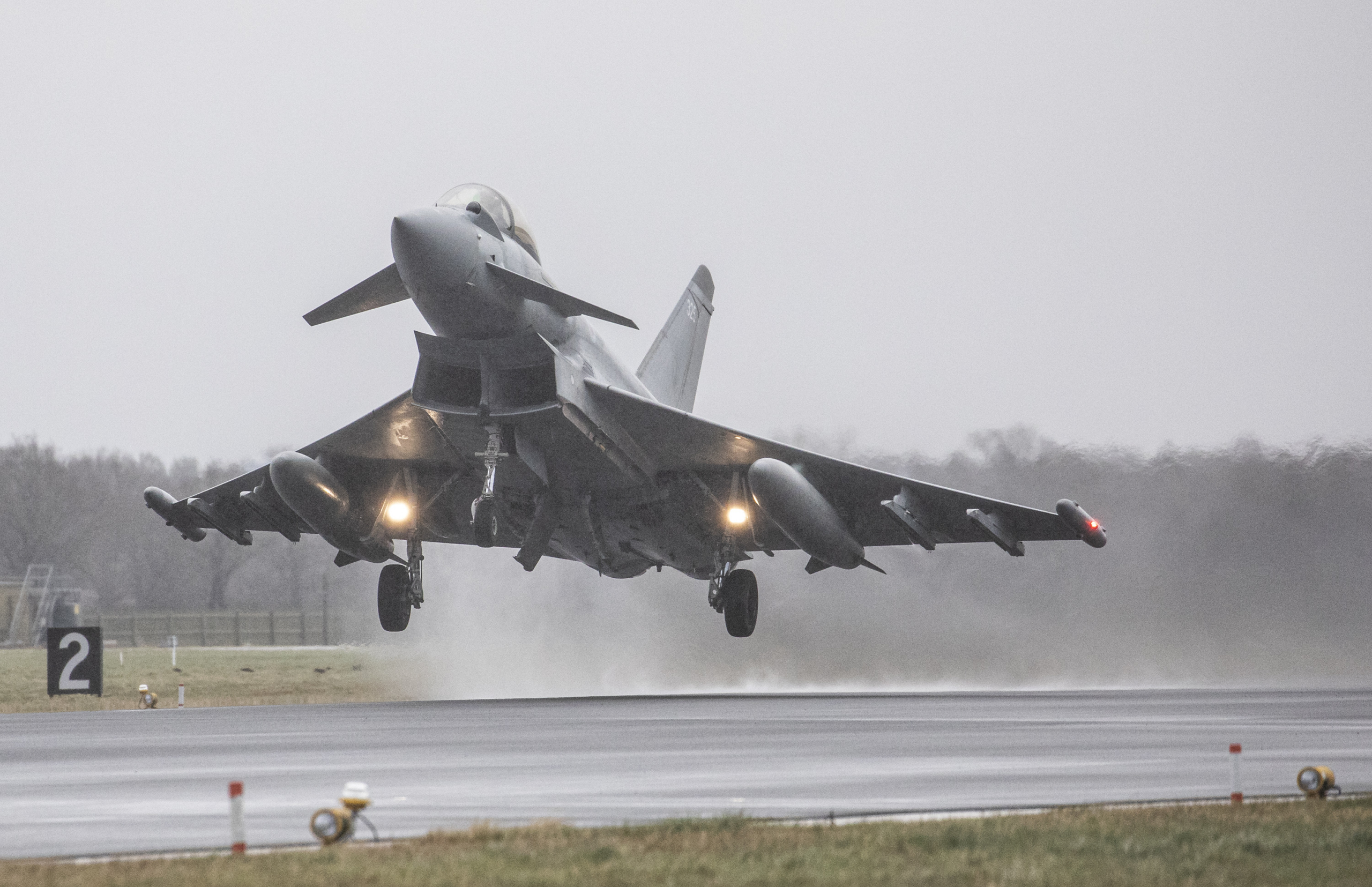
The next major air campaign may not be won by the side with the most fighters, but by the side that can see, communicate and target while denying those advantages to its opponent.
Electronic warfare (EW) has become a central pillar of modern combat, shaping everything from drone operations in Ukraine to the development of sixth-generation fighter aircraft. As militaries prepare for future conflicts, control of the electromagnetic spectrum is increasingly becoming as important as control of the skies themselves.
Contesting and exploiting the electromagnetic spectrum (EMS) is now one of the defining features of modern warfare. Rather than a specialist support function, EW is increasingly integrated into aircraft, weapons, sensors and command-and-control networks across the battlespace.
EW should be understood as a fast-paced arms race in software and technology, with militaries seeking to operate effectively within the EMS while denying those same advantages to their adversaries. The spectrum is not a single entity that can simply be switched on or off. It encompasses a vast range of frequencies used simultaneously by communications systems, radars, navigation aids, weapons, satellites and sensors.
Even with some parts of the spectrum lost, some systems can still function. Missiles can use inertial navigation, and drones can use autonomous decision-making to detect and engage targets even when communication with the controller is jammed.
EW is now fundamental to modern war
In the Ukraine war, neither side has managed to secure electromagnetic dominance and the spectrum remains contested.
Russia’s inability to suppress Ukrainian radars and air defence has denied it air superiority despite its large fighter jet numbers. In that conflict, EW has created a rapid countermeasure/counter-countermeasure cycle.
All across the front and deep into the rear, electronic jamming is now ubiquitous. GPS is spoofed over large regions and armoured vehicles go into battle with jammers. Even individual soldiers can fight carrying personal jammers to interfere with FPV drones.
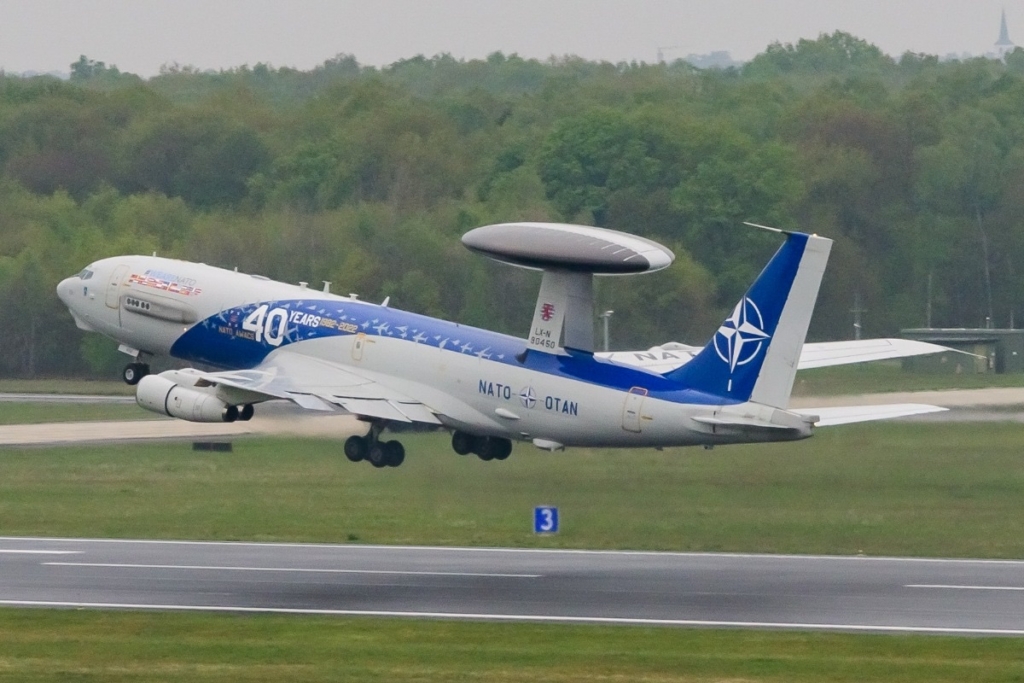
Air war depends on radar, datalinks, radios, navigation aids, missile seekers, IFF, GPS/GNSS, and the like. Without these, modern aircraft, their missiles, and unmanned aircraft cease to function or function effectively.
A country that is able to dominate the electromagnetic spectrum will enjoy a massive advantage in the air domain that would be difficult to effectively counter.
The pace of change is rapid. EW is the key driver of Ukraine and Russia’s rapid iteration of new software and updates. Pre-2022, these updates could take years to develop and roll out; now the cycle can be measured in weeks or even days.
Often what worked one month will not work the next. AGN recently exclusively reported Ukraine’s Sine.Engineering’s efforts to rapidly iterate in the EMS domain.
Air Forces are increasingly built around EW
EW is a core domain of modern air combat that seeks to control the EMS to detect, deny, degrade, or deceive an adversary’s sensors, communications, and weapons while protecting friendly systems.
EW can be divided into three categories: electronic support — detecting and analysing emissions; electronic attack — disrupting/deceiving them; electronic protection — keeping friendly systems functioning.
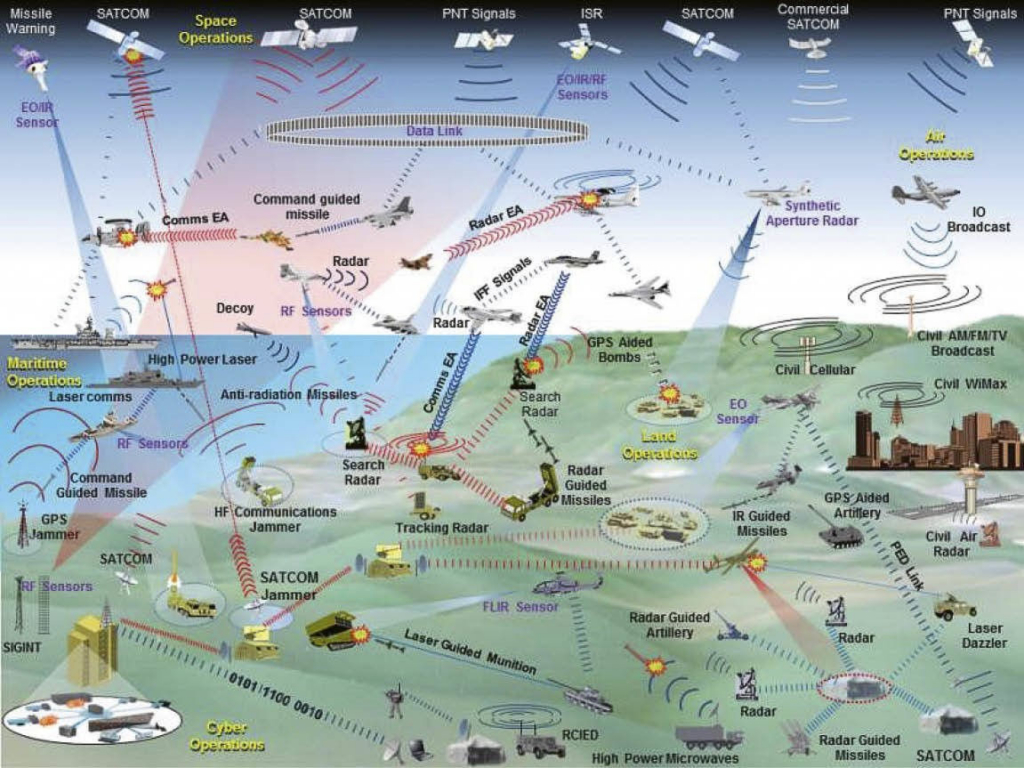
The US Air Force’s EA-37B Compass Call and the Navy’s EA-18G Growlers are famous for being dedicated EW platforms. But many modern aircraft are built for EW missions.
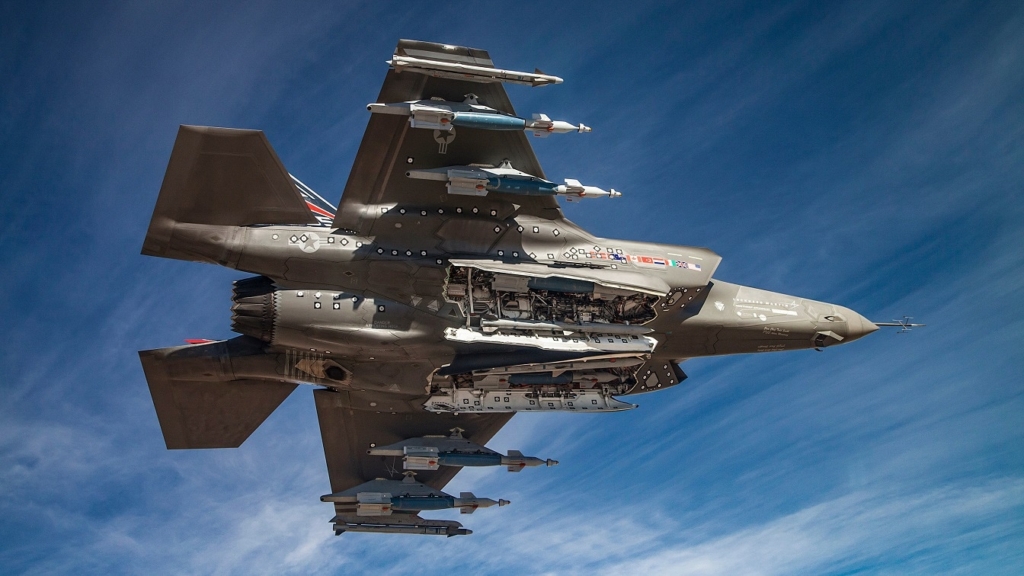
One of the less publicly discussed roles of the F-35 is its superb EW capabilities. Think-Tank Rusi states, “The F-35 is also a potent airborne EW asset.” A significant part of the ongoing Block 4 upgrade is to increase the F-35’s EW abilities.
Stealth and EW are complementary. A stealth aircraft reduces the probability and range at which it can be detected, while its EW systems can detect, characterise, deceive or jam hostile sensors and communications when required. Essentially, it fights back with jamming, decoys, and flooding the EMS to hide in the noise.
EW is core to the development of 6th-generation fighter jets. Running all this equipment generates an enormous amount of electrical heat. Next-generation thermal management systems are key to disposing of the heat.
The US Air Force is developing a range of new pods, stand-off jammers, UAVs, ground-based radars, and more. These create a three-layer EW architecture.
Large dedicated aircraft like EA-37Bs and EA-18Gs are stand-off EW platforms; smaller aircraft, missiles, and UAVs are stand-in; and satellites, ships, ground systems, and fighter jets are distributed.
Seeing and shooting further
Militaries rely on EW not only to jam the enemy, but also to find the enemy. It is central to intelligence collection, detection, targeting, threat warning, and battlespace mapping.
The 2025 Operation Sindoor air clash between Pakistan and India highlights the importance of the EMS. While the details and how many aircraft were shot down remain murky in a world of propaganda and disinformation, what is established is that it took place beyond visual range.
This required each side to identify, track, and target the other at ranges of around 200 kilometres. If one side had secured EMS dominance, it would have essentially created a situation where one side could see and shoot, while the other would be effectively blinded.
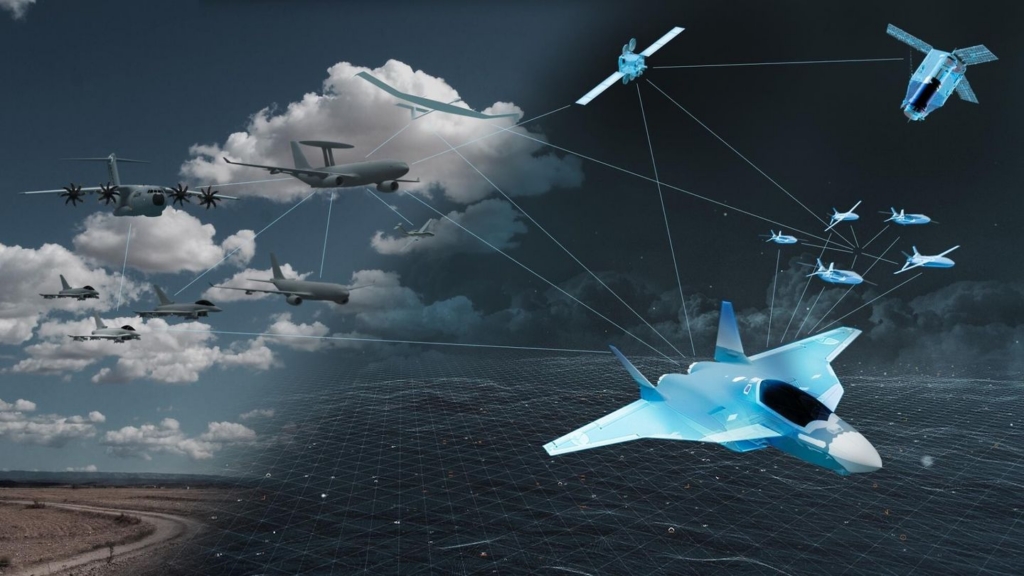
Modern beyond visual range (BVR) combat is heavily dependent on the electromagnetic spectrum because long-range engagements require sensors, communications, and weapons to exchange or exploit information across considerable distances.
Next-generation air combat is expected to be an increasingly complicated networked system of platforms sensing, communicating, and fusing data. Platforms include satellites, AWACS aircraft, fighter jets, various unmanned aircraft, missiles, ships, ground-based radars, and more.
The future isn’t a network that assumes uninterrupted connectivity. It is a network designed to continue fighting when connectivity is degraded. This is why many companies are saying their systems can function in GPS-denied or contested environments.
As air combat becomes more connected and data-driven, the ability to operate effectively in a contested electromagnetic environment may prove just as important as speed, stealth or firepower.






