


Why are there not enough planes? The global commercial aircraft shortage explained

8 min read
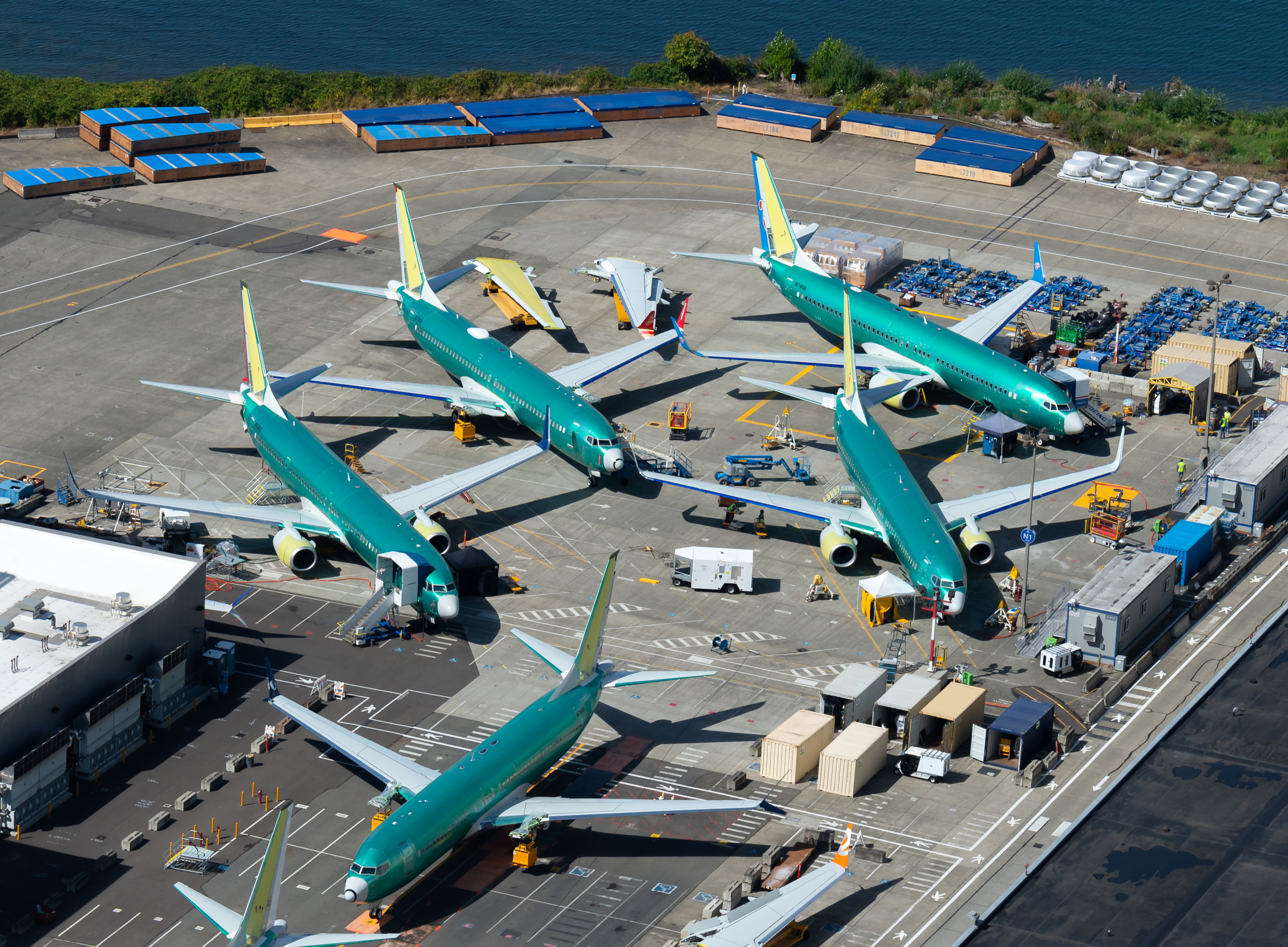
The global aviation industry is experiencing an unusual problem. Airlines want more aircraft, passengers are returning to the skies in growing numbers, and manufacturers have enormous order books. Yet the delivery of new commercial aircraft continues to struggle to keep pace with demand.
Airbus, Boeing and other manufacturers are facing a combination of production restrictions, component shortages, engine supply problems and difficulties recruiting skilled workers. The result is a growing backlog of aircraft orders, leaving airlines waiting longer for new aeroplanes and forcing them to reconsider their fleet expansion plans.
The scale of the problem is considerable. According to figures published by ADS Group, the global commercial aircraft backlog reached a record 17,037 aircraft in July 2026. Although manufacturers are delivering more aircraft than in previous years, the gap between airline demand and available production capacity remains significant. So why can’t the industry simply build more aircraft?
A record backlog and a manufacturing challenge
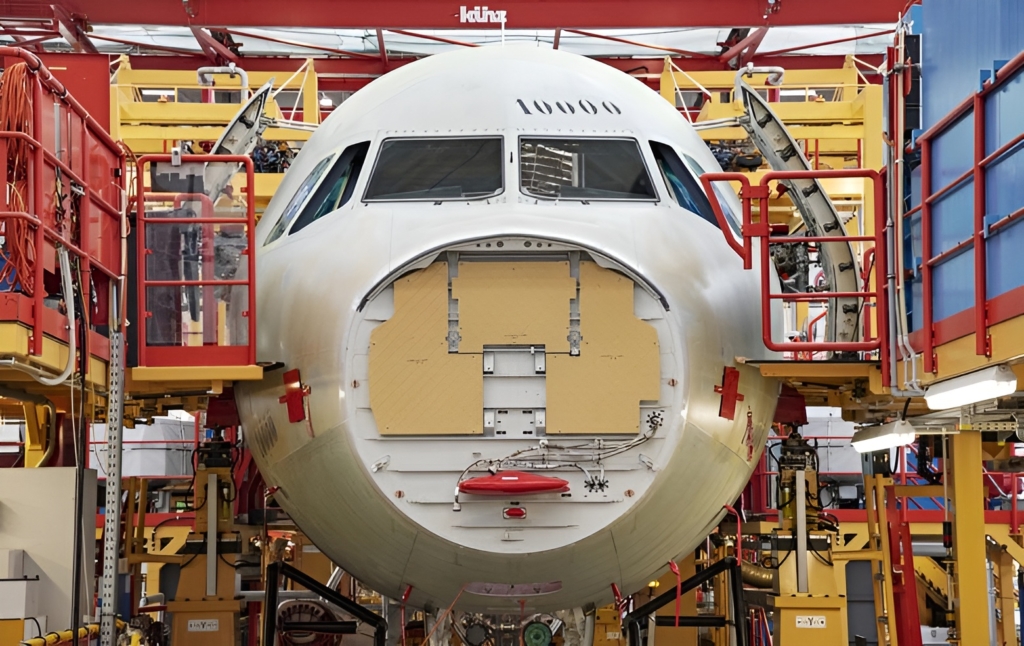
Commercial aircraft production is a complicated industrial process involving thousands of businesses across numerous countries. Although Airbus and Boeing are responsible for final assembly, they depend on an extensive network of suppliers to provide everything from engines and landing gear to electrical systems, avionics and specialist materials.

An aircraft cannot be completed until all its essential components are available. This means that a shortage affecting even one relatively small, but critical part can delay the delivery of an entire aeroplane.
Increasing production is therefore not simply a question of opening another assembly line or asking factory workers to build more aircraft. Every part of the manufacturing network must be capable of supporting the higher production rate. This is one of the biggest challenges facing the aerospace industry as it attempts to reduce its enormous order backlog.
Engine shortages are holding back production
One of the most significant restrictions is the availability of aircraft engines. Modern commercial jet engines are among the most technologically advanced products manufactured anywhere in the world.
They contain highly specialised components that must withstand extreme temperatures, pressures and mechanical stresses while operating reliably over many thousands of flight hours.
Producing additional engines requires specialist manufacturing equipment, precision engineering and extensive testing. Engine manufacturers must also support existing airline fleets by supplying replacement parts, maintenance services and overhauled engines.

This creates competing demands on production capacity. While airlines need engines for newly manufactured aircraft, they also need spare engines and replacement components to keep existing aircraft flying.
Other essential systems, including avionics, landing gear and electrical equipment, face similar supply challenges. Finding alternative suppliers is not a quick solution because aviation components must undergo rigorous testing and certification before they can be used.
The problem starts with raw materials
Behind the shortages of components lies another challenge: securing the raw materials needed to manufacture them.
Aircraft construction relies on specialist materials such as titanium, advanced aluminium alloys, high-performance metals and carbon-fibre composites. These materials are selected for their strength, durability, weight and ability to withstand demanding operating conditions.
Some materials are sourced from relatively limited geographical areas, making the supply chain vulnerable to political tensions, trade restrictions and transport disruption.

The 2026 Global Aerospace Supply Chain report, produced by Roland Berger in collaboration with ADS Group and European aerospace associations, highlights the scale of this problem. Around 80% of surveyed aerospace companies anticipate constraints involving critical raw materials.
Increasing supplies is difficult because new sources must be identified, production facilities established and materials qualified for aerospace use. Manufacturers cannot simply substitute one material for another without demonstrating that it meets the required engineering and safety standards.
For aircraft manufacturers, this means that material shortages can affect production long before components reach the final assembly line.
A shortage of skilled aerospace workers
The availability of experienced workers is another factor limiting aircraft production. Building commercial aircraft requires highly trained engineers, technicians, machinists, quality-control specialists and production managers.
Many roles require years of experience, particularly where workers are responsible for manufacturing safety-critical components.
Although manufacturers and suppliers are recruiting, expanding the workforce takes time. New employees need extensive training, while experienced staff possess specialist knowledge that cannot easily be replaced.
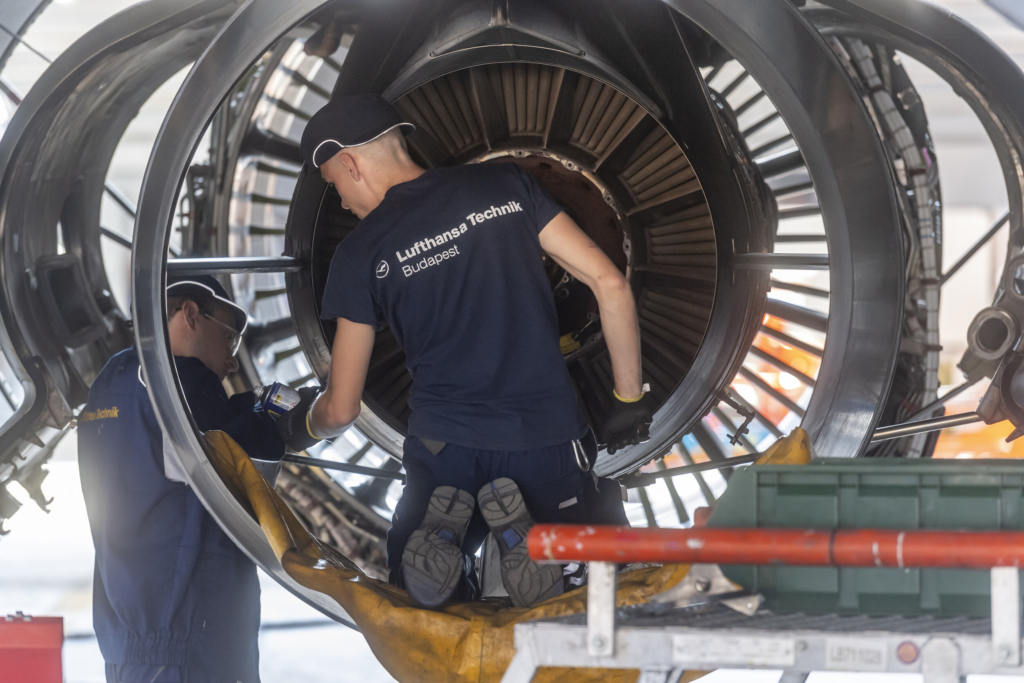
The aerospace sector must also compete with other industries for engineering talent. As production targets increase, companies need to invest in apprenticeships, technical education and workforce development to ensure they have the people required to support future manufacturing programmes.
Without sufficient skilled workers, additional factories and machinery will not necessarily translate into higher aircraft production.
Smaller suppliers face financial pressures
Much of the aircraft manufacturing supply chain is made up of smaller specialist businesses. These companies may produce relatively inexpensive components, but their products are essential to the completion of an aircraft.
Increasing production can place considerable financial pressure on these suppliers. They may need to purchase new machinery, expand factory space, recruit additional employees and hold larger stocks of materials before receiving payment for increased production.

For smaller businesses operating on limited margins, financing this expansion can be difficult. Uncertainty over delivery schedules also makes financial planning more complicated.
Suppliers need confidence that higher production levels will be sustained before committing substantial investment.
This creates a potential bottleneck for the entire industry. Even if Airbus or Boeing has the capacity to assemble more aircraft, production can remain restricted if a smaller supplier cannot deliver components quickly enough.
Strengthening the financial resilience of these businesses is therefore an important part of resolving the aircraft shortage.
Why aircraft production cannot increase overnight
Aircraft manufacturers operate within one of the most tightly regulated industrial environments in the world. Every aircraft must meet demanding safety, reliability and quality requirements before it can enter commercial service.
Any changes to manufacturing processes, production facilities or component suppliers must be carefully assessed. Alternative materials and components may require extensive testing and certification before they can be approved for use.
This makes aerospace manufacturing very different from industries where production can be increased relatively quickly by adding another production line.
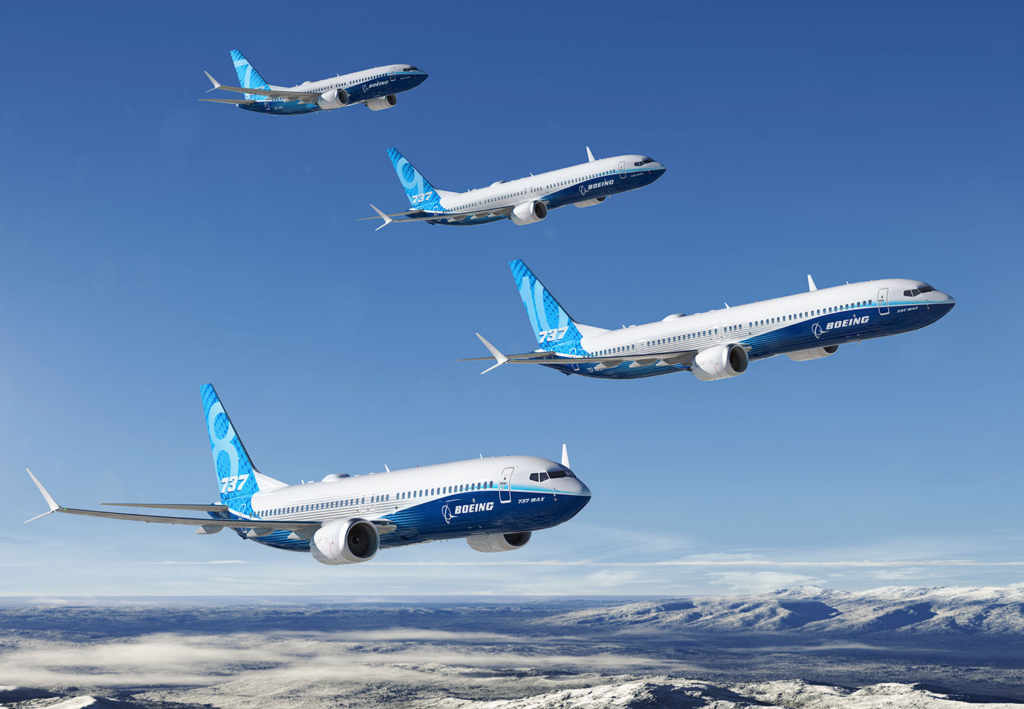
There is also a difference between temporarily increasing output and maintaining a higher production rate over several years. Sustainable expansion requires reliable suppliers, sufficient materials, trained employees and consistent quality control throughout the manufacturing process.
The 2026 Global Aerospace Supply Chain report found that more than 70% of surveyed companies considered themselves well prepared for increased production. However, continuing shortages and capacity constraints demonstrate that preparedness does not automatically translate into additional aircraft deliveries.
How the shortage affects airlines and passengers
The consequences of restricted aircraft production extend well beyond the manufacturers themselves.
Airlines typically order new aircraft several years before they are required. These orders allow carriers to plan fleet replacement, introduce new routes, increase flight frequencies and improve fuel efficiency.
When deliveries are delayed, those plans can be disrupted.
Airlines may have to retain older aircraft for longer than originally intended, extend existing aircraft leases or acquire additional capacity through the second-hand market. Older aircraft can require more maintenance and generally consume more fuel than newer equivalents, potentially increasing operating costs.
The shortage can also restrict airline growth. A carrier expecting to receive several new aircraft may be unable to introduce planned routes or increase frequencies if those aircraft arrive months or even years behind schedule.
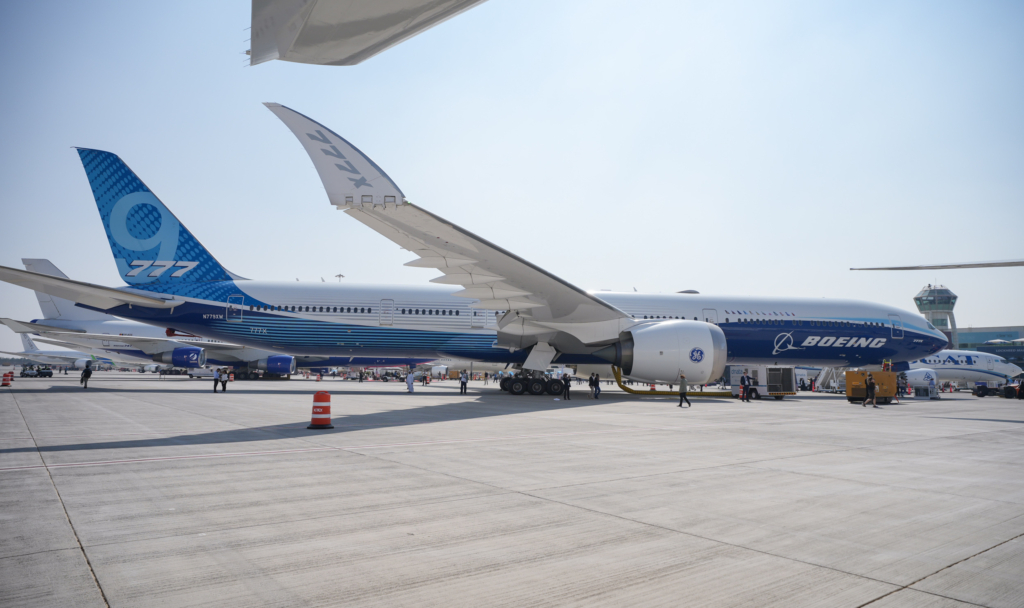
Passengers may experience the consequences through reduced seat availability on popular routes and potentially higher ticket prices where demand exceeds available capacity. However, airfares are also influenced by fuel prices, competition, airport charges and wider economic conditions.
Aircraft leasing companies are affected too. With fewer new aircraft entering the market, airlines may compete more strongly for available leased aircraft, increasing the importance of existing fleet assets.
Is there any light at the end of the tunnel?
Despite the challenges, there are signs of improvement. ADS figures show that 794 commercial aircraft were delivered worldwide during the first seven months of 2026, representing the strongest January-to-July delivery performance since 2018.
This suggests that manufacturers and their suppliers are making progress in restoring production capacity. However, the industry still has a considerable distance to travel before deliveries can match the enormous volume of outstanding orders.
Airbus, Boeing and their suppliers will need to continue investing in manufacturing facilities, equipment, workforce training and more resilient supply chains.
Greater diversification of material sources, improved cooperation between manufacturers and suppliers, and better long-term production planning should also help reduce the risk of future disruption.
Ultimately, the objective is not simply to produce more aircraft in the short term, but to establish a manufacturing system capable of delivering higher output reliably and consistently.
The commercial aircraft shortage is an industry-wide problem
The commercial aircraft shortage is not the result of a single manufacturing failure or one company struggling to meet its targets. It reflects a combination of interconnected problems affecting the entire aerospace industry.
Engine shortages, limited supplies of specialist materials, component manufacturing constraints, workforce gaps and financial pressures on smaller suppliers are all restricting production.
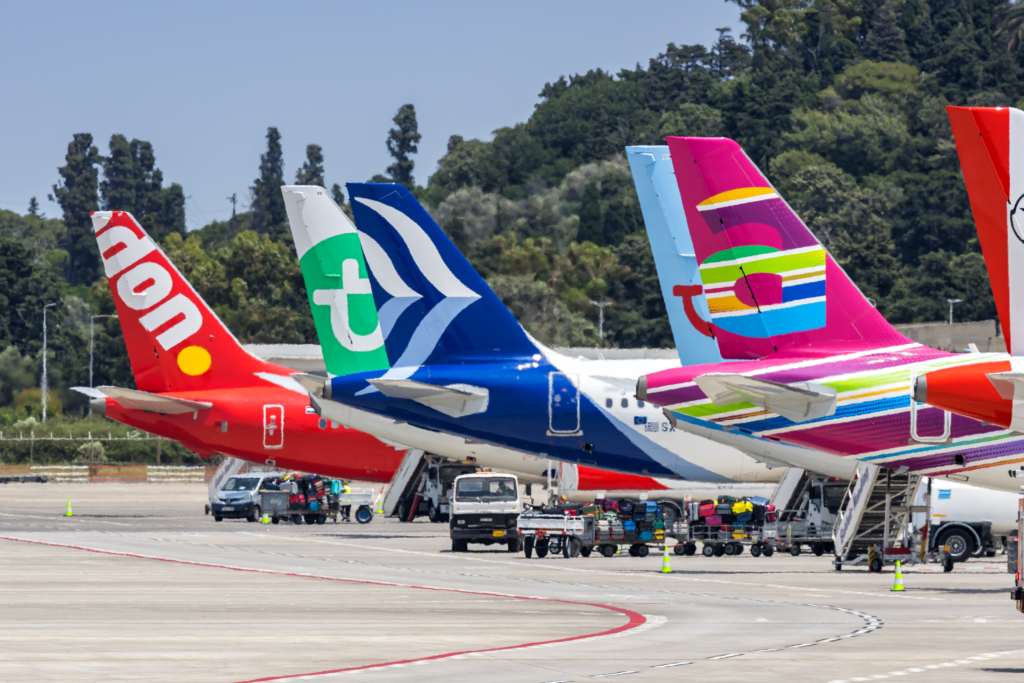
For airlines, this means longer waits for new aircraft and difficult decisions about fleet planning. For manufacturers, it means finding ways to increase output without compromising safety, quality or reliability.
The record order backlog demonstrates the strength of demand for commercial aviation, but turning those orders into completed aircraft will require sustained investment across the global aerospace supply chain.
The industry is making progress, but the aircraft shortage is unlikely to disappear quickly. Until manufacturers and their suppliers can increase production together, airlines and passengers will continue to feel the effects of a global industry struggling to build enough aircraft to meet demand.
Sign up for our newsletter and get our latest content in your inbox.


More from


November 14, 20263 min read


