


What happens to planes already in the air when the FAA grounds all flights?

3 min read
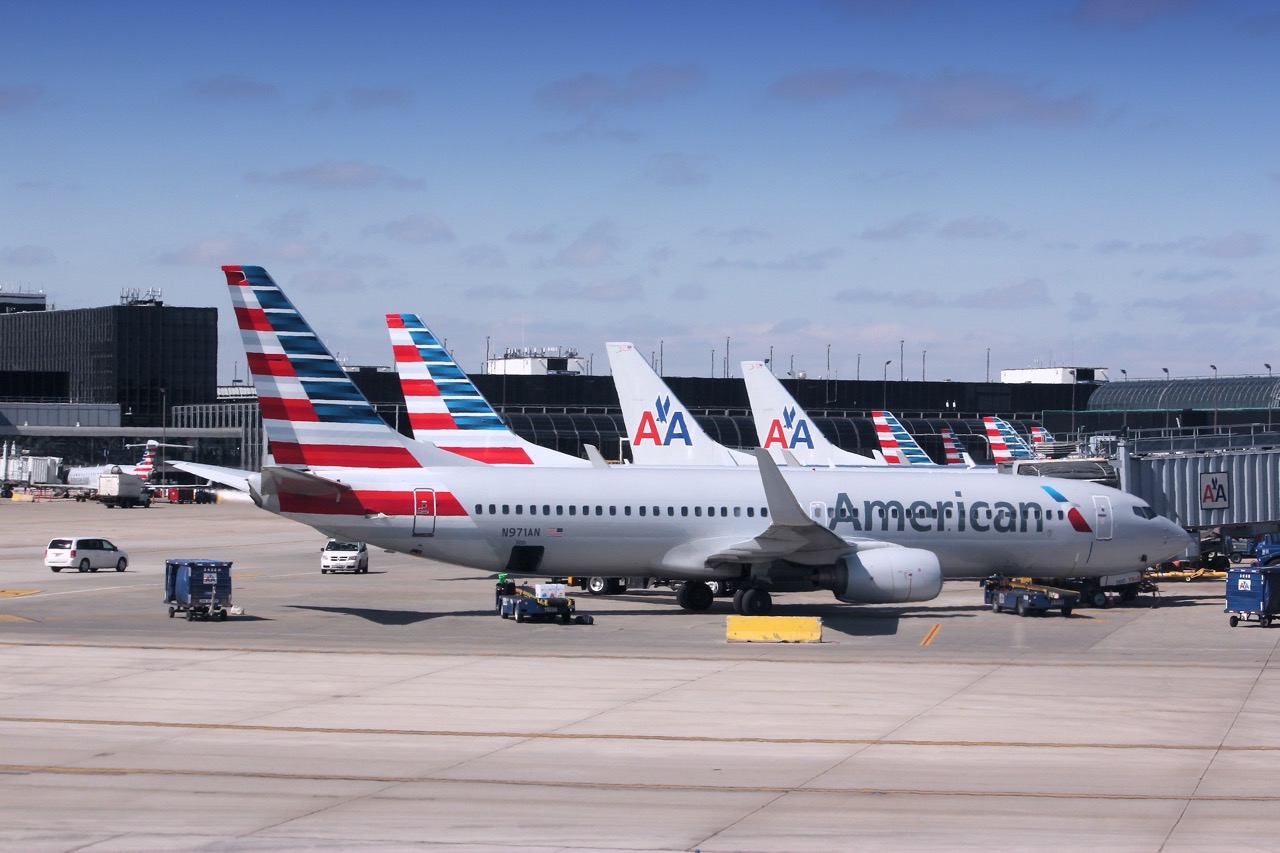
When the Federal Aviation Administration (FAA) orders all flights to be grounded, departures across the country can quickly come to a halt. The last major time we saw a ground stop in the US was during the 9/11 attacks.
But what happens to the thousands of aircraft that may already be airborne across US airspace?
The answer depends on the reason for the grounding and how significantly air traffic control (ATC) operations have been affected.
In most cases, aircraft already in flight are not automatically ordered to land. Instead, controllers manage each flight according to the circumstances, maintaining safe separation and determining whether aircraft can continue to their planned destinations.
Flights already airborne can usually continue
A standard ground stop is primarily intended to prevent aircraft from taking off. It does not necessarily apply to flights already in the air.
If the disruption is relatively localised, such as a technical issue at an airport or a temporary restriction on departures, aircraft already en route will generally be allowed to continue to their destinations.
Air traffic controllers remain responsible for managing these flights, coordinating arrivals and making sure aircraft maintain safe separation. However, depending on the scale of the disruption, arriving aircraft may face delays or additional restrictions as controllers manage the flow of traffic.
Holding patterns and diversions
The situation becomes more complicated if an airport can no longer safely accommodate arriving traffic.
If an airport becomes congested, approaches capacity or experiences a significant equipment failure, controllers may instruct aircraft to enter holding patterns. This allows flights to remain in designated areas of airspace while waiting for landing clearance.
Where disruption is more serious or goes on for longer, aircraft may be diverted to alternative airports. These decisions take into account several factors, including fuel reserves, weather conditions, runway availability and the capacity of neighbouring airports to accommodate additional traffic.
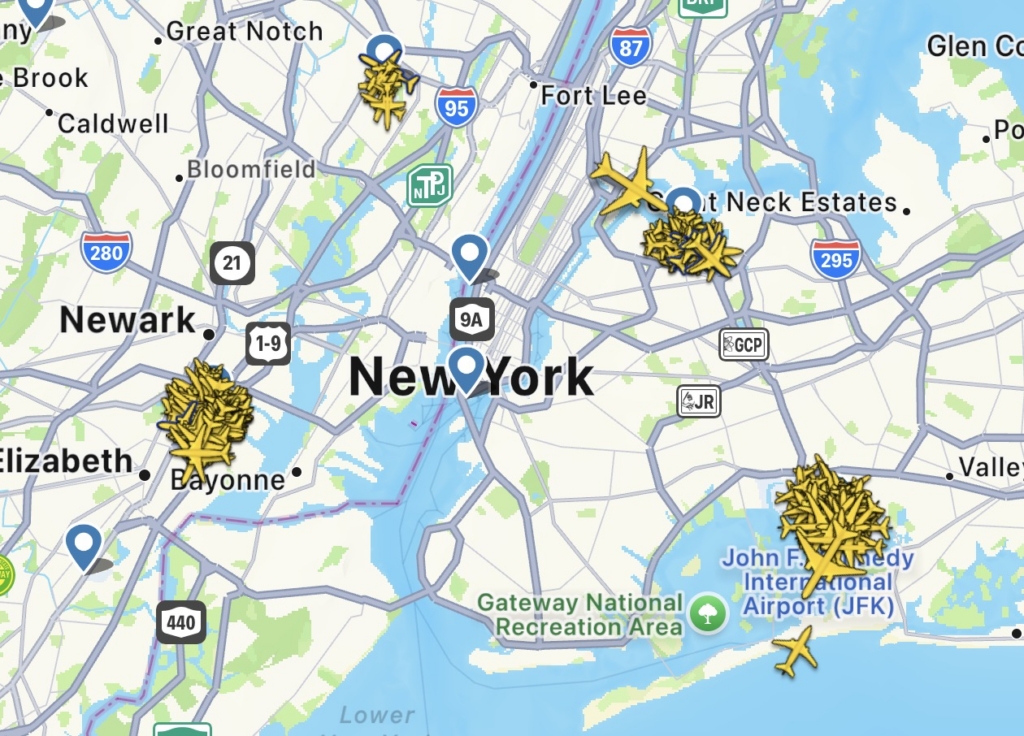
One particularly serious scenario is an ‘ATC Zero’ event, where an air traffic control facility loses the ability to provide normal services. This could result from a major failure involving communications, radar or essential automation systems. With the ability to manage aircraft significantly reduced, diversions and wider airspace restrictions may become necessary.
What happens to international flights heading to the US?
International arrivals are also managed according to the nature and extent of the disruption.
Some aircraft may be permitted to continue towards their US destinations, while others could be rerouted, placed in holding patterns or diverted to alternative airports.
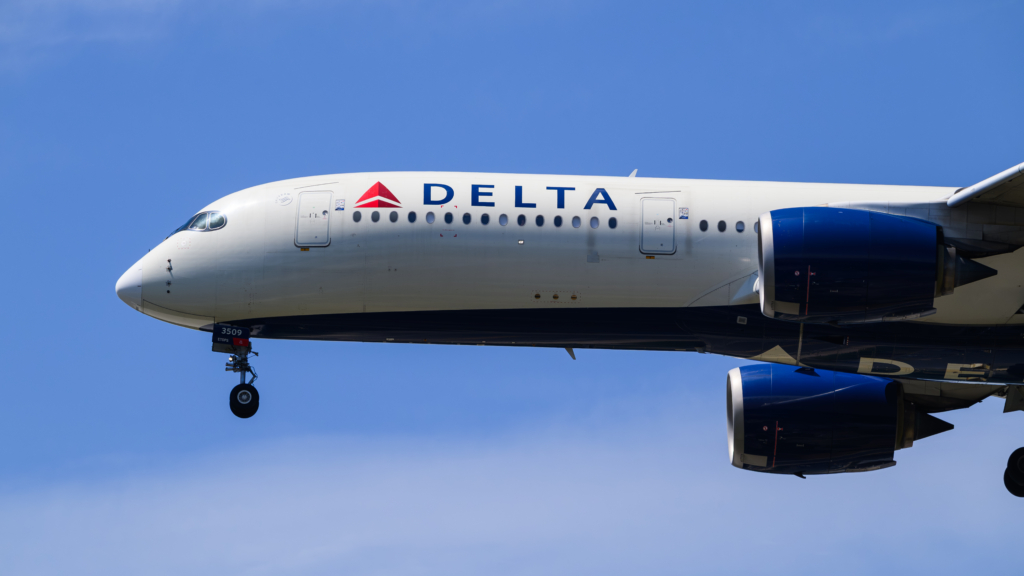
For transatlantic flights, for example, decisions may need to be made before aircraft reach US airspace, potentially resulting in rerouting or holding offshore. Coordination with neighbouring air navigation service providers is essential so that aircraft can be managed safely across different areas of responsibility.
Safety is the priority
Ultimately, the response depends on the nature of the disruption, the availability of ATC services and the ability of airports to safely handle arriving traffic. For passengers already onboard, that could mean continuing to their destination, spending time in a holding pattern or being diverted elsewhere.
The priority throughout is to maintain safe and orderly operations, even when the wider aviation system is facing significant disruption.
Sign up for our newsletter and get our latest content in your inbox.


More from

November 13, 20263 min read


