


Maxwell Aircraft’s M1: Bringing electric power to a proven amphibious aircraft design

4 min read
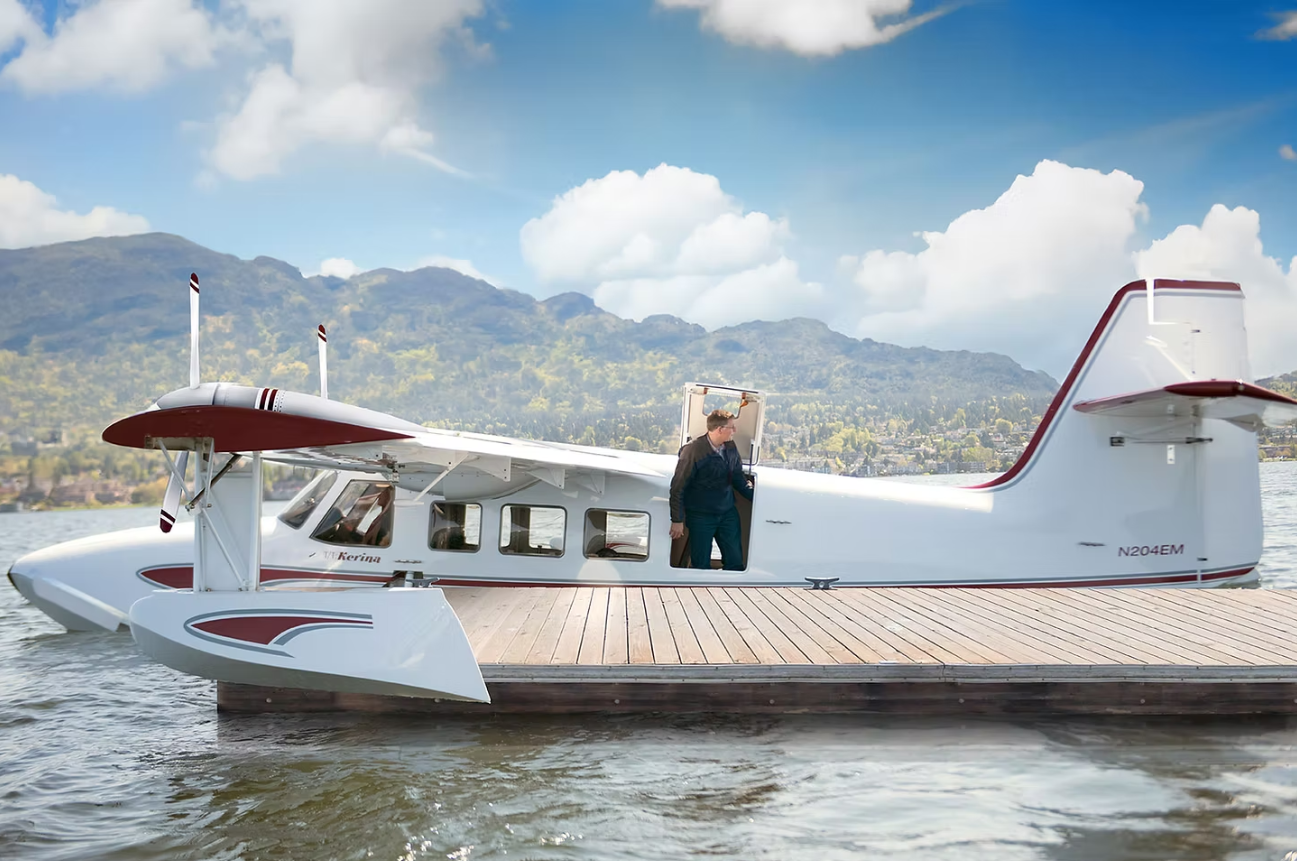
Maxwell Aircraft has unveiled plans for a new amphibious aircraft that combines a proven flying-boat design with modern composite construction and twin electric propulsion.
Designed to deliver capable performance both on the water and in the air, Maxwell Aircraft states that its M1 “builds on decades of development and experience, bringing together traditional seaplane characteristics with the potential benefits of electric flight.”
With its combination of manoeuvrability, useful payload and carefully considered water-handling features, the M1 has been designed to offer a practical and modern approach to amphibious aircraft operation, adds the company.
A proven design with a long aviation heritage
The M1’s origins can be traced through several generations of flying-boat development, beginning with the Grumman Widgeon.
Originally designed for the civil market, the Widgeon was produced between 1941 and 1955 and also served as a small patrol and utility aircraft with the US Navy during the Second World War.
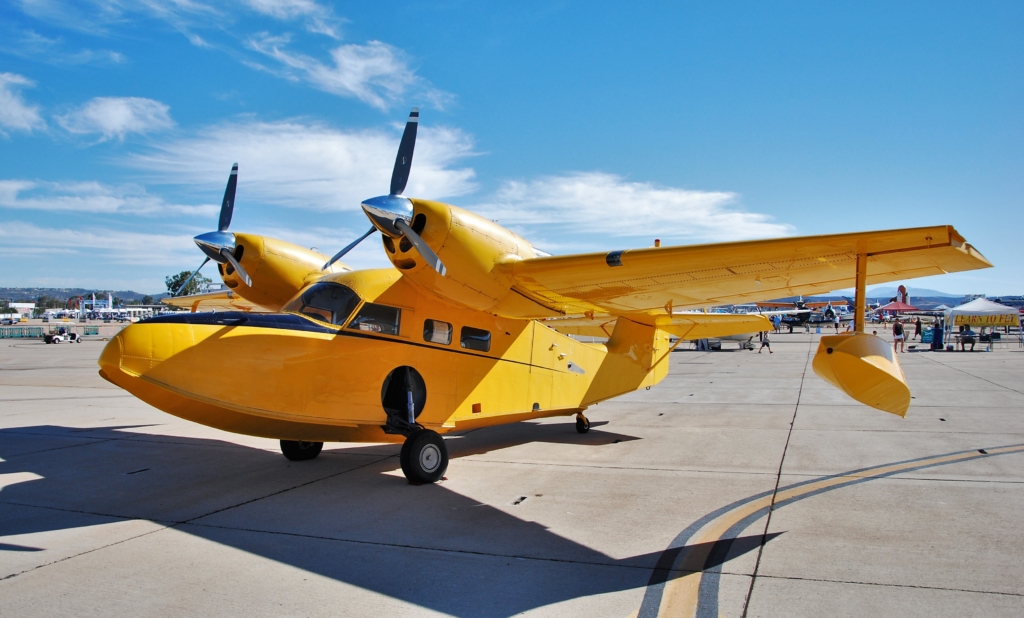
Following the war, Grumman refined the design for civilian use, introducing improvements to the hull and increasing the cabin capacity to six seats.
The aircraft subsequently evolved into the Super Widgeon, with further improvements to its hull, windows, engines and propellers introduced by McKinnon in 1958.
Although relatively few examples were produced, the Widgeon established a foundation for future amphibious aircraft development.
From the Gweduck to the M1
The next significant chapter began in 1990, when seaplane pilots Ben Ellison and Ross Mahon recognised the potential for a modern interpretation of the classic flying boat.
Inspired by the Widgeon, they set out to develop an aircraft combining traditional amphibious capabilities with contemporary aerodynamic and structural design.
Working alongside aircraft designer Marty Ellison, the team developed the concept for what would become the Gweduck. Its design prioritised water handling, with particular attention paid to take-off, landing and manoeuvrability in busy marine environments.
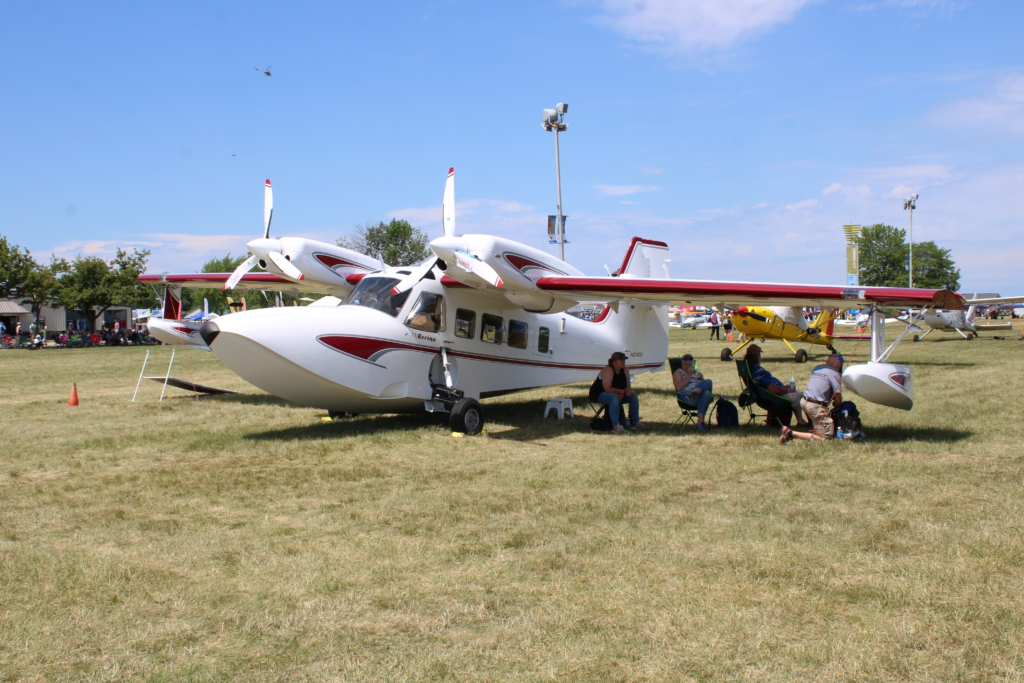
Features such as reversible propellers, a retractable water rudder and individually retractable wingtip floats were incorporated to make operating and mooring the aircraft easier. The hull was also carefully developed to improve pitch stability and minimise spray reaching the propellers.
The Gweduck first flew in 2009, demonstrating the success of the development programme and establishing a proven platform for subsequent development.
Modern composite construction and electric propulsion
A further development came with the introduction of carbon fibre and Kevlar construction. Walter Fellows recognised the potential to improve the Gweduck’s structural characteristics through the use of stronger, lighter and stiffer composite materials.
The acquisition of Composite Creations in Prineville, Oregon, provided the foundation for serial production of the aircraft in the experimental category. This marked an important step in the evolution of the design and established the basis for the next generation of development.
The M1 takes this established airframe concept in a new direction through electric propulsion. Its configuration features twin 400-horsepower electric motors, with Maxwell Aircraft highlighting weight savings of more than 1,100 lbs compared with the previous configuration.
The aircraft also benefits from an all-carbon-fibre and Kevlar construction, designed to provide strength and durability while eliminating the corrosion concerns associated with conventional metallic structures.
Designed for performance on water and in the air
In a press release, Maxwell Aircraft said that water handling remains central to the M1’s design philosophy.
Its flying-boat configuration is intended to provide superior performance in rough-water conditions, while the high-wing layout and retractable floats contribute to practical operation around docks and other waterfront facilities.
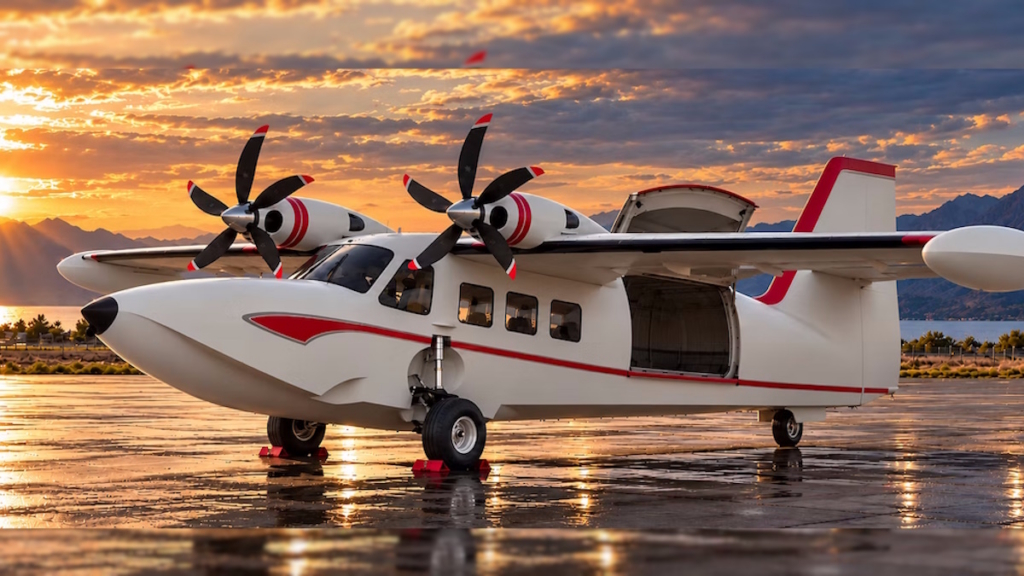
The twin motors feature instantly reversible propellers, providing precise control when manoeuvring on the water and assisting with docking.
The aircraft’s main landing gear tyres also protrude slightly to act as protective bumpers alongside docks, helping to reduce the risk of damage during mooring.
These practical details reflect the original Gweduck philosophy in that an amphibious aircraft should be designed not simply to fly efficiently, but also to operate safely and conveniently in its marine environment.
M1 performance and specifications
Maxwell Aircraft quotes a cruise speed of 135 knots and a total range of 205 miles. Its stated useful range is 170 miles, allowing for a 35-mile reserve to support safety and battery-life preservation.
The aircraft also offers a useful payload of 544 kg (1,200 lbs), providing considerable carrying capability for its intended role.
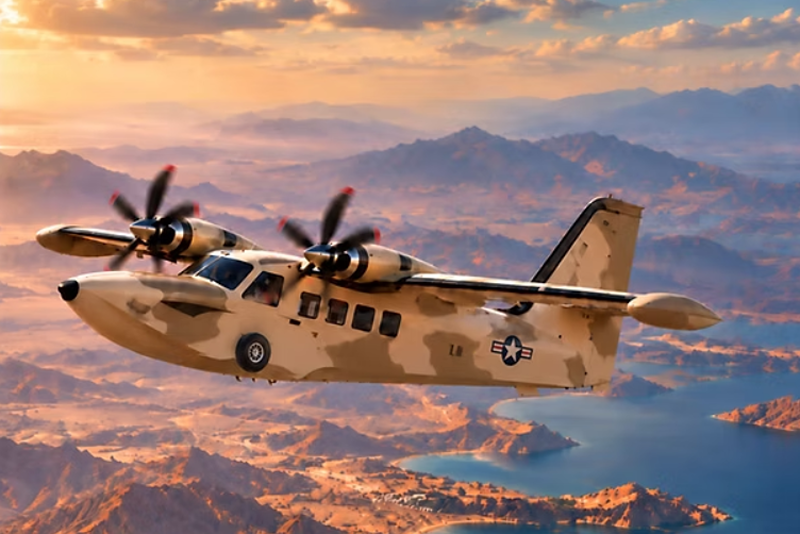
Combined with its twin electric motors and lightweight composite airframe, these figures position the M1 as an interesting development in the amphibious aircraft market.
Its design brings together the practical advantages of a flying boat with the performance characteristics of modern electric propulsion.
An evolution of amphibious aviation
The M1 is the latest stage in a development story spanning more than three decades, building on the experience gained from the Widgeon and Gweduck programmes.
Rather than starting from a completely new airframe concept, Maxwell Aircraft has taken an established amphibious design philosophy and adapted it for a new era of aviation.
By combining composite construction, electric power and features specifically developed for water-based operation, the M1 aims to demonstrate how traditional flying-boat capabilities can evolve to meet modern requirements.
With its emphasis on practical handling, useful payload and electric propulsion, the M1 offers an intriguing vision for the future of amphibious flight.


