


The next challenge for hydrogen aviation: Refuelling before the next flight

9 min read
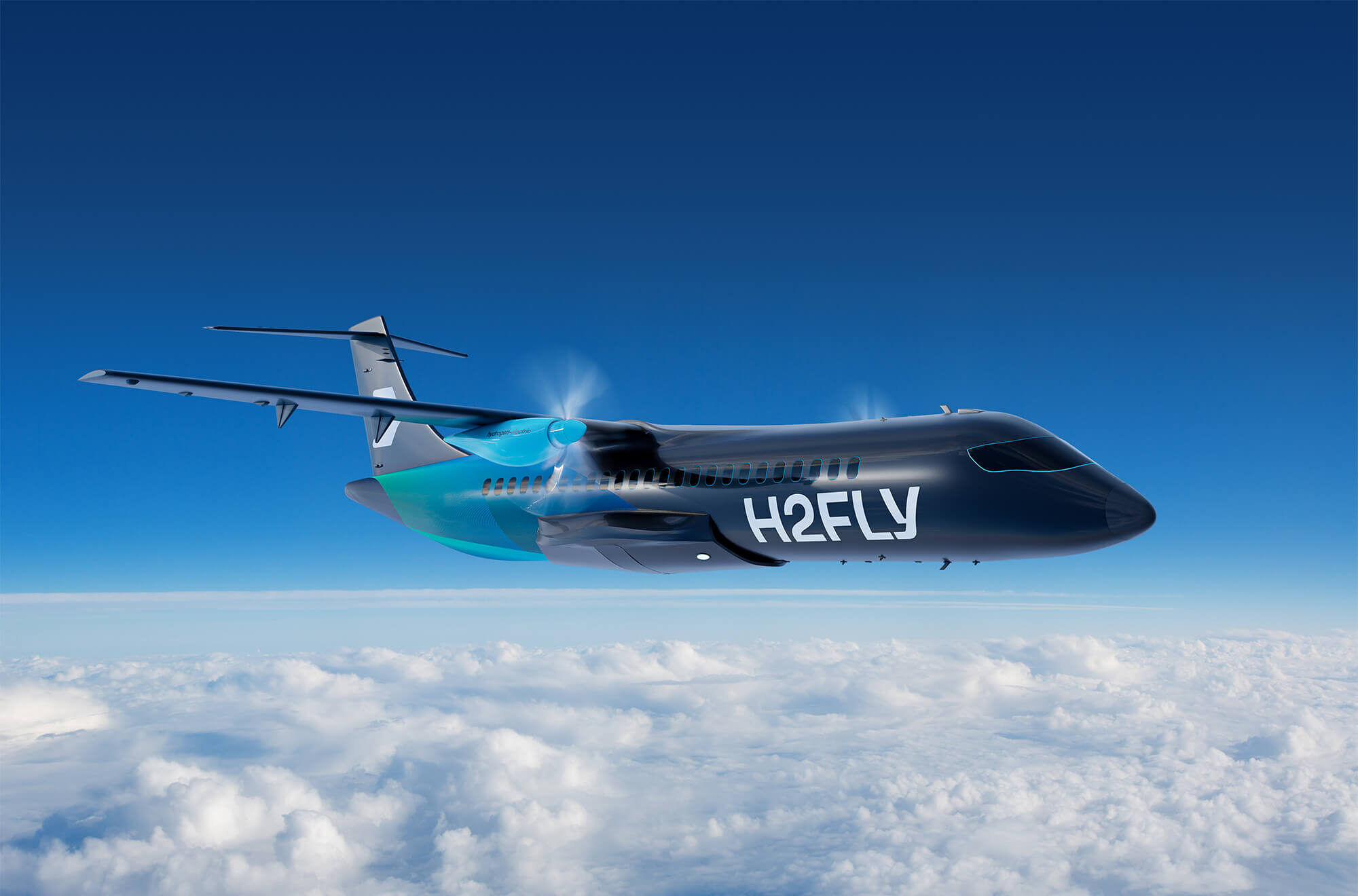
Hydrogen-powered aviation is moving beyond proving that aircraft can fly on the fuel, with developers now concentrating on how to refuel them quickly, safely and repeatedly at commercial airports.
Two European programmes are working on different parts of that challenge. Germany’s H2FLY is developing hydrogen-electric propulsion and mobile refuelling systems, while the UK’s HyPRIME project is preparing to test equipment capable of delivering liquid hydrogen at rates relevant to commercial aircraft operations.
In exclusive interviews with Aerospace Global News, representatives of both programmes described the progress made in handling liquid hydrogen, the problems that remain and the changes airports will need before hydrogen-powered aircraft can operate regular services.
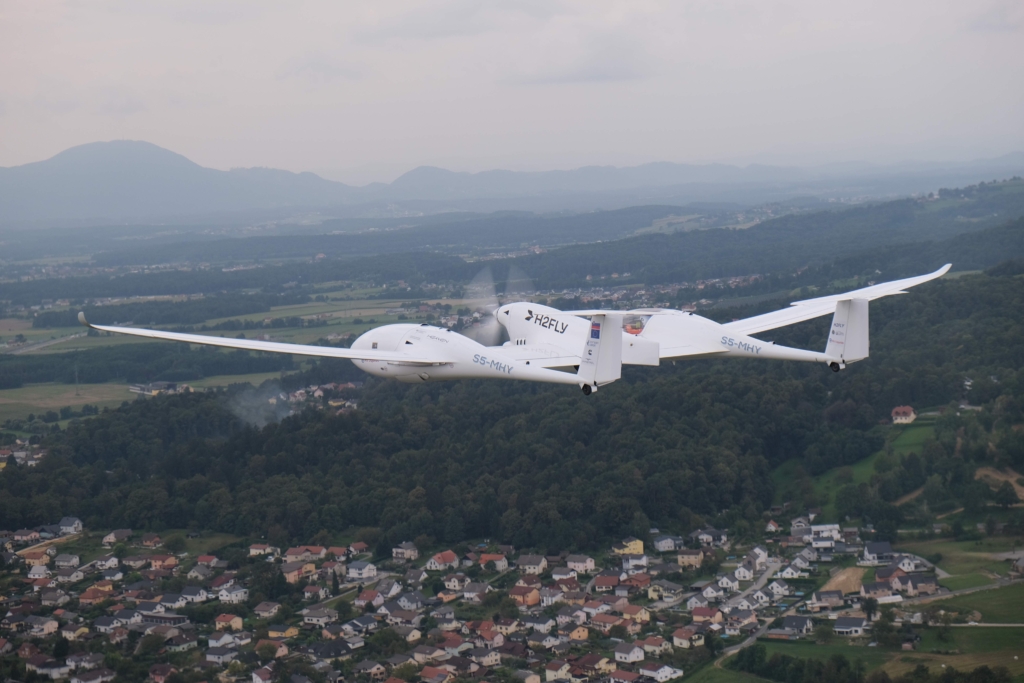
For H2FLY, which completed what it describes as the world’s first piloted flight of an electric aircraft powered by liquid hydrogen in 2023, the experience has also changed where the company is concentrating its engineering efforts.
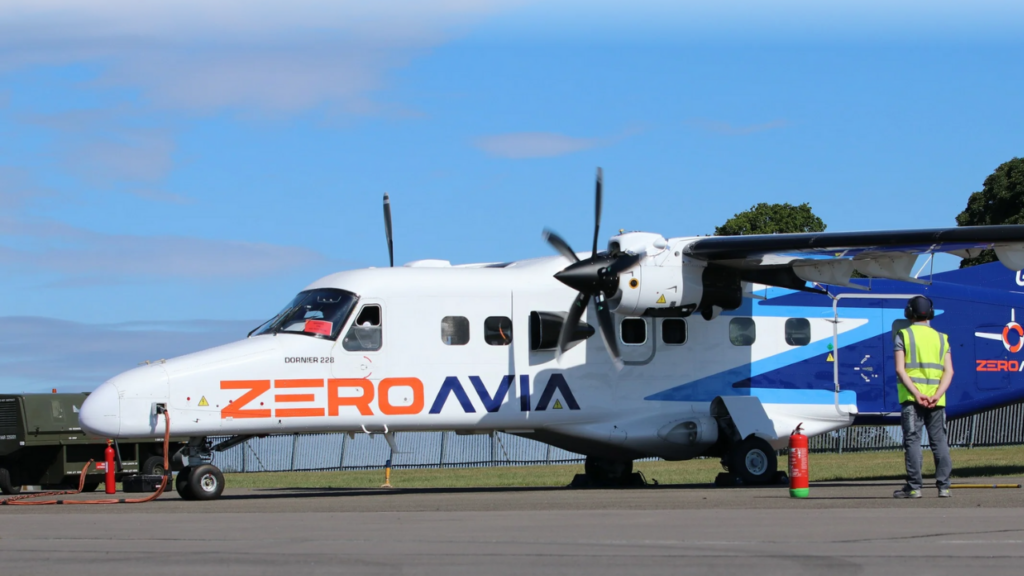
Ralph Muller, H2FLY’s chief executive, said the equipment and procedures needed to handle the fuel on the ground are no longer the fundamental obstacle.
“Through our flight test programme, we have built up the capabilities to handle and refuel liquid hydrogen safely. Taking this to routine airport operations is mainly a matter of time and resources,” Muller told AGN.
“The harder engineering challenge lies in the aircraft-based systems: they have to be lightweight, reliable and cost-efficient enough for commercial operation.”
Refuelling within an airline turnaround
For hydrogen-powered aircraft to operate scheduled services, refuelling must fit into the time an aircraft normally spends on the ground between flights.
Muller said that, depending on the aircraft and its mission, the refuelling process would need to take between 15 and 60 minutes.
“For airline-style operations, refuelling has to fit within a normal commercial turnaround without extending it,” he said. “The required refuelling rate therefore depends on the aircraft size and tank capacity.”

Unlike conventional aviation fuel, liquid hydrogen must be kept at approximately minus 253°C. Its extremely low temperature means that tanks, transfer equipment and refuelling connections require specialised designs.
One way to increase refuelling rates is to cool the aircraft’s hydrogen tank before transferring the fuel.
Muller said this could become part of the normal ground-handling process.
“Pre-cooling the aircraft’s liquid hydrogen tank to cryogenic temperatures before refuelling allows higher flow rates, and this step can be integrated into the turnaround procedure,” he explained.
He also identified common standards for connections and handling procedures as important to making refuelling simpler.
H2FLY plans to demonstrate the third generation of its mobile liquid hydrogen refuelling unit through the European Union-funded GOLIAT project, working with partners from across the aviation industry.
The programme forms part of the company’s efforts to develop equipment that can eventually support routine aircraft operations rather than individual flight demonstrations.
HyPRIME prepares to test airport equipment
In the UK, HyPRIME is approaching the challenge from the airport side.
The project is designed to demonstrate that liquid hydrogen can be transported to airports, handled safely and dispensed at flow rates relevant to commercial aviation.
Chris Tye, senior technical project coordinator for HyPRIME, said the aviation industry has already spent considerable time examining the requirements for hydrogen infrastructure.
“The industry is under no illusions about the challenges associated with introducing hydrogen at airports, and the collective knowledge about how to do it has been growing steadily through activities across the world including feasibility studies, techno-economic studies and regulatory work,” he told AGN.
The next task is to test the equipment under conditions that resemble actual airport operations.
“What HyPRIME, and other projects within the DFT zero emission competition, brings is the opportunity to advance the industry into physical testing of commercially relevant assets, in commercially relevant environments,” Tye said.
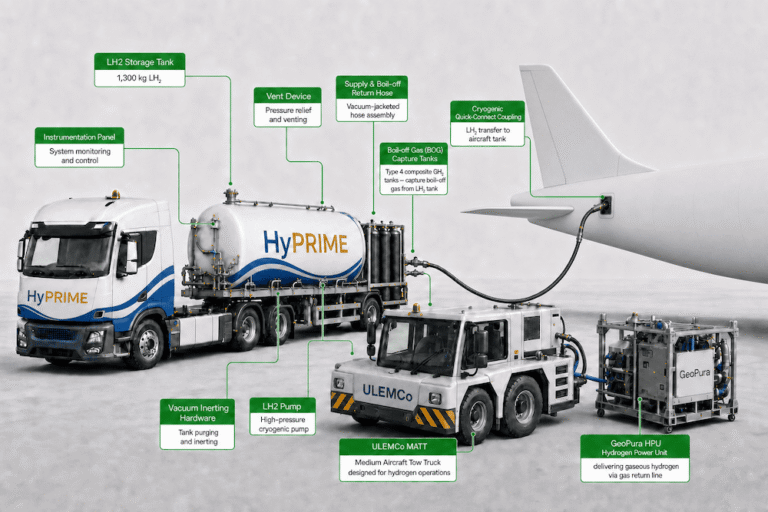
The programme is developing a mobile liquid hydrogen refuelling system using high-flow-rate cryogenic equipment.
It aims to demonstrate refuelling within operationally relevant turnaround times, although the final performance targets are still being developed alongside airport operating procedures.
Tye said HyPRIME is addressing two central requirements: whether hydrogen refuelling can work in an airport environment and whether the equipment can eventually be operated economically.

“The project will demonstrate that liquid hydrogen can be safely transported to airports and dispensed at commercially relevant flow rates for aviation, while also showing how, through systems integration, this can support decarbonisation of the wider airport ecosystem through use of boil-off gas in ground equipment, simultaneously reducing waste and improving economics.”
The project is working with Bristol and Birmingham airports on operational concepts that will help define the refuelling performance it needs to demonstrate.
What happens to hydrogen that evaporates?
One of the difficulties of handling liquid hydrogen is that some of the fuel can evaporate as heat enters the storage or transfer system.
This is known as boil-off. Unless managed, the resulting gas can represent lost fuel and must be handled safely.
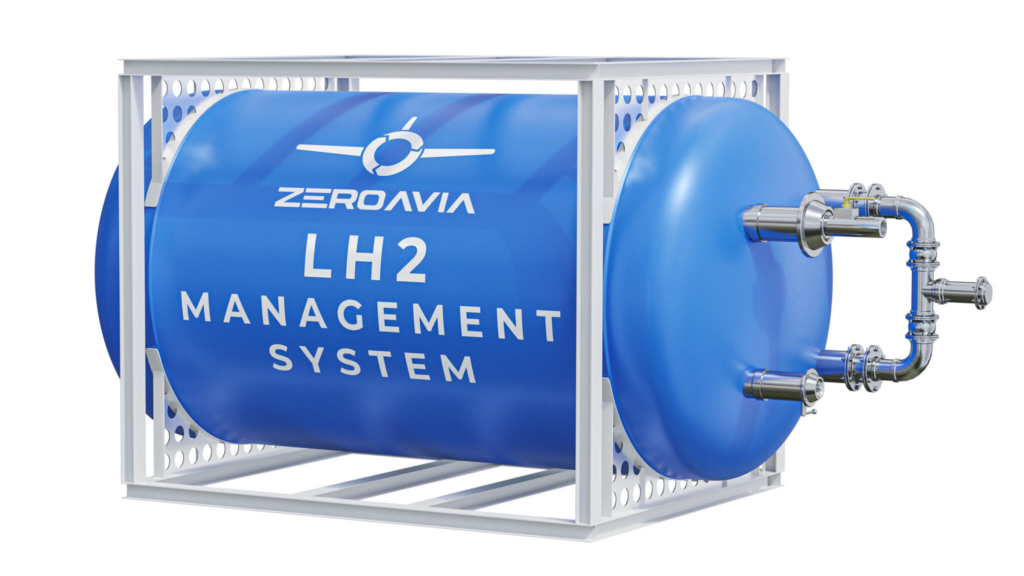
Tye identified boil-off management and refuelling speed as two of the most important technical issues still facing airport hydrogen systems.
“Boil-off gas is unavoidable in LH2 systems; left unmanaged it is a safety hazard, an economic loss of fuel, and an indirect emissions source,” he warned.
HyPRIME intends to capture the gas and put it to use elsewhere at the airport.
Its mobile liquid hydrogen refuelling system is designed to recover boil-off for use in ULEMCo’s hydrogen tow truck and GeoPura’s hydrogen power units.
The approach is intended to reduce venting and improve the overall efficiency of the hydrogen supply system.
HyPRIME will also examine the safety requirements associated with liquid hydrogen storage and refuelling. Its work includes dedicated cryogenic tank design and staged hazard identification, hazard and operability studies, and quantitative risk assessment.
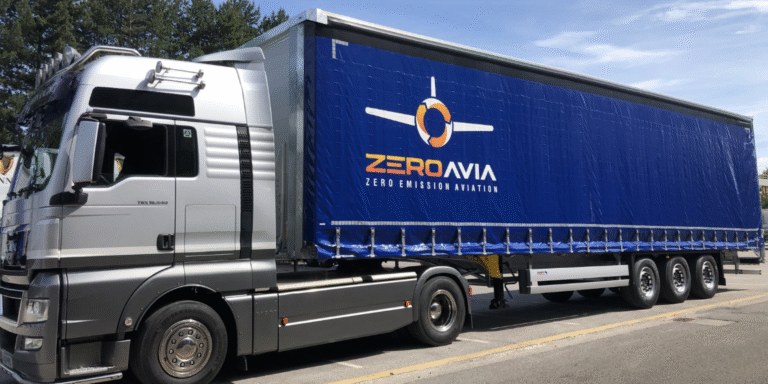
Tye said the project would draw on ZeroAvia’s existing liquid hydrogen operational experience and its participation in UK Civil Aviation Authority sandbox trials at Exeter.
H2FLY, meanwhile, believes careful planning can substantially reduce the amount of hydrogen lost during routine airport operations.
“Boil-off is predictable and can be managed. In scheduled operations, today’s ground operations make it possible to largely avoid it,” Muller said.
He explained that airlines already have detailed information about their schedules and expected fuel consumption. That information could help airports decide when hydrogen needs to be produced, liquefied and made available for refuelling.
“Hydrogen can be produced locally, and gaseous hydrogen can be liquefied on site in line with flight schedules. Supply follows demand rather than sitting in storage,” he added.
Such arrangements would require hydrogen production and supply to be coordinated with aircraft operations, particularly at airports where demand may initially be limited.
How airports would have to change
Neither H2FLY nor HyPRIME expects every airport to require large permanent hydrogen facilities from the outset.
Muller said the infrastructure could develop alongside the aircraft entering service.
“In the early phase, flexible, mobile solutions allow airports and operators to start operations without large fixed installations,” he said.
“As fleets grow, these will be replaced step by step by permanent infrastructure, with dedicated liquid hydrogen storage and a reliable supply.”
Hydrogen could be produced at airports using electrolysers and then liquefied, or delivered from external suppliers by truck or pipeline.
Airports would also need new ground-handling procedures, personnel training and safety zones adapted to hydrogen.
For HyPRIME, the choice of infrastructure would depend heavily on the location.
Tye said hydrogen could arrive by tanker, be delivered as a gas and liquefied at the airport, or be produced and liquefied on site.
“The optimum approach will depend on the airport’s requirements, real estate and region’s availability of power and options for hydrogen production,” he said.
At larger scales, he expects dedicated storage and liquefaction facilities, together with mobile refuellers or cryogenic pipelines, to become necessary.
HyPRIME is also examining what these different arrangements would cost. One of its planned outputs is a techno-economic model covering capital expenditure and operating costs for a representative mid-sized airport.
The project intends to use actual testing data to identify which parts of the infrastructure have the greatest effect on commercial viability.
“Airports and investors will need confidence not only that the technology works, but also that the associated CAPEX and OPEX are commercially viable,” Tye said.
Smaller hydrogen aircraft expected first
H2FLY’s experience has also influenced its expectations for the types of aircraft likely to adopt hydrogen propulsion first.
Muller said the industry initially concentrated heavily on the possibility of developing large hydrogen-powered aircraft. He does not regard that early ambition as misplaced, but believes the transition will take longer and proceed in smaller steps.
“What proved too optimistic was the idea that aviation could make that leap in one step,” he said. “The lessons learned since then have led to a strategic shift: we see hydrogen aviation developing step by step, starting with smaller aircraft, where the technology, certification and infrastructure are less complex, and scaling up from there.”

H2FLY expects smaller hydrogen-electric aircraft to begin entering service in the early 2030s, with larger aircraft following around 2045.
These are the company’s expectations rather than confirmed commercial service dates. The company is continuing to develop the propulsion systems that would support that progression. Its HY4 aircraft has completed several flight demonstrations, including the liquid hydrogen-powered flights in 2023.
Since then, Muller said H2FLY has tripled the power density of its systems. “Our HY4 aircraft, demonstrated in flight several times, showed early on what is possible, and since then we have tripled the power density of our systems,” he said.
The company develops most of its key components in-house, allowing it to work on the weight and performance of the complete propulsion system rather than treating individual components separately.
Muller said improvements in electrification and digital technologies, including developments in drones and air taxis, have also benefited hydrogen-electric propulsion.
Nevertheless, reducing weight, improving reliability and bringing down costs remain central to its work.
What comes after the airport trials?
HyPRIME’s immediate objective is to produce evidence from operating the refuelling equipment, rather than simply demonstrating that the individual technologies work.
The project has identified four areas against which it intends to measure progress: refuelling performance, hydrogen losses, operational efficiency and costs.

It plans to examine repeatable refuelling cycles, including filling, transporting and dispensing liquid hydrogen, as well as recovering boil-off gas under different environmental conditions. The results will feed into its economic modelling.
Further demonstrations at different airports, continued work with airlines and airport operators, and the development of regulatory and certification frameworks would follow a successful trial.
Tye said HyPRIME is intended to provide information that can guide future infrastructure investment in the UK and elsewhere.
For H2FLY, the next steps include demonstrating its latest mobile refuelling equipment through GOLIAT while continuing to improve the aircraft systems needed for commercial hydrogen-electric flight.
Both programmes are working towards the same practical requirement: aircraft must be able to arrive, refuel and depart without hydrogen handling becoming an obstacle to scheduled operations.
The technology has already flown. The next challenge is making it part of an ordinary day at an airport.
Sign up for our newsletter and get our latest content in your inbox.


More from

November 14, 20263 min read


