


Boeing’s bumper October orders overshadowed by falling 737 MAX deliveries

4 min read
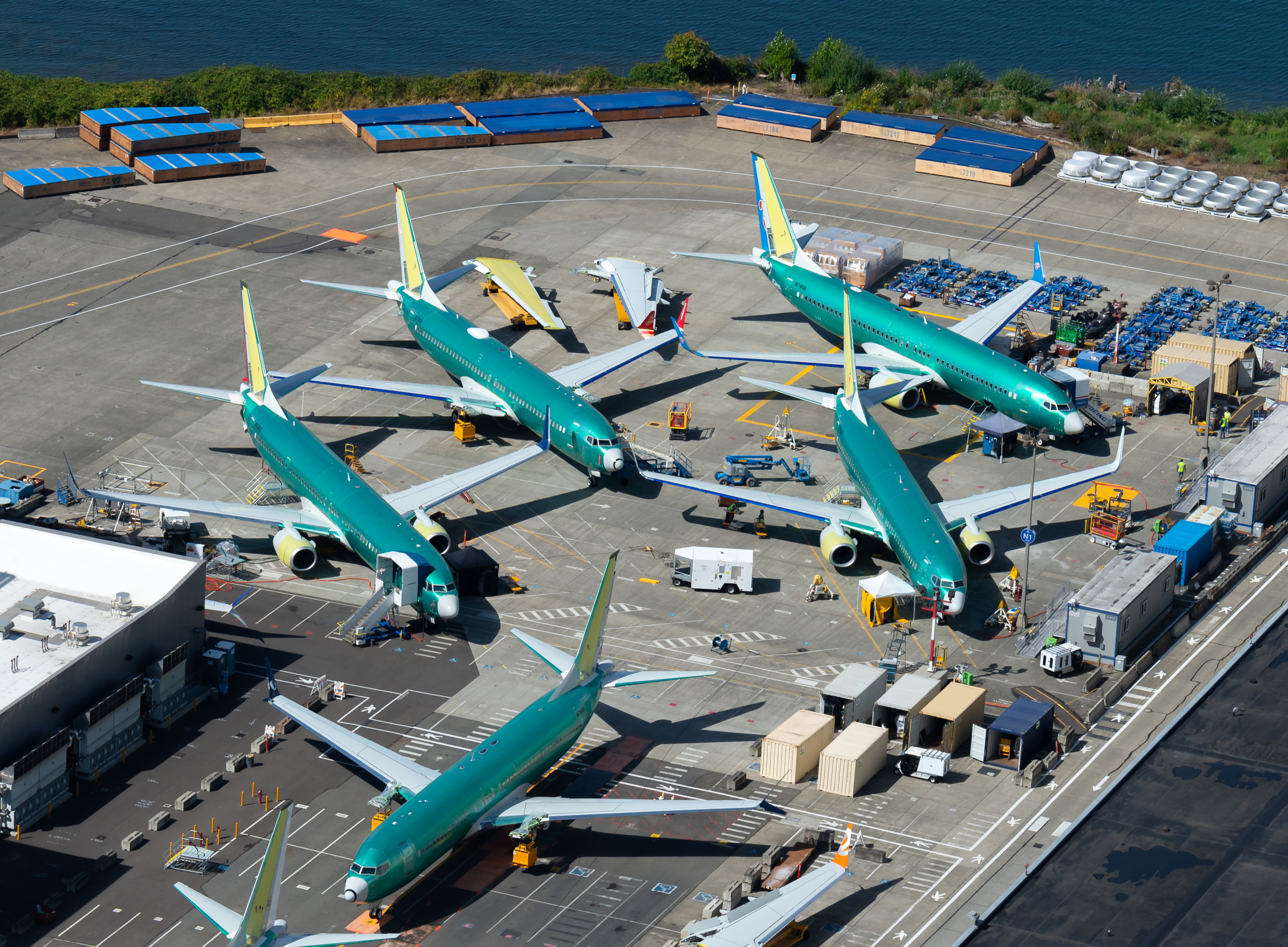
Boeing has recorded a 14% month-on-month decline in aircraft deliveries in October, handing over 49 aircraft compared with 57 in September. The figure was also lower than the 53 aircraft delivered during October 2025.
The decline comes amid continuing difficulties for the US aerospace manufacturer as it attempts to stabilise production, increase manufacturing rates and rebuild confidence following years of operational and production-related challenges.
As reported by Reuters, despite the weaker delivery performance, Boeing achieved a significant milestone on the orders front, recording its strongest October for net orders (new orders minus cancellations) since 1997. The company secured 165 new aircraft orders during the month and reported no cancellations.
Avolon order provides major boost to Boeing
The majority of Boeing’s October orders came from aircraft leasing company Avolon. As reported by Aerospace Global News, on 4 November, Avolon placed an order for 140 Boeing 737 MAX aircraft, accounting for most of the month’s new business.
Of the 165 orders recorded in October, 140 were Boeing 737 MAX aircraft ordered by Avolon, six were 737 MAX aircraft ordered by Allegiant Air, plus four additional 737 MAX orders coming from unidentified customers. The remaining 15 orders were for Boeing 787 Dreamliners, with the customers not publicly identified.

The order performance provides an encouraging sign of continued demand for Boeing aircraft, even as the manufacturer faces difficulties converting its production capacity into aircraft deliveries.
737 MAX deliveries fall as production challenges continue
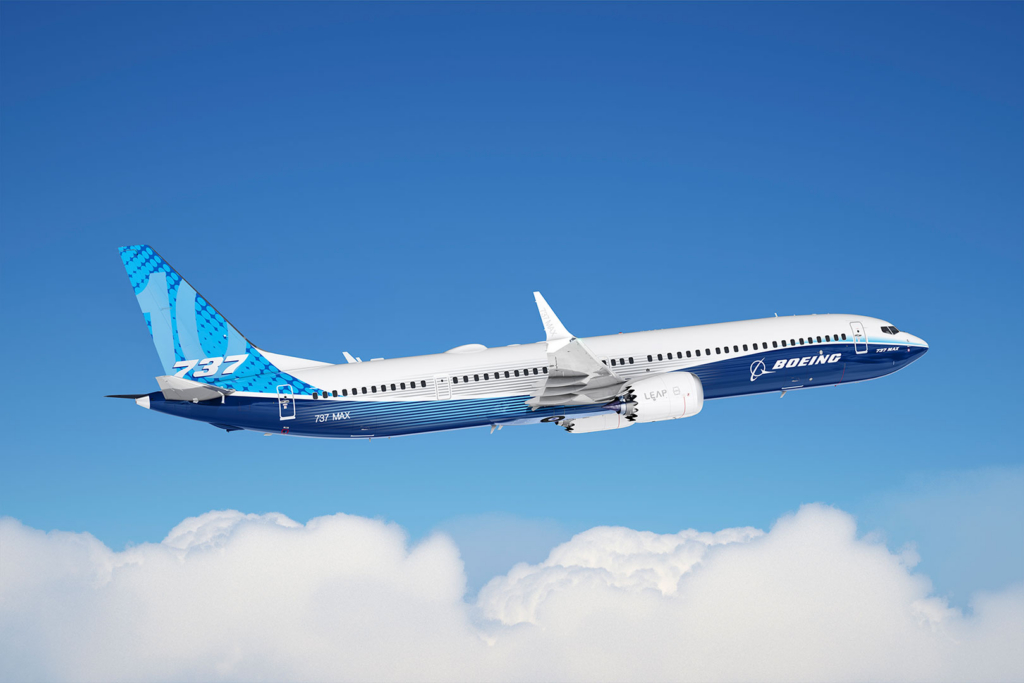
The Boeing 737 MAX remained the company’s largest contributor to October deliveries, although handovers declined significantly. Boeing delivered 32 737 MAX aircraft during the month, compared with 43 in September.
The reduction comes as the manufacturer continues to experience difficulties increasing production of its best-selling single-aisle aircraft. Chief Executive Kelly Ortberg told investors in October that Boeing would fall short of its target of delivering approximately 500 737 aircraft during 2026.
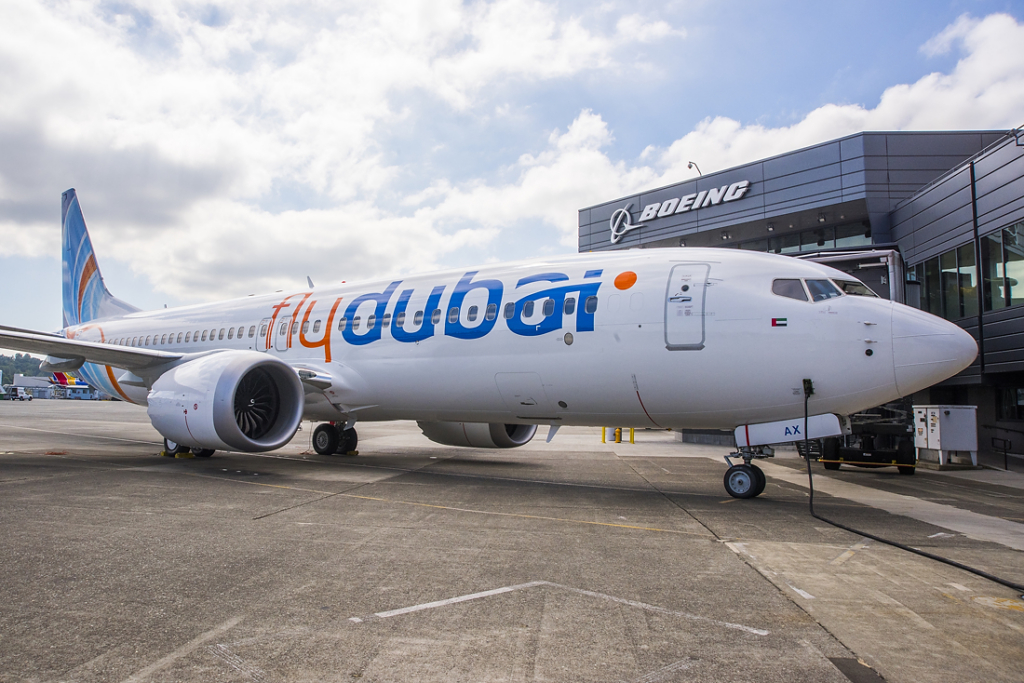
The company is working towards a production rate of 47 aircraft per month; a milestone Ortberg now expects Boeing to reach in early 2027.
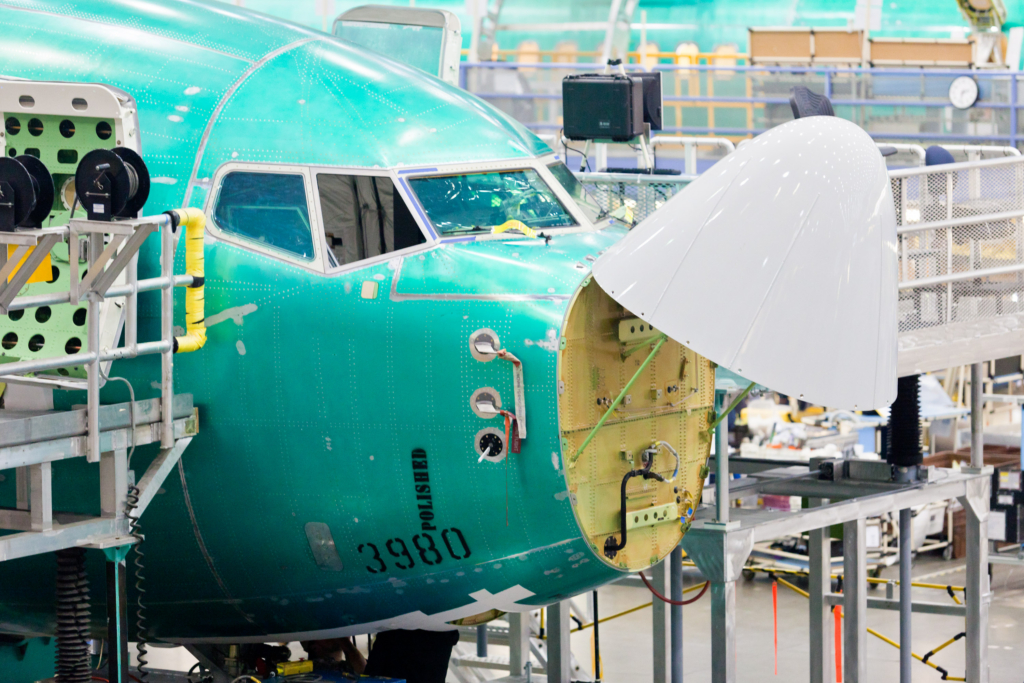
One of the principal obstacles remains the production of aircraft wings, with Boeing struggling to manufacture them quickly enough to support its planned increase in 737 output.
In addition to the 32 737 MAX aircraft, Boeing’s October deliveries included 11 787 Dreamliners, two 777 Freighters, and three 767s. One of the three 767 aircraft was delivered for Boeing Defence’s KC-46 aerial refuelling tanker programme.
Supplier dispute creates further production issues
Boeing is also dealing with supply-chain difficulties affecting its wide-body aircraft programmes. While wing production remains a bottleneck for the 737 MAX, a dispute with a supplier has brought wing production for the 777 freighter and 767 programmes to a halt.
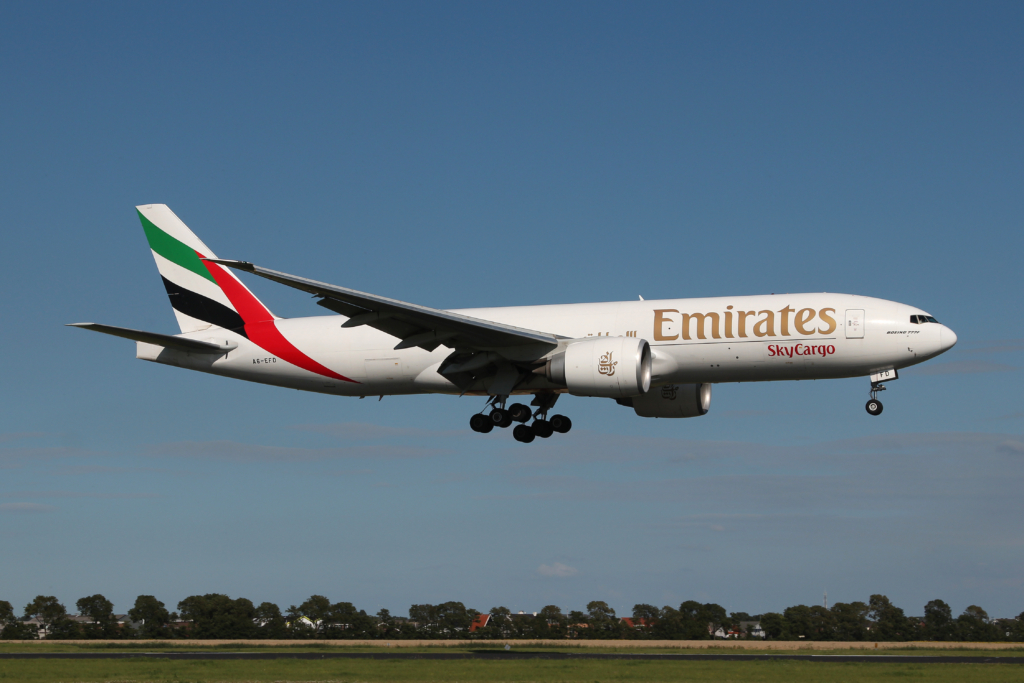
These difficulties threaten to complicate Boeing’s efforts to increase aircraft output across several production lines. Resolving supplier-related problems and improving manufacturing consistency will be important if the company is to meet its longer-term production ambitions.
Boeing remains behind Airbus in annual deliveries
Despite its October slowdown, Boeing’s cumulative delivery performance for 2026 remains ahead of last year’s level. By the end of October, Boeing had delivered 524 aircraft, about 6% more than the 493 delivered in the same period in 2025.
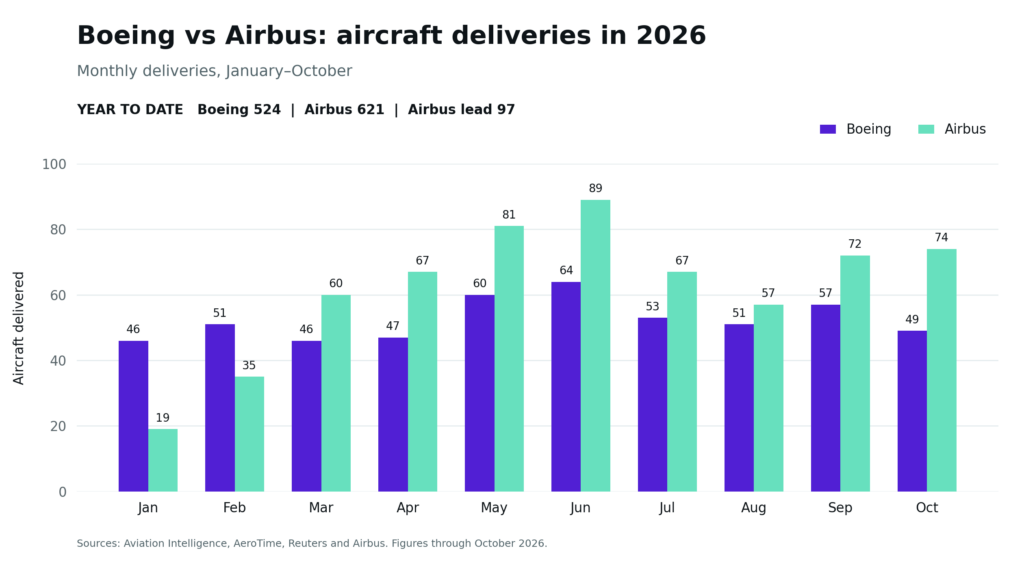
However, the company continues to trail its European competitor, Airbus. Airbus delivered 621 aircraft during the first ten months of 2026, giving it a lead of 97 aircraft over Boeing.
The comparison highlights the challenge Boeing faces in closing the delivery gap with Airbus, despite its improvement against the previous year’s figures.
Boeing’s wider recovery programme
Boeing’s October delivery figures come against the backdrop of a concerted effort to restore manufacturing stability and improve production performance.
The 737 MAX programme is particularly important because it is central to the company’s commercial aircraft business and its financial recovery.
The delayed move towards producing 47 aircraft monthly illustrates the difficulties Boeing continues to face in bringing together its manufacturing operations and supplier network.
The company’s recent workforce plans also underline the pressure to align staffing levels with actual production requirements.
Reuters separately reported on November 10 that Boeing planned to reduce employment in its commercial aircraft division by approximately 5%, reflecting slower-than-expected production increases.
The combination of production delays, supplier difficulties and workforce adjustments suggests that Boeing’s recovery remains a work in progress.
Strong orders but deliveries remain the key challenge
Boeing’s October performance presents two contrasting pictures. On the one hand, the manufacturer secured 165 new aircraft orders without a single cancellation, its strongest October net-order performance since 1997.
The Avolon order for 140 737 MAX aircraft provided a particularly significant boost to its order book.
On the other hand, the 14% monthly decline in deliveries demonstrates that strong customer demand does not automatically translate into higher aircraft handovers.
Boeing must now address its wing-production bottlenecks, resolve supplier disputes and achieve more consistent manufacturing output.
Its target of reaching 47 737 aircraft per month in early 2027 will be an important test of whether the company can turn its substantial order backlog into sustained delivery growth.
In the meantime, Boeing’s order performance is encouraging, but its ability to increase production and close the delivery gap with Airbus remains the bigger challenge.


