


Boeing uses the world’s most powerful supercomputer to design aircraft faster

5 min read
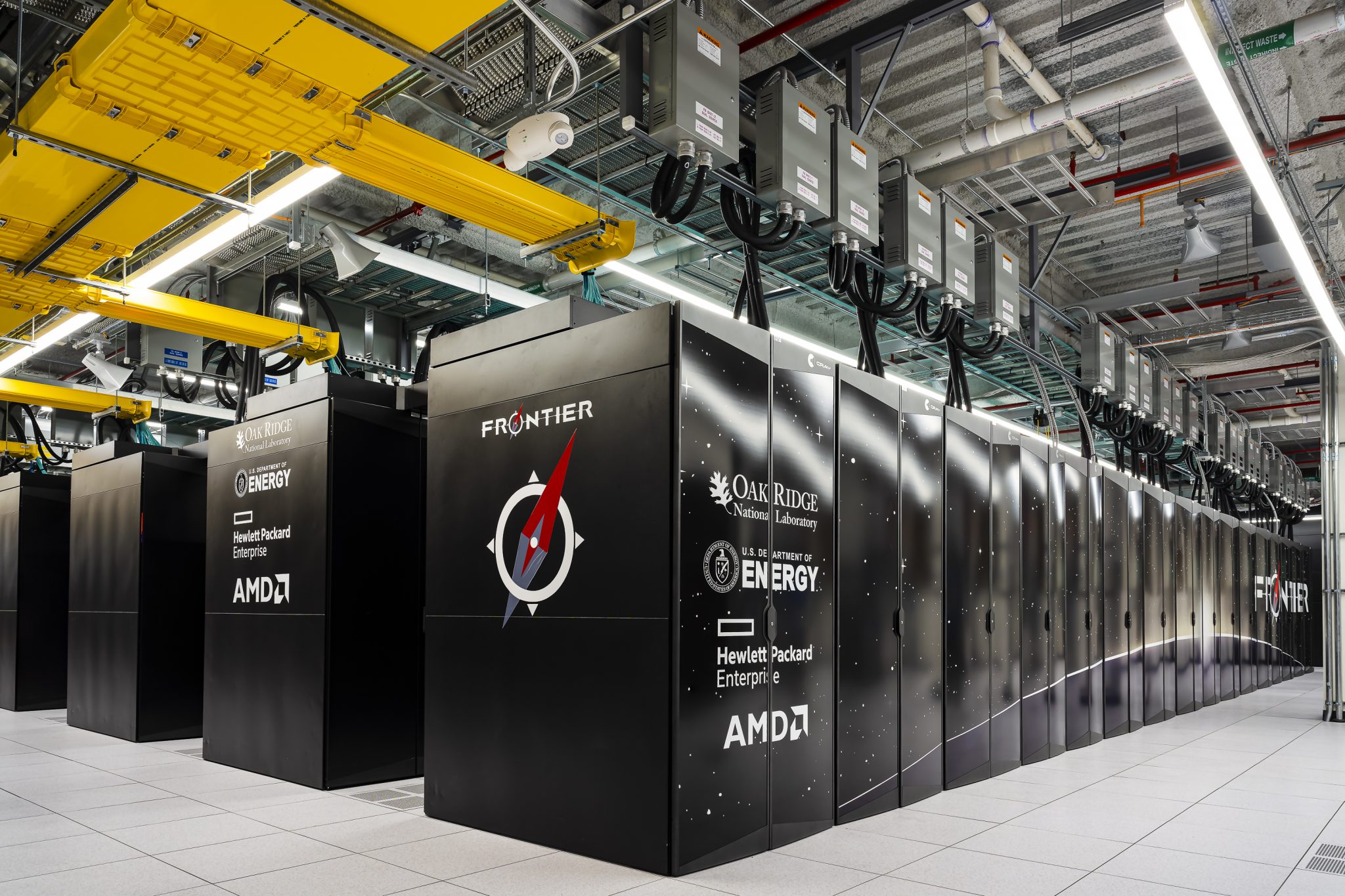
Boeing has turned to the world’s first exascale supercomputer to tackle one of aviation’s toughest challenges: understanding exactly how air moves around an aircraft wing.
Working with the US Department of Energy’s Oak Ridge National Laboratory in Tennessee, Boeing engineers used the Frontier supercomputer to run highly detailed aerodynamic simulations that would normally take months to complete.
The breakthrough could help engineers design more efficient aircraft and reduce development time.
The research, announced by Oak Ridge on 10 November, also enabled Boeing engineers to predict lift coefficients to within 1% for the configurations studied.
The work focused on turbulence, ice accumulation and airflow around wings during takeoff and landing, when aircraft operate in some of their most demanding aerodynamic conditions.
And researchers say the results could help manufacturers refine aircraft designs and investigate aerodynamic problems that are difficult to explain through conventional testing.
Why Boeing turned to a supercomputer
Predicting how air moves around an aircraft is one of the most difficult problems in aerodynamics.
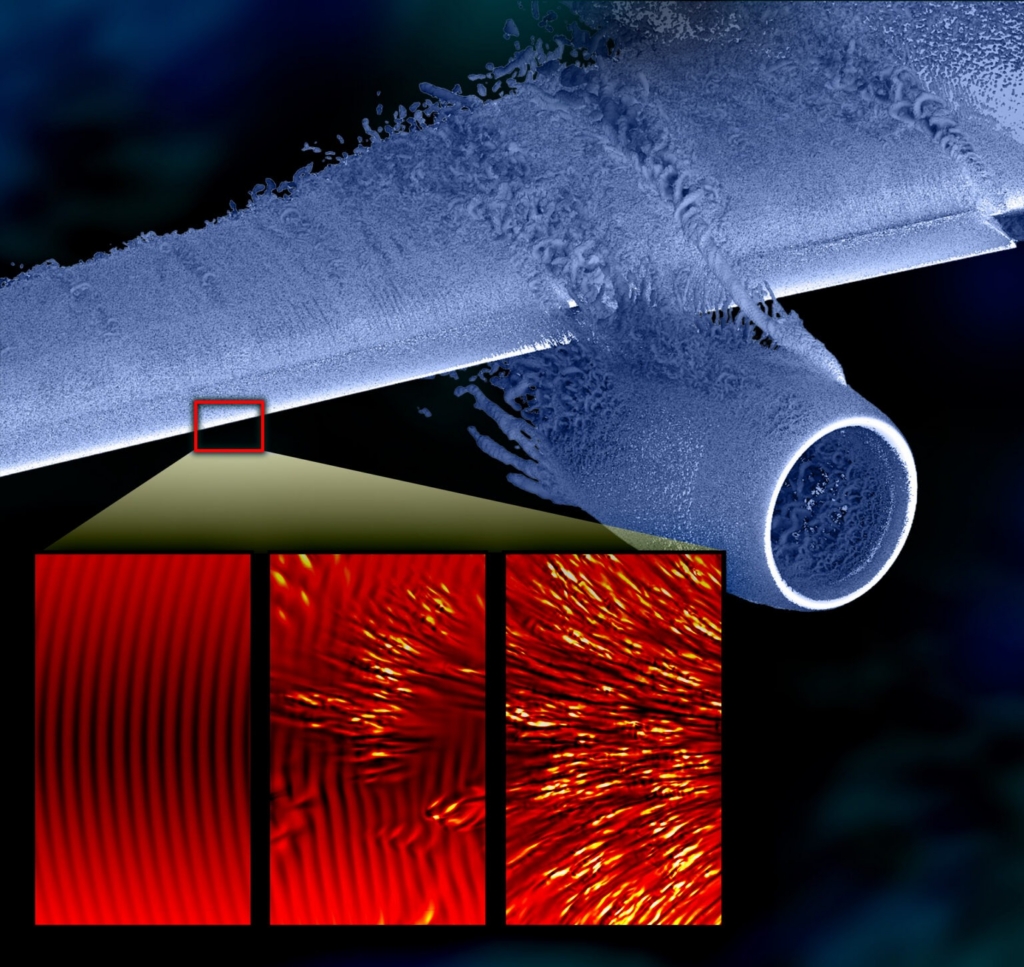
Airflow can be relatively smooth, known as laminar flow, or turbulent, when it becomes irregular and develops constantly changing swirls. The transition between these conditions affects drag, lift and fuel consumption.
Much of this behaviour occurs in the boundary layer, the thin region of air immediately next to an aircraft’s surface.
Engineers use computational fluid dynamics (CFD) to simulate these conditions. The technique divides a wing or aircraft into millions of small computational cells and calculates how air behaves within them.
The greater the detail, the more computing power is required.
Traditional methods simplify turbulence to make calculations manageable. More advanced simulations can reproduce its changing structures in greater detail, but they can require months of processing on conventional industrial computing systems.
Boeing aerodynamics engineers Adam Clark and Konrad Goc turned to Frontier to overcome some of those limitations.
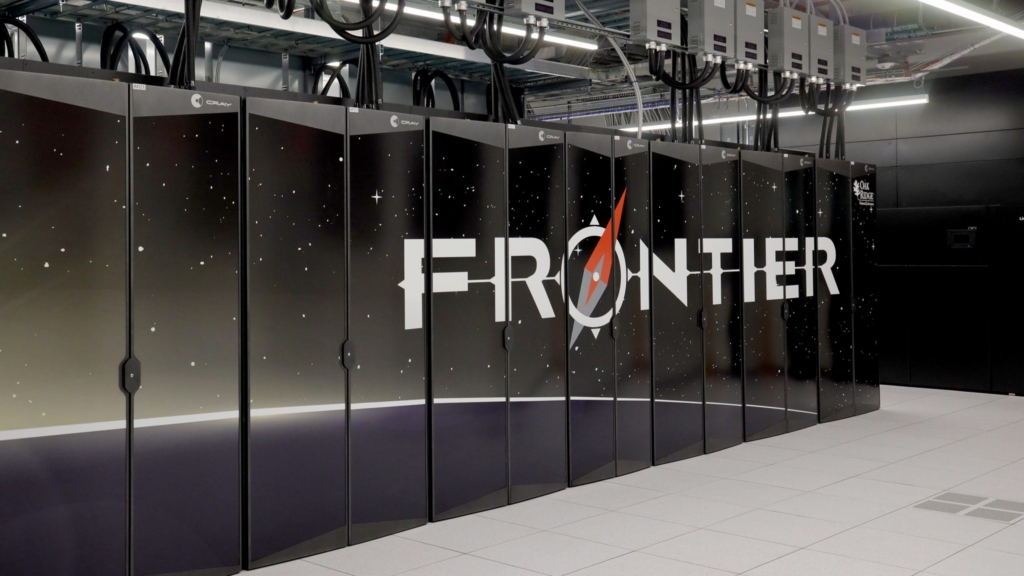
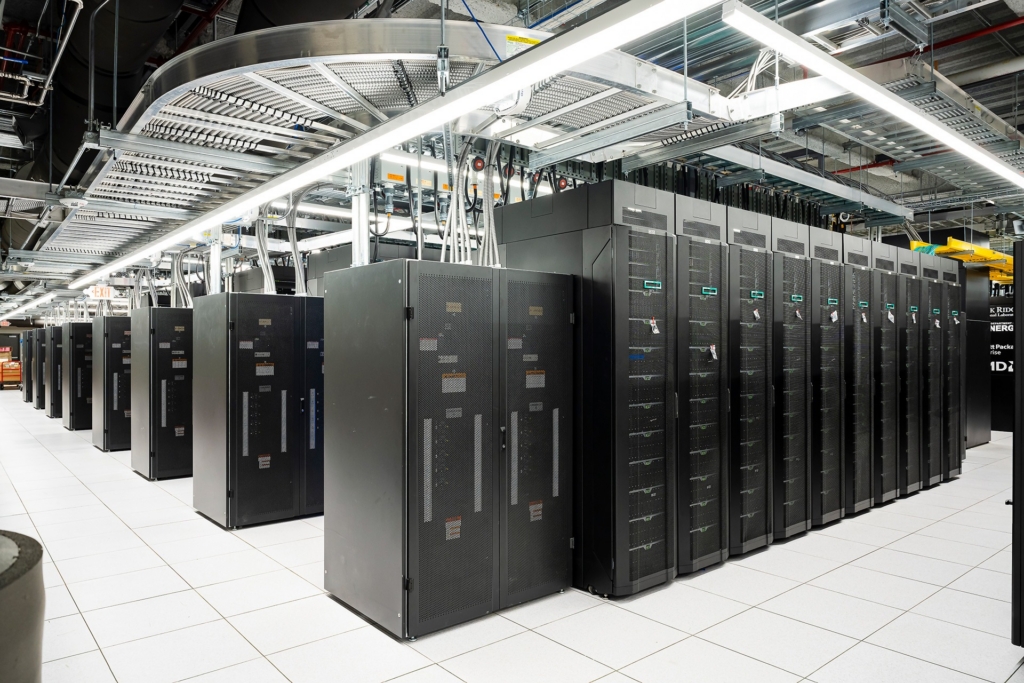
Located at Oak Ridge National Laboratory in Tennessee, Frontier was the world’s first exascale supercomputer. It has a peak performance of two exaflops, equivalent to two quintillion calculations per second.
Boeing accessed the system through the Department of Energy’s INCITE Leadership Computing programme, which provides researchers with access to major national computing facilities.
Simulating difficult landing conditions
The Boeing team concentrated on high-lift aerodynamics, particularly the airflow around wings when flaps and other devices are deployed during takeoff and landing.
These configurations create complicated interactions between different parts of the wing and the surrounding air.
The researchers also examined how ice accumulation changes aerodynamic performance.
Ice can alter a wing’s surface and disrupt airflow, affecting lift and drag. Boeing used the simulations to study the effects of different ice shapes, sizes and textures, as well as the influence of wing temperature on airflow.
The work provided additional information for evaluating anti-icing systems and helped explain results from earlier wind tunnel experiments that engineers had not fully understood.
Clark said Boeing’s aircraft are already certified to operate safely in the relevant icing conditions. The purpose of the research was to improve the company’s understanding of the underlying aerodynamics.
The researchers also investigated how airflow changes from laminar to turbulent conditions, including the effects of surface heating.
Results in days instead of months
The improvement in computing speed was one of the project’s most significant results.
“Not only did Frontier allow us to run simulations that we couldn’t do before, but we were also able to get results in a matter of days, which would have taken months using a typical industrial-scale computing system,” Goc said.
The team reported predicting the coefficient of lift to within 1%, providing greater confidence in its aerodynamic calculations.
That accuracy applies to the research configurations studied and does not mean every aircraft simulation can now achieve the same result.
Faster calculations could allow engineers to examine more design alternatives before selecting configurations for wind tunnel or flight testing.
Boeing also highlighted the relationship between aerodynamic efficiency and airline operating costs. Its research indicates that a 1% reduction in cruise drag can lower fuel consumption by approximately 0.75%.
That figure illustrates the potential value of reducing drag. It is not a fuel saving demonstrated by the Frontier simulations.
Will supercomputers replace wind tunnels?
Despite the advances, Boeing does not expect computer simulations to eliminate physical aerodynamic testing.
“The goal isn’t to replace wind tunnels, but oftentimes, in physical testing, we see things that we can’t explain — things that we literally have no data for, and that’s what CFD simulations can shed a light on,” Clark said.
Computer modelling has already reduced the number of wind tunnel experiments needed to compare different wing designs, according to Boeing.
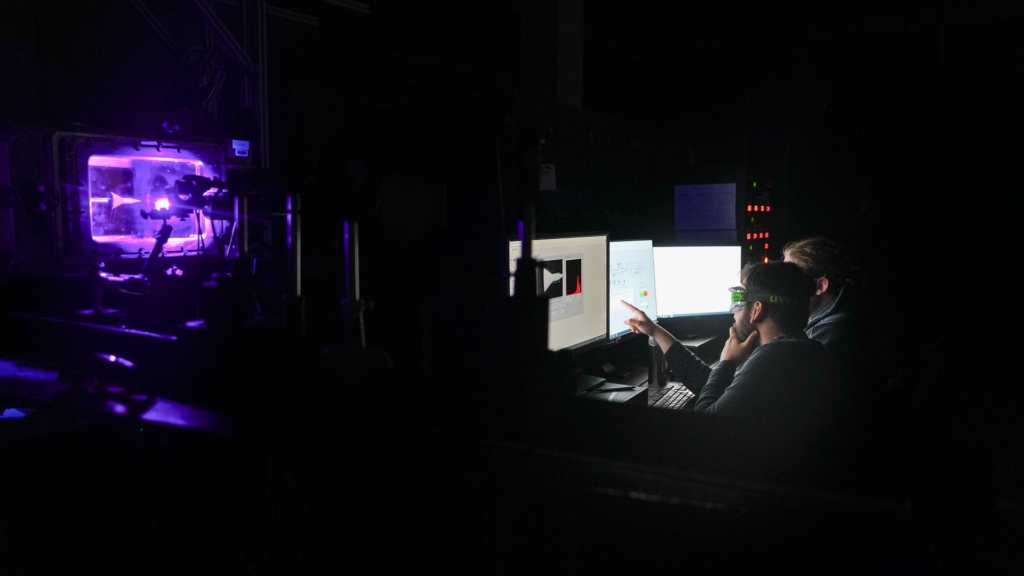
The latest research could extend that capability to more complicated aerodynamic conditions.
It also comes as researchers develop better methods of collecting physical test data.
NASA has recently demonstrated pressure-sensitive paint that measures rapidly changing aerodynamic loads across a moving wing model. Separately, researchers at the University of Manchester have developed a paint formulation that reduces temperature-related errors in wind tunnel measurements.
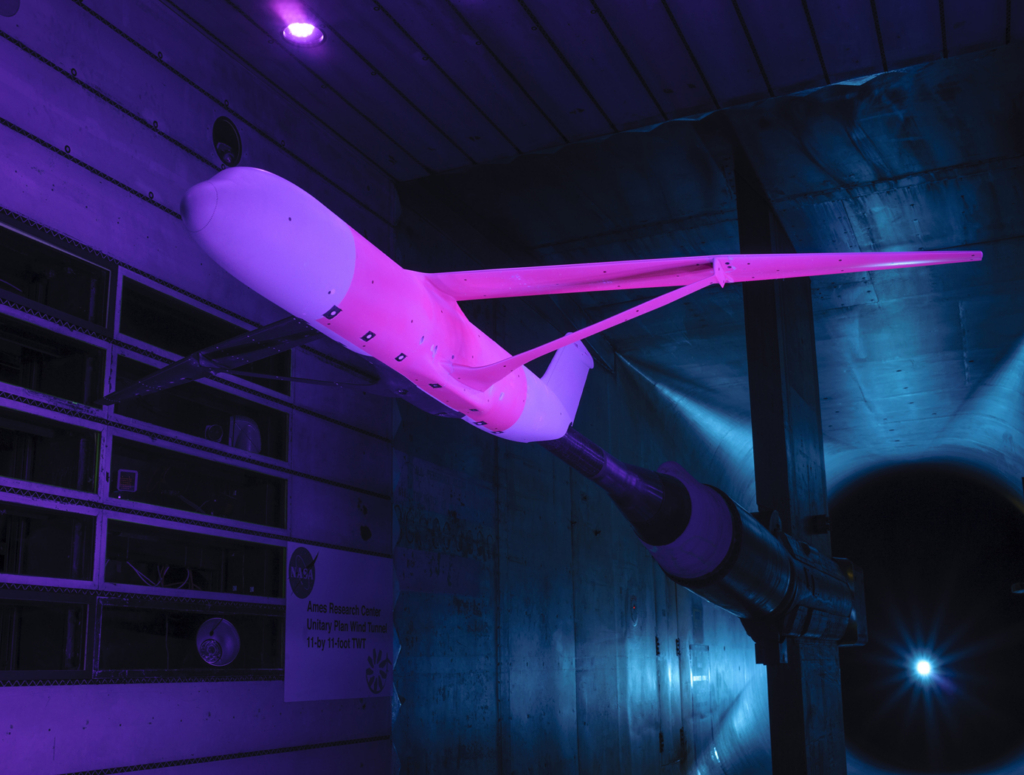
Both developments illustrate how physical testing is becoming more precise alongside improvements in computer simulation.
Boeing’s researchers used a widely studied high-lift model, which could make their findings useful to other aerospace engineers.
The company has not identified a particular future aircraft programme that will use the Frontier results.


