


NASA unveils nuclear-powered Moon rover as $1.3bn lunar transport contracts awarded

5 min read
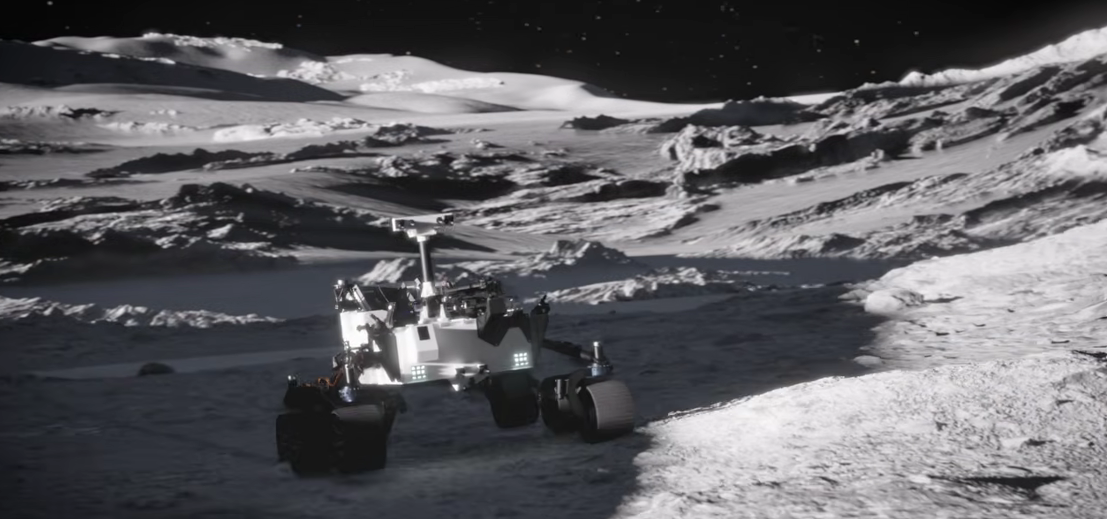
NASA is moving ahead with its plans to send a nuclear-powered rover to the Moon’s South Pole in 2028, alongside new transportation contracts worth approximately $1.3 billion and the selection of eight companies to compete for future lunar cargo deliveries.
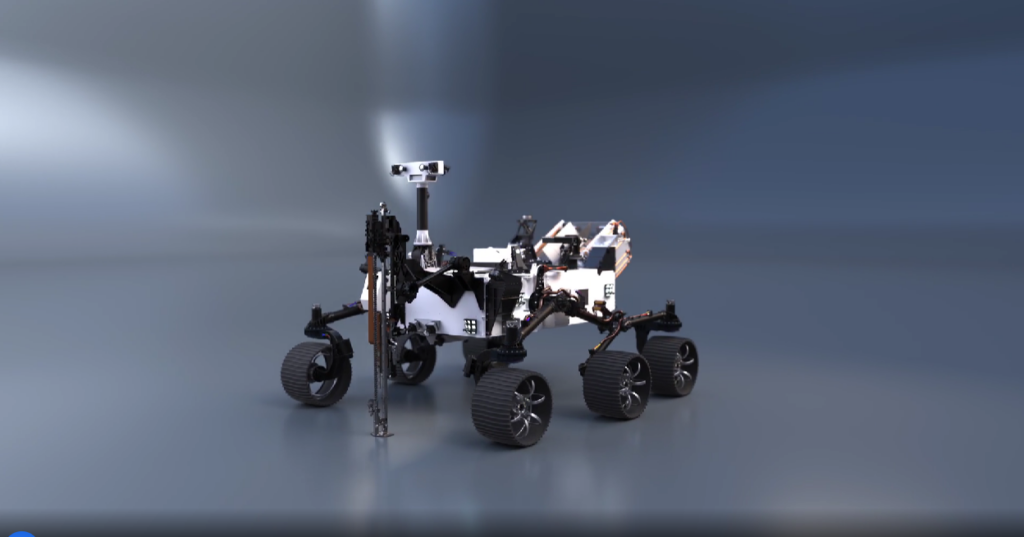
The six-wheeled rover, named Polar Rover for Observation, Mapping, and In-Situ Exploration or PROMISE, will search for water ice and other resources that could support a permanent human presence on the Moon.
Built largely from existing hardware developed for NASA’s Curiosity and Perseverance Mars missions, it will be able to operate through long lunar nights and inside permanently shadowed craters where solar-powered vehicles face significant limitations.
The announcements, made at the MAX POWER aerospace expo at Kennedy Space Center in Florida on 7 November, mark another step in NASA’s effort to establish a lunar outpost before moving towards sustained human operations. The agency is developing a network of commercial landers, orbital transportation vehicles, communications systems and surface infrastructure intended to support astronauts returning to the Moon.
“We are building the Moon Base mission by mission,” NASA Administrator Jared Isaacman said. “When our astronauts return to the Moon, they will arrive with the first elements of the Moon Base already waiting for them on the surface.”
Eight companies compete for lunar deliveries
NASA has selected Blue Origin, Firefly Aerospace, Intuitive Machines, ispace-US, Lockheed Martin Space, Northrop Grumman Space Systems, SpaceX and Voyager Technologies for the next phase of its Commercial Lunar Payload Services (CLPS) programme.
The companies will be eligible to compete for contracts to deliver scientific instruments, technology and infrastructure to the lunar surface. Selection does not guarantee individual missions.

The new CLPS 2 framework has a combined maximum value of $10 billion over 10 years. NASA has also raised the ceiling of the existing CLPS contract from $2.6 billion to $4.2 billion to support the initial phase of Moon Base development.
The original contract remains in place until November 2028, with deliveries under awarded missions permitted through November 2033.
NASA is expanding its transportation arrangements because a lunar settlement will require regular deliveries of equipment, supplies and scientific payloads. Some cargo will need to be transferred between orbits before landers carry it to the surface.
Nuclear-powered rover built from Mars hardware
Among the new developments is PROMISE, designed to explore the lunar South Pole and investigate resources that could support astronauts living there.
The PROMISE will be built at NASA’s Jet Propulsion Laboratory in California using spare flight components and engineering test hardware developed for the Curiosity and Perseverance Mars missions.
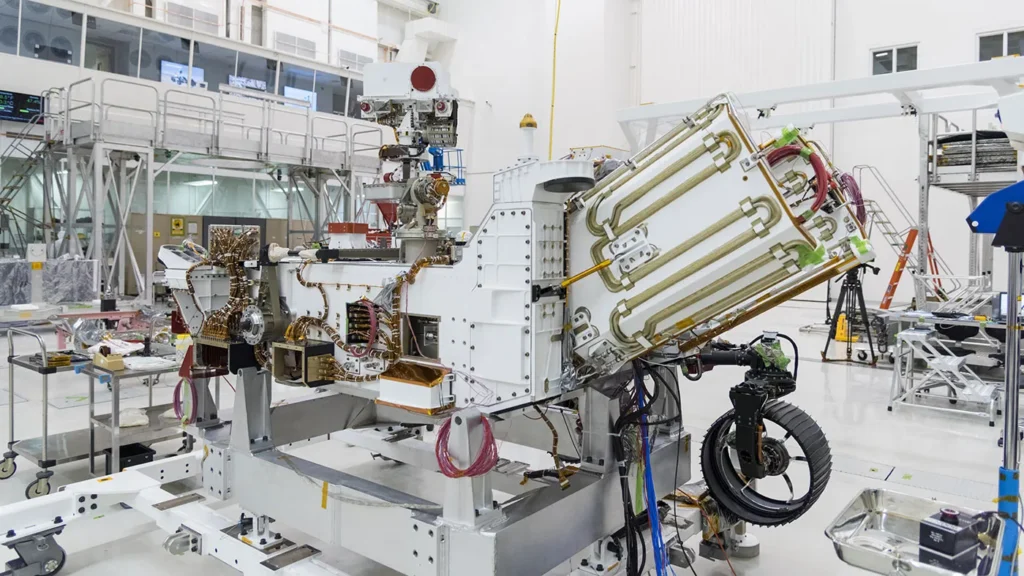
Engineers will repurpose the electronics, structure and mobility system of Curiosity’s engineering test vehicle, combining them with other existing rover components. NASA says this approach will reduce development costs and shorten testing.
PROMISE will use a multi-mission radioisotope thermoelectric generator, which converts heat from radioactive decay into electricity. Unlike a solar-powered rover, it will be able to operate during the long lunar night and explore permanently shadowed craters where sunlight does not reach the surface.
Those regions are particularly important because scientists believe some contain water ice and other frozen materials. Determining where these resources occur, and how accessible they are, will influence decisions about future landing sites and infrastructure.
The SUV-sized rover will carry a drill capable of reaching approximately one metre below the surface, alongside instruments to examine the chemical composition of lunar soil, detect volatile materials and measure radiation and temperature.
Its equipment will also include NASA’s High Performance Spaceflight Computing system and technology for more autonomous operations.
NASA is targeting a launch in late 2028 and an 18-month primary mission.
Blue Origin has received a $94 million base contract, with a further $140 million option dependent on performance, to deliver PROMISE using its Blue Moon Mark 1 lander. The award expands an earlier task order issued in May 2026 for the delivery of two lunar terrain vehicles.
Building a transport network between Earth and Moon
The six new transportation task orders were awarded to Arrow Science and Technology, Blue Origin and Impulse Space under NASA’s Venture-Class Acquisition of Dedicated and Rideshare programme.
They cover launch integration and transportation services for missions designed to test communications, navigation and cargo movement between Earth orbit and the Moon.
One mission will carry CAPSTONE 02 into deep space to demonstrate navigation, communications and proximity operations around the Moon.
Another group of missions will deploy MoonFall, a fleet of highly mobile robotic drones intended to investigate terrain near the lunar South Pole. These vehicles are designed to reach locations that conventional rovers may find difficult to access.
Other missions will test commercial orbital transfer vehicles capable of moving cargo through different orbits. NASA wants to establish whether these spacecraft can help position landers and payloads more efficiently for lunar deliveries.
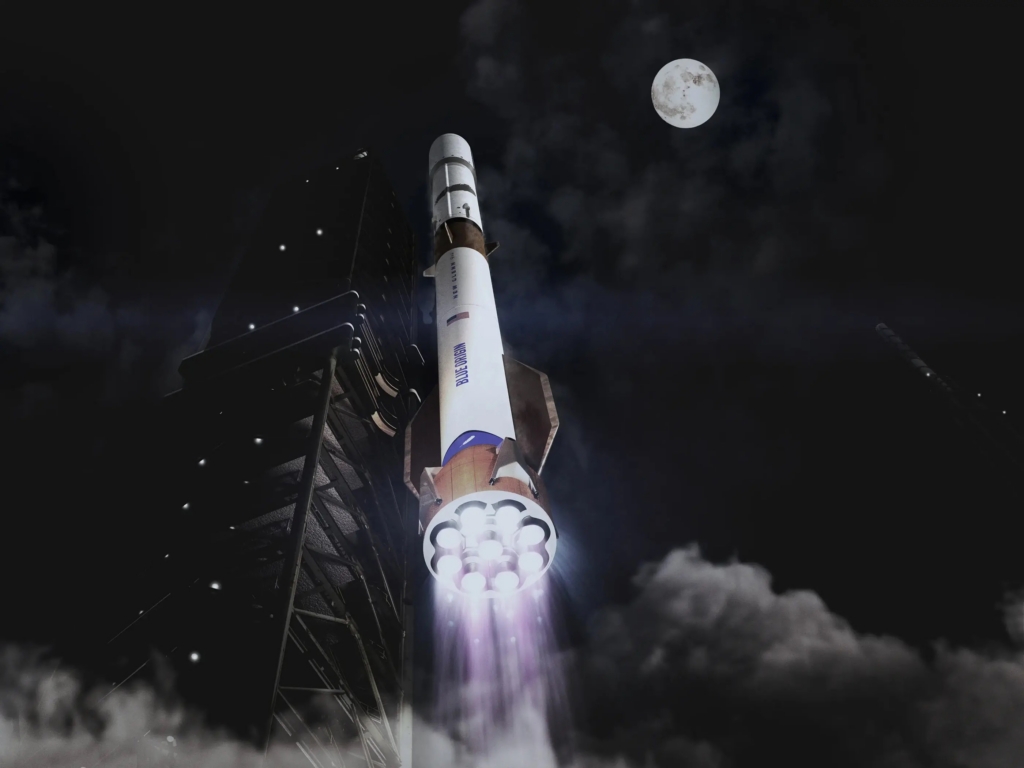
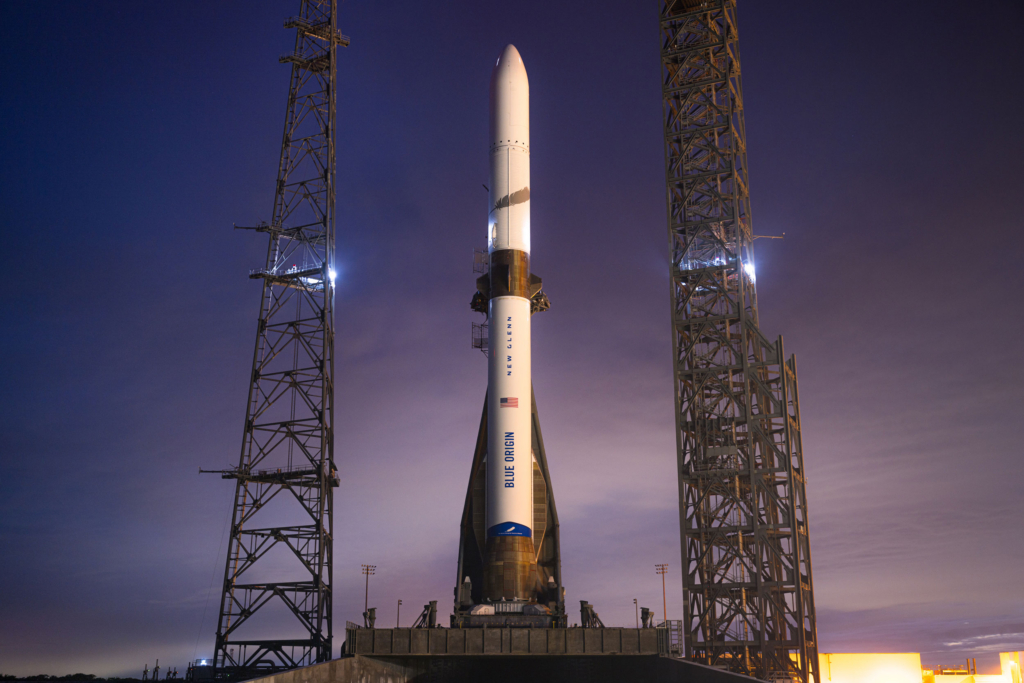
Launch vehicles expected to support the work include Blue Origin’s New Glenn, Relativity Space’s Terran R and SpaceX’s Falcon 9. In-space transportation will involve spacecraft supplied by Blue Origin, Firefly Aerospace, Impulse Space and Quantum Space.
The six task orders fall under the broader VADR contract, which has a $5 billion maximum value.
SpaceX Starship to deploy lunar communications satellites
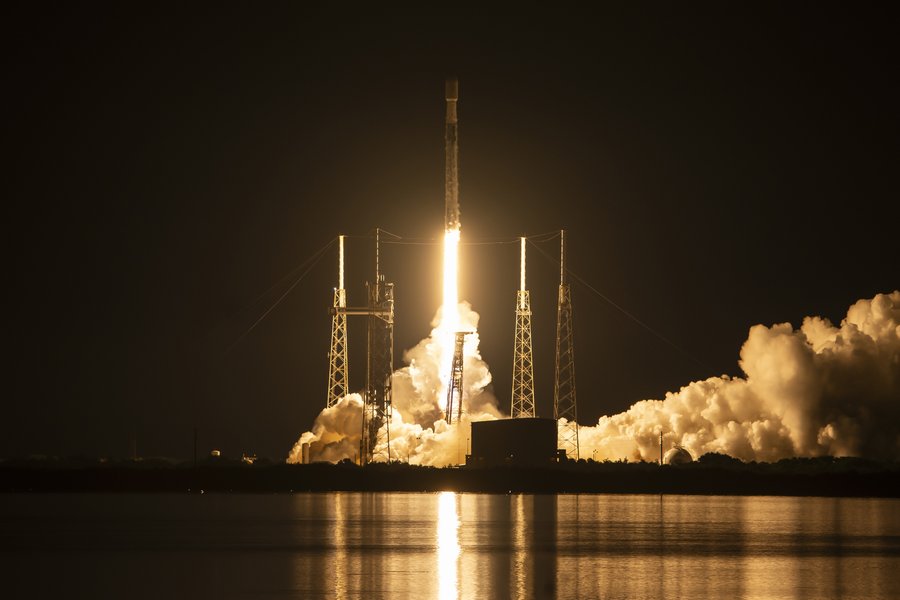
NASA has separately selected SpaceX to launch communications satellites into cislunar space aboard Starship in 2028.
The mission, awarded under an existing lunar logistics contract, will demonstrate capabilities needed for a communications network linking astronauts, spacecraft, ground controllers and future lunar installations.
On the Moon itself, NASA is developing a smaller demonstration system called the Mini-Communications and Solar Tower, or miniCAST.
Honeybee Robotics will supply energy storage technology, Redwire will provide power generation components and Yank Technologies will contribute wireless power transfer hardware.
NASA’s Marshall Space Flight Center in Alabama will assemble and test the equipment before its planned delivery to the lunar surface. The initial effort involves individual components rather than a complete operational power network.
A separate solicitation for integrated lunar power systems is expected in early 2027.
Carlos Garcia-Galan, manager of NASA’s Moon Base Programme, said the agency had consolidated several activities into a more coordinated approach to lunar development.
“Most importantly, we’ve taken action, awarding new contracts and forging new partnerships to accelerate development,” he said.
NASA also plans to seek additional scientific and engineering data through its NextSTEP-3 B initiative to help resolve outstanding questions about operating a permanent base.
The immediate task is to demonstrate that robotic exploration, commercial transportation, communications and power systems can work together before astronauts begin extended operations on the lunar surface.


