SpaceX ends Falcon 9 Starlink launches from Florida as Starship takes over

6 min read
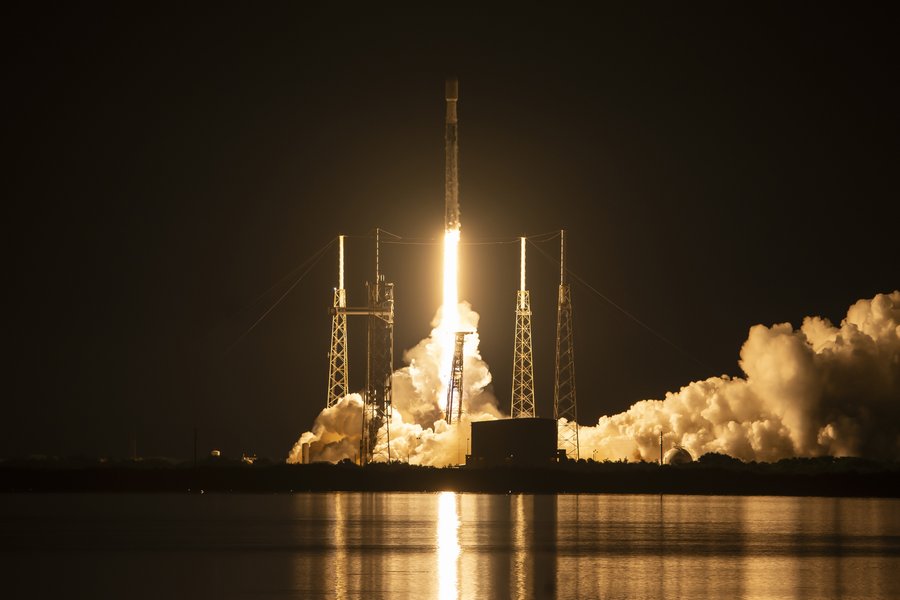
SpaceX has launched its last planned Falcon 9 Starlink mission from Florida, ending a run of launches that helped build the satellite network. Future Starlink missions from Florida will instead be launched aboard SpaceX’s much larger Starship rocket.
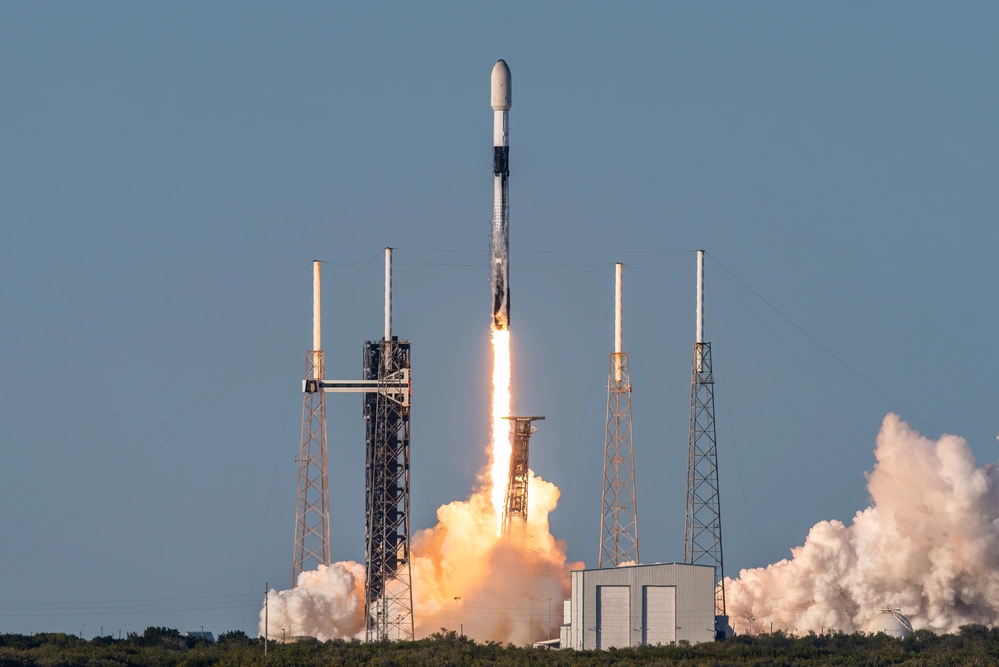
The final flight left Space Launch Complex 40 at Cape Canaveral Space Force Station at 05:33 EDT on 25 August carrying 29 Starlink satellites. It was also SpaceX’s 100th Falcon 9 launch of 2026 and the 37th launch for this specific booster – B1067.
The satellites were deployed in low Earth orbit just over an hour after launch. B1067, meanwhile, returned to the Atlantic and landed on the droneship A Shortfall of Gravitas about eight and a half minutes after liftoff, completing another recovery of a booster whose flight history stretches back to 2021.
But the significance of Tuesday’s mission went well beyond another Starlink deployment or reuse record. SpaceX Vice President of Launch Kiko Dontchev confirmed after the flight that the company had deliberately drawn a line under Falcon 9 Starlink operations from Florida.
“This morning’s SpaceX mission from pad 40 was the last planned Falcon 9 Starlink launch from Florida (and it launched on the fleet-leading booster!!), marking the end of an era for these launches on the East Coast,” Dontchev said. “From here on, Starlink missions out of Florida will fly on Starship. The West Coast team will continue regularly launching Starlink from Vandenberg.”
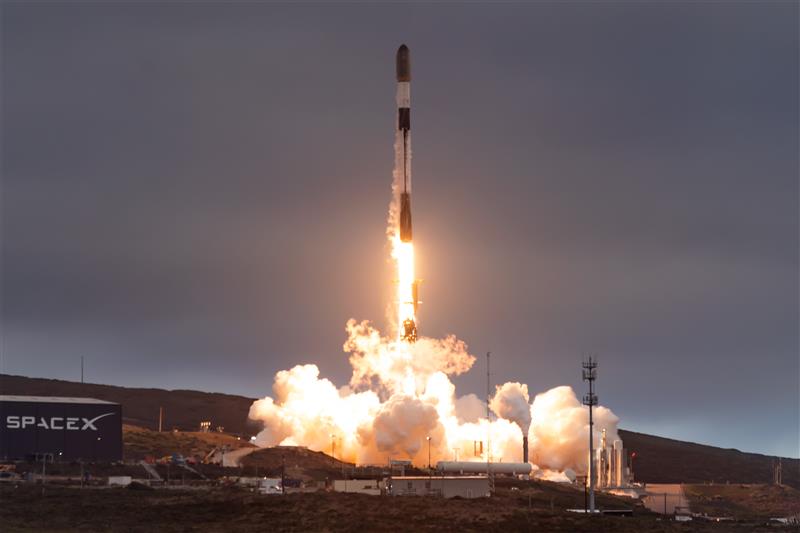
The change does not mean the end of Falcon 9 operations from Florida. The rocket will continue flying other missions from the Space Coast, while Falcon 9 Starlink launches will continue from Vandenberg Space Force Base in California.
What SpaceX is ending is a particular combination that has become a fixture of Florida launches over the past seven years: Falcon 9 carrying batches of Starlink satellites from the Cape.
More than 260 Starlink missions from the Cape
Few missions illustrate the effect of Falcon 9 reusability as clearly as Starlink.
Dontchev said Falcon rockets have flown about 260 Starlink missions from the Cape during the past seven years. Those flights helped turn launches once separated by weeks into an almost routine operation and built Starlink into the world’s largest satellite constellation.
The pace has continued to accelerate. Tuesday’s flight was the 54th orbital launch from the Cape in 2026, with Starlink accounting for 33 of them. The previous year, the Cape set an annual record with 109 orbital launches, 101 of which were flown by Falcon 9.

Starlink itself has grown beyond 11,000 operational spacecraft. Maintaining a constellation on that scale requires continuing launches because satellites are added while older spacecraft are retired and allowed to re-enter the atmosphere.
“Super proud of this incredible team. You’ve made Falcon 9 the most reliable launch vehicle in history,” Dontchev said.
“You also helped build the largest low-Earth orbit satellite constellation providing connectivity to millions around the world, and you’ve set the foundation for what’s next.”
He added: “In the last seven years, Falcon has flown ~260 Starlink missions from the Cape… can’t wait until we launch that and many more with Starship!”
Tuesday’s launch offered a fitting demonstration of the system SpaceX is preparing to move beyond. B1067 had already flown 36 missions before being assigned to the final Florida Starlink flight. SpaceX now has several Falcon 9 boosters with 30 or more missions behind them.
Falcon 9 is only partly reusable. Its first stage can return and fly again, but the upper stage is expended. Starship has been designed around a different model, with both the Super Heavy booster and Starship upper stage intended for rapid reuse.
Musk sets out conditions for winding down Falcon
The Florida decision comes as SpaceX begins to spell out how Falcon 9 will eventually give way to Starship across more of its launch business.
Three days before the final Florida Starlink mission, Elon Musk said SpaceX would start directing engineering and manufacturing resources away from Falcon once Starship could sustain frequent operations.
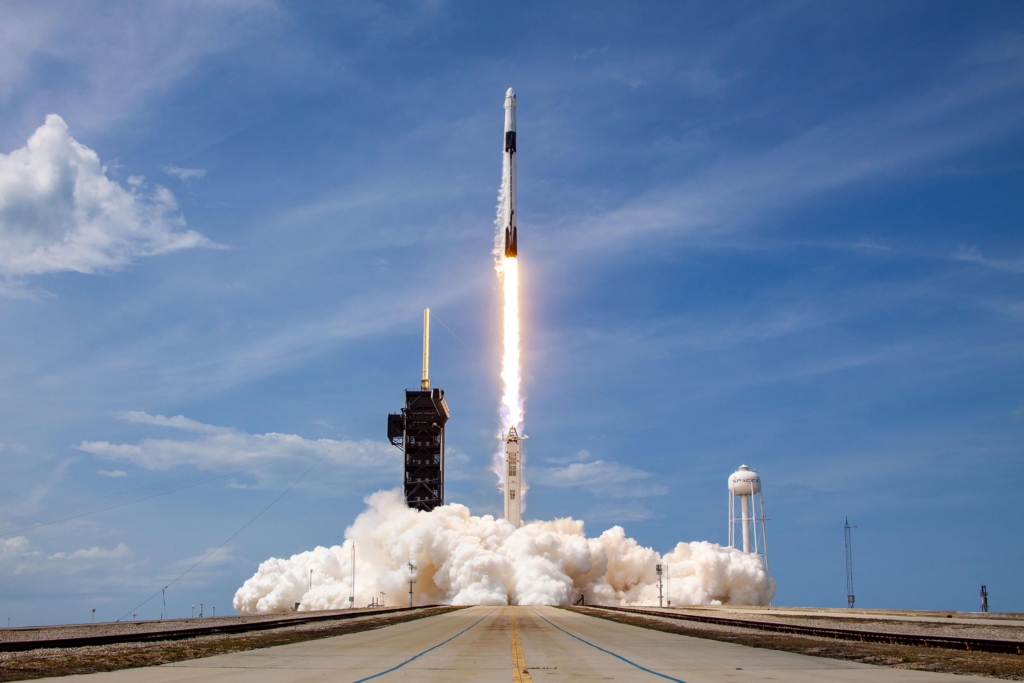
“Once Starship is flying reliably several times per week, it makes sense to shift super scarce SpaceX engineering and production resources to Starship to get launch rate to several times per day, which means winding down Falcon,” Musk said on August 22.
That transition will not happen immediately. Falcon 9 remains SpaceX’s operational workhorse and continues to carry commercial, government and crewed missions.
Starship, by contrast, remains in development. The more than 400ft launch system is designed to be fully reusable and ultimately carry satellites, cargo and people to Earth orbit, the Moon and Mars. SpaceX began flight testing the integrated vehicle in 2023.
The move of Florida Starlink launches therefore gives Starship a particularly important workload. Starlink has supplied Falcon 9 with a steady stream of missions and allowed SpaceX to launch whenever satellites were ready rather than waiting solely for outside customers.
The larger Starship is also intended to carry far more payload than Falcon 9, a capability that becomes increasingly important as SpaceX moves towards larger Starlink spacecraft.
SpaceX prepares Florida for Starship operations
SpaceX is already building the infrastructure needed to make the handover possible.
Work is underway for Starship operations at Launch Complex 39A at NASA’s Kennedy Space Center and Launch Complex 37 at Cape Canaveral Space Force Station. The company has been targeting its first Starship launch from Florida by the end of 2026. A large manufacturing facility known as Gigabay is also under construction at Kennedy.
SpaceX has also filed plans for a separate Starship static fire test facility near its Roberts Road operations at Kennedy Space Center. The proposed Project Ignition site covers about 101 acres west of Courtenay Parkway, although the project still faces regulatory reviews before construction can proceed.
The scale envisaged for Florida is far beyond the occasional Starship test flight. Musk said earlier in August that he expected Starship eventually to fly “at least one flight a day, possibly more” from Florida, potentially as soon as around a year from now.
For some time, Starship’s primary launch and development base remains SpaceX’s Starbase complex at Boca Chica, Texas.
SpaceX adds Louisiana to its Starship network
SpaceX used the same day as the final Florida Falcon 9 Starlink flight to announce another major piece of its Starship expansion.
The company unveiled plans for “Starbase, Louisiana”, describing it as “a high-cadence launch site that will enable Starship to open a pathway to the stars for humanity.”
Introducing Starbase, Louisiana – a high-cadence launch site that will enable Starship to open a pathway to the stars for humanity.
— SpaceX (@SpaceX) August 25, 2026
Thank you to @LAGovJeffLandry and the great people of Louisiana for all of their support as we work together on this audacious project →… pic.twitter.com/hq308hvg2g
SpaceX said the Louisiana site would eventually support thousands of Starship flights each year, with missions to Earth orbit, the Moon, Mars and beyond. The company thanked Louisiana Governor Jeff Landry and the state for supporting the project.