BETA’s ALIA A250 cleared for customer demonstration flights in FAA first

5 min read

BETA Technologies has secured a landmark authorisation from the US Federal Aviation Administration (FAA) to conduct flight operations with prospective customers and other key stakeholders using its all-electric ALIA VTOL aircraft, known as the A250.
Announced on 21 October, the approval is the first Special Airworthiness Certificate for market surveys granted to an electric vertical take-off and landing (eVTOL) aircraft.
It allows BETA to demonstrate the aircraft to operators and other stakeholders, helping them assess its potential applications as the company progresses towards full certification and commercial operations.
The milestone builds on BETA’s earlier FAA authorisation for its conventional take-off and landing (CTOL) aircraft and reflects the company’s growing operational experience across both platforms.
First flight completed under new authorisation
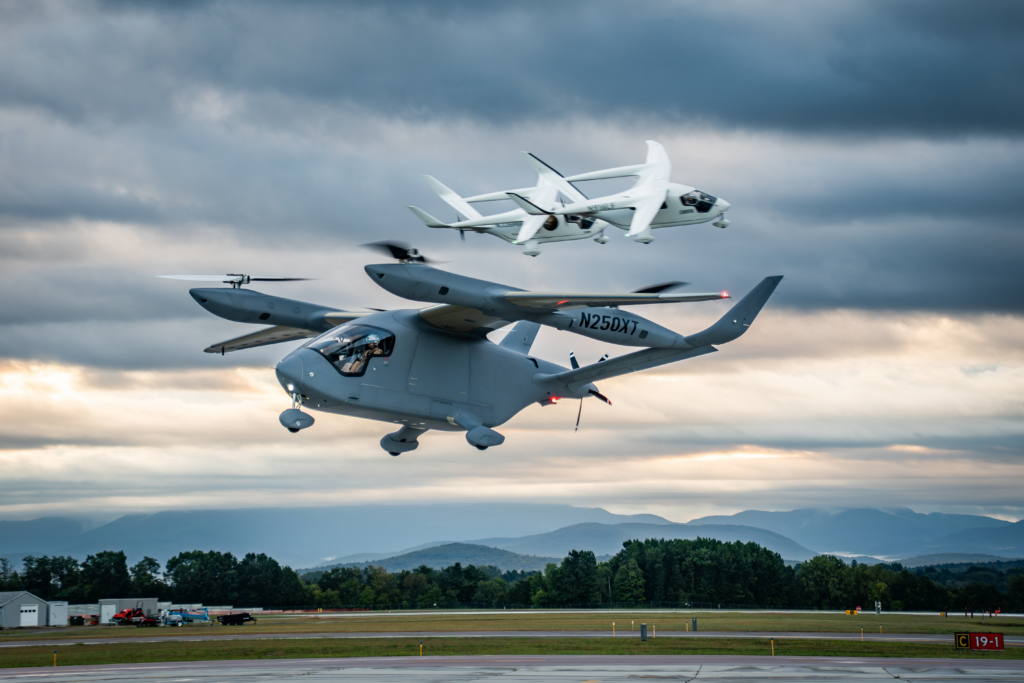
The A250 completed its first flight under the new FAA authorisation on 20 October, demonstrating the aircraft’s ability to combine vertical take-off and landing (VTOL) with conventional, wing-borne flight.
The aircraft departed vertically from Plattsburgh International Airport (PBG) in New York before transitioning to wing-borne flight and landing vertically at Patrick Leahy Burlington International Airport (BTV) in Vermont. The journey covered 34 nautical miles in 20 minutes.
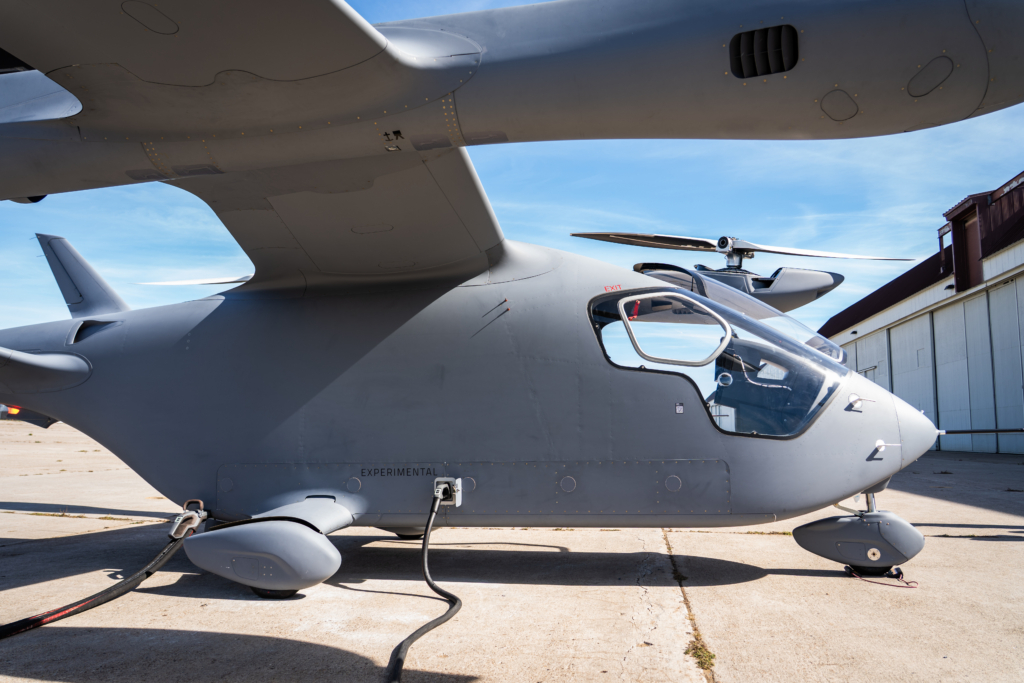
The flight represents an important practical demonstration of the new approval, which expands the opportunities for BETA to showcase the aircraft in real-world operating environments.
According to BETA, its CTOL and VTOL aircraft have collectively flown more than 250,000 nautical miles, providing an established operational record as the company works towards wider deployment of its electric aircraft.
What the FAA approval means
Issued under Part 21 of the FAA’s regulations, the Special Airworthiness Certificate for market surveys permits BETA to conduct authorised flights with operators and key stakeholders.
These flights will allow prospective customers to experience the A250 first-hand, evaluate its capabilities and begin exploring how electric vertical flight could fit into their operations.
The approval also broadens the geographic scope of BETA’s flight activities, offering greater flexibility to demonstrate the aircraft across a wider range of operating conditions, subject to applicable FAA limitations.
Importantly, the authorisation is different from full type certification or unrestricted commercial approval. Instead, it creates an opportunity for BETA to build operational experience, develop customer relationships and gather practical insights as it continues through the regulatory process.
Kyle Clark, BETA’s founder and chief executive officer, described the milestone as another first for the company. “This authorisation brings vertical flight closer to the people and places that will put it to work, building on BETA’s history of industry firsts,” Clark said.
He added that the approval would allow operators to experience the aircraft directly and begin planning potential applications, from connecting communities to transporting people and goods at lower cost.
An electric aircraft designed for flexible operations
BETA’s A250 is designed to operate from locations with or without runway access, potentially opening up routes and destinations that are difficult to serve using conventional aviation infrastructure.
The aircraft features an all-electric propulsion system and shares a common technological foundation with BETA’s ALIA CTOL model. Both aircraft use the same core propulsion systems, flight control computers, batteries and charging systems.
This shared architecture allows experience gained from one aircraft to inform the development and operation of the other. It also enables BETA to build on existing manufacturing investment and charging infrastructure rather than developing entirely separate systems for each platform.

The A250 has dual pilot controls and is designed to carry up to five passengers and more than 1,200 pounds of cargo. Its intended applications include cargo and logistics, medical transportation, defence and passenger services.
BETA says its approach prioritises simplicity and efficiency, with the aim of delivering lower operating costs, high reliability and competitive range and payload capabilities.
Why this matters: bringing electric aviation closer to everyday use
The latest authorisation matters because the transition from aircraft development to commercial aviation depends on more than proving that a vehicle can fly. Operators also need opportunities to understand how an aircraft performs, assess its suitability for specific routes and missions, and determine whether it can work within their existing operations.
For electric VTOL aircraft, this real-world evaluation is particularly important. Their ability to take off and land vertically could offer greater flexibility in accessing locations without conventional runways, while electric propulsion has the potential to reduce operating costs compared with some existing aircraft.
These characteristics could be valuable for time-sensitive cargo deliveries, medical transport and connections between communities where conventional air services are limited or difficult to establish.

However, the practical benefits will depend on factors including certification, infrastructure, aircraft performance, operating economics and the requirements of individual missions.
The new approval does not resolve all these challenges, but it gives BETA and prospective operators a clearer route towards evaluating the technology in practice.
It also highlights the role of aviation regulators in enabling innovation while maintaining safety standards. FAA Administrator Bryan Bedford said the agency was committed to working with American innovators to integrate new aircraft safely into the national airspace.
US Transportation Secretary Sean P. Duffy similarly described the certification as a critical step towards the future of flight in America, recognising the work of the FAA’s safety team.
The road towards commercial operations
BETA’s latest milestone follows its earlier market survey authorisation for the ALIA CTOL aircraft and its completion of a crewed electric VTOL transition flight in 2024.
The company will now be able to expand its engagement with prospective customers and stakeholders while continuing to build flight experience and validate its technology across different applications.

The longer-term objective remains full type certification and commercial operations. Achieving that goal will require continued regulatory progress and further evaluation of the aircraft’s performance and suitability for its intended markets.
In the meantime, the FAA’s approval marks a significant step forward for BETA and the wider electric aviation sector. By enabling prospective operators to experience the A250 in flight, it moves electric vertical aviation beyond technology demonstration and closer to practical assessment for future services.