Airbus H140 completes US hot-and-high tests ahead of 2028 deliveries

4 min read
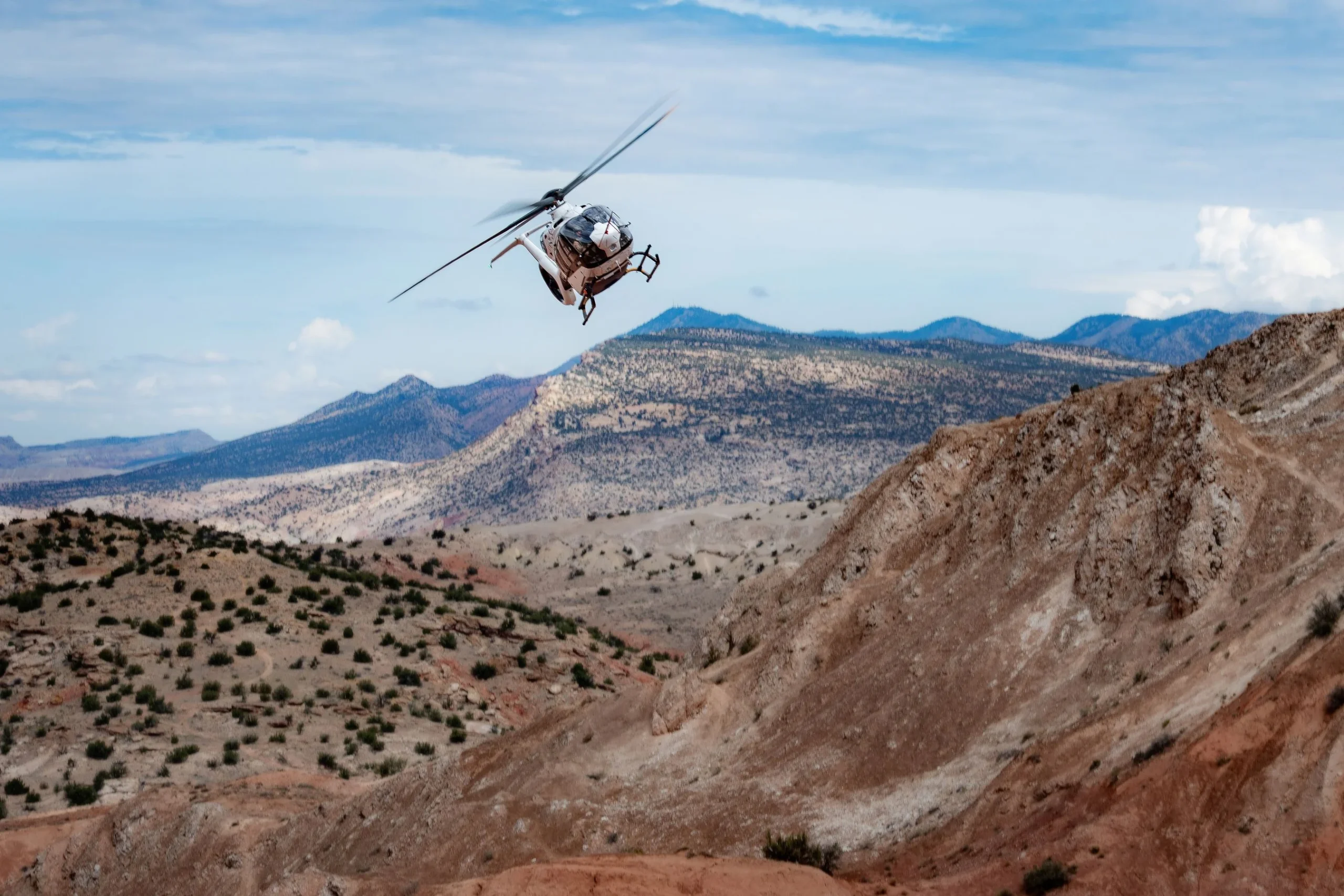
Airbus Helicopters has completed a four-month flight test campaign in the United States for its new H140, putting the twin-engine helicopter through temperatures exceeding 45°C and operations above 13,000 feet as the manufacturer works towards certification and first customer deliveries in 2028.
The campaign, which ran from 13 June to 8 October, covered three locations in the American Southwest and Rocky Mountains. Engineers recorded more than 130 flight hours and completed over 800 landings, gathering performance data to support certification and establish the helicopter’s approved operating envelope.
H140 chief engineer Christian Wehle described the exercise as one of the most demanding undertaken by Airbus Helicopters.
“This was one of the most extensive and rigorous rotorcraft certification campaigns we have ever executed,” he said in an Airbus update published on 20 October.
The results are particularly important for the H140, a new helicopter in the three-tonne class designed primarily for emergency medical services. Such aircraft must often operate from confined landing sites, including hospital helipads and remote locations, while carrying patients, medical equipment and personnel.
H140 hot-and-high testing spans three US locations
The US campaign began in Lake Havasu City, Arizona, where temperatures reached 45°C and above during June and July.
High temperatures are a particular challenge for helicopters because hot air is less dense, reducing both engine performance and the lift generated by the rotor blades.
The aircraft was then flown to Leadville, Colorado, where the airport sits at approximately 10,000 feet above sea level. Tests also took place around Mount Pennsylvania at altitudes exceeding 13,000 feet.
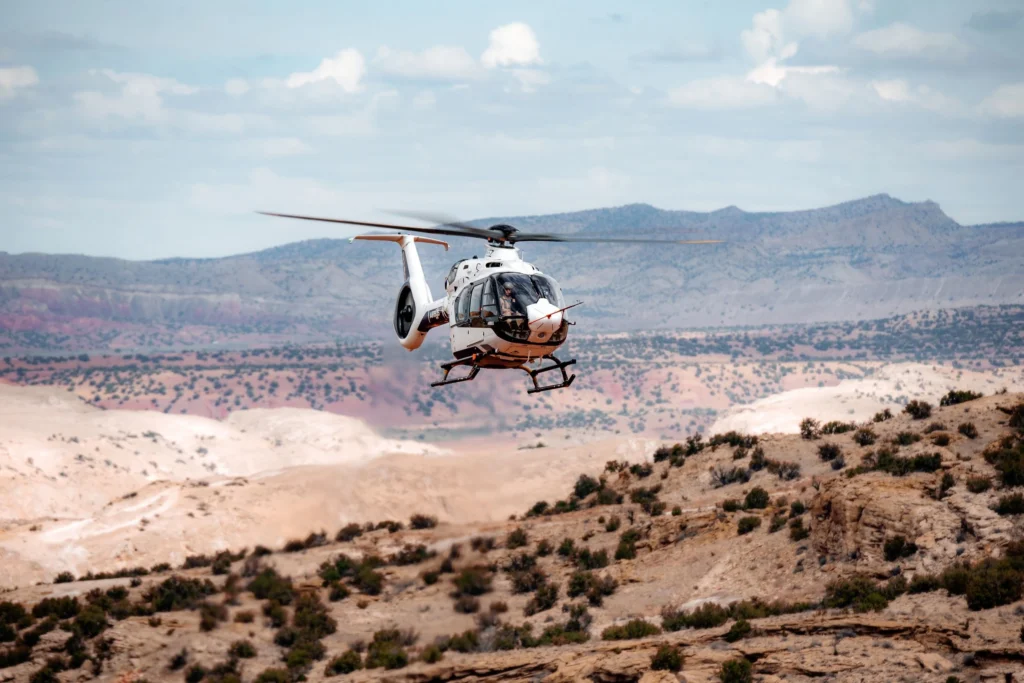
Engineers examined how the helicopter handled hovering, takeoffs, and landings under demanding combinations of altitude and payload.
The third phase took place in Albuquerque, New Mexico, where the team tested at density altitudes of around 7,000 to 9,000 feet.
Density altitude is pressure altitude corrected for non-standard temperature. A helicopter operating at a relatively modest geographical altitude can experience conditions equivalent to a much higher elevation when temperatures are elevated.
Wehle said the Albuquerque conditions were particularly relevant to future operators.
Flight tests establish H140 performance data
Engineers compared actual flight performance with computer models developed during the aircraft’s design. Testing began at lower aircraft weights, with the load increased progressively to establish performance under the conditions being tested.
“Very often we reach values very close to our predictions,” Wehle said.
“The primary value of these tests lies in generating reliable and approved performance data,” he added.
The results will eventually be incorporated into the helicopter’s approved flight manual and electronic performance applications, helping pilots establish how much weight they can safely carry under particular combinations of altitude, temperature and wind conditions.
The campaign involved approximately 40 flight test personnel, prototype mechanics and quality assurance specialists.
Testing at altitude required periods of virtually no wind to obtain accurate hover performance measurements. Crews frequently began flying before sunrise, with dual-shift operations continuing until after sunset.
The team also assessed how the helicopter performed after standing in intense heat, when its structure and systems had absorbed high temperatures before engine start.
Despite the demanding conditions, Wehle said the aircraft demonstrated “very good reliability”.
H140 design targets emergency medical operators
Unveiled at Verticon in March 2025, the H140 is Airbus Helicopters’ first completely new helicopter model in almost a decade.
It is positioned between the smaller H135 and the larger H145, offering operators another choice in the light twin-engine market.
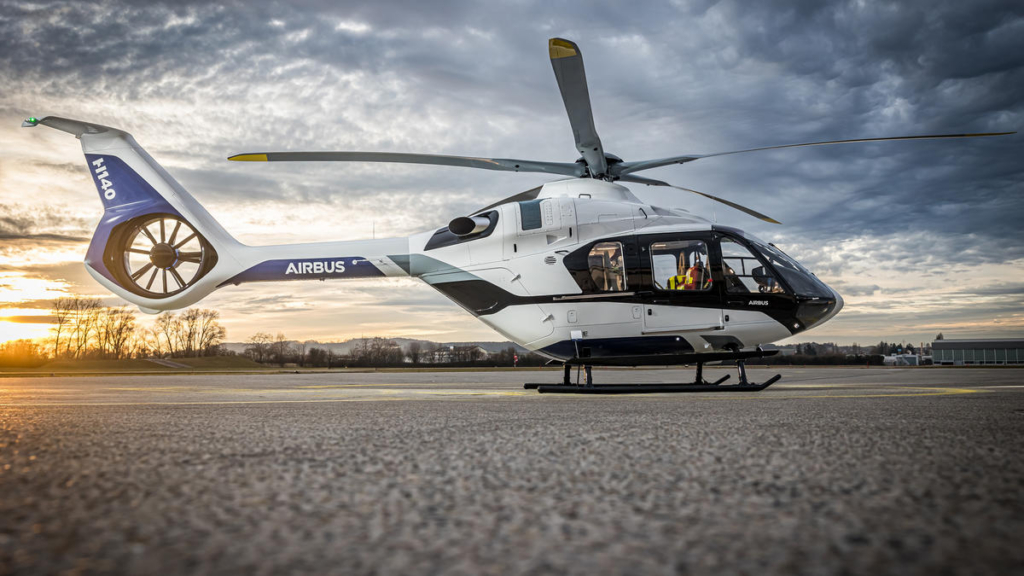
Developed in consultation with emergency medical service providers, it has a maximum take-off weight of 3,175 kg and two Safran Arrius 2E engines, each rated at approximately 700 shaft horsepower.
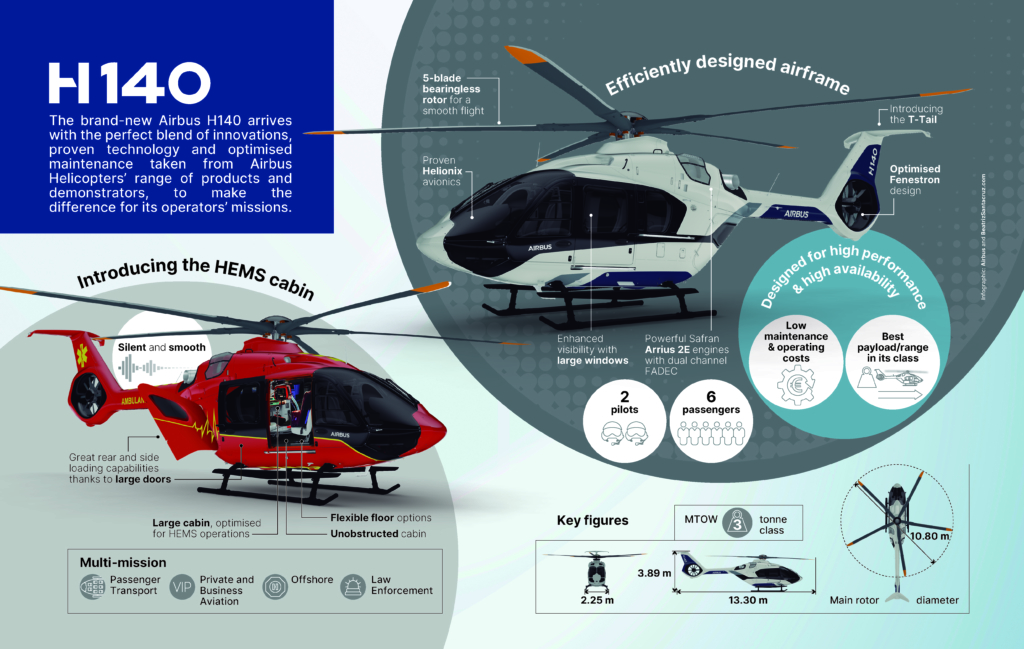
A five-blade main rotor, derived from the H145, is designed to reduce vibration. Airbus says the distinctive T-shaped tail design provides a hover performance benefit equivalent to up to 80 kg of additional lift without requiring extra engine power.
Inside, a flat cabin floor and large rear clamshell doors allow medical teams to load patients and arrange stretchers and equipment without major obstructions.
Airbus reported in April that the programme had attracted more than 100 customer commitments by the end of 2025, including 61 firm contracts.
H140 certification testing continues ahead of 2028 deliveries
The prototype used in America has returned to Donauwörth, Germany, ahead of further testing in extreme cold conditions in Finland and Norway during the coming winter.
The first prototype is also being prepared for a tie-down test, scheduled to begin around mid-2027. During this ground endurance exercise, the helicopter will be securely anchored while its transmission, rotor system, flight controls and drive shafts are operated under demanding conditions.
“While there is still substantial work ahead of us to achieve certification, our progress remains in line with our targeted delivery of the first aircraft to customers in 2028,” Wehle said.
Sign up for our newsletter and get our latest content in your inbox.


More from


October 17, 20264 min read