Rolls-Royce and UK Government commit £2.5bn to narrowbody jet engine programme

3 min read

The British Government and engine manufacturer Rolls-Royce have agreed a jointly funded £2.5 billion, ten-year programme to develop next-generation jet engines for single-aisle passenger and military aircraft.
Ministers say the deal will keep Britain at the forefront of the global aerospace industry, while also supporting tens of thousands of jobs.
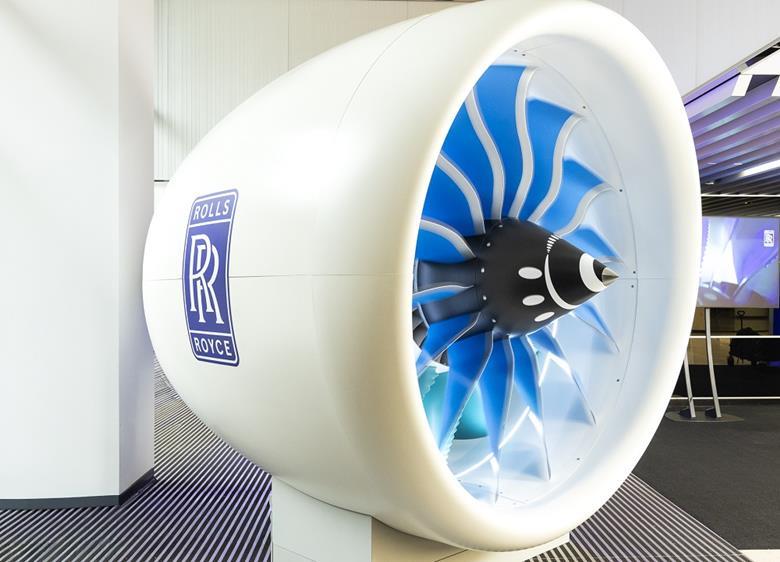
The Chancellor announced the agreement as he delivered his first Budget on Wednesday 28 October. The programme with Rolls-Royce lays out a multi-decade cooperation to develop new jet engines for single-aisle aircraft – the type that typically carry British travellers off on short- and medium-haul flights. Only a handful of nations and companies can build such engines.
Rolls-Royce reveals return to narrowbody aircraft engines
The agreement also follows Rolls-Royce’s own declaration of intent in March, when the company revealed its UltraFan 30 concept and said it was seeking up to £200 million in UK government support to help fund development and testing of the scaled demonstrator.
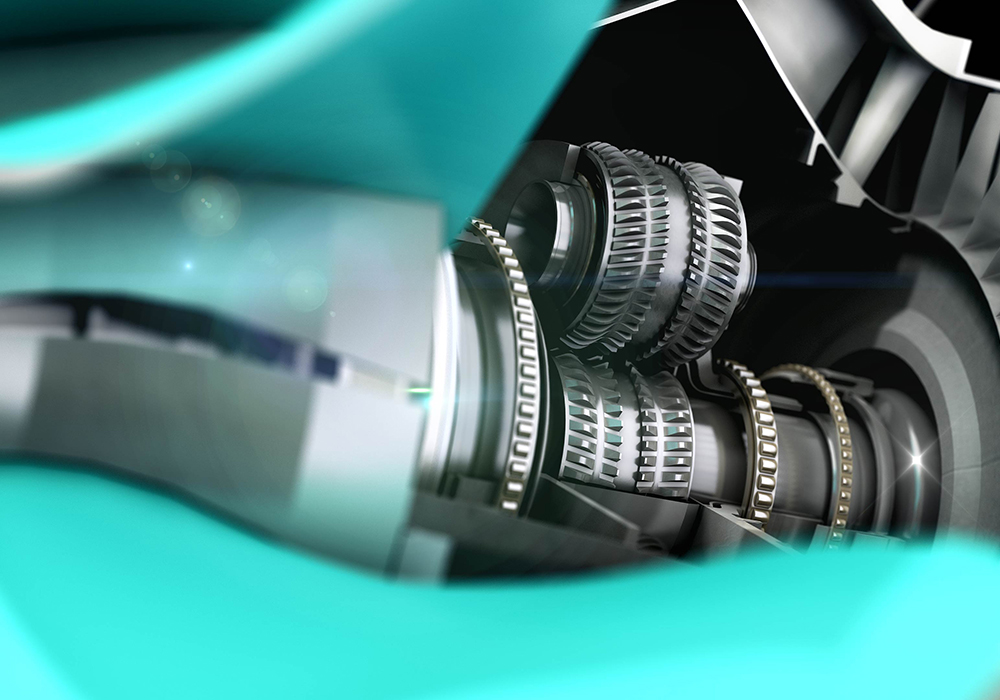
The geared turbofan is aimed squarely at the next generation of single-aisle aircraft, with Rolls-Royce arguing that narrowbody aircraft production is forecast to double over the next 25 years, representing a significant growth opportunity for UK aerospace manufacturing over the next half century.
Until now, the firm’s civil business has been dominated by widebody engines. The government backing provides the funding framework for that strategic shift to narrowbody engines and a clear industrial policy rationale.
Rolls-Royce says securing a UK engine on these planes could attract billions more in investment in the coming decades. It could also add £120 billion to the economy over the programme’s lifetime.
Single aisle planes to make up largest share of global civil aerospace market
According to the government, the programme will support 3,300 existing jobs by the end of 2029, with tens of thousands more created in the decades beyond.
Roles will range from engineering and research to manufacturing, from the design phase through to the factory floor. Officials say most of these will be outside London and the Southeast, creating employment opportunities elsewhere in the country and drawing on Rolls-Royce’s sites and supply chains nationwide.
The Aerospace Technology Institute expects the global civil aerospace market to be worth £220 billion a year by 2050, with single-aisle aircraft making up the largest share.

Prime Minister Andy Burnham said the deal underlined what reindustrialisation looks like in practice and gives businesses the certainty to invest. Business Secretary Jonathan Reynolds called it a “vote of confidence” in the Government’s economic plan and added it would ensure Britain wins the race to power the next generation of passenger planes.
Tufan Erginbilgic, CEO of Rolls-Royce, described the agreement as a “landmark moment” and a “once-in-a-generation opportunity.” He also noted it will lay the foundations for decades of sustainable economic growth across the UK, transform the country’s advanced manufacturing supply chain, and create high-value jobs.
“Aerospace is a growing and globally attractive market, and this programme with Government is vital to enable the UK to compete. Working together, we can also sustain the nation’s capability to power military aircraft and secure its position as one of only two countries that can design, develop, make and service the jet engines that power the world’s commercial airliners.”
During a period of growing geopolitical uncertainty and unrest, the programme will also help strengthen national security. The technologies developed, including advanced materials, electronic systems, advanced manufacturing, robotics and AI, could be applied to both civil and military engines.
The UK’s biggest aerospace opportunity over the next 50 years
The deal, which builds on a £100 million Aerospace Supply Chain fund announced this summer, also includes a commitment to ensure UK suppliers benefit directly.
Rolls-Royce spent more than £3 billion in its UK supply chain in 2025. Meanwhile, the UK aerospace sector employs around 113,000 people and contributes more than £46 billion a year to the economy.

The Government’s Industrial Strategy concludes that winning a UK-built engine on the next generation of single-aisle aircraft could be the UK aerospace sector’s biggest opportunity over the next 50 years.