

NASA’s Voyager 1 makes history, reaching one light-day from Earth after 49 years

9 min read
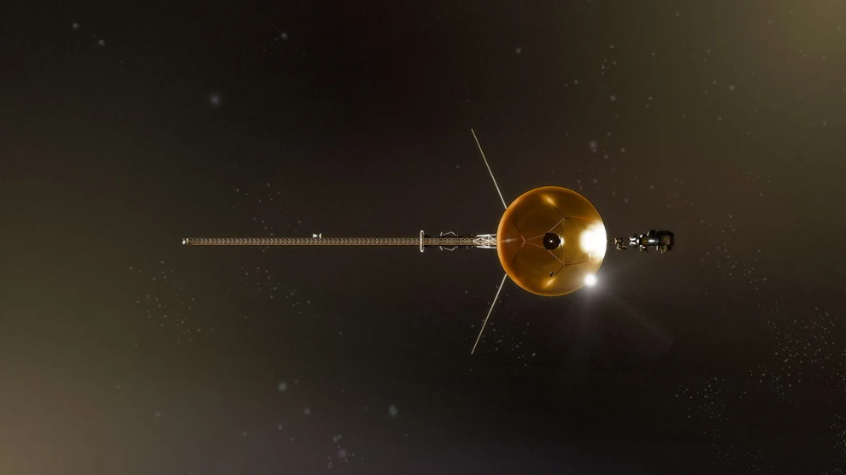

NASA’s Voyager 1 spacecraft has reached a distance of one light-day from Earth, becoming the first human-made object to travel so far into space, nearly half a century after setting off on a mission originally intended to explore Jupiter and Saturn.
The historic milestone was reached on Wednesday, 18 November, at 5:16:07 am Eastern Standard Time (10:16:07 GMT), when the spacecraft was approximately 16.094 billion miles (25.902 billion kilometres) from Earth, according to calculations by NASA’s Jet Propulsion Laboratory (JPL).
The distance is so enormous that light, travelling at nearly 300,000 kilometres per second, takes a full 24 hours to cross it. A radio message sent from Earth now needs an entire day to reach Voyager 1, with another day required for a reply to return.
Administrator of NASA Jared Isaacman said: “Voyager 1 is now one light-day from Earth, an extraordinary NASA achievement for a spacecraft assembled by human hands and launched nearly 50 years ago. As we celebrate this milestone, with Voyager continuing her journey through interstellar space at nearly 38,000 mph, consider what those brilliant minds made possible with the technology of 1977 and how much farther we should aspire to go with the tools, resources, and ambition of our time.”
Voyager 1 is now one light-day from Earth! Join @NASA scientists and mission leaders tomorrow, Nov. 19 at noon EST for a discussion about this historic milestone, the science Voyager 1 and 2 are still collecting in interstellar space, and the challenges of keeping these pioneering spacecraft operating. 📺: https://t.co/SL3B2oflwe
— NASA Science (@NASAScience_) November 18, 2026
Launched after Voyager 2 on 5 September 1977, Voyager 1 has spent 49 years, two months and 13 days travelling away from Earth, passing two giant planets, crossing the boundary of the Sun’s protective bubble and entering interstellar space.
The spacecraft remains operational, transmitting scientific measurements from a region no other mission has explored at such a distance.
Its achievement also offers a remarkable perspective on humanity’s progress in space. The farthest object ever built by humans has taken almost 50 years to reach a distance that light covers in just one day.
What exactly is a light-day, and why does it matter?
A light-day is a measure of distance rather than time. It represents how far light travels through a vacuum in 24 hours, approximately 16.0948 billion miles or 25.902 billion kilometres.
The Moon, by comparison, is only about 1.3 light-seconds from Earth. The Moon is 238,855 miles (384,400 kilometers) from Earth, on average. The astronauts on the Artemis II mission took about three days to get there.
Sunlight takes about eight minutes and 20 seconds to travel the 93 million miles from the Sun to Earth (about 150 million kilometers), meaning our nearest star is about 8.3 light-minutes away, while radio signals travelling between Earth and Mars can take anywhere from three to 22 minutes, depending on the planets’ positions.
Voyager 1 is now vastly farther away
Its distance creates extraordinary challenges for NASA engineers, who must operate an ageing spacecraft without the possibility of immediate communication.
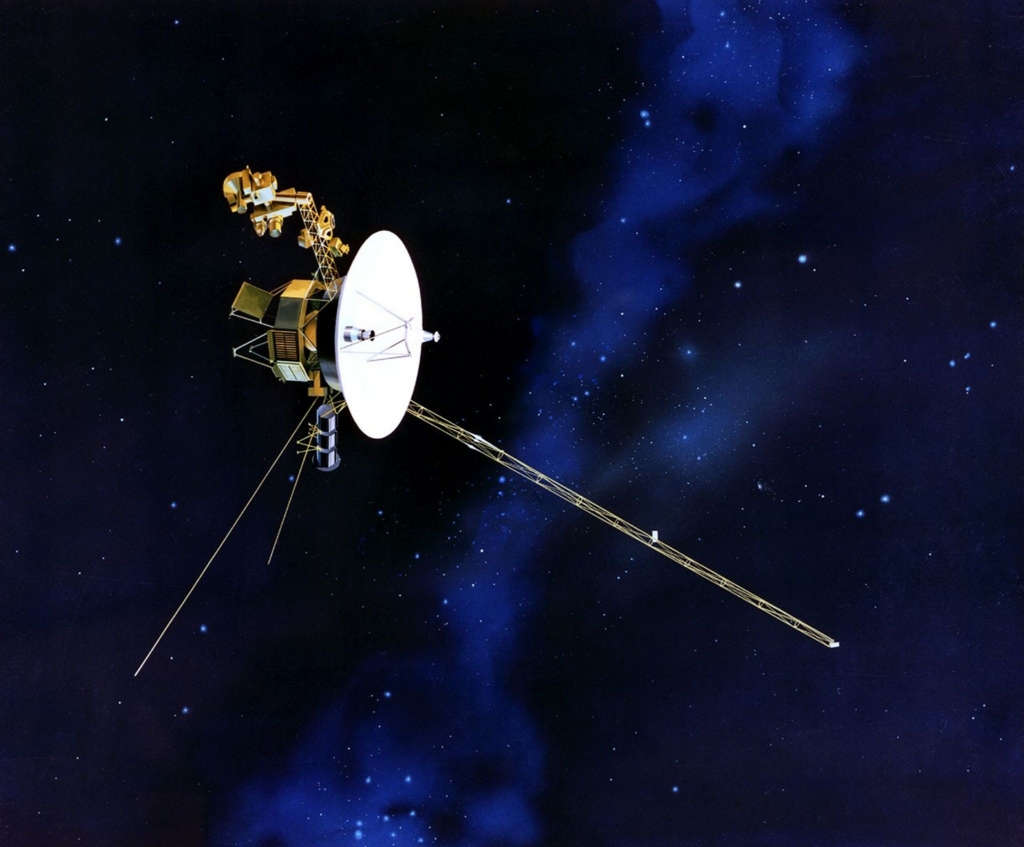
A command transmitted from Earth today will not reach Voyager until tomorrow. Even if the spacecraft responds immediately, controllers must wait another 24 hours to receive confirmation.
Voyager project manager Suzanne Dodd illustrated the difficulty in a comment published by NASA. “If you want to say ‘hello’ to Voyager, you send your message and then you go home and you wait two days before you finally get a response,” Dodd said.
The mission relies on NASA’s Deep Space Network, a system of large radio antennas that communicates with distant spacecraft.
Despite the growing communication delays and the weakening electrical supply aboard Voyager, the mission continues to provide information about conditions beyond the Sun’s immediate influence.
Voyager 1 launched after Voyager 2, but because of a faster route it exited the solar system earlier than its twin. Voyager 1 overtook Voyager 2 on Dec. 15, 1977.
Did you know that Voyager 2 was launched before Voyager 1?
One of the curiosities of the Voyager programme is that Voyager 2 actually left Earth first.
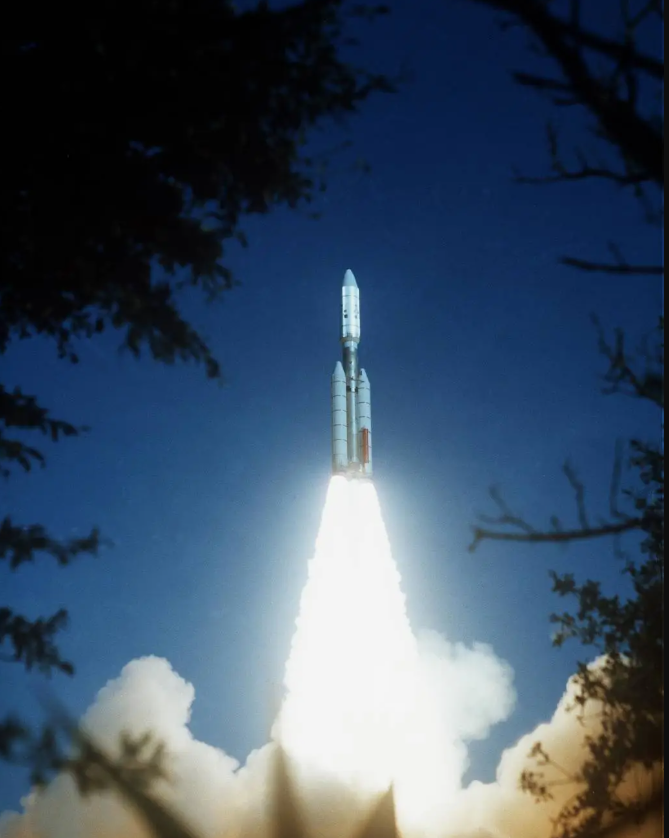
Voyager 2 launched from Cape Canaveral on 20 August 1977, followed by Voyager 1 on 5 September, just over two weeks later.
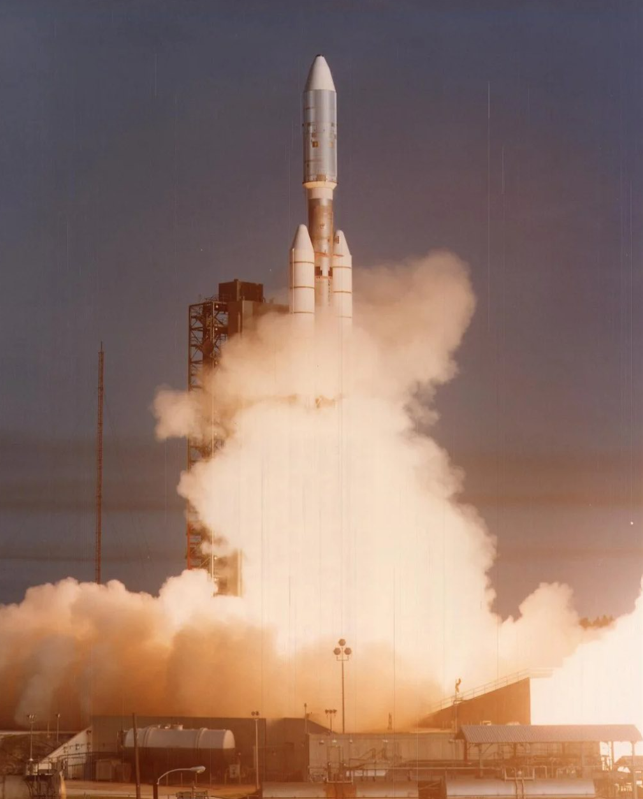
The numbering was determined by their planned trajectories rather than launch order.
Voyager 1 was placed on a faster route that would take it to Jupiter and Saturn ahead of its twin. It overtook Voyager 2 in December 1977 and reached Jupiter in March 1979, followed by Saturn in November 1980.
Voyager 2 followed a different trajectory that allowed it to continue beyond Saturn and visit Uranus in 1986 and Neptune in 1989. It remains the only spacecraft to have visited those two planets.
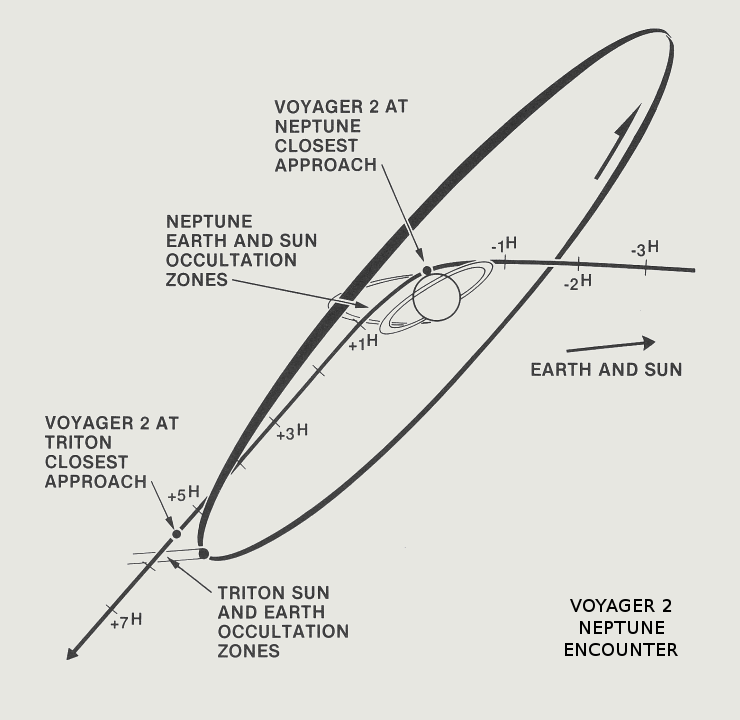
Both spacecraft used gravitational assists from the giant planets to alter their trajectories and increase their speeds without requiring large amounts of additional fuel.
Voyager 1 subsequently travelled away from the planetary region on a trajectory that has kept it ahead of its twin.
Voyager 2 is expected to reach the one-light-day distance in November 2035, nine years after Voyager 1.
Where is Voyager 1 now, and where is it heading?
Voyager 1 crossed the heliopause in August 2012, becoming the first spacecraft to enter interstellar space.
The heliopause marks the outer boundary of the heliosphere, the vast bubble created by the solar wind and the Sun’s magnetic influence.
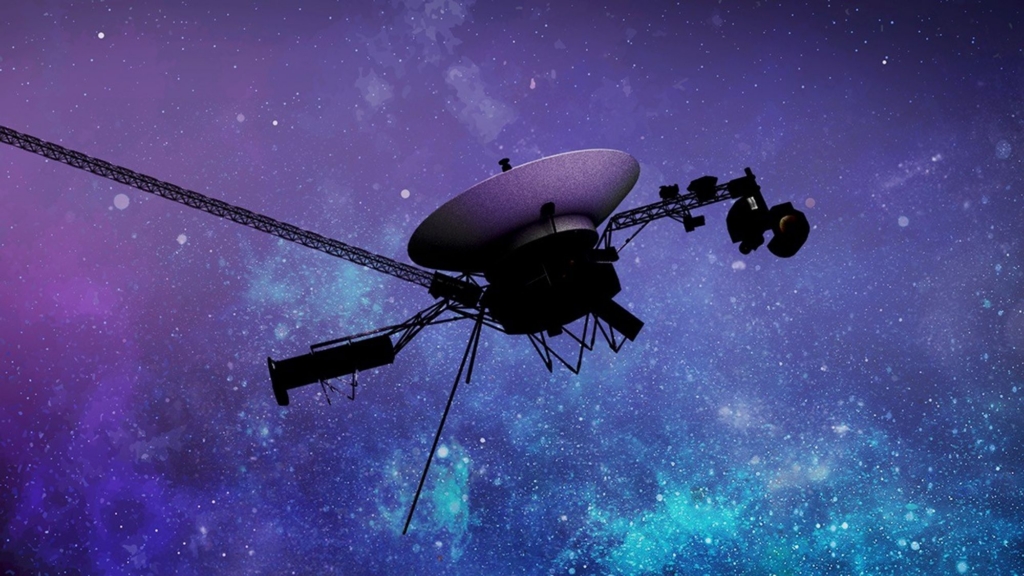
Beyond that boundary, the environment is increasingly dominated by particles and magnetic fields originating outside the heliosphere.
Voyager 2 crossed the same boundary in November 2018. The two spacecraft remain the only human-made probes to have operated in interstellar space.
However, entering interstellar space does not mean Voyager has completely left the solar system in every scientific sense. The distant Oort Cloud, a vast region of icy bodies believed to surround the Sun, lies much farther away.
Voyager 1 is currently travelling at approximately 38,000 mph (61,000 km/h) relative to the Sun.
Its trajectory takes it towards the general direction of Gliese 445, a star in the constellation Ursa Minor.
NASA estimates that Voyager 1 will pass within approximately 1.7 light-years of that star in about 40,000 years.
By then, the spacecraft will have long since stopped communicating with Earth, but it will continue travelling through the galaxy.
What has Voyager 1 discovered during its journey?
Voyager 1’s original mission was to study Jupiter and Saturn, but its discoveries helped transform scientists’ understanding of the outer solar system.
During its Jupiter encounter in 1979, the spacecraft discovered a faint ring around the planet and two previously unknown moons, Thebe and Metis.
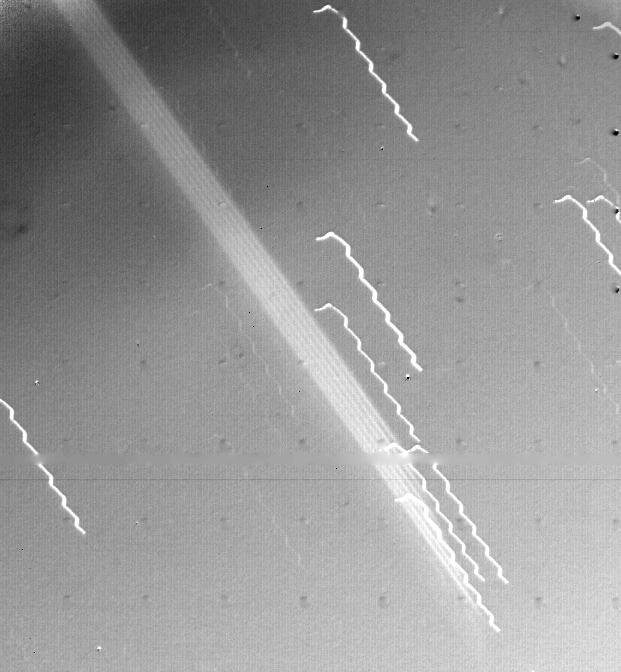
It also returned detailed images of Jupiter’s turbulent atmosphere and its moons, including Io, Europa, Ganymede and Callisto.
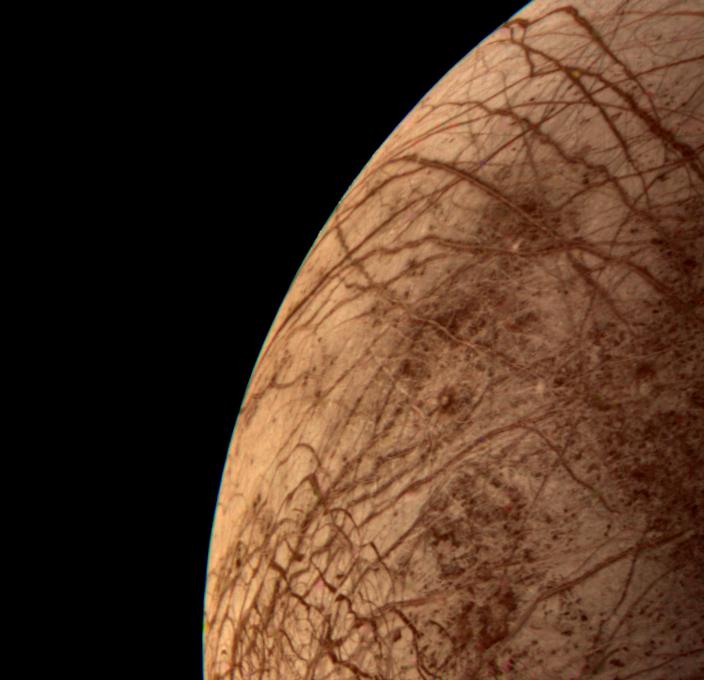
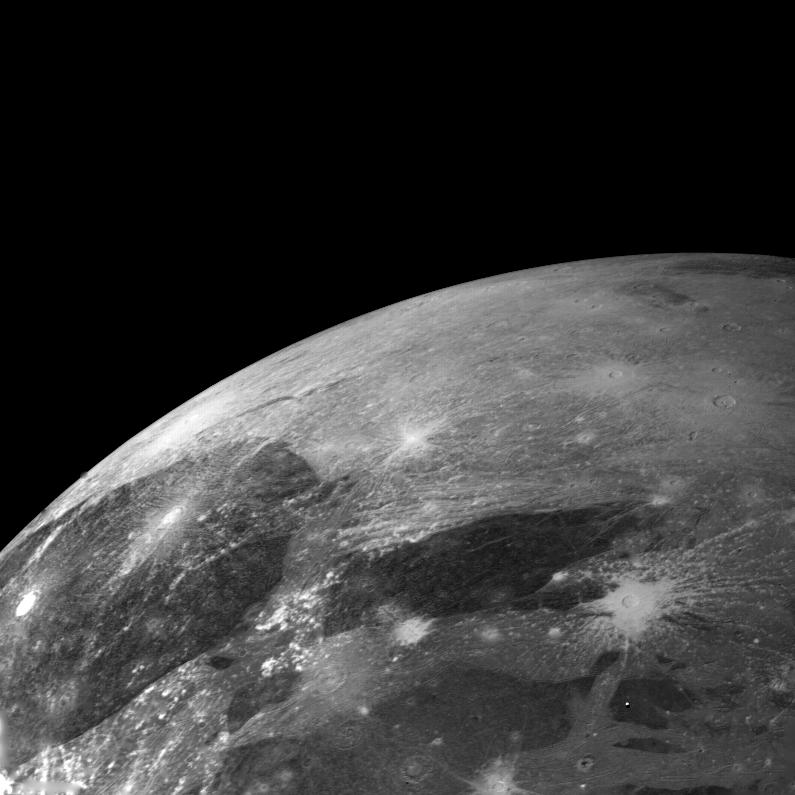
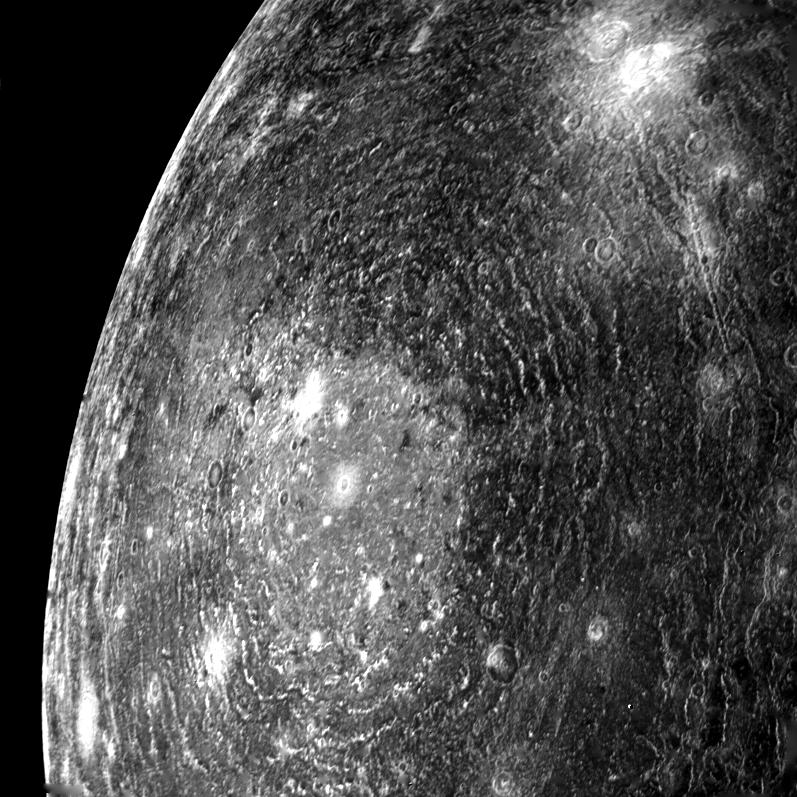
At Saturn in 1980, Voyager 1 discovered five additional moons, examined the planet’s complex ring system and studied Titan, Saturn’s largest moon.
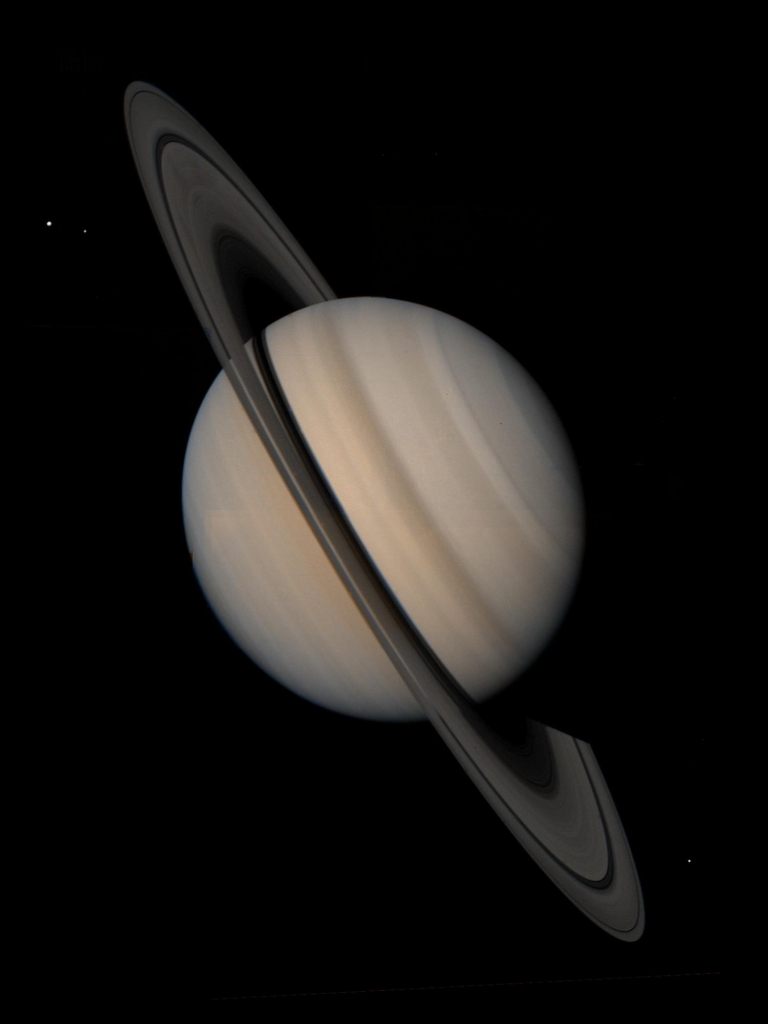
Its observations revealed Titan’s thick, nitrogen-rich atmosphere, containing methane and other compounds of interest to scientists studying the chemistry associated with the origins of life.
One of Voyager 1’s most memorable contributions came in 1990, when it turned its camera back towards the inner solar system.
From approximately six billion kilometres away, it photographed Earth as a tiny speck against the darkness of space.
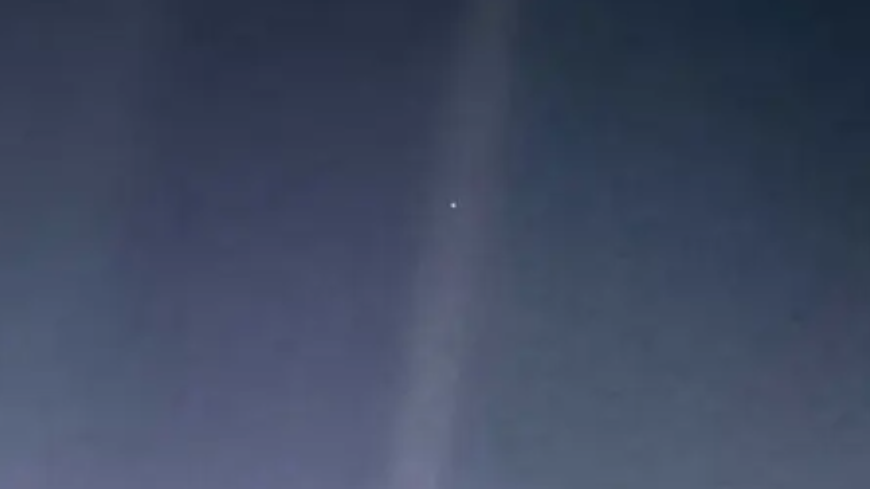
The image became known as the Pale Blue Dot, a reminder of how small our planet appears from the distant reaches of the solar system.
What is the personal message Voyager is carrying and for whom?
Voyager 1 carries something considerably more personal than scientific instruments: a message from Earth intended for anyone who might discover the spacecraft in the distant future.
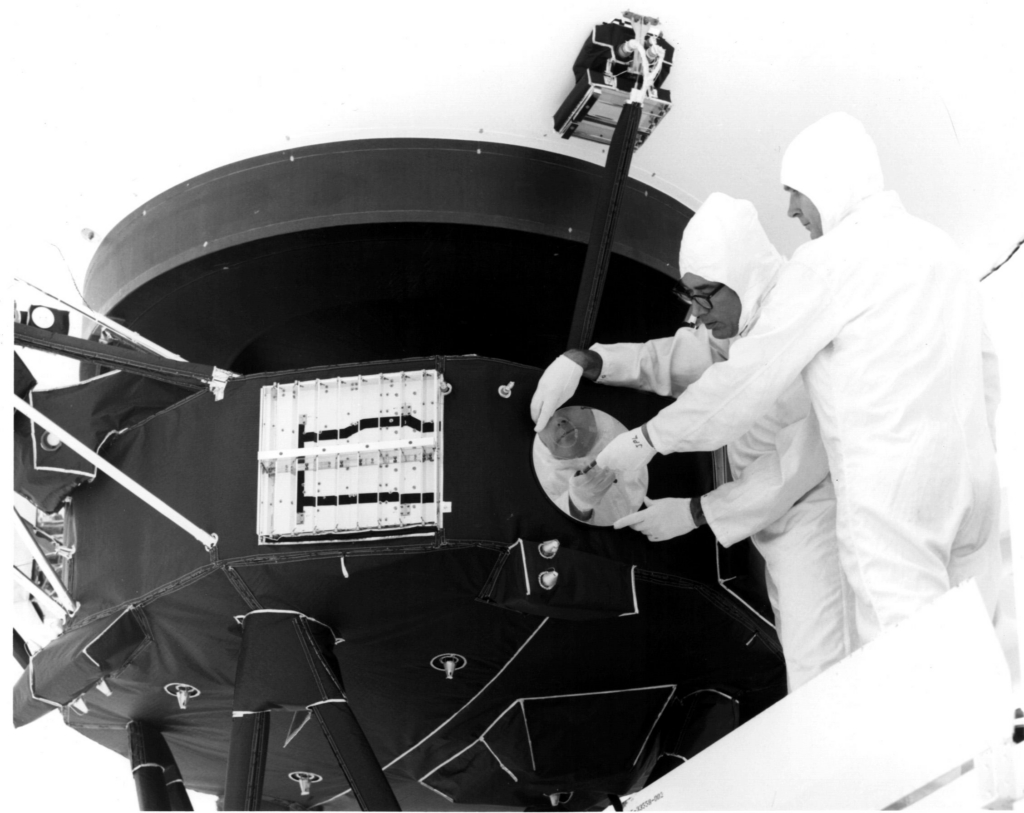
Mounted aboard both Voyager probes is a 12-inch gold-plated copper phonograph disc known as the Golden Record.
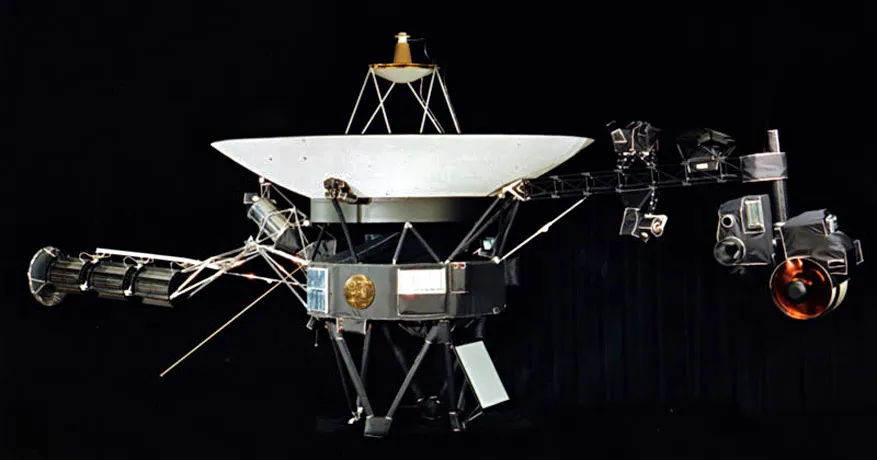
The record was assembled by a committee led by astronomer Carl Sagan of Cornell University. Its purpose was to introduce Earth, its people and its cultures to any technologically advanced civilisation that might eventually encounter it.
The record contains 115 images depicting life on Earth, along with natural sounds including ocean waves, wind, thunder, birdsong and whales.
There are spoken greetings in 55 languages, alongside 90 minutes of music representing different cultures and periods of human history.
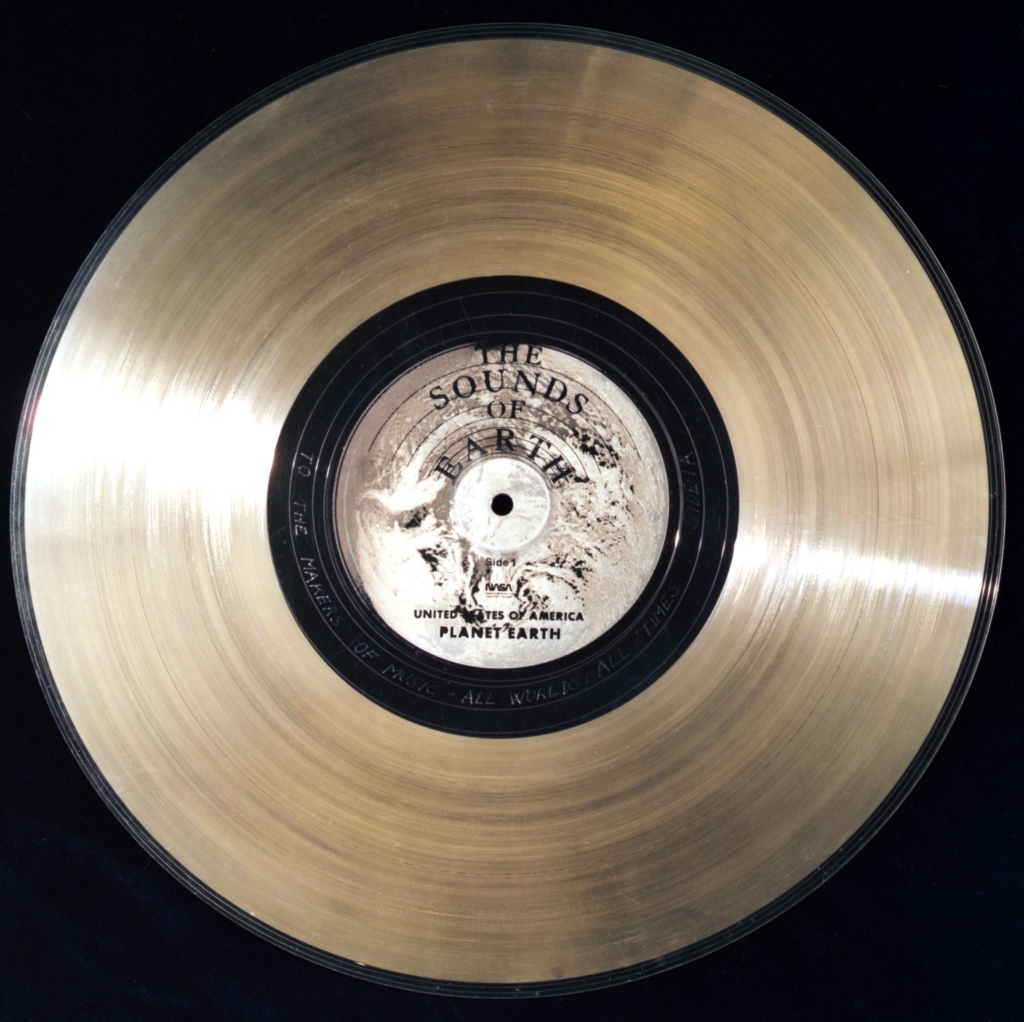
The musical selections range from classical compositions by Bach and Mozart to Chuck Berry’s Johnny B. Goode, as well as traditional music from different parts of the world.
The disc also carries messages from then US President Jimmy Carter and United Nations Secretary-General Kurt Waldheim.
Instructions engraved on its protective cover explain how to play the record and provide clues about Earth’s location using pulsars, rapidly rotating neutron stars that emit regular signals.
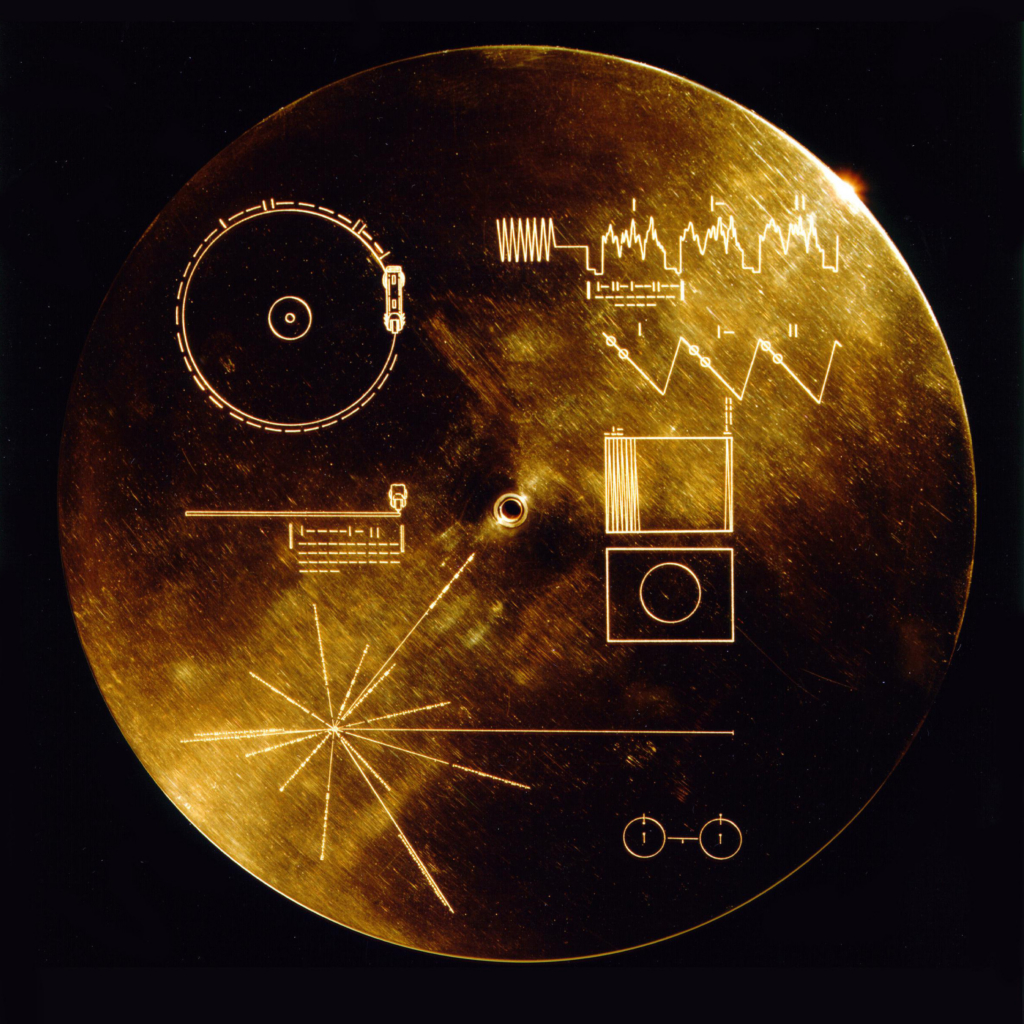
The record is not broadcasting anything into space. It can only be discovered and played if another civilisation physically encounters the spacecraft.
Sagan acknowledged the extraordinary odds of such an encounter, but saw the record as an expression of hope.
“The launching of this bottle into the cosmic ocean says something very hopeful about life on this planet,” he said.
How much longer can Voyager 1 continue operating?
Voyager 1 has survived far beyond its original mission, but keeping the spacecraft operational has become increasingly difficult.
Its electricity comes from radioisotope thermoelectric generators, which convert heat produced by the natural decay of plutonium-238 into electrical power.
That output gradually declines with time.
NASA engineers have been switching off instruments and other systems to conserve electricity, prioritising measurements that can still contribute to interstellar research.
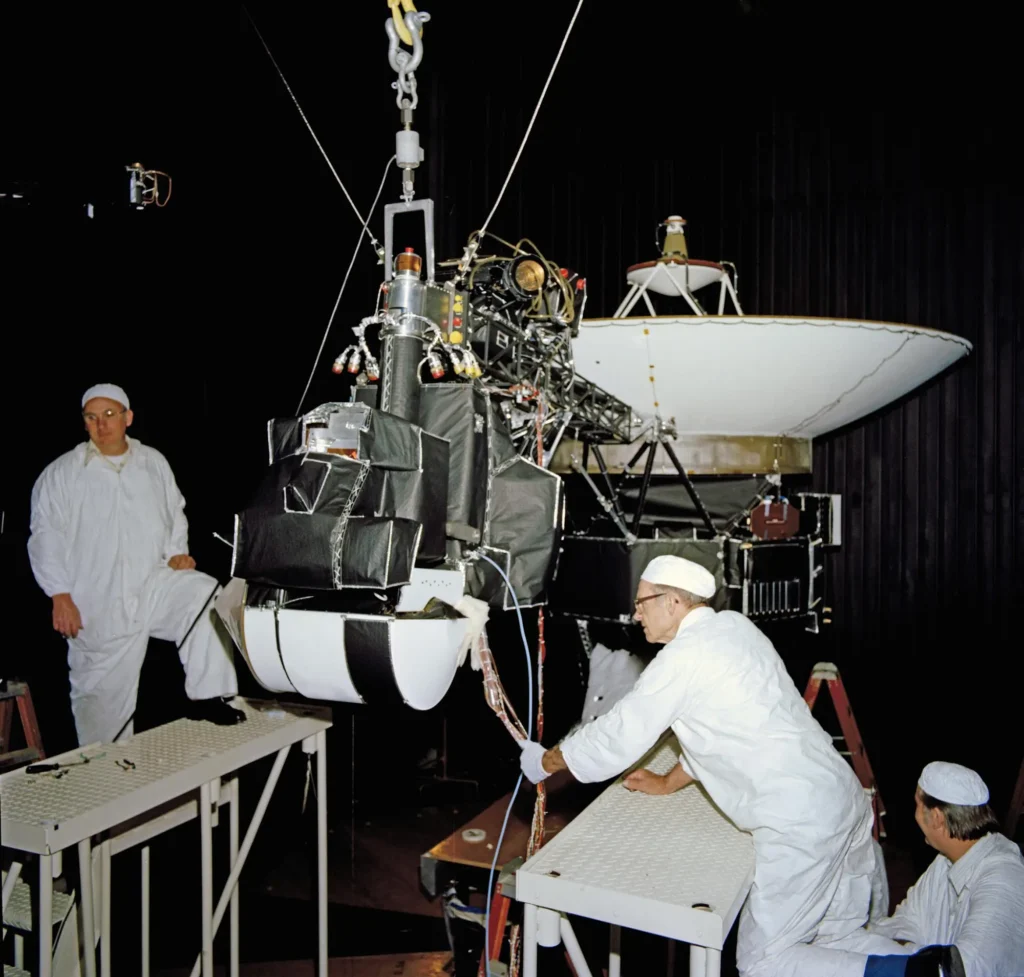
According to NASA’s instrument-status update of April 2026, Voyager 1’s magnetometer and plasma wave subsystem remained operational, while its cosmic ray and low-energy charged particle instruments had been switched off to save power.
The spacecraft’s cameras were turned off in 1990 after completing their planetary observations.
Engineers hope to keep at least some scientific instruments operating into the 2030s, although declining power and the spacecraft’s age make its eventual shutdown unavoidable.
Even after Voyager 1 falls silent, it will continue moving through space.
The Golden Record will remain aboard, carrying photographs, greetings and music from a planet that will be unimaginably far behind it.
Nearly 50 years after leaving Earth, Voyager 1 has travelled farther than any other spacecraft. Yet its latest milestone also shows just how vast the universe remains.
Sign up for our newsletter and get our latest content in your inbox.