


Virgin Atlantic calls on UK government to “take a closer look” at “outrageous” Heathrow terminal changes

4 min read
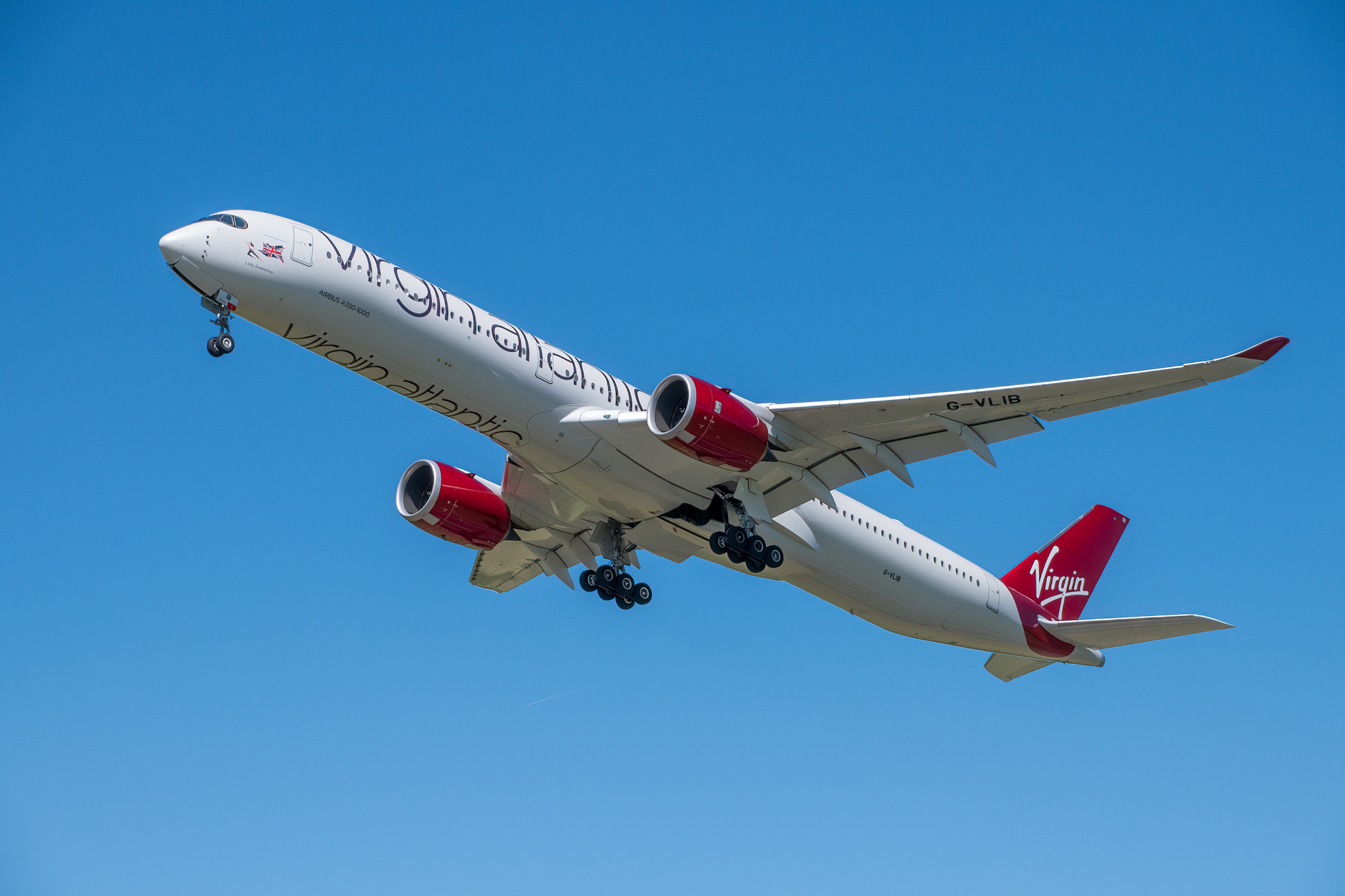
Virgin Atlantic’s Chief Executive Officer (CEO) Corneel Koster has called on the UK government to “take a closer look” at London Heathrow Airport’s decision-making following recently announced plans to redistribute airlines across its terminals. The decision sees Virgin Atlantic being separated from joint venture partner Delta Air Lines which would move from terminal 3 to terminal 4.
Virgin founder Richard Branson previously deemed the move “short-sighted” and urged the airport to reverse its plan which would come into effect in 2028. The company is Heathrow’s second-largest carrier after British Airways which is unaffected by these changes.
Virgin Atlantic encourages government to “take a closer look”
“We would urge the government to take a closer look at this,” Koster told the Airlines 2026 conference in London on Wednesday. He argued that this was no longer a reasonable commercial discussion with the airport.
“Heathrow refuses to engage commercially,” he added. “If you know Virgin Atlantic, we’re not going to sit quietly between a rock and a hard place. We’re going to challenge this extremely hard.”
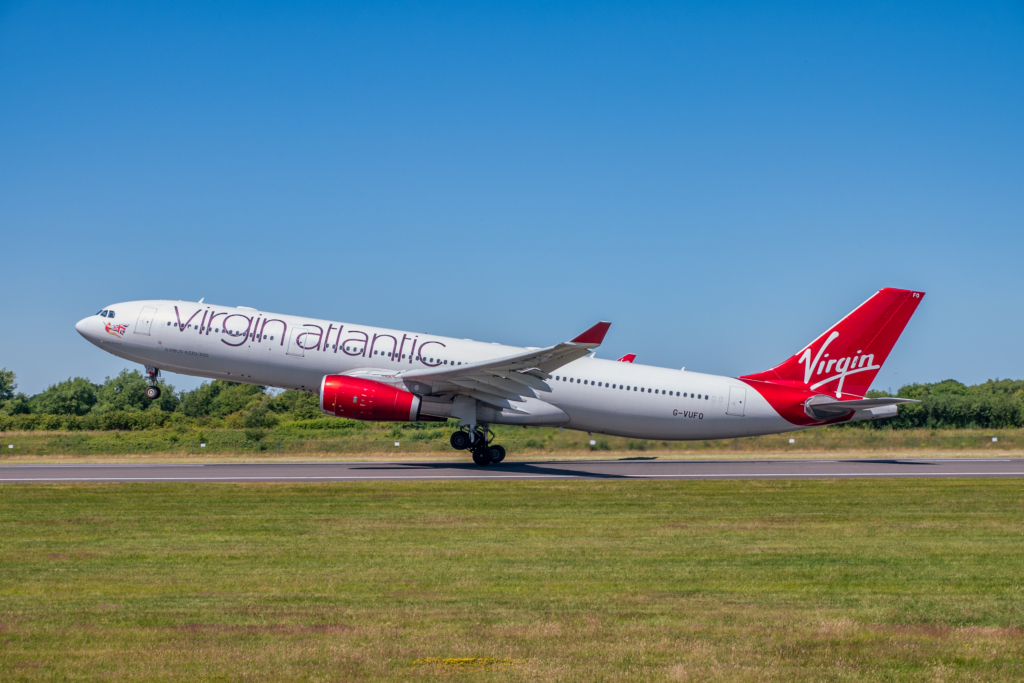
“There is no way that we will ever accept this,” Koster said, referring to Virgin Atlantic and Delta Air Lines.
Koster pointed to the government’s care towards the cost of living crisis, highlighting how Heathrow’s move is “anticompetitive” and would cause an increase in fares. “It’s completely anti-competitive. It’s mindless. It’s irrational.”
He noted the importance of connecting traffic for which the Delta-Virgin joint venture provides, particularly on the US-Africa/Asia markets and vice-versa.
His calculations suggest that the entry of Virgin Atlantic on routes otherwise operated solely by British Airways pushes fares down by 16% on average, and up to 21% in economy class.
A drop in feeder traffic through its Delta Air Lines partnership may mean that “not all routes will be viable,” he warned.
Making connections via Heathrow harder
Separating Delta and Virgin has a considerable impact on journey times, commercial viability of certain connections and customer experience. Koster described T4’s remoteness as the “worst of all worlds”.
Delta previously operated out of T4 until 2016 when it shifted to T3 as it further integrated its operation with that of Virgin.
When the changes come into effect, passengers transiting between a Delta and Virgin flight will need to clear security and wait for a bus to change terminals. “Our connecting times will at least increase by 50%,” Koster calculates. At a minimum, the terminal change will require connecting times to be 90 minutes.
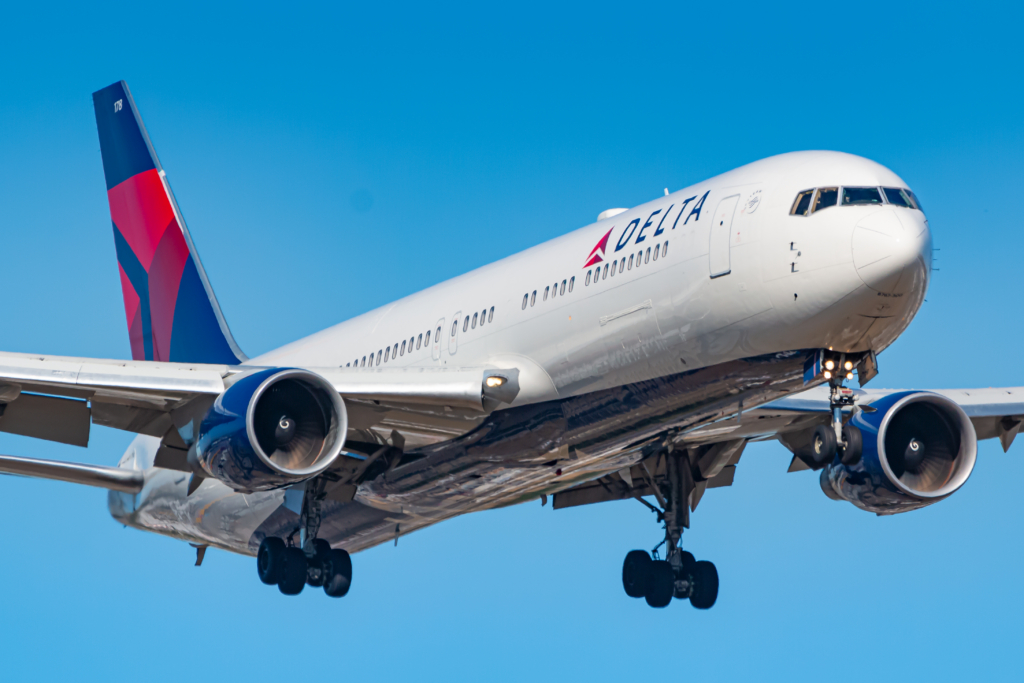
Koster worries that the changes will make the Virgin-Delta proposition less attractive to consumers who would instead be inclined to fly with the competition.
“No hub in the world would ever propose to split a joint venture, certainly not a joint venture with a home-based airline like ourselves. It’s outrageous, quite frankly.”
Virgin Atlantic proposed alternatives
The main objective for London Heathrow’s changes is to ensure the existing capacity is utilised efficiently. There remains underutilised space in terminal 4, prompting airline occupancy adjustments from the operator. The process has been ongoing for several years, with effect from 2028.
Virgin Atlantic proposed several “credible” alternatives. “The optimal alternative was for SkyTeam to be co-located in terminal 2,” he told Airlines 2026. That terminal is currently used by Star Alliance member airlines.
SkyTeam connects double the number of passengers than Star Alliance at Heathrow, the CEO underlined.
The other option the airline proposed was to move other airlines out of terminal 3 that were “not as integrated as the joint venture”. Other carriers that use T3 include Sri Lankan Airlines, Hainan Airlines, Emirates, Cathay Pacific, LATAM and Aeromexico to name a few.
Heathrow’s capacity constraints limit the operator’s flexibility
Responding to some of Koster’s remarks, Thomas Woldbye CEO of Heathrow Airport took to the stage in the afternoon to address the conference. “We’re not happy when they’re not happy,” he began, referring to his customers.
He deemed the alternatives as “expensive” adding that moving more airlines would be too cumbersome. Action had to be taken, Woldbye said, as it is their “legal and regulatory obligation” to use all remaining capacity. “We cannot sit and not take the decisions.”
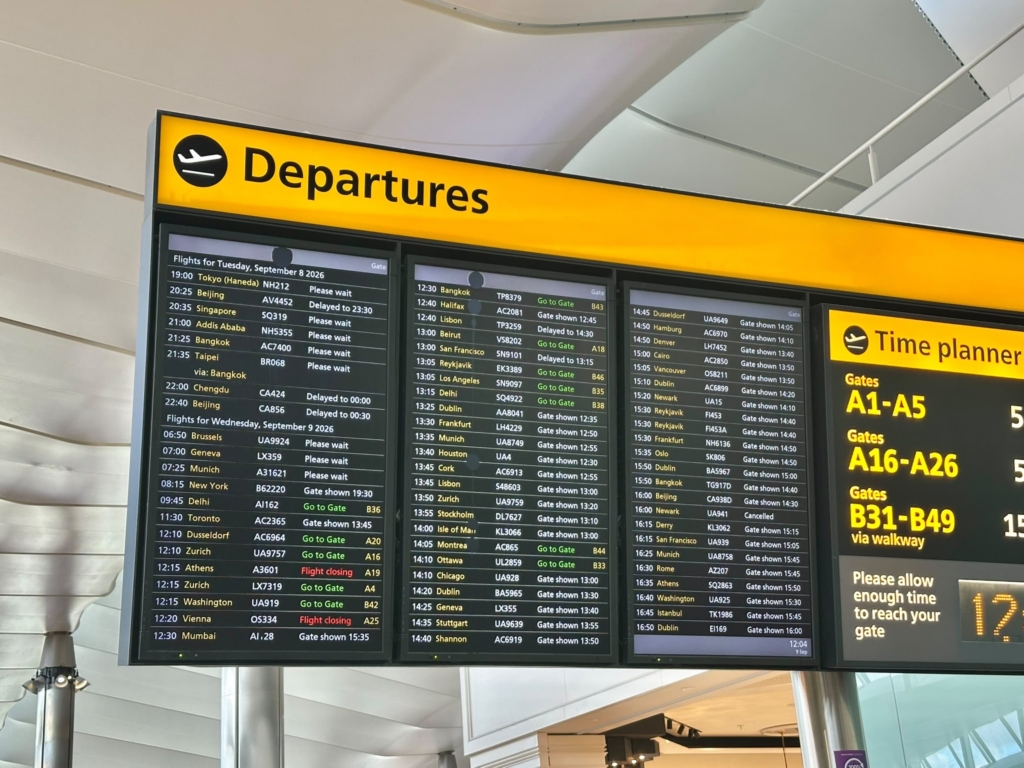
He noted that these “marginal decisions” related to airline terminal occupancy were needed in the absence of a third runway. When asked whether Virgin and Delta would be put back together once built, he said: “I think that would definitely be the case.”
Virgin Atlantic (similarly to British Airways) has backed the construction of a third runway so long as the price is right.
“If you then look at expansion, they want to spend eye-watering amounts with guaranteed returns on expansion,” Koster said. “We’re all for expansion. We absolutely need expansion with Heathrow, but we need it to be done in an affordable way.”


