Airbus and MTU plan hydrogen fuel-cell propulsion venture for future aircraft

5 min read
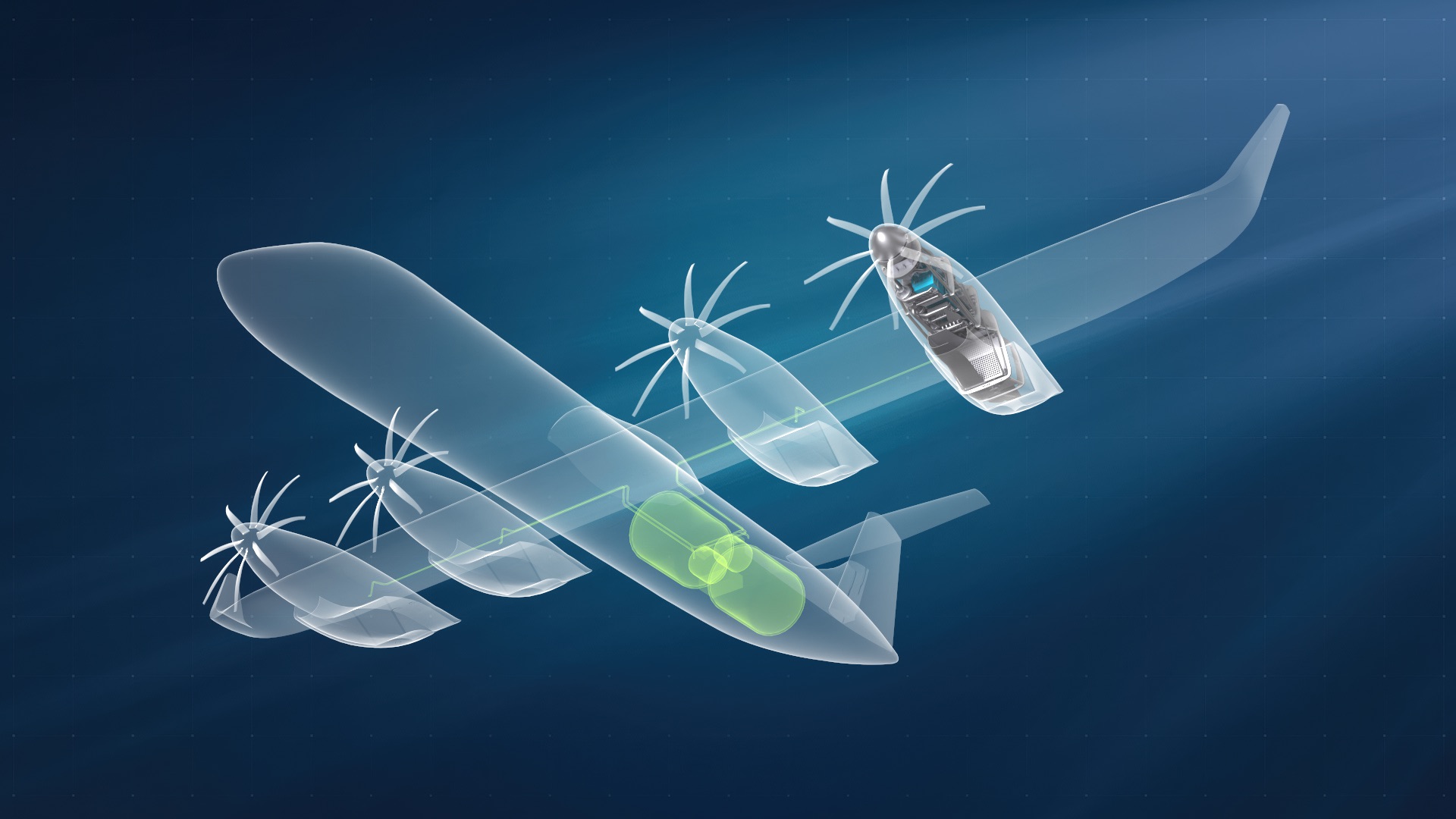
Airbus and Germany’s MTU Aero Engines plan to establish a joint venture to develop and commercialise a hydrogen fuel cell propulsion system for commercial aircraft, marking the next phase of Europe’s effort to bring zero-emission electric flight closer to reality.
The proposed company will combine Airbus’ work on hydrogen aircraft with MTU’s expertise in engine development, certification and maintenance to create what the two partners hope will become the first commercially viable hydrogen fuel-cell propulsion system for aviation. Subject to regulatory approvals, the new venture is expected to begin operations in 2027.
The agreement builds on a memorandum of understanding signed at the Paris Air Show in June last year and reflects a shift from research-led collaboration towards industrial development.
Rather than continuing as separate programmes, Airbus and MTU intend to bring engineering, testing and manufacturing capabilities under a single organisation dedicated to taking the technology through design, validation, certification and eventually commercialisation.
For Airbus, the move represents another step in reshaping its long-term ZEROe programme around hydrogen fuel cells after narrowing its earlier studies to a fully electric propulsion architecture.
In March, the manufacturer confirmed it would concentrate future development on a four-engine, fuel-cell-powered concept, saying advances in fuel-cell testing and supporting technologies such as cryogenic hydrogen storage had demonstrated the strongest long-term potential for commercial aviation.
Airbus and MTU move hydrogen fuel cells towards commercial aviation
Airbus launched the ZEROe programme in 2020 to examine whether hydrogen could become the basis of a new generation of low-emission commercial aircraft.
Early studies considered several approaches, including direct hydrogen combustion in modified gas turbines and fuel-cell electric propulsion.
Over the past five years, however, testing has increasingly shifted towards fuel-cell technology.
Unlike hydrogen combustion, which still relies on burning fuel inside a turbine, a fuel cell generates electricity through an electrochemical reaction between hydrogen and oxygen.
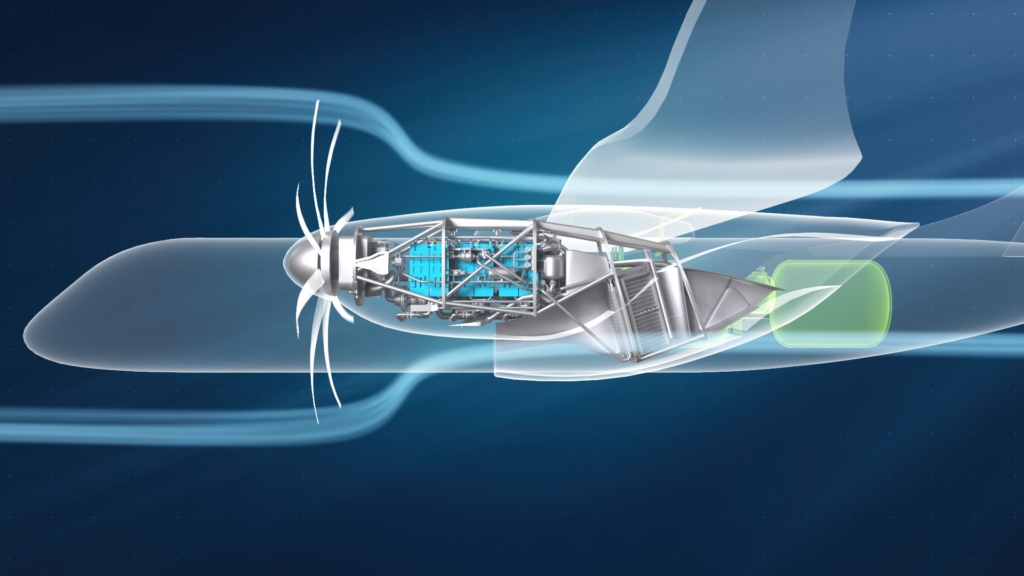
The electricity powers electric motors driving the propellers, while water vapour is the primary by-product of the process.
Because there is no combustion, fuel-cell systems eliminate carbon dioxide emissions in flight and avoid nitrogen oxide emissions associated with conventional combustion engines.
Airbus believes the approach offers the best opportunity to develop a commercially viable zero-emission regional aircraft, although significant engineering challenges remain before the technology reaches airline service.
Why hydrogen propulsion is still years away from airline service
The announcement also underlines how hydrogen development is increasingly focusing on the longer term.
Last year, Airbus acknowledged that its original ambition of introducing a hydrogen-powered commercial aircraft by 2035 would slip by between five and ten years, citing slower-than-expected progress in hydrogen production, airport infrastructure and the maturity of several enabling technologies.
Despite the revised timeline, the company said it remained committed to hydrogen propulsion and would continue investing in fuel-cell systems as the preferred solution.
The latest joint venture is intended to help address one of those challenges by accelerating development of an integrated propulsion system capable of meeting aviation’s demanding certification and safety requirements.
Airbus brings hydrogen systems as MTU adds engine expertise
The partnership brings together two companies with different strengths in hydrogen propulsion.
Airbus has spent several years developing liquid hydrogen storage, aircraft integration and fuel-cell propulsion through its ZEROe programme, including large-scale ground demonstrations of integrated powertrains and cryogenic systems.
The manufacturer has progressively increased the scale of its fuel-cell testing, including megawatt-class demonstrators intended to validate technologies suitable for commercial aircraft.
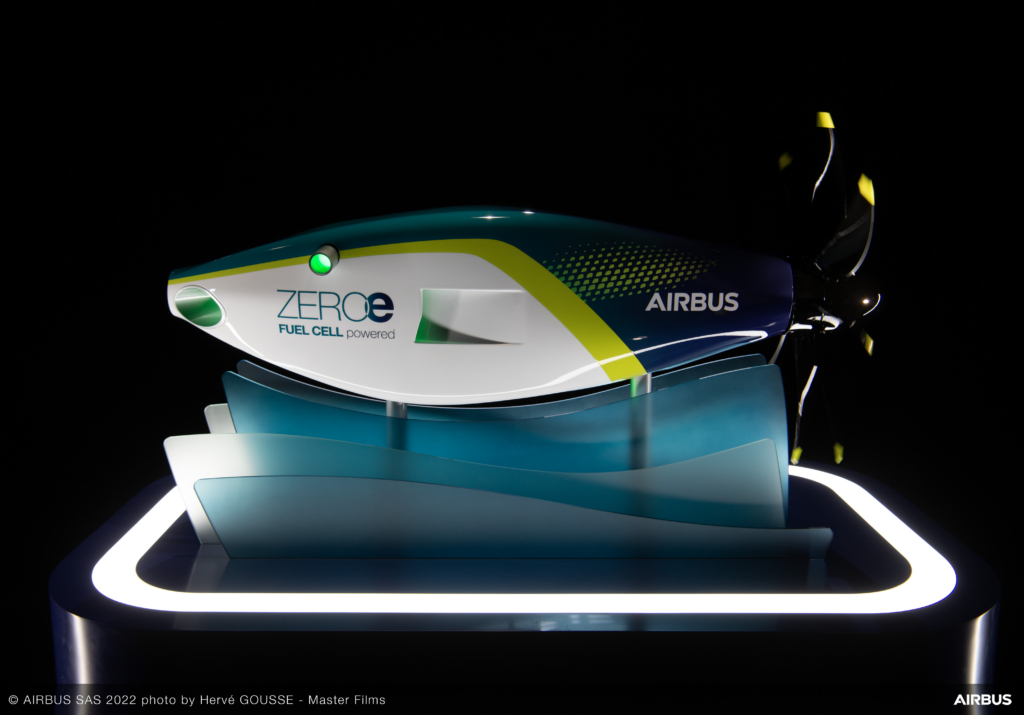
“Our planned joint venture is the next logical step in our shared vision of a hydrogen-based propulsion concept for aviation,” said Bruno Fichefeux, Head of Future Programmes at Airbus.
“By pooling our respective technology and expertise into a dedicated entity, we are establishing a European powerhouse capable of transforming advanced research into industrialised, certifiable electric propulsion systems. This new company will help secure strategic sovereignty in the next generation of aviation technologies while strengthening our ability to achieve the long-term ZEROe ambition.”
MTU, meanwhile, has been pursuing hydrogen propulsion through its Flying Fuel Cell programme under its Claire technology roadmap.
The German engine manufacturer has developed fuel-cell stacks, electric motors, hydrogen fuel systems and dedicated test facilities in Munich while continuing work on next-generation gas turbine technologies.

Dr. Stefan Weber, SVP Engineering and Technology at MTU Aero Engines, said, “This project is a crucial milestone on our path to the first hydrogen-powered engine – and this is true European technology leadership. To that end, we want to create a company that covers the entire life cycle of fuel cell powertrains – from development and testing through certification to commercialisation.”
Under the proposed venture, Airbus will contribute its experience in aircraft integration and hydrogen systems, while MTU brings expertise in engine design, validation, certification and long-term maintenance support.
Fuel cells versus combustion: Aviation’s hydrogen race widens
Although Airbus remains the largest aircraft manufacturer pursuing hydrogen-powered commercial aircraft, it is no longer alone in investing in the technology.
Engine manufacturers and aerospace companies are exploring different approaches.
Some programmes continue to investigate hydrogen combustion in modified gas turbines, while others, including Airbus’ latest concept, have shifted towards fuel-cell electric propulsion.
In April, Rolls-Royce and easyJet completed a full simulated flight cycle using a modified Pearl 15 engine running entirely on hydrogen at NASA’s Stennis Space Center.
Unlike Airbus’ fuel-cell approach, the programme focuses on burning hydrogen directly in a gas turbine, demonstrating that existing engine architectures can be adapted to operate using hydrogen as the fuel source.
The differing approaches highlight that the industry has yet to settle on a single technological pathway.
Hydrogen combustion could provide a near-term route for larger aircraft, while fuel-cell systems are widely regarded as offering greater long-term environmental benefits for regional aviation because they generate electricity without combustion.
Sign up for our newsletter and get our latest content in your inbox.


More from


October 17, 20265 min read

October 17, 20264 min read