When is the next solar eclipse, and where can I see it?

2 min read
Don’t throw out your eclipse glasses just yet…
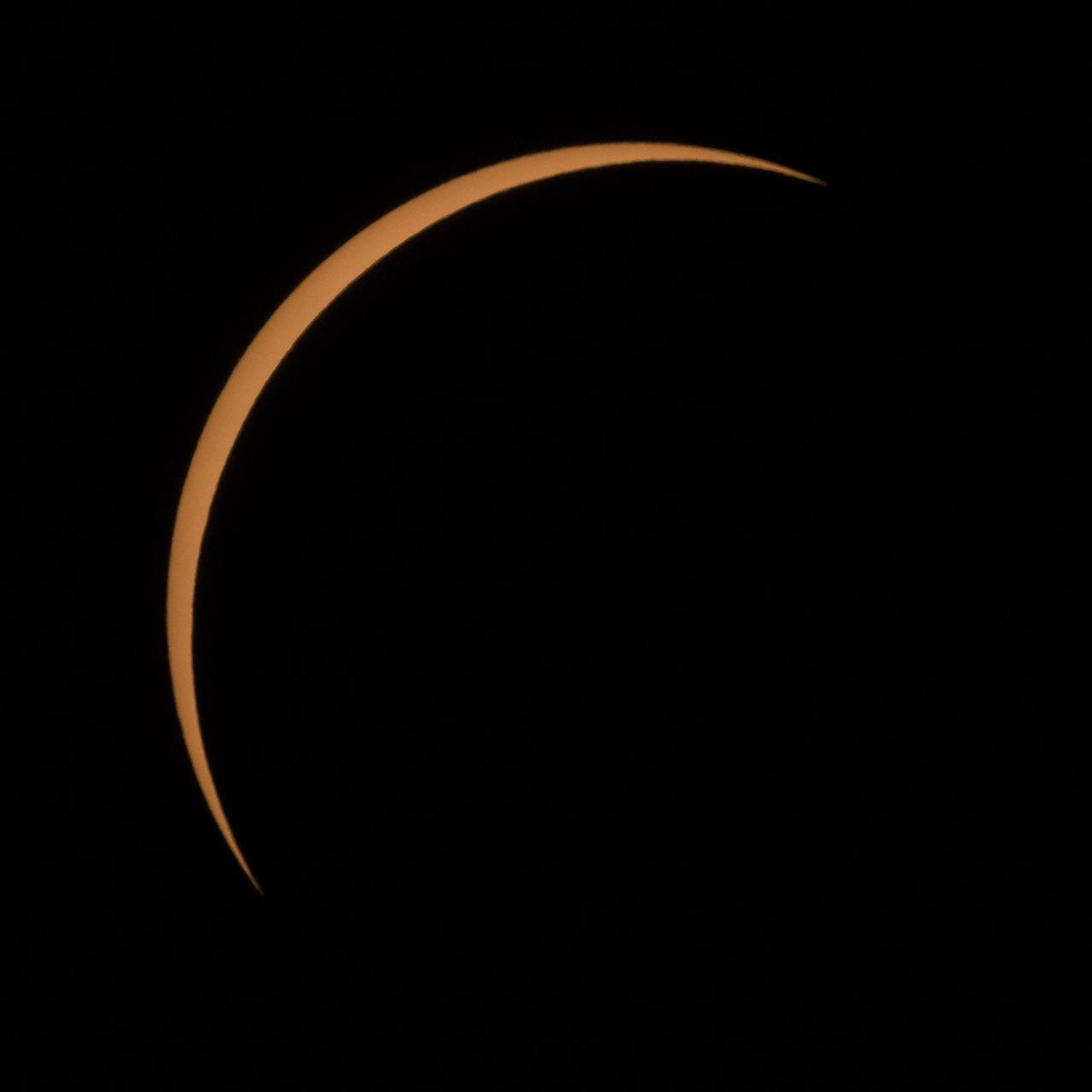
After the total eclipse on 12 August, another solar phenomenon is on the way. And while it won’t be quite as impressive as the celestial event earlier this month, it’s already generating excitement.
Tickets for special eclipse flights are already on sale, giving passenger the chance to witness totality above the clouds.
When is the next solar eclipse in the UK?
There will be a partial eclipse visible in the UK on 2 August 2027. Depending on where you are, this will see the Moon cover between a quarter to a half of the Sun.
When is the next total solar eclipse?
It will be decades until the next total solar eclipse is visible across the UK – 23 September 2090 to be exact. Fortunately, you don’t have to wait that long to see the natural phenomenon.
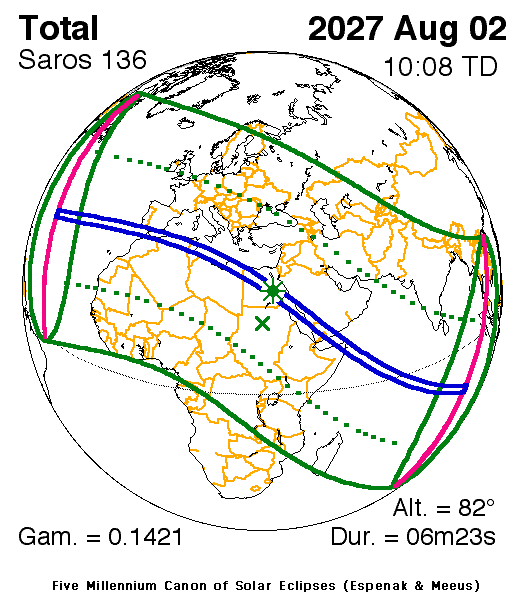
A total solar eclipse will be visible in parts of the Middle East, Spain and North Africa on 2 August 2027. In some locations, totality will last for more than six minutes.
Can you watch the solar eclipse from a plane?
Yes – and some seats are already on sale for special eclipse flights next August. These flights are designed to take the aircraft along the path of totality, letting passengers see the eclipse from above the clouds.
Airlines including Iberia sent flights into the path of totality for the total eclipse earlier this month, and it’s likely this could happen again next year.
Millions of people are also expected to travel to destinations in the eclipse path, with Spain likely to be among the most popular viewing locations.
What are the dates of other solar eclipses in the UK?
The 2027 partial eclipse isn’t the only date to put in your diary. Other upcoming eclipses which will be visible from the UK include:
- 26 January 2028
- 12 June 2029
- 1 June 2030
If you’re planning to watch, remember not to look directly at the Sun without special eclipse glasses.
How does NASA predict solar eclipse dates?
NASA has lists of all the upcoming solar eclipses, covering thousands of years. The dates are worked out based on the science of an eclipse: it only happens when the Sun, Moon and Earth line up in the right way.
Because astronomers can calculate where they’ll be, they can accurately predict when and where future eclipses will be visible.
Sign up for our newsletter and get our latest content in your inbox.


More from

October 11, 20263 min read