

5 things pilots do before take-off that passengers never see

4 min read


There’s much more to getting an aircraft ready for departure than starting the engines and taxiing to the runway. Before every flight, pilots have several important tasks to complete, many of which passengers never see.
We chatted exclusively to serving airline captain Pete Wilson, who told us all about five of them.
1. Take-off and emergencies briefing
Once the flight management computer (the onboard computer used to programme and manage the flight) has been loaded with the flight plan and take-off performance data, the pilot flying briefs the pilot monitoring on the take-off and possible emergencies.
This covers the taxi route, take-off configuration and V-speeds. These determine whether a take-off can be rejected with enough runway remaining to stop (V1), or must continue even if an engine fails.
The crew also discuss the Standard Instrument Departure route, cleared altitude and how they would handle emergencies, such as an engine fire before V1 or engine failure after V1, including possible diversion airports.
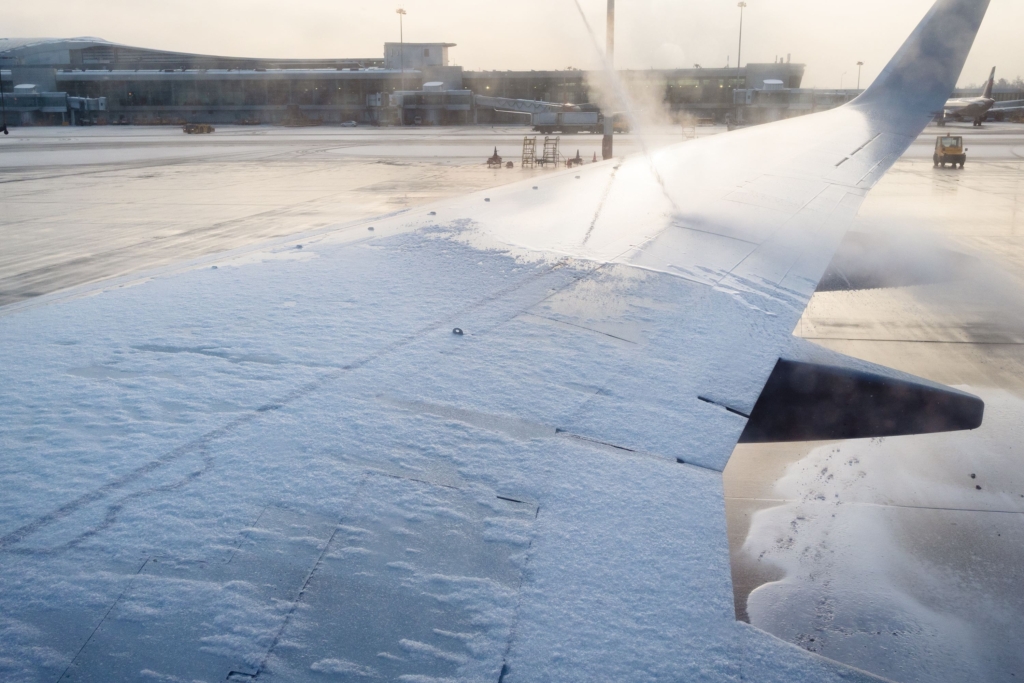
Any special procedures, such as de-icing or using an external air supply to start an engine if the APU isn’t working, are also covered, along with potential threats like bird strikes and bad weather.
Finally, as they line up on the runway, many pilots mentally rehearse what they would do if something went wrong during take-off.
2. Paperwork
How many times have you heard the flight deck say, “We’re almost ready to go, just waiting on the last few bits of paperwork…” ?
Much of it is now done digitally on the crew’s iPads, but one of the last physical documents needed is the fuel receipt.
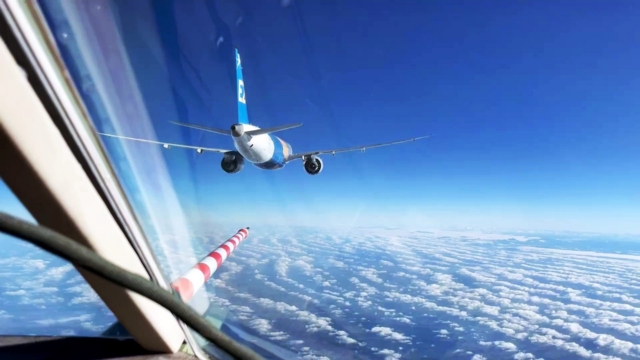
After refuelling, the refueller either passes it to the dispatcher (turnaround coordinator) or rolls it up and holds it up to the cockpit window on the end of a long pole for the crew to take.
The receipt shows how many thousands of litres of fuel have been added, so the crew can calculate its weight.

The aircraft’s technical logbook must also be completed and signed by the captain, either on paper or digitally.
All this feeds into the final load sheet, which includes the aircraft’s take-off weight, fuel load, centre of gravity position and passenger numbers. It also lists any animals or dangerous goods in the cargo hold, such as electric wheelchairs containing lithium batteries, which must be correctly secured.
3. Checking the weather and FlightRadar24
While on the ground, the crew use their iPads to carry out last-minute checks.
FlightRadar24 shows how busy the airport is and whether there’s a queue for take-off. Apps such as Windy provide the latest weather along their route, helping identify storm clouds they may need to avoid.
The aircraft’s weather radar won’t be switched on yet and, even when it is, only looks in the direction the aircraft is pointing. With many aircraft now equipped with inflight Wi-Fi, these checks can continue once airborne.
4. Keeping an eye on the time and what’s going on around them
Getting an aircraft away on time involves a lot of coordination, often under time pressure. The flight may have an air traffic control take-off slot to meet, and missing it could mean waiting hours for another one.
The crew must keep track of the turnaround: has the pushback tug arrived, is loading finished, has the refueller turned up, where are the toilet service truck and cleaners, and how long will boarding take? They may also be waiting for delayed connecting passengers or need an engineer.
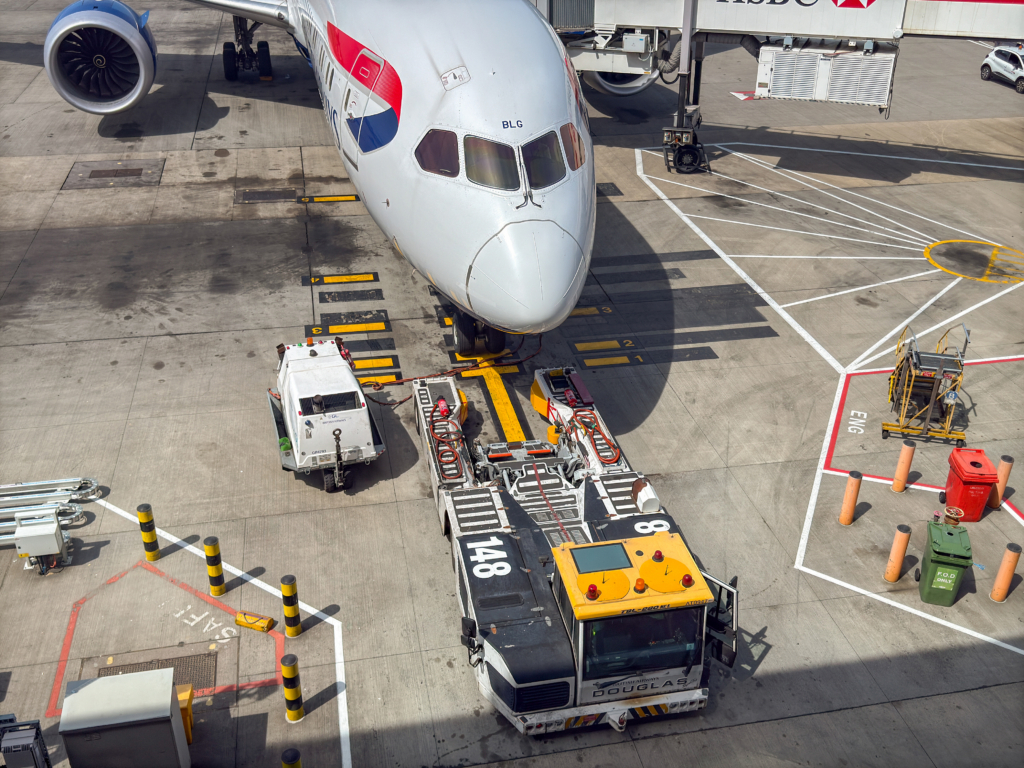
Things need to be chased up, with close coordination between the crew, ground handling company and airline’s operations department. If a delay is unavoidable, arranging it early makes it more likely that any ATC slots can be updated.
5. Fixing problems and aircraft resets
It’s not unusual for aircraft to develop minor technical faults when first switched on. With so many onboard computers and sensors in a modern airliner, the occasional problem is inevitable.
Many faults can be resolved by resetting circuit breakers. There’s a list of systems that can be reset, specifying whether this is permitted only on the ground or also in flight.

The crew must inform the maintenance control team of any resets. If one doesn’t work, engineers may be sent to investigate, or maintenance control may guide the crew through another procedure over the phone.
Believe it or not, sometimes the best solution is simply to de-power the aircraft, wait a few minutes and then turn it back on again!
Sign up for our newsletter and get our latest content in your inbox.