What happens when an aircraft engine fails?

4 min read
Hearing that an aircraft has lost an engine sounds like every passenger’s worst nightmare.
Yet modern aircraft are designed to keep flying safely, while pilots spend hours training for this type of emergency.
Perhaps surprisingly, the loss of a single engine doesn’t mean a flight is in immediate danger.
Can a plane fly with one engine?
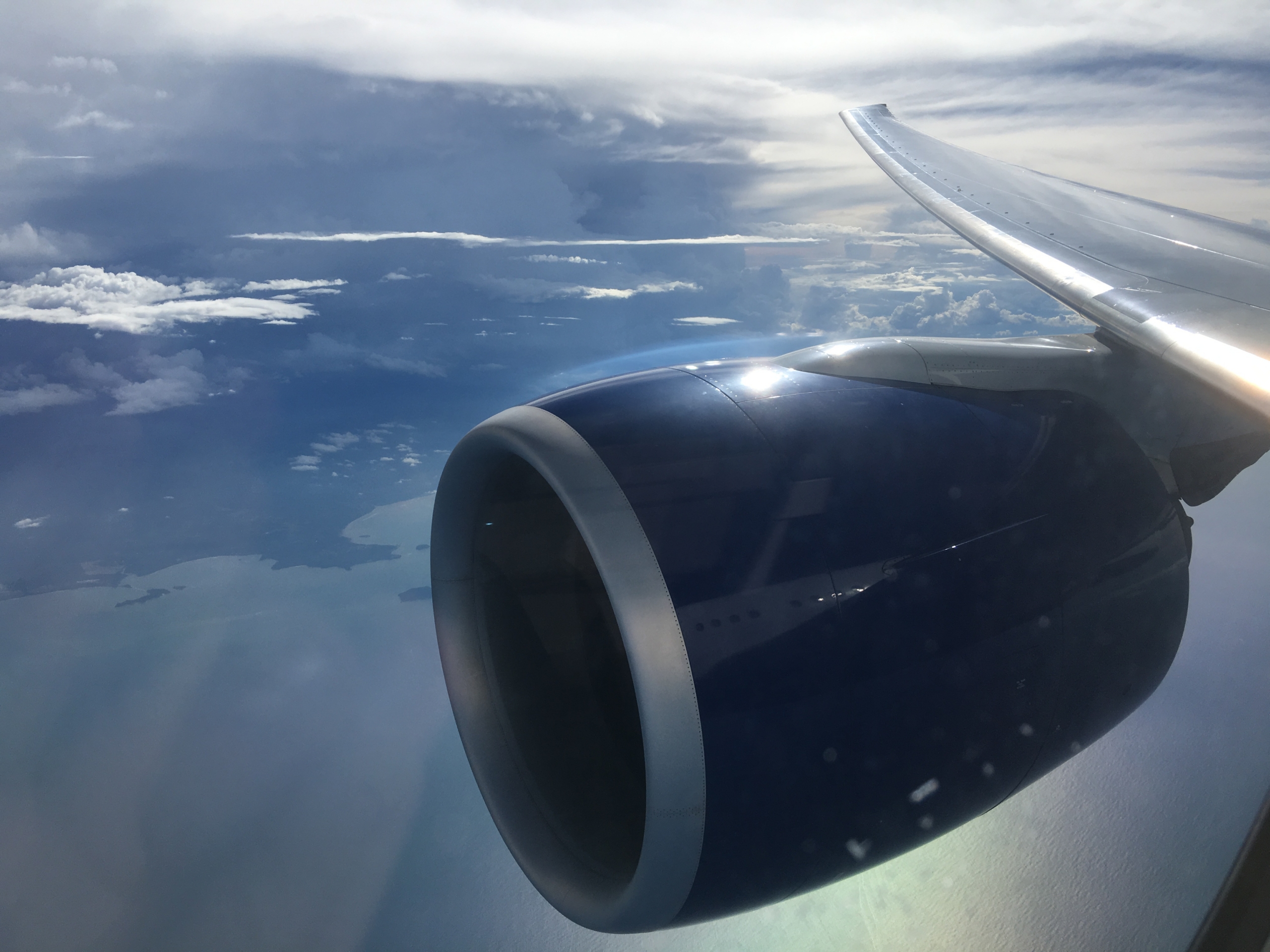
Yes. The engines provide thrust, which pushes the aircraft forward, while the wings provide lift, which keeps it in the air.
So, if a twin-engine aircraft loses one engine, the other can keep it flying. The aircraft will have less power, particularly for climbing, but it remains fully controllable and is designed to continue flying safely on the remaining engine.
What do pilots do first when an engine fails?
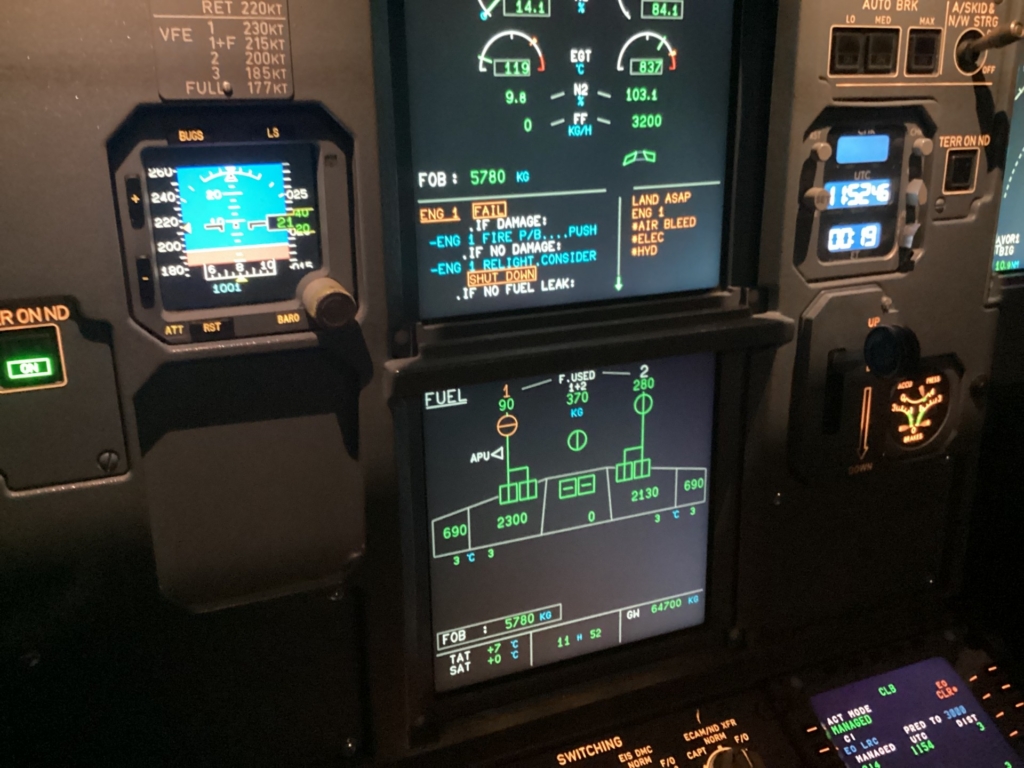
The pilots‘ first job is to fly the aircraft. They then work out what has gone wrong and follow the correct checklist. Depending on the problem, the failed engine may be shut down completely.
Not every engine failure is the same, either. An engine that is showing signs of trouble, for example it’s getting too hot, has low oil pressure or has high vibrations, is a different situation from one that has caught fire or suffered serious damage. The pilots therefore respond according to what has actually happened.
If an engine has failed, the aircraft cannot continue at its cruising altitude. Pilots will let the aircraft “drift down” to a lower altitude which will have been pre-calculated.
Where does an aircraft land after an engine failure?
Once the aircraft is stable, the pilots decide whether to continue the flight or divert to another airport. During normal flight, they look at things such as fuel, weather, the aircraft’s performance, the runway and the facilities available at different airports. This means they’re already prepared if a diversion is needed.
Pilots don’t automatically divert to the nearest airport. Weather, runway length, emergency services, terrain and aircraft performance all influence which airport is the safest option.
For long flights, these possibilities are considered before the aircraft even takes off.
What is ETOPS/EDTO?
You may have heard the term ETOPS (Extended-range Twin-engine Operations) when reading about long-distance flights. This has now been replaced by EDTO, which stands for Extended Diversion Time Operations.
EDTO sets rules for aircraft flying routes where they can be a long way from a suitable airport. It covers things like aircraft and engine reliability, maintenance, pilot procedures and where the aircraft can divert if necessary.
You might see an aircraft described as EDTO-180 or EDTO-240. The number broadly refers to the approved diversion time under the relevant conditions, using a suitable speed with one engine operating. The maximum EDTO time is 370 minutes, which is over six hours – quite a long way on one engine!
The basic idea is simple: if an aircraft is going to spend many hours far away from an airport, there needs to be a plan for what happens if an engine stops.
What happens if both engines fail?
That is much more serious, but even then an aircraft does not simply drop out of the sky as thankfully it can glide.
The wings keep producing lift while the aircraft moves through the air. The pilots control its speed and gradually trade altitude for distance.
How far it can glide depends on the aircraft, its weight, altitude and the wind. A passenger jet at cruising altitude can travel a considerable distance without engine power. An Airbus A320 for example can glide approximately 90 miles from its cruising altitude.
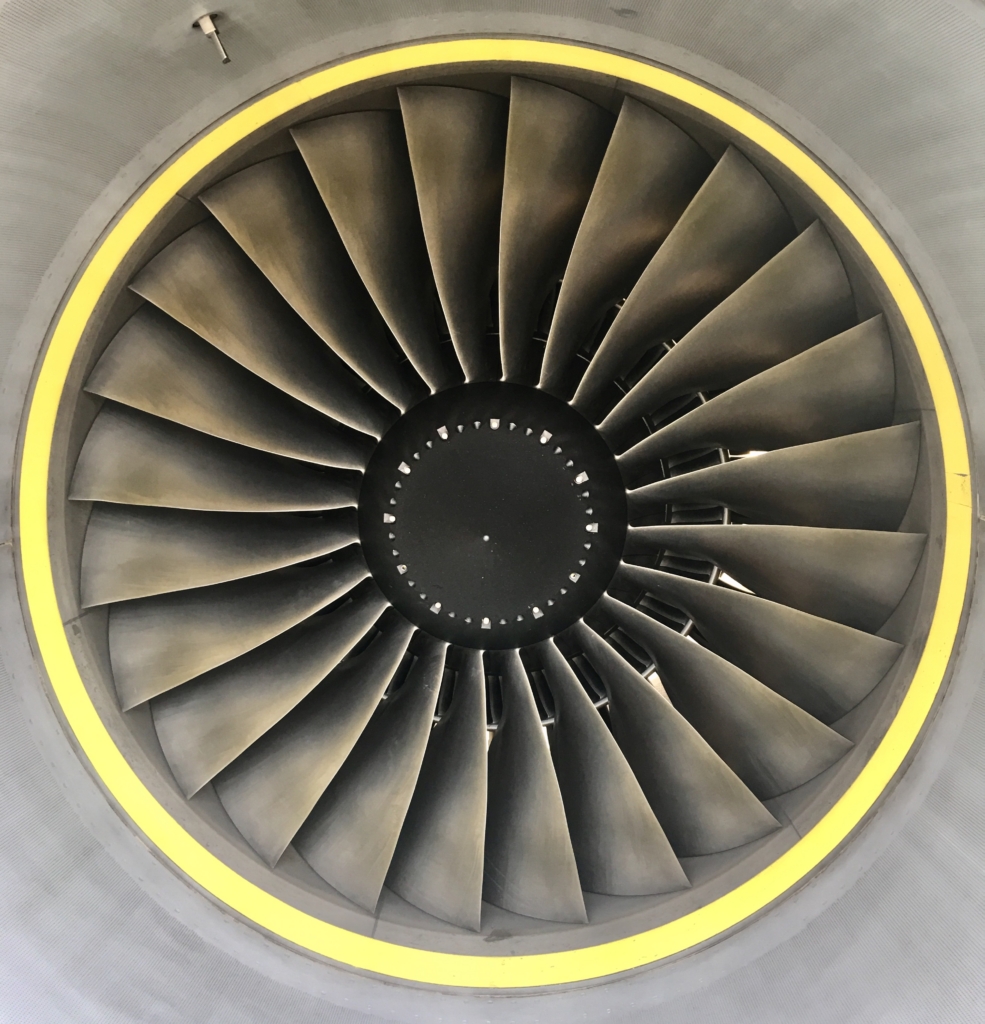
Losing both engines is a major emergency because the aircraft is losing altitude and the pilots need to find somewhere safe to land, but it is still controllable.
How aircraft and crew are prepared for engine failures
Losing an engine means losing some thrust. It does not mean losing the lift produced by the wings.
Airliners are also built with backup systems, and pilots spend a lot of time practising engine failures in flight simulators. They learn how to control the aircraft, deal with the failure, work with air traffic control and decide whether to divert.
For passengers, an engine failure may therefore be surprisingly quiet – or it can be rather loud, depending on the type of failure. There could be a change in engine noise, a turn or a descent, followed by an announcement that the aircraft is landing somewhere else.
It is a serious emergency, but it is one that passenger aircraft and their crews are specifically designed and trained to handle.
Sign up for our newsletter and get our latest content in your inbox.


More from


October 17, 20264 min read