


Can planes really fall out of the sky? Aviation experts explain what happens

4 min read
The idea of an aircraft suddenly dropping out of the sky is frankly terrifying. Yet while it makes for a dramatic headline, the reality is considerably more complicated – and thankfully exceptionally unusual.
Aircraft are designed with multiple layers of protection against losing control, but under certain circumstances, a combination of aerodynamic forces, weather and mechanical problems can overwhelm even the most sophisticated aircraft.
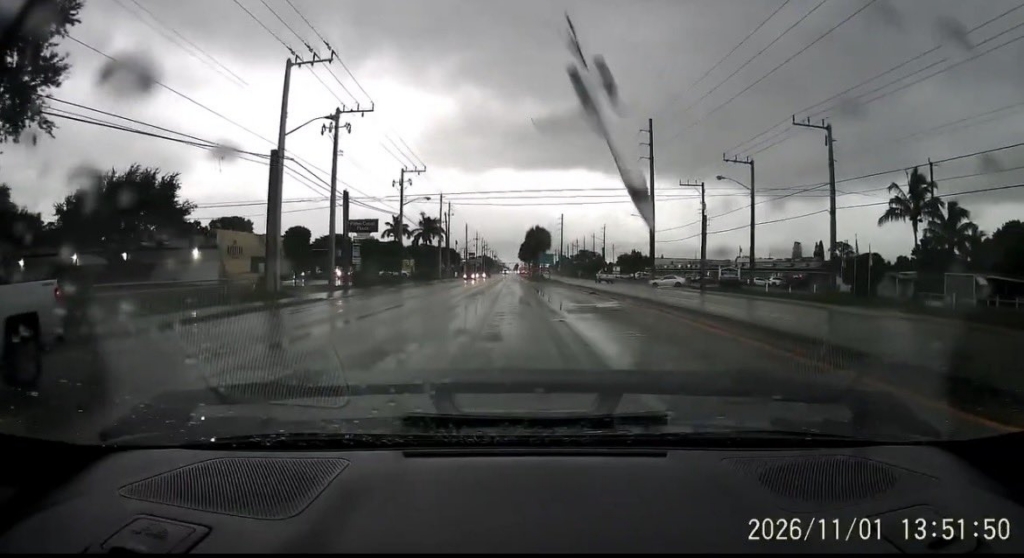
The tragic Learjet 60 crash in Florida recently is a sobering reminder of how quickly things can go wrong. The aircraft, which was travelling from Austin, Texas, to the Bahamas, crashed in Palm Beach County on Sunday, killing all nine people aboard.
In communications with air traffic control shortly before the accident, the crew reported icing, moderate turbulence and deteriorating weather conditions, followed by an extremely rapid descent.
According to preliminary statements from NTSB investigators, there is evidence the aircraft may have begun breaking up before impact, although the circumstances remain under investigation
It is too early to draw conclusions about what happened. However, the circumstances raise a wider question around what actually causes an aircraft to lose altitude so dramatically.
What causes an aircraft to come down?
Among the many reasons an aircraft can lose altitude rapidly is an aerodynamic stall. Investigators have not indicated whether a stall played any role in the Florida accident, but the event has prompted renewed interest in how stalls occur and why they can be dangerous.
Despite the popular association with engine failure, a stall has nothing directly to do with an engine stopping.
It occurs when the wing exceeds its critical angle of attack, causing airflow to separate from the wing surface and lift to reduce sharply. The aircraft may pitch down, roll or enter an uncontrolled descent.
Stalls can happen at almost any speed if the angle of attack becomes high enough.
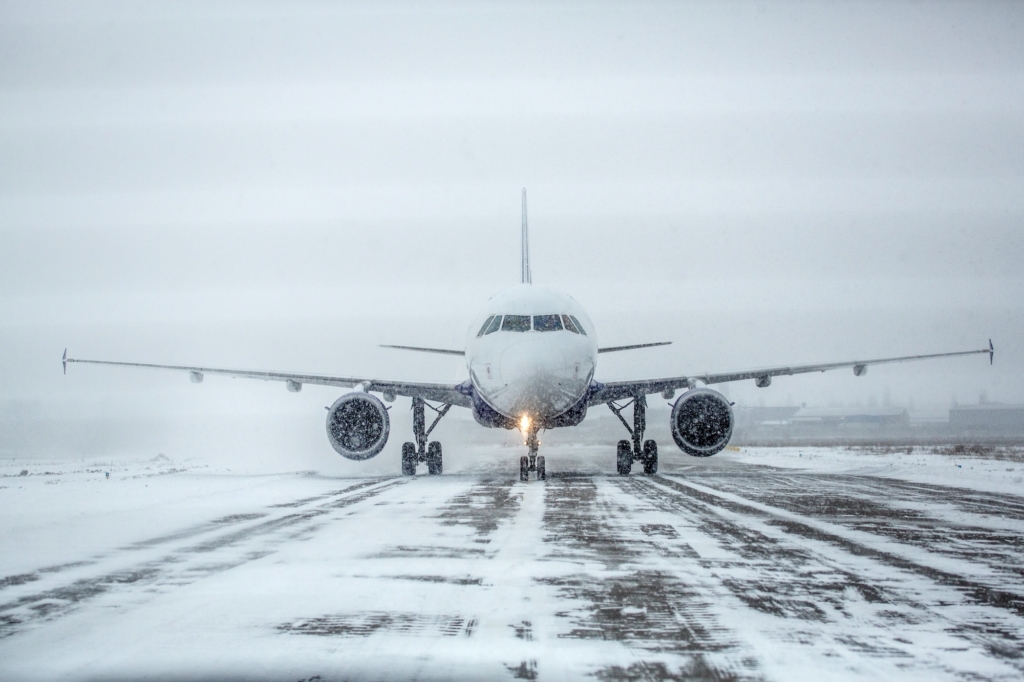
Ice makes this even more dangerous. Even a relatively small accumulation on a wing can disrupt the airflow, reducing lift while increasing drag. It can also change the aircraft’s stall characteristics, sometimes leaving pilots with less warning than they would normally expect.
Serving airline Captain and aviation safety specialist Pete Wilson told us:
“An aircraft can fall out of the sky for numerous reasons. It could be structural failure, such as part of the airframe breaking away, a control surface malfunction, for example a rudder failure, or a problem with the trim system. It could also be a loss of control caused by aerodynamic conditions such as ice, thunderstorms, severe turbulence or wind shear.”
He added:
“Another possibility is cargo shifting during flight. A good example is the Boeing 747 crash at Bagram, Afghanistan, in 2013, when an unsecured military vehicle shifted towards the rear of the aircraft shortly after take-off, damaging critical systems and leaving the pilots unable to control the aircraft. Not every failure is engine-related.”
Can an aircraft break apart during a rapid descent?
An aircraft descending rapidly can accelerate beyond its operating limits, known as overspeed condition. The resulting aerodynamic loads can become severe, potentially exceeding the structural limits of the airframe. In extreme circumstances, components or entire sections of the aircraft can separate.
Importantly, a steep descent does not necessarily mean an aircraft has suffered a structural failure. A jet can lose thousands of feet per minute while remaining largely intact.
Equally, what looks like an aircraft falling straight down may actually be the final result of it losing control earlier in the flight.
Why engine failure does not necessarily mean a crash
An engine failure on its own is unlikely to make an aircraft suddenly lose height and crash. Most multi-engine aircraft can remain controllable following the loss of an engine, while even a complete loss of thrust does not mean an aircraft immediately stops flying.
Aircraft can glide, sometimes over considerable distances, depending on altitude, speed and configuration.
Aircraft accidents are rarely down to a single failure
It’s extremely rare for an aircraft to go from flying normally to falling out of control in an instant. Usually, a series of things goes wrong, sometimes within seconds, until the pilots can no longer keep the aircraft stabilised.
This is why accident investigations are so important. Investigators need to work out not just what happened at the end, but what led up to it, how different problems may have affected the aircraft and why safety systems were unable to prevent the crash.
Sign up for our newsletter and get our latest content in your inbox.


More from

November 6, 20264 min read


