


How easy is it to stall a passenger airliner?

4 min read
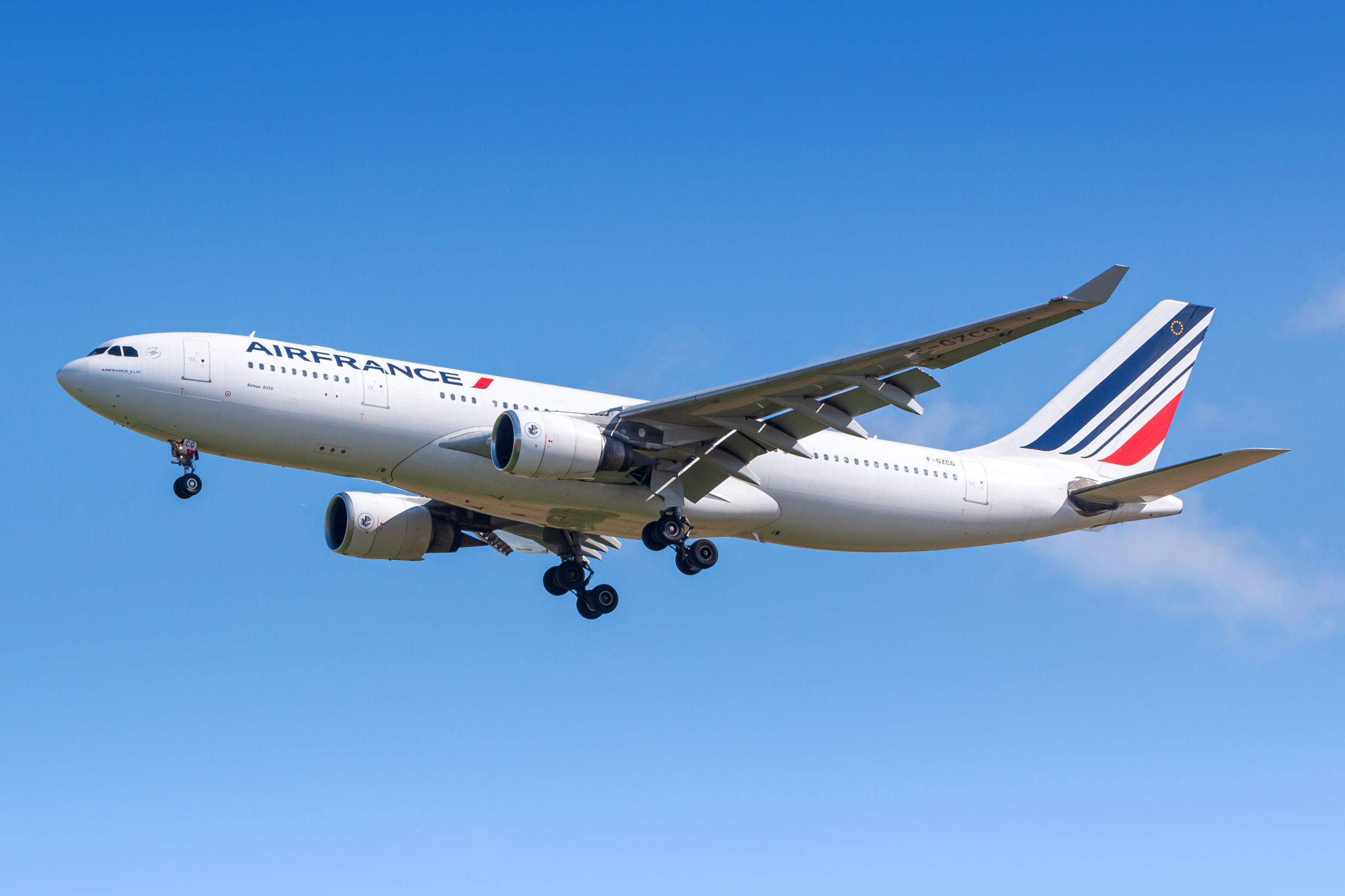
Passenger aircraft fly through changing weather, altitudes and loads, but they still have to obey the basic rules of aerodynamics.
So, can a commercial airliner stall?
Modern airliners are designed to make aerodynamic stalls extremely rare. However the 2009 Air France 447 disaster showed that, under unusual circumstances, a passenger jet can still exceed its critical angle of attack and enter an aerodynamic stall.
Understanding how stalls occur, how Airbus and Boeing safety systems work and how pilots recover from them helps explain why such events remain exceptionally rare.
What causes a passenger aircraft to stall?
A stall isn’t simply caused by flying too slowly. It happens when a wing reaches its critical angle of attack – that is, the point at which the airflow can no longer stay attached to the wing properly. Lift then drops and drag increases.
Speed matters because slowing down can require a higher angle of attack, but there isn’t one fixed speed at which an aircraft will stall. Weight, configuration and manoeuvres all affect it.
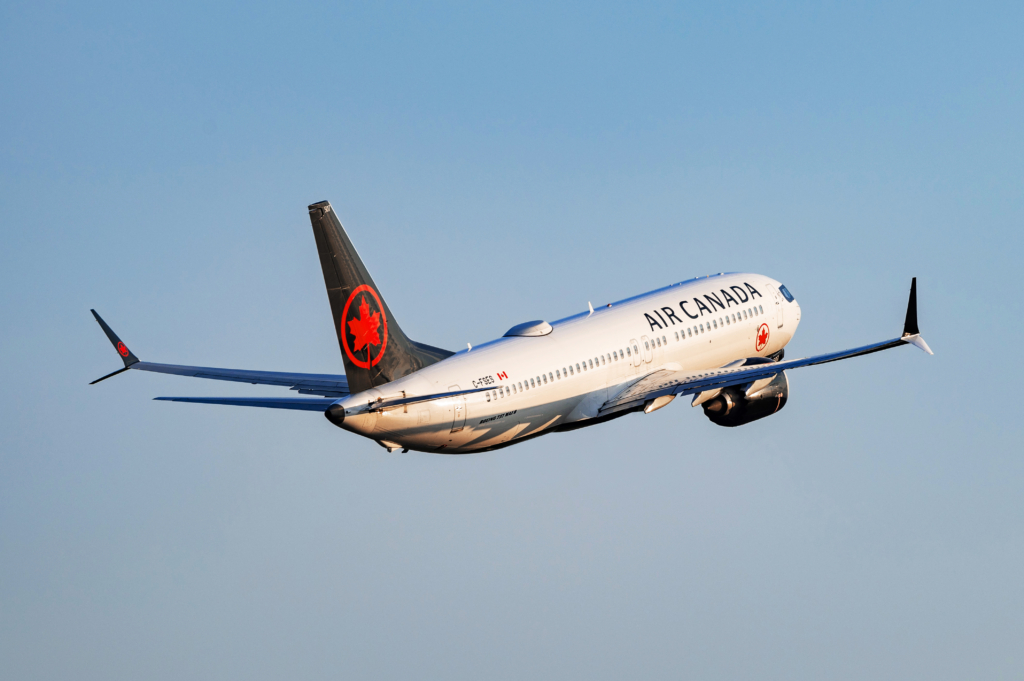
Pitch and angle of attack are also different. An aircraft can have its nose pointing down while still having a high angle of attack.
How does Airbus technology help prevent a stall?
Airbus aircraft use fly-by-wire controls, with computers monitoring the aircraft and interpreting the pilot’s inputs.
In normal operation, many Airbus aircraft fly in Normal Law, which includes protections designed to keep the aircraft within safe aerodynamic limits.
High-angle-of-attack protection is one of them. Some Airbus aircraft also have Alpha Floor, which can automatically increase engine thrust if the aircraft gets too close to a stall.
These systems make it much harder for normal pilot inputs to put the aircraft into a stall.
Can an Airbus still stall if protections are lost?
The protections rely on the aircraft’s systems and sensors working correctly. Certain failures can cause an Airbus to leave Normal Law and enter Alternate Law, where some protections are reduced or unavailable. This is what happened during the 2009 Air France 447 crash.
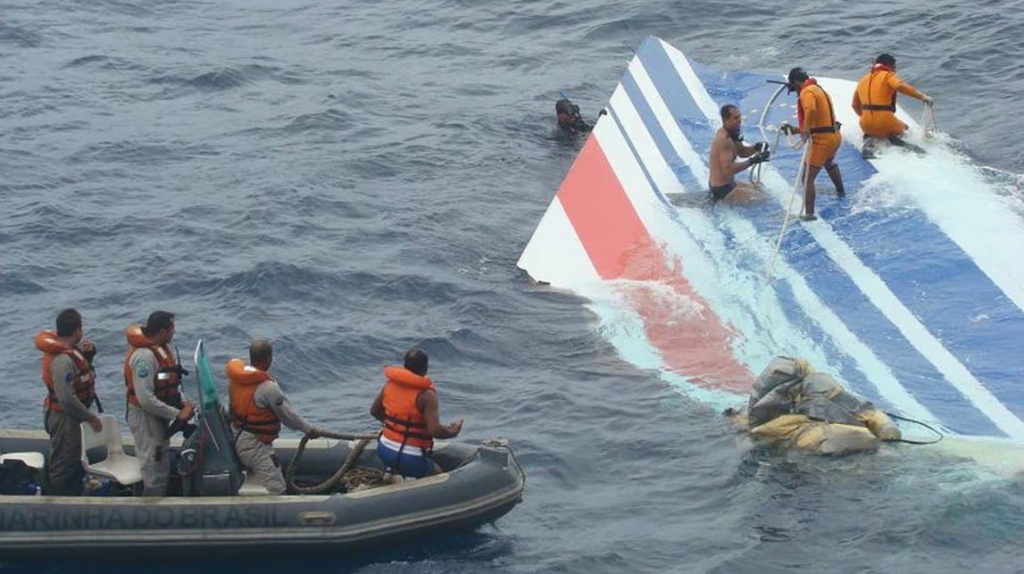
The Airbus A330-200 was flying from Rio de Janeiro to Paris when ice crystals temporarily blocked its Pitot probes, causing unreliable airspeed readings. The autopilot disconnected and the aircraft switched to Alternate Law.
The crew then made control inputs that caused the aircraft to climb and reach a very high angle of attack. It entered a stall and remained stalled for several minutes.
The stall warning sounded, but the crew did not recognise the situation and did not make the inputs needed to recover. The aircraft eventually crashed into the Atlantic, killing all 228 people on board. AF447 shows that flight protections make a stall harder to reach, but they cannot eliminate the possibility entirely.
What else can cause an airliner to stall?
A sudden loss of speed can increase the angle of attack, while sharp manoeuvres increase the load on the wings. Turbulence and windshear can also cause rapid changes in speed and flight path.
Ice contamination on the wings is another risk because it can disrupt airflow and reduce lift.
At very high altitudes, the gap between an aircraft’s low- and high-speed limits can also become narrower. This is sometimes known ominously as“coffin corner”.
How do pilots recover an aircraft from a stall?
The priority is to reduce the angle of attack. Depending on the aircraft and circumstances, this can mean lowering the nose and accepting some altitude loss. Pilots may also apply appropriate thrust and reduce the load on the wings.
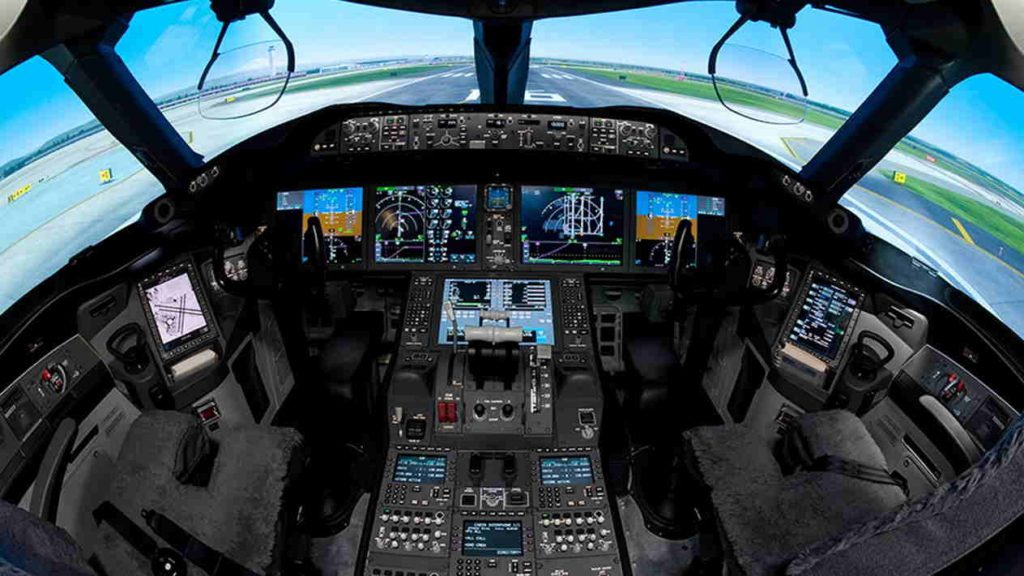
Airline crews train for stall recovery in simulators, learning how to recognise the warnings and follow the procedure for their particular aircraft.
So how easy is it really to stall a passenger airliner?
For a modern passenger aircraft flying normally, stalling is extremely unlikely to happen.
But AF447 shows why that doesn’t mean impossible. A combination of unreliable sensor information, reduced flight protections and incorrect control inputs can push an airliner beyond its normal operating envelope.
Ultimately, the principle is simple: an aircraft stalls when its wing exceeds its critical angle of attack and can no longer produce enough lift.
The technology and training are there to keep passenger aircraft away from that point. But pilots still need to understand what the aircraft is doing when those safeguards aren’t available.


