


Florida Learjet crash: NTSB probes evidence aircraft broke up before impact

4 min read
Federal investigators are examining evidence that a Learjet 60 may have begun breaking apart before crashing in Florida and killing all nine people on board.
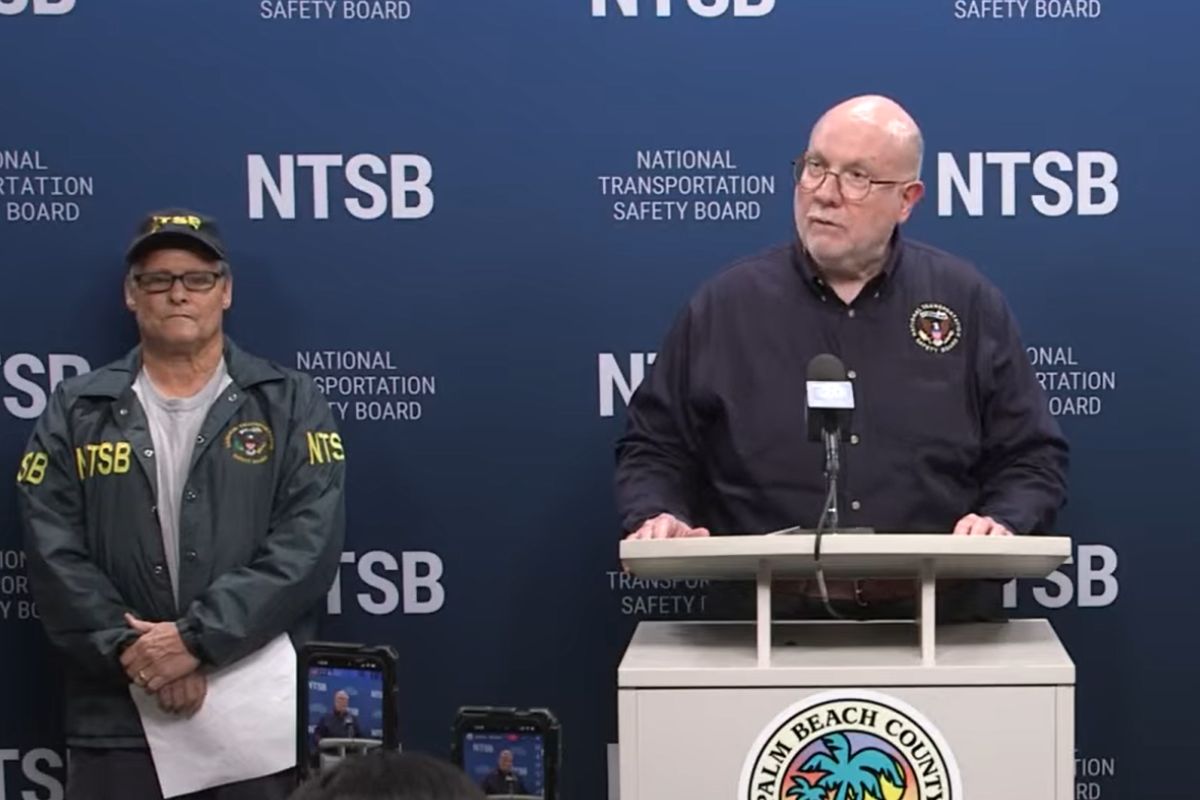
Speaking at a briefing on 2 November, Tom Chapman, a board member with the National Transportation Safety Board (NTSB), said investigators have found “some evidence that there was some breakup of the aircraft before impact” and have identified debris beyond the main crash site.
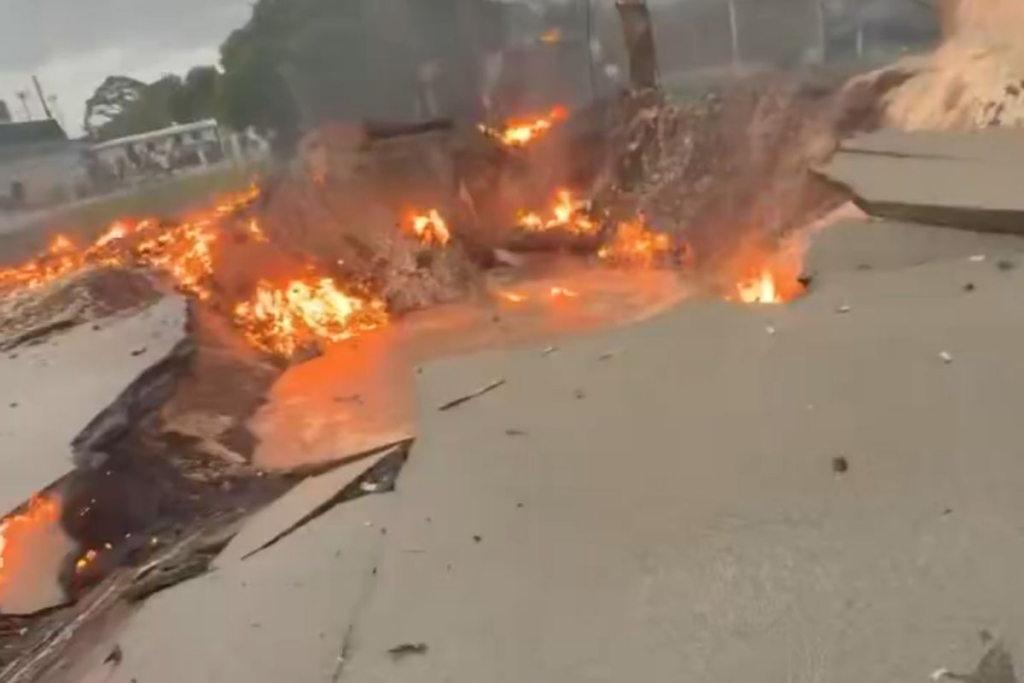
Timothy Monville, senior investigator at NTSB, said: “The biggest obstacle that we’re going to have is recovering the major wreckage from the impacted crater on the roadway.”
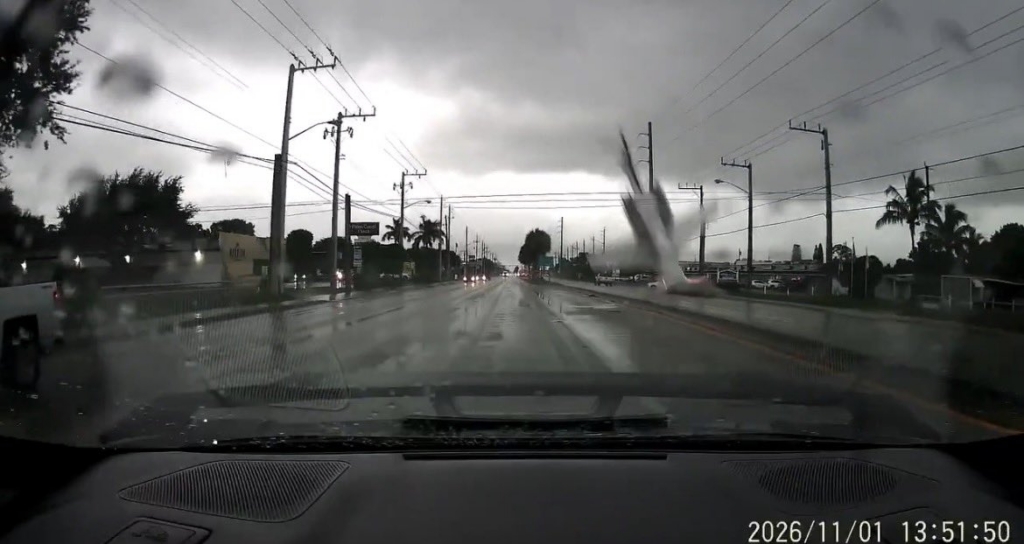
Footage circulating on social media have prompted speculation about whether parts of the aircraft separated during its final descent. However, investigators have not confirmed which components, if any, detached before impact.
Chapman added: “We do have some indication that the aircraft was breaking up before impact, and so some of this is yet to be determined.
“We may find parts of the aircraft some distance away from the actual impact site. We’re finding debris, but we haven’t identified parts yet. That is going to be a real challenge.”
And he called on members of the public to let them know if they find any of the plane parts, saying: “I want to note that if members of the community find debris, please do not move it. Contact us or local authorities, and we will respond appropriately.”
Weather also a focus of the NTSB investigation
The aircraft, operated by Upper Jets under Part 135 charter regulations, departed Austin-Bergstrom International Airport carrying two crew members and seven passengers bound for North Eleuthera in the Bahamas.
About two hours later, the crew reported light icing and moderate turbulence at 35,000ft before requesting a climb to 37,000ft due to increasing precipitation.
Less than 30 seconds after receiving clearance to climb, the crew reported a rapid descent and declared a mayday, later transmitting that the aircraft was in an overspeed condition before communications were lost.
Chapman said weather conditions are “a major focus of the investigation”, with specialists working to determine what conditions the aircraft encountered at altitude.
Chapman added, “I’m told that the weather has been pretty crazy here lately, so that’s something we’re going to be concerned about.”
Co-pilot identified as investigation continues
The co-pilot of the Learjet 60 has been named as 20-year-old Nathalia Gadelha Filgueiras. Her family confirmed to multiple US media outlets that she was among those killed in the crash.
Nathalia got her first pilot license in 2023 when she was 17. Speaking to local radio CBS12 at the time, she said: “I definitely do brag because people say, ‘Oh, you can’t drive,’ and I’m like, ‘Yeah, but I can fly.’”
Her mother Camila told The New York Times, “She loved the freedom. It was completely different seeing the world from the top.”
The identities of the pilot and passengers haven’t been released.
Calls for patience as speculation grows
Former astronaut Jared Isaacman urged observers to avoid drawing conclusions before investigators complete their work.
Posting on X, he wrote: “You do not know the aircraft’s maintenance history, whether there was a structural failure, if any failure was induced by turbulence, overspeed, or overcontrol, or everything happening in that cockpit,” he wrote.
“Let people investigate, learn, and share the facts. Be respectful to those who perished and the families who carry their memories.”
Writing this in my personal capacity, but I have been flying these types of aircraft for more than 20 years, with over 8,000 hours, and have reasonable familiarity with how the charter world operates. I feel compelled to post after seeing commentary about the Lear 60 crash, from missile strikes to DEI to critiquing this poor woman’s final radio calls. That last part is what I find most troubling. She was the second-in-command (SIC), and while she was empowered to point out mistakes as part of good crew resource management, she was doing her job, communicating with ATC right to the end in a terrifying situation. She likely knew before many of those calls that she was going to die. I have heard final calls from friends, from military pilots with thousands of hours in fighter aircraft, and they are just as heartbreaking because they know the end is approaching. I understand the public interest given the footage and audio. But you do not know the aircraft’s maintenance history, whether there was a structural failure, if any failure was induced by turbulence, overspeed, or overcontrol, or everything happening in that cockpit. I am sure weather will be part of the investigation, but beyond that, it is speculation. The charter industry routinely hires commercial pilots very early in their careers to gain experience alongside an ATP-qualified captain before they move up to the airlines. She would still have the appropriate training, qualifications, and checkouts by an FAA examiner or designee. Let people investigate, learn, and share the facts. Be respectful to those who perished and the families who carry their memories. God bless them and their loved ones.
— Jared Isaacman (@rookisaacman) November 2, 2026
What happens now?
NTSB officials stressed that it remains too early to identify a cause, with analysis of recorder data, weather information and wreckage evidence expected to continue in the weeks and months ahead.


