


Why Africa is changing the way aircraft fly across its skies

4 min read
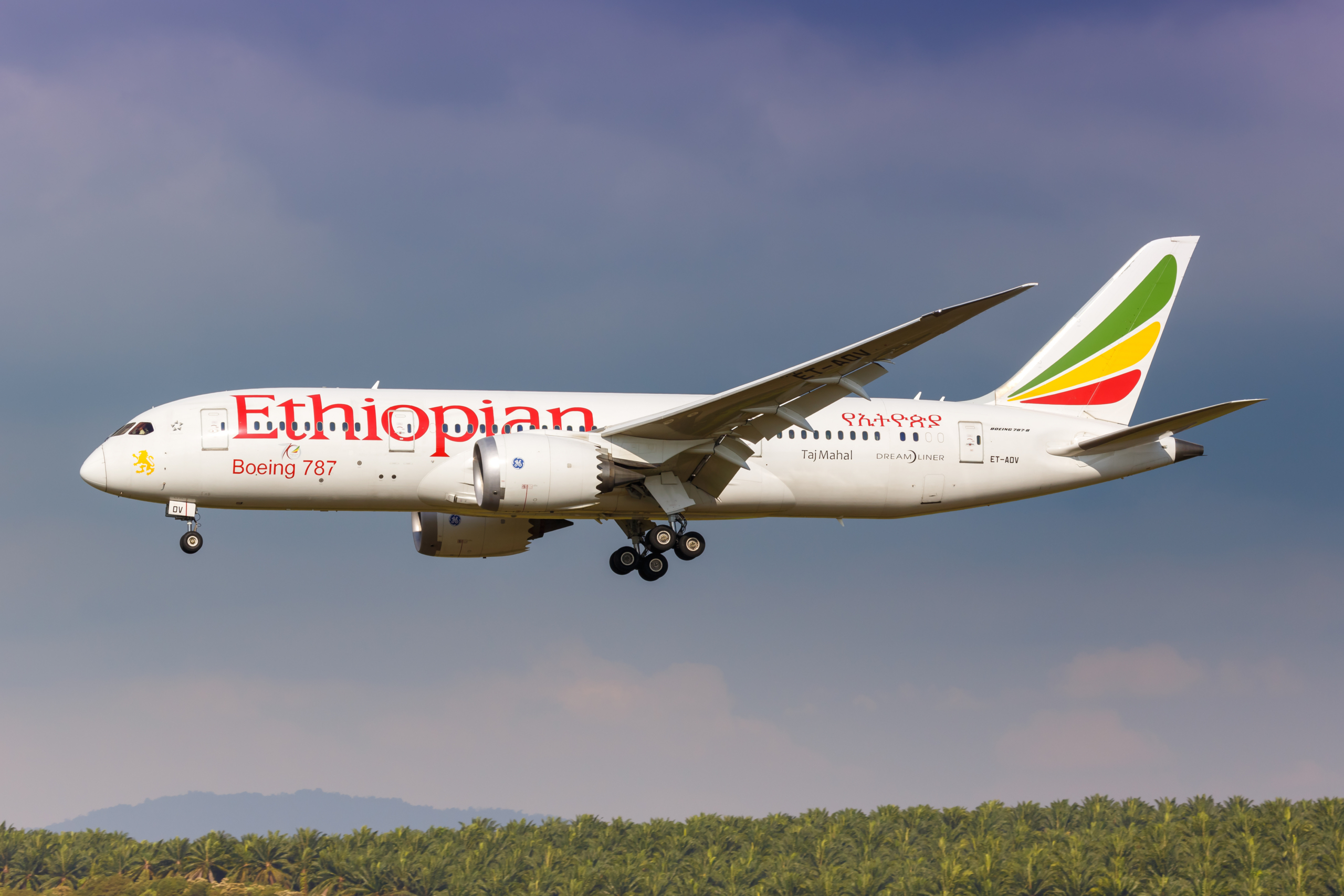

The African Airlines Association (AFRAA) is preparing to extend User Preferred Routes (UPRs) across Eastern and Southern Africa (ESAF) from January 2027, following trials over the summer that delivered significant reductions in fuel consumption, flight times and operating costs.
Africa’s Free Route Airspace gathers momentum
Africa’s move towards more flexible flight routing is gathering momentum, with the African Airlines Association (AFRAA) reporting strong progress in its Free Route Airspace (FRA) initiative. Plans are now well underway to implement the scheme across the ESAF region early next year.
The scheme, which first launched operationally in West and Central Africa (WACAF) in October 2025, is already delivering measurable benefits for participating airlines. Successful trials in ESAF have now demonstrated the potential for further savings, with more than 2000 flights generating approximately US$2 million in reduced operating costs.
FRA allows airlines to plan and fly the most fuel-efficient, timely routes based on current conditions, rather than fixed, conventional routes. The approach gives operators greater flexibility to select routes based on prevailing conditions, helping reduce flight distances, fuel consumption, journey times and associated carbon emissions.
User Preferred Routes (UPRs) are the operational bridge to FRA, under which airlines plan trajectories freely between defined entry and exit points within participating airspace.
“Free Route Airspace is one of the clearest examples of what African aviation can achieve when airlines, air navigation service providers, regulators and financiers work towards a common goal,” said Abderahmane Berthe, AFRAA Secretary General during the AFRAA annual general meeting, which took place in Libreville, Gabon earlier this week.

FRA builds on foundations successfully implemented in West and Central Africa
The initiative’s initial deployment in the WACAF region began with 37 validated UPRs establishing the operational framework.
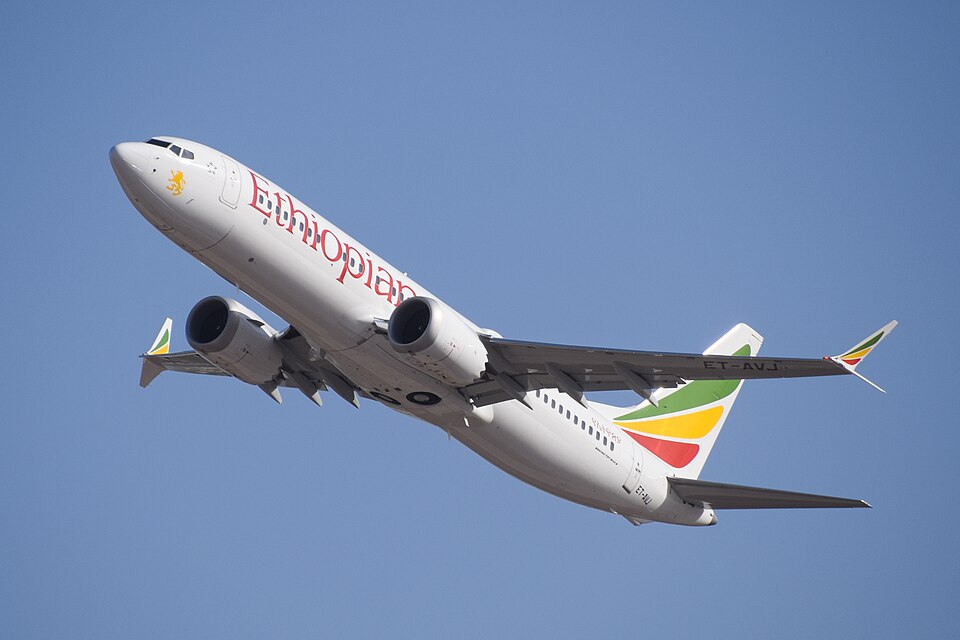
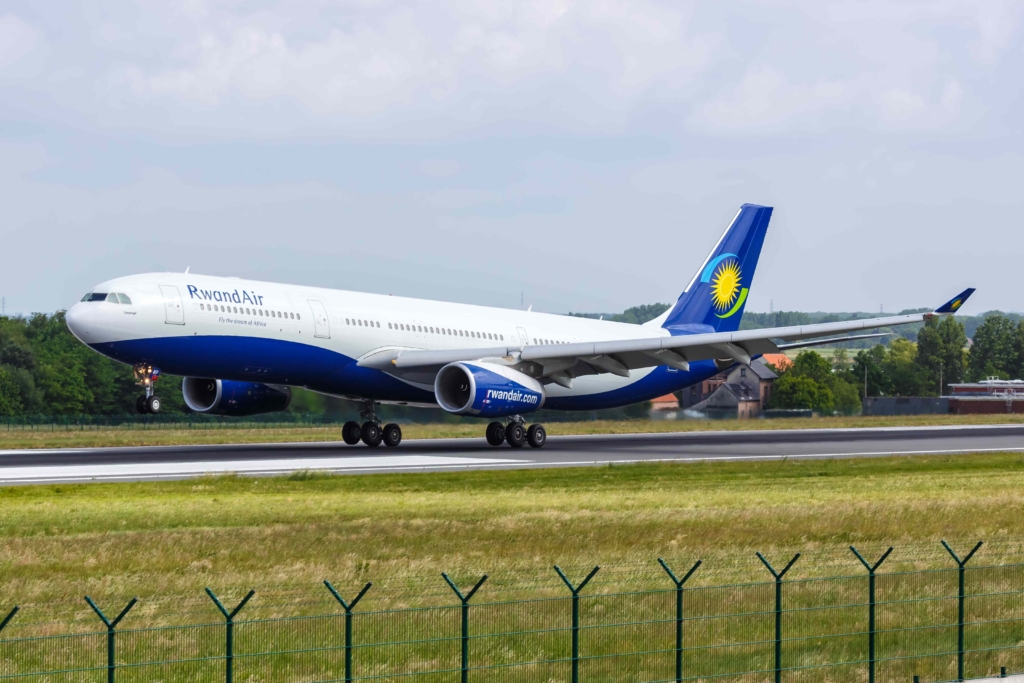
Activity has since increased, with Ethiopian Airlines and RwandAir requesting 17 additional UPRs over the past year. These comprised 10 new routes and seven itinerary amendments, taking the total number of implemented UPRs from 37 to 47.
The progress demonstrates growing airline engagement with more flexible routing and provides a foundation for extending the concept into other African regions.

Acknowledging the support from Afreximbank, which has backed the FRA initiative since trials began in 2023, Berthe said that the bank’s backing had been “instrumental in turning a vision into routes that our airlines fly every day.”
When did Eastern and Southern African trials begin and what’s next?
The next phase of the initiative is focused on the ESAF region, where UPR trials with three of the region’s biggest carriers Ethiopian Airlines, Kenya Airways and RwandAir, began in June 2026.
Trials progressed through one-day, three-day, seven-day and 30-day return flight configurations, covering 11 return city pairs linking Addis Ababa in Ethiopia, Nairobi in Kenya and Kigali in Rwanda with destinations across the region.

These included Johannesburg and Cape Town in South Africa, Harare in Zimbabwe, Lusaka in Zambia, Antananarivo in Madagascar and Dzaoudzi in Mayotte.
By mid-August, more than 20 UPR routes were being supported daily by 15 ANSPs and 16 Flight Information Regions (FIRs), demonstrating the level of cross-border coordination required to deliver more flexible routing across multiple national airspace systems.
The operational results from trials have been significant
Between 1 July and 15 September, the three African carriers engaged in the trial operated 2,189 flights, generating estimated savings of:
- 133 hours of flight time (equivalent to around 8,000 minutes)
- 1,218 tonnes of fuel
- 3,838 tonnes of CO2 emissions avoided
- US$2m in flight operating costs.
- In total, the results equated to savings averaging US$900 and more than half a tonne of fuel per flight.
Beyond the direct financial benefits, the findings highlight the potential contribution f more efficient airspace management to reducing aviation’s environmental footprint, while improving airline operating efficiency.
When will operational UPRs enter service in the ESAF region?
Following the successful trials, UPR operations across East and Southern Africa are set to enter service from 21 January 2027.
Considerable coordination work remains ahead of a January implementation. Participating states, ANSPs and airline operators must finalise and publish the validated ESAF UPR catalogue, agree submission and approval arrangements, complete safety assessments and publish the necessary aeronautical information.
The transition will also depend on effective coordination between the countries and ANSPs responsible for managing the airspace through which the routes pass.
AFRAA is therefore calling for closer engagement between the International Civil Aviation Organization (ICAO), the International Air Transport Association (IATA) and the Civil Air Navigation Services Organisation (CANSO) as well as member states and ANSPs.
In particular, the association is advocating a common performance and monitoring framework for UPR and cross-border FRA operations. The aim is to streamline route coordination and approvals, establish consistent performance measures and accelerate implementation across the continent. AFRAA is also urging states that have not yet signed up to the initiative to do so, arguing that wider adoption will be essential to achieving seamless cross-border operations and maximising the benefits for airlines, passengers and the environment.
Sign up for our newsletter and get our latest content in your inbox.