African governments urged to prioritise aviation investment amid 19.2% rise in demand

3 min read
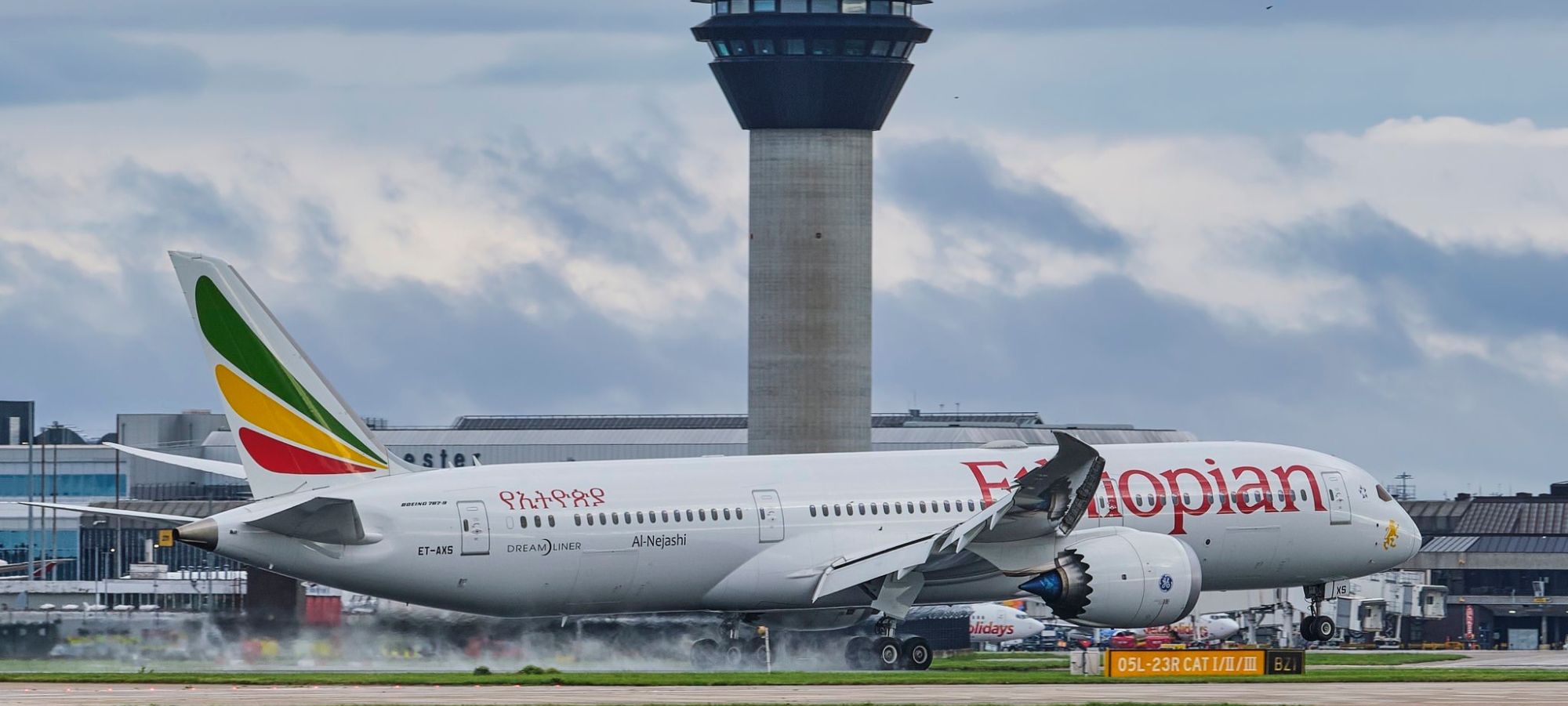
The International Air Transport Association (IATA) is urging African governments to prioritise aviation as a socio-economic enabler, amid steady growth in passenger and cargo traffic.
Speaking at IATA’s Focus Africa forum in Addis Ababa, regional vice president for Africa and the Middle East, Kamil Alawadhi, underlined: “Aviation is economic infrastructure for Africa.”

He argued that a robust aviation strategy focused on safety, cost-competitiveness and sustainability will help create jobs, enable trade and support tourism. “The prosperity this generates will allow governments to push forward social and economic development more durably than any tax that might be collected from travellers.”
African airlines saw 19.2% growth in YoY traffic
IATA data shows that African airlines saw a 19.2% year-on-year increase in demand in March, with capacity up 4.2 year-on-year and load factors reaching 77.7% (+9.8% compared to March 2025).
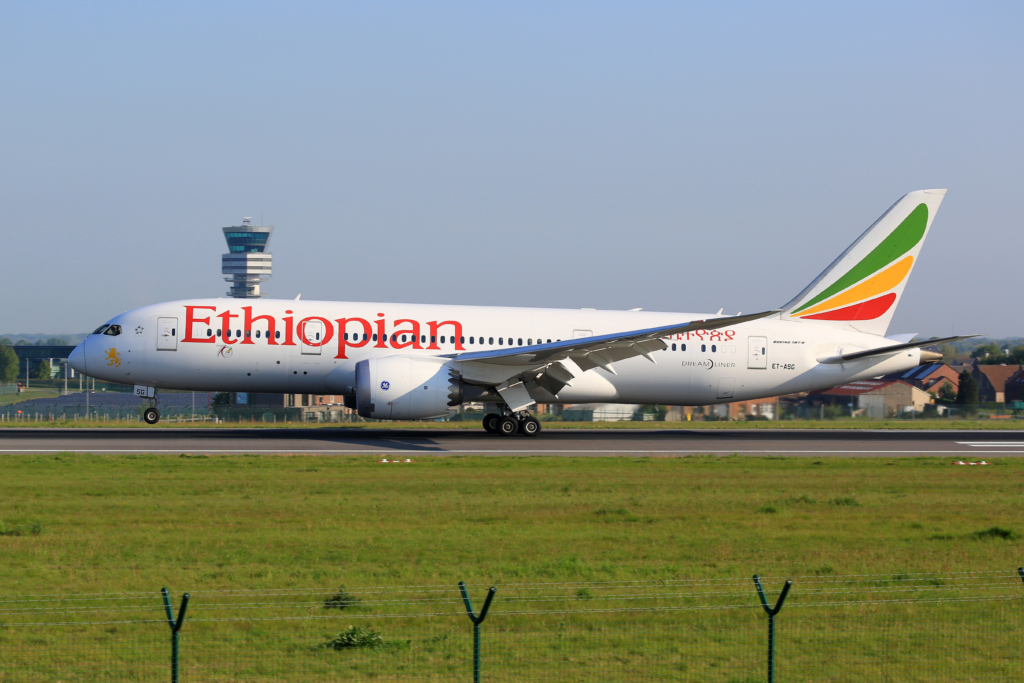
Ongoing conflict in the Middle East has disrupted key transit routes and driven up fuel costs, forcing costly reroutings. The continent’s largest carrier, Ethiopian Airlines, reported weekly revenue losses exceeding $137 million at the height of the disruption to its Gulf and Middle Eastern services.
Structural headwinds compound that pressure. Taxes and charges in Africa typically run 15% above the global average, according to IATA.
Tanzania’s API-PNR charge of US$45 one-way is the highest in the world. Angola, DR Congo, Nigeria, Ghana and Kenya were also singled out for charges exceeding global norms.
Intra-African connectivity also remains constrained, with nearly half of regional travel still requiring advance visas – a barrier IATA said suppresses tourism and economic integration.
Meanwhile, air travel between neighbouring African countries often requires travel outside the continent.
Blocked funds are stifling African airline growth
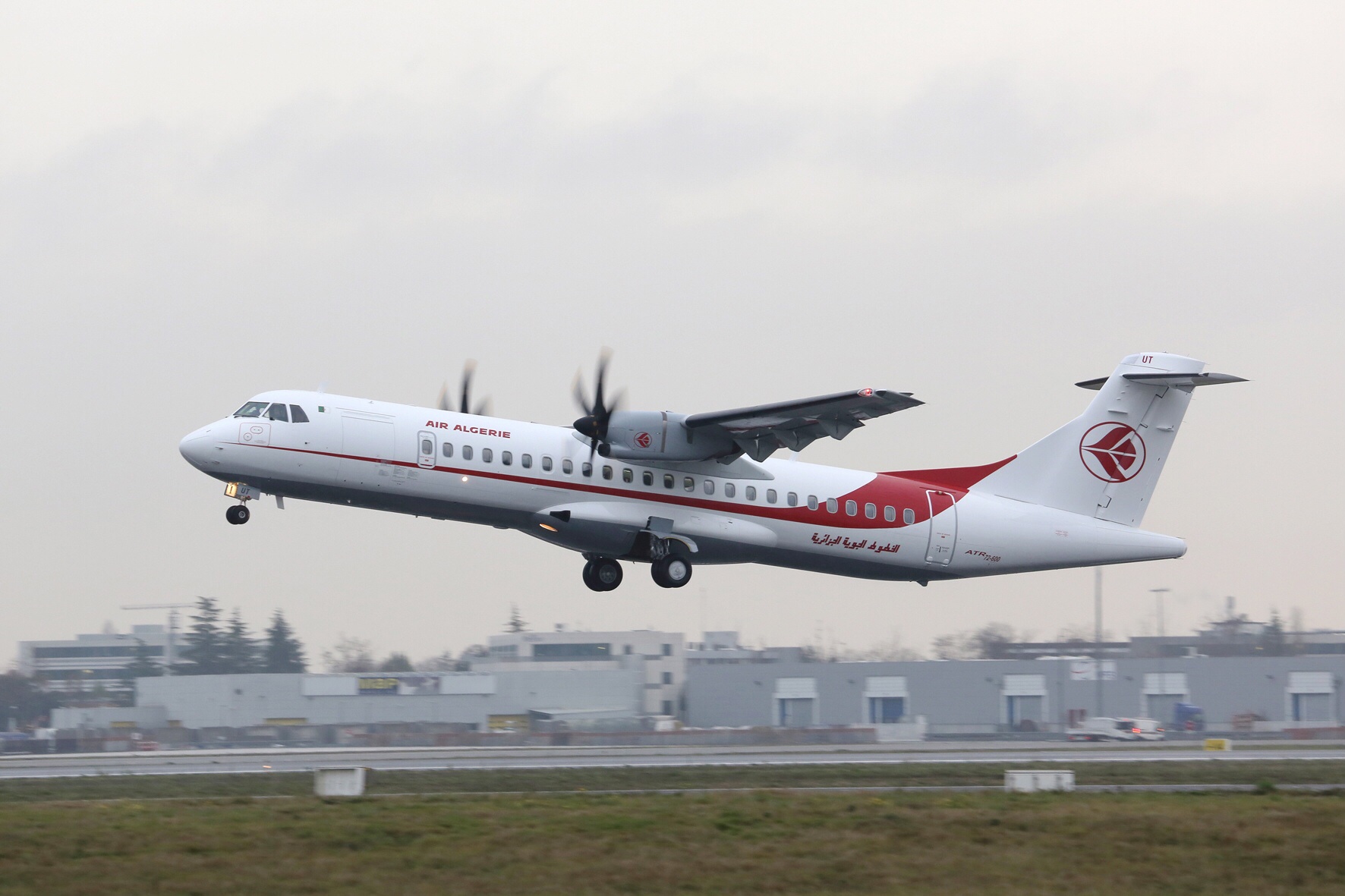
Blocked funds also remain a major concern. Airlines are owed US$774 million across the continent as of the end of March, with Algeria the worst offender at US$258 million.
Alawadhi revealed that IATA’s efforts to engage with Algeria’s Ministry of Trade and Export Promotion and the Central Bank have been met with “little responsiveness, and airlines continue to face delays despite complying with burdensome requirements.”
Safety also demands urgent attention. Although Africa has made significant progress in this domain, with accident rates falling from 12.13 to 7.86 per million sectors between 2024 and 2025, this figure is still the highest among all regions and well above the global average of 1.32.
IATA called for greater implementation of International Civil Aviation Organization (ICAO) Standards and Recommended Practices (SARPS), wider use of global safety audits and more consistent reporting of accidents. Between 2019 and 2023, only 19% of accidents were completed versus the global average of 63%.
Why sustainability and energy security present an opportunity?
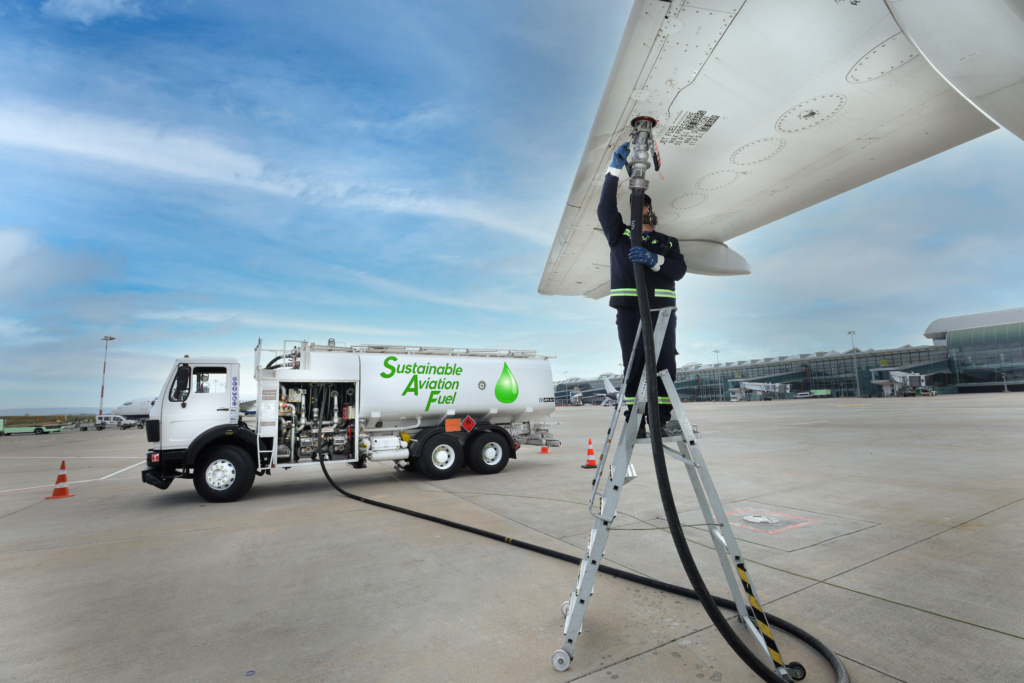
On the opportunity side, sustainability and energy security should be key focus areas, according to IATA. Sub-Saharan Africa’s potential to supply up to 106 million tonnes of SAF-suitable feedstock by 2050, largely from agricultural residues, forestry waste and municipal solid waste, was highlighted, linking energy security with the continent’s sustainability agenda.
Meanwhile, Ethiopia was held up as a beacon for the continent’s aviation sector. Passenger numbers to and from the East African country are expected to triple over the next 20 years, underpinning the need for continued investment in infrastructure, people and sustainability.
“With 60% of Ethiopia’s population under the age of 25, aviation presents a powerful opportunity to transform growth into jobs, skills and broader economic development,” said Alawadhi.
Somalia’s push to expand its aviation sector
On the sidelines of this year’s forum, IATA launched its Billing & Settlement Plan in Somalia, supporting the Somali government’s push to expand its aviation sector and global connectivity.

“The government recognises the significant economic benefits that air travel can deliver, and we are pleased to support them on that journey,” Alawadhi concluded.
Featured image: Ethiopian Airlines