Modern air warfare is driving a boom in airliner to tanker aircraft conversions

5 min read
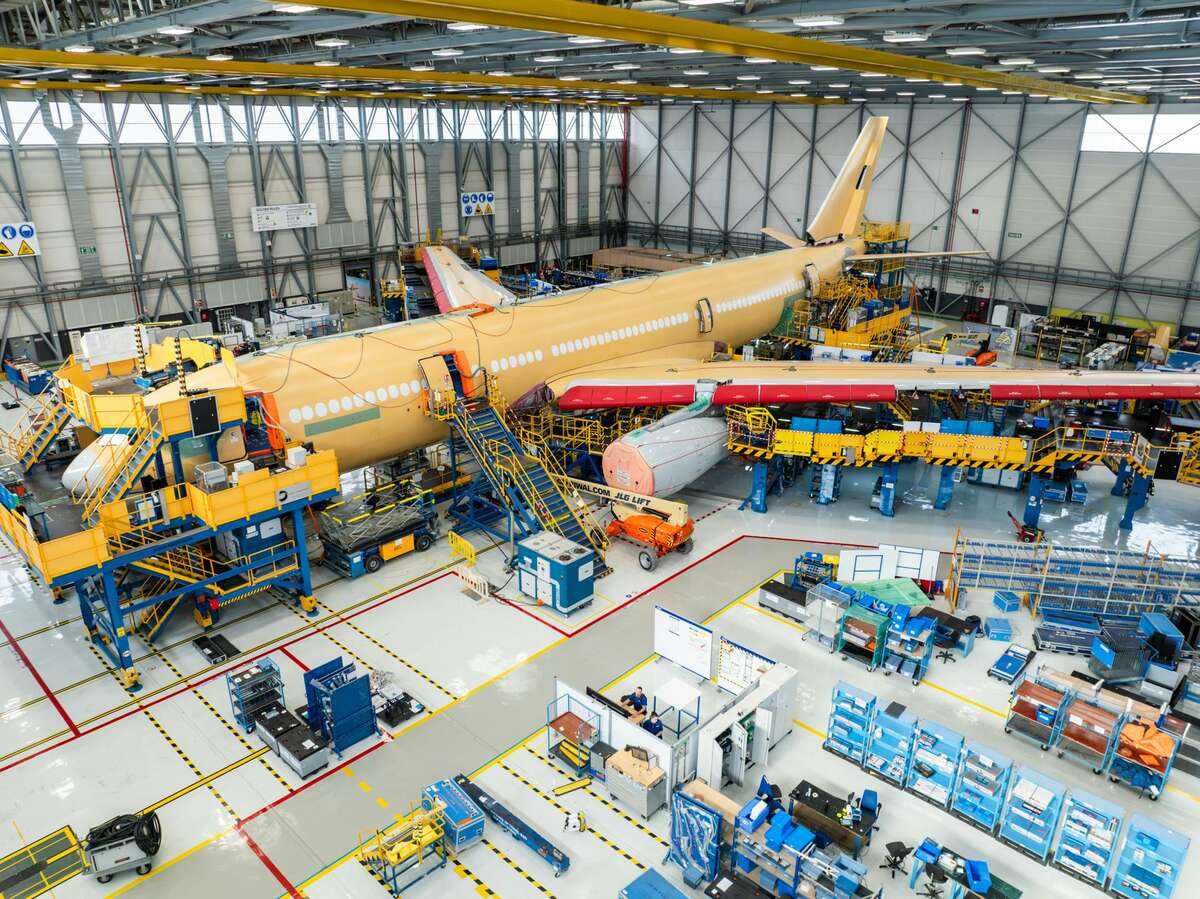
The Airbus A330 MRTT is the most popular tanker outside of the United States, with some MRTTs having been converted from ex-civilian A330-200 airliners. Many air forces are opting for tanker conversions instead of new-built military tankers, while others purchase purpose-built tankers built from the ground up as military aircraft.
Why tankers are critical to power projection
Tankers are one of the primary pillars of the US Air Force’s ability to project air power. They enable the US to rapidly deploy its aircraft almost anywhere, enable a massive air bridge, and are critical to providing the range and endurance fighter jets need in combat.
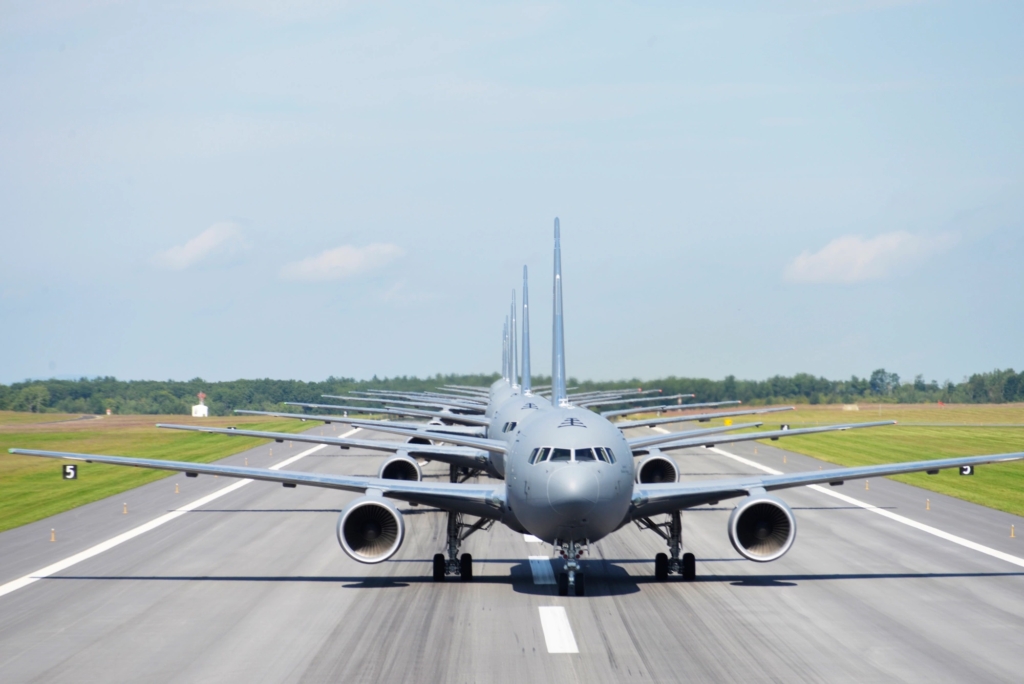
When fully loaded in realistic combat scenarios, many fighter jets have a combat radius measured in less than 400 nautical miles. This forces fighter jets to be deployed to more vulnerable forward airbases. It also forces difficult compromises to be made, such as reducing the fighter jet’s munitions payload in favour of more fuel.
During Operation Epic Fury, the United States likely deployed more dedicated airliner-type tankers than Europe has in total.
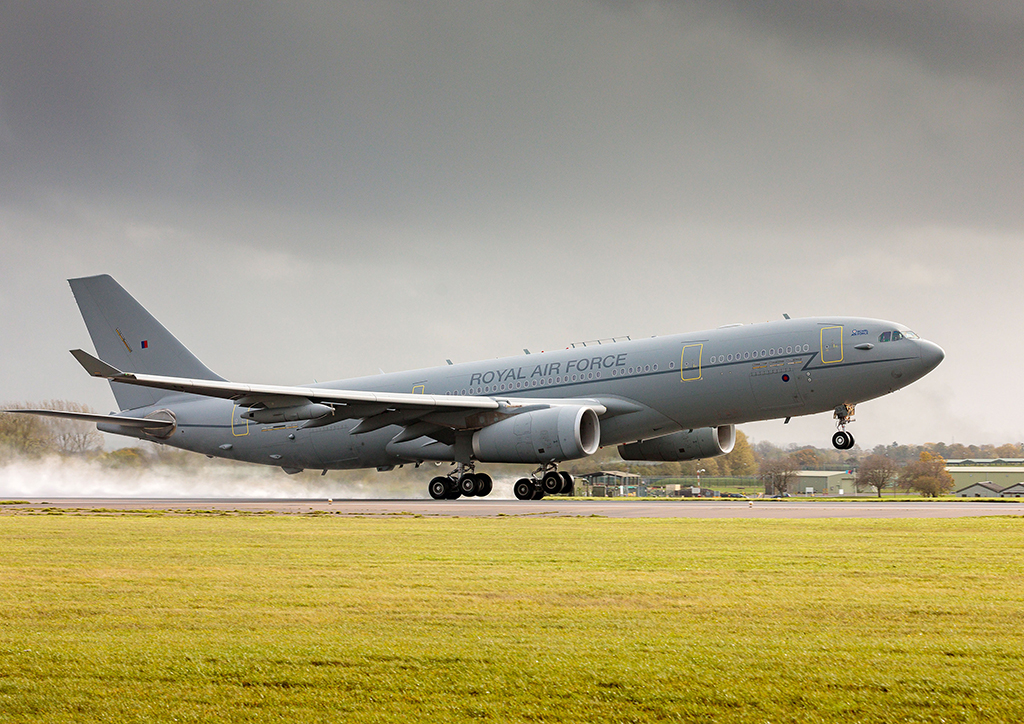
It’s not just the US; without its limited fleet of aging Boeing 707-based Israeli tankers, last year’s Operation Rising Lion would not have been possible. Tankers (Voyager KC2/MRTTs) are also central to the UK’s ability to defend the Falkland Islands and to project power from RAF Akrotiri on Cyprus.
The United States is by far the largest operator of tanker aircraft, boasting around 75% of the world’s total, depending on how they are tallied.
However, the United States is also notable in that all its tankers (KC-46As, KC-135Rs) are dedicated factory-built tankers based on civilian airliners. They are not later conversions.
The tanker conversion trade-offs
The three main tanker types are the KC-135 (based on Boeing 707), the KC-46A (based on 767), and Airbus A330 MRTT (based on A330). Countries like the United States and the United Kingdom have ordered their tankers purpose-built as military aircraft.
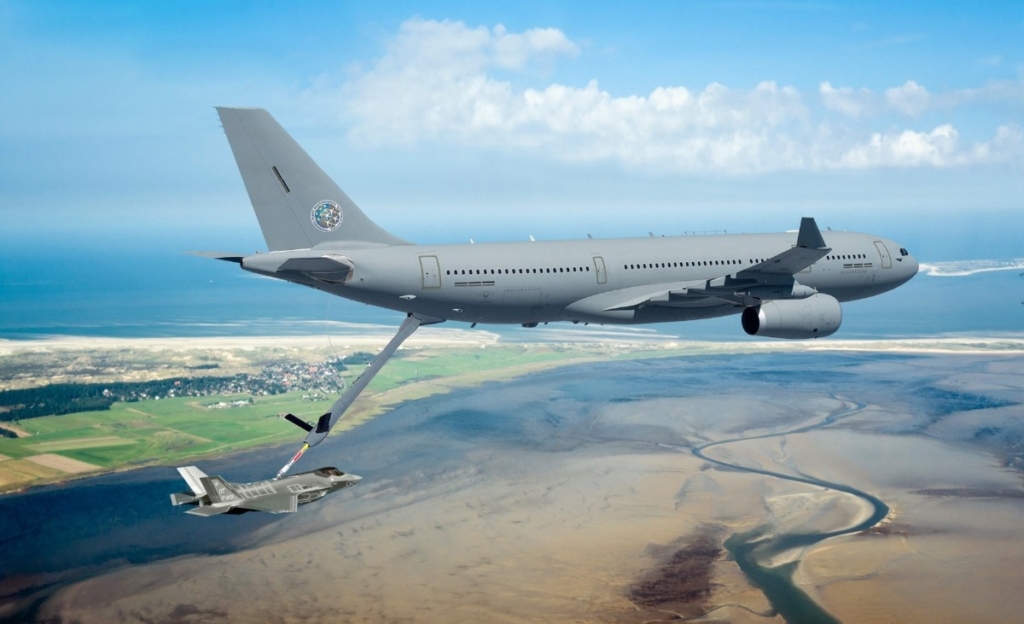
However, it is possible to convert ex-civilian airliners like the 767 and A330 into military tankers. These converted tankers are generally less capable than purpose-built or deeply militarized tankers. Some conversions can be thought of as KC-46A-lite and MRTT-lite.
The KC-135 differs somewhat. It is a very old design and resembles something closer to a converted civil aircraft.
A converted tanker may be modified with fuel tanks, hose pods, and military avionics. Meanwhile, a purpose-built tanker (particularly KC-46s and MRTTs) will typically have structural reinforcement, survivable systems, boom operator systems, hardening, redundancy, and more military avionics.
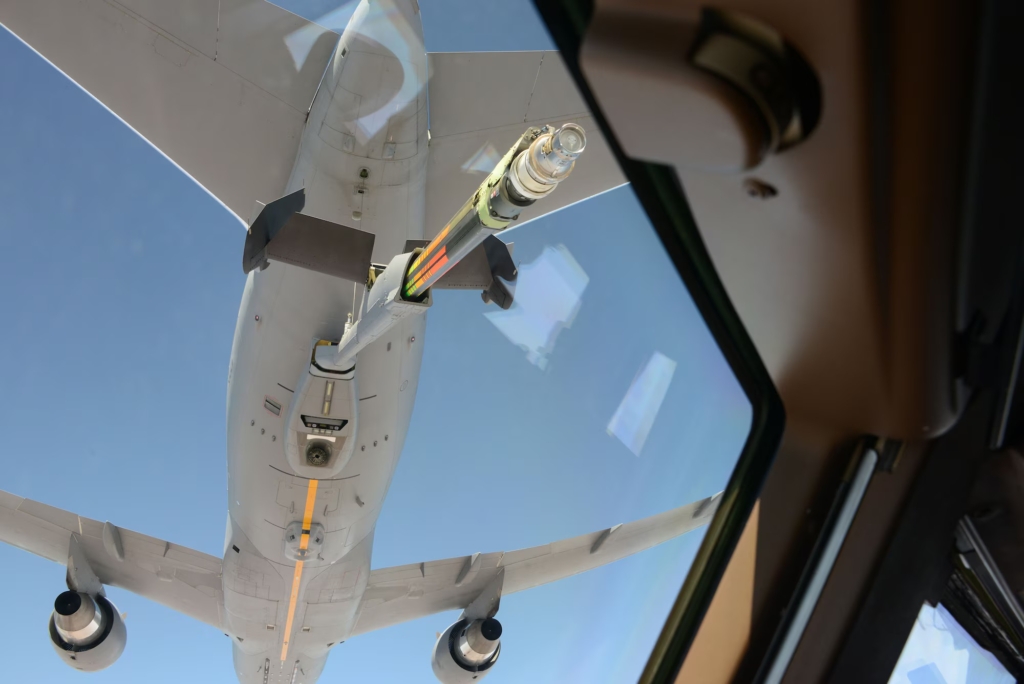
The KC-46 has the deepest military adaptations built into its airframe from the beginning. Notably, they even come with PW4000 engines instead of the CF6 engine that all remaining civil 767 aircraft are built with.
The KC-46 has flight deck armour, EMP hardening, and more. That said, many analysts consider the MRTT more operationally mature, and this is reflected in its border customer base.
The main advantages of converting tankers are that they offer a lower initial cost and don’t come with long lead times. For many air forces, they are good enough, especially when complementing dedicated fleets.
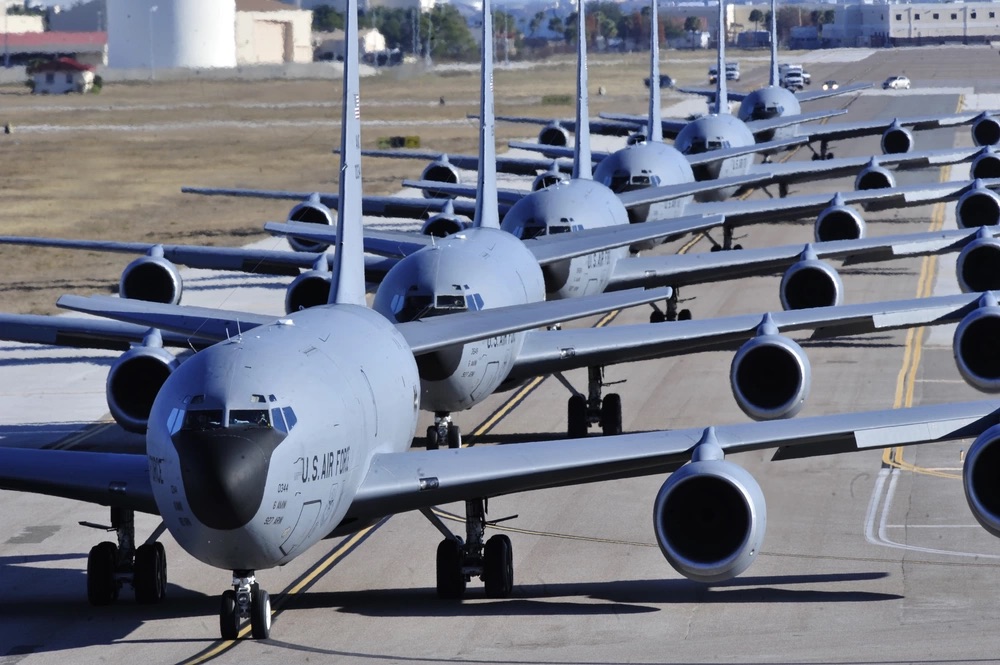
This is especially true for air forces that don’t expect their tankers to operate in high-threat environments, unlike the United States.
Get the latest aerospace defence news here on AGN.
Air forces with converted tankers
Many air forces around the world operate converted tankers, including Israel (being replaced by the KC-46A), Iran (mostly destroyed), Canada, Germany, Pakistan, Colombia, and others.
We are proud to share Omega is now providing contracted air-to-air refueling services to U.S. Air Force fighter aircraft. Learn more: https://t.co/VaCfbPwRHQ pic.twitter.com/xsXODEjD2p
— Omega Air Refueling (@OmegaTanker) February 9, 2024
Even though the US Air Force doesn’t operate converted ex-civilian airliner tankers directly, it is served by them through the contractor Omega Aerial Refueling Services, which operates converted KDC-10 and 707 tankers.
India has contracted Israel Aerospace Industries and India’s HAL to convert six Boeing 767 aircraft into tankers for around $1 billion.
Canada’s Strategic Tanker Transport Capability (STTC) includes nine Airbus A330 MRTT aircraft (designated CC-330 Husky) made up of four new-build aircraft and five converted commercial A330-200s.
It should be noted that the line between converted and nonconverted tankers can get blurry. Some airframes may start out life on the production line and then be deeply converted into military aircraft.
Italian Air Force buy 6 Airbus A330 MRTTs. Boosting NATO/national reach, these multirole tankers combine automatic boom/pod refueling (A3R for F-35s) with huge transport capacities and modularity: 380 troops, 45t cargo bay, or advanced MEDEVAC setups. Full delivery in ~ 40 mo. pic.twitter.com/XJYaRaLAWQ
— Ciro Nappi (@CiroNappi6) May 19, 2026
Some conversions are light (basic fuel tanks, hose/drogue pods, and basic avionics) while others are deep conversions that bring the aircraft on par with a purpose-built MRTT (structural reinforcement, military systems integration, survivability upgrades).
Airbus expanding A330 MRTT conversions
In May 2026, Airbus announced it was opening a new A330 Multi Role Tanker Transport (MRTT) conversion centre at its San Pablo plant in Seville, Spain.
Airbus Defence and Space will open an A330 Multi Role Tanker Transport (MRTT) conversion centre at its San Pablo plant in #Seville by the end of 2027 to meet the increase in global demand for tanker aircraft.
— Airbus Defence (@AirbusDefence) May 20, 2026
This new centre, alongside Airbus' existing facility at its #Getafe… pic.twitter.com/LVqN61RxU9
The centre will complement Airbus’ existing facility in Madrid and will allow Airbus to increase the annual conversion of civil aircraft to military tanker aircraft from five to seven. The new centre will also handle Maintenance, Repair and Overhaul (MRO) work and will be working on A330 MRTT upgrades.

The facility is to be operational by the end of 2027 and is being done in response to the “increase in global demand for tanker aircraft.”
Featured Image: Airbus
Sign up for our newsletter and get our latest content in your inbox.


More from


October 17, 20265 min read

October 17, 20264 min read