US Air Force to cannibalise early KC-46 Pegasus tankers to improve fleet readiness

3 min read

The US Air Force intends to cannibalise several early-build KC-46 Pegasus aircraft for spare parts and testing as part of a wider effort to improve the troubled tanker fleet’s readiness and accelerate long-delayed upgrades.
Announced jointly with Boeing on 12 May, the plan effectively turns five non-operational early-production KC-46s into strategic donor aircraft, allowing the Air Force to extract engines, landing gear and other high-value components to support operational tankers already in service.
The move forms part of a broader agreement between the Air Force and Boeing aimed at improving KC-46 availability by more than 20% by 2030 while accelerating delivery of the long-awaited Remote Vision System 2.0 (RVS 2.0) upgrade.
Air Force will use early KC-46 aircraft as strategic donor airframes
According to the Air Force, three of the five early-build aircraft will provide “high-value spare parts” to alleviate ongoing parts shortages affecting the operational fleet.
The service said the aircraft were not scheduled to enter operational service until around 2031, allowing components that would otherwise remain tied up in storage and test aircraft to be redirected immediately into frontline support.
“This effort allows the Air Force to immediately free otherwise ‘trapped’ materiel,” the service said in a statement.
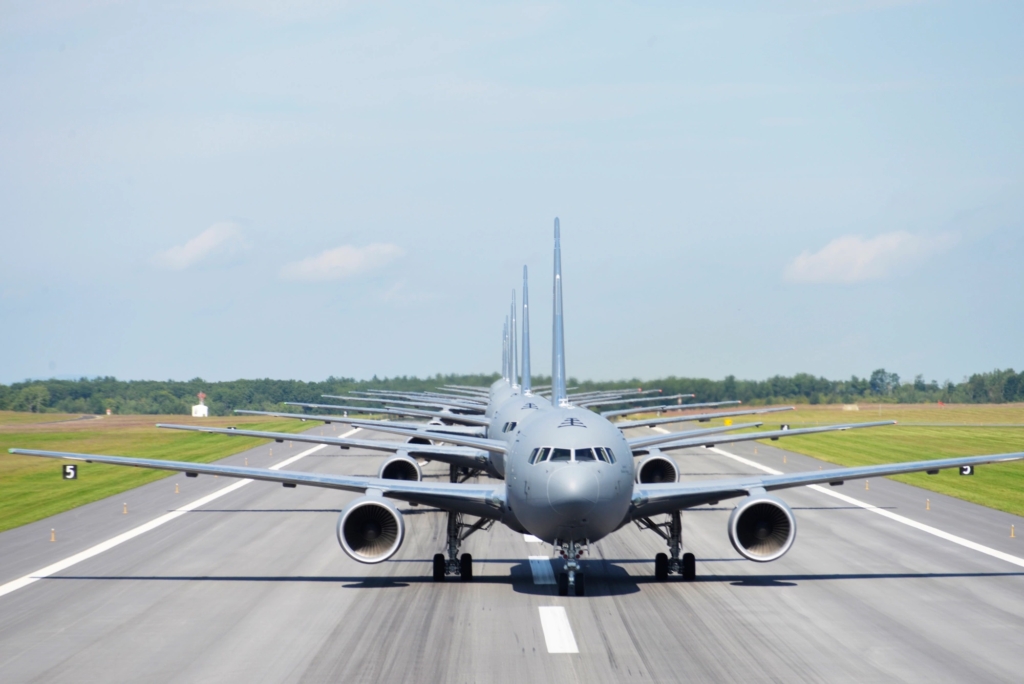
Among the components expected to be removed are engines and landing gear assemblies, parts that have become key contributors to aircraft availability challenges across the KC-46 fleet.
While the Air Force framed the decision as a strategic readiness initiative, the move effectively amounts to a controlled cannibalisation programme designed to keep operational Pegasus tankers flying while broader sustainment improvements are implemented.
The remaining repurposed aircraft will become dedicated test assets, allowing operational aircraft to spend less time supporting developmental activities and more time available for missions.
Boeing and USAF seek to improve KC-46 readiness
The readiness initiative comes as the Air Force and Boeing continue efforts to stabilise the KC-46 programme following years of technical and operational problems.
Central to the latest agreement is acceleration of the long-delayed RVS 2.0 upgrade, which replaces the tanker’s controversial remote boom operator vision system.
The Air Force said the new approach would cut the planned retrofit timeline from 13 years to seven while reducing aircraft downtime during modification work by 90%.
The agreement also introduces a temporary five-year performance-based logistics arrangement focused on improving the reliability of the aerial refuelling subsystem, one of the largest contributors to poor fleet availability.
“The KC-46 is a cornerstone of US power projection, and we are proactively partnering with Boeing to ensure it is always ready to deliver,” said Secretary of the Air Force Troy Meink.
The service believes the combined initiatives will deliver a near-term readiness improvement of approximately 6%, rising to more than 20% fleet availability growth by 2030.
Boeing KC-46 remains central to USAF tanker modernisation
Despite its troubled development history, the KC-46 remains the backbone of the Air Force’s future aerial refuelling strategy.
Derived from the Boeing 767-2C, the Pegasus is intended to replace large portions of the ageing KC-135 Stratotanker fleet while supporting global US military air operations.
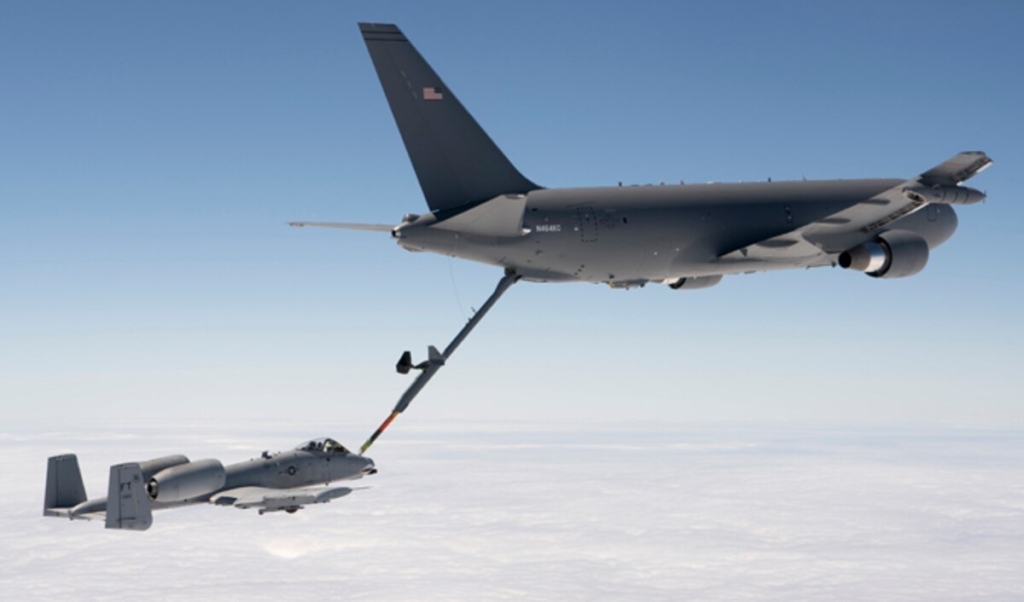
The aircraft has faced persistent issues since entering service, including deficiencies with its Remote Vision System, boom stiffness problems affecting certain receiver aircraft, fuel leaks and recurring maintenance challenges.
Even so, the Air Force continues expanding the fleet while simultaneously attempting to improve reliability and availability rates. In December, the force hit a fleet size of 100 KC-46 delivered, and the latest budget documents suggest an eventual fleet size of 319 aircraft or more.
The latest agreement suggests the service is now prioritising operational readiness and sustainment improvements as heavily as new aircraft deliveries themselves.
Featured image: Boeing