


Ukraine converts Aeroprakt A-32 ultralight into FPV drone mothership

4 min read
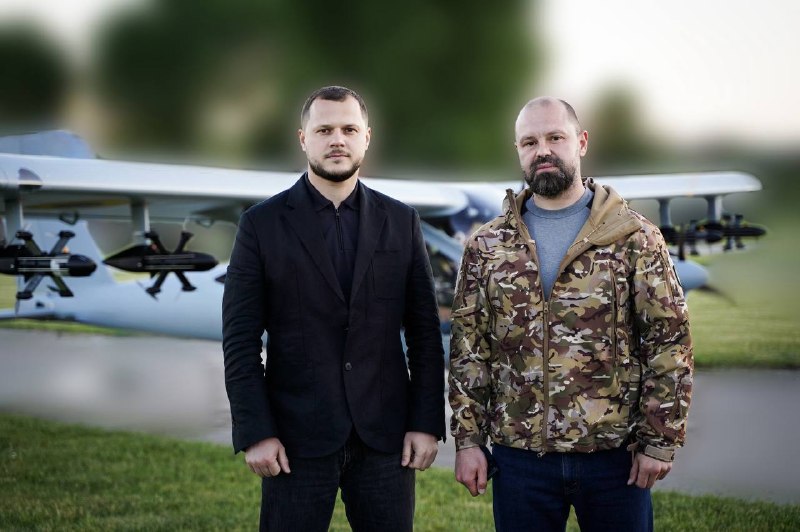
Ukraine has developed a drone mothership variant of its ultra-light A-32 sportscraft. It is yet another development in the race between Russia and Ukraine to extend the range, speed and preserve the batteries of their interceptor and FPV drones.
Ukraine’s new Aeroprakt A-32 drone carrier
Images have emerged from Ukraine showing the Aeroprakt A-32 converted into a drone carrier. The A-32 is a high-wing ultralight and light-sport aircraft. It was initially built as a two-seat aircraft.
Ukraine converted a civilian Aeroprakt A-32 ultralight — a cheap, domestically-made two-seater — into an airborne mothership for FPV interceptor drones, mounting up to six under the wings. pic.twitter.com/aMuqJ3ABgk
— Clash Report (@clashreport) June 1, 2026
Clash Report posted, “Ukraine converted a civilian Aeroprakt A-32 ultralight — a cheap, domestically-made two-seater — into an airborne mothership for FPV interceptor drones, mounting up to six under the wings.”
The photos appear to show four visible FPV interceptor drones attached with the capacity for more. The system is designed to extend the range and loiter time of interceptors as they counter Russian drones like Shahed-type one-way attack munitions.
It also provides a boost to the interceptors by launching them at speed and at altitude, rather than at ground level.
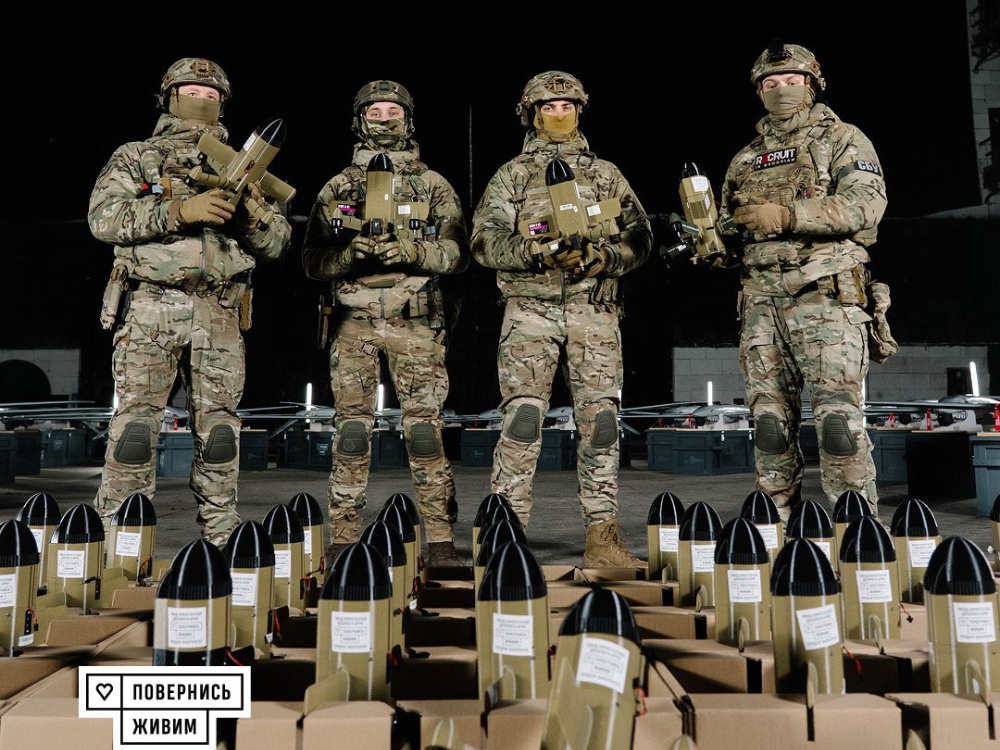
The circle of innovation and adaptation is continuing. Ukraine has developed a range of cheap (approx. $2,500) interceptor drones able to take down Russian Shahed-type drones (costing lower tens of thousands).
In response, Russia has looked at finding ways to make the Shaheds faster (e.g., jet-powered) and fly higher.
The unrelenting quest for range
Both Russia and Ukraine are aggressively innovating a broad range of mothership platforms to extend the range of their drones.
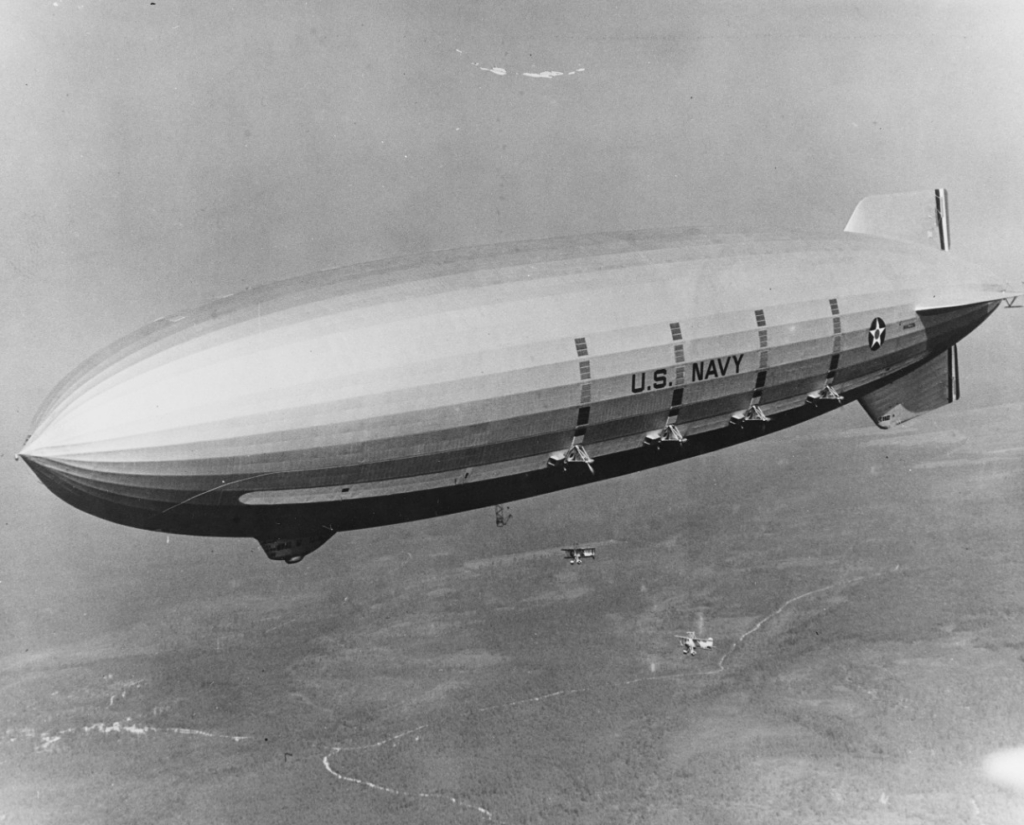
The concept of airborne aircraft carriers has been around since at least the 1930s, when the US Navy built two massive Akron-class airships designed to carry up to five F9C-2 Sparrowhawk fighter biplanes.
Throughout the history of warfare, one of the defining factors that drives innovation is the quest for more range. This is true for everything from bows and arrows to muskets to cannons to aircraft to long-range missiles.
FPV drones have become central to the Ukrainian and Russian way of war. But a limiting factor is their limited range, especially in real-world battlefield conditions with jamming. The war has seen the rise of fibre-optic FPV drones to overcome jamming and increase range.
Get the latest aerospace defence news here on AGN.
Burgeoning collection of mothership craft
Both Russia and Ukraine appear to be looking at ways to mothership-ize almost every platform they have. It should be noted that the distinction between a drone and a missile can become easily blurred in this war.
Ukraine has modified its A-32 ultra-light aircraft, its FP-1 one-way attack drones, built an AI-powered mothership (e.g., GOGOL-M), developed Justifier Drones, and more to launch smaller drones.
🚀 Balloon-launched drones for low-cost, long-range strikes?
— Louis.Saillans (@LSaillans) May 20, 2026
Just watched this impressive demo from KettleTech Labs: their “Hornet” fixed-wing UAV is carried by a simple weather balloon to high altitude, auto-released, and glides in with a full battery, dramatically extending… pic.twitter.com/c0Weg7Jutn
Recently, it has been reported by Defense Express that Ukraine is testing high-altitude balloons to carry and release kamikaze drones at altitude.
One balloon test carried a Hornet drone around 42 kilometres to an altitude of eight kilometres. The launch allowed the drone to save most of its battery for the strike.
But it’s not just in the air. On the ground, Ukraine famously recruited Russian lorries and unwitting lorry drivers as motherships for its FPV drones to attack Russian strategic bombers on the ground in Operation Spider Web.
More recently, Ukraine has been using Gnom-DC Unmanned Ground Vehicles (UGVs) to launch drones. On the sea, Ukraine is using its sea-going drones (e.g., Sea Baby) to launch aerial drones.
Russia has been adapting its Orlan-10, Molniya-2, Shahed-type, and other drones as carriers.
As Russia and Ukraine look to small, cheap, and attritable mothership platforms for the current war, others are looking to employ large, expensive platforms to act as future drone motherships.
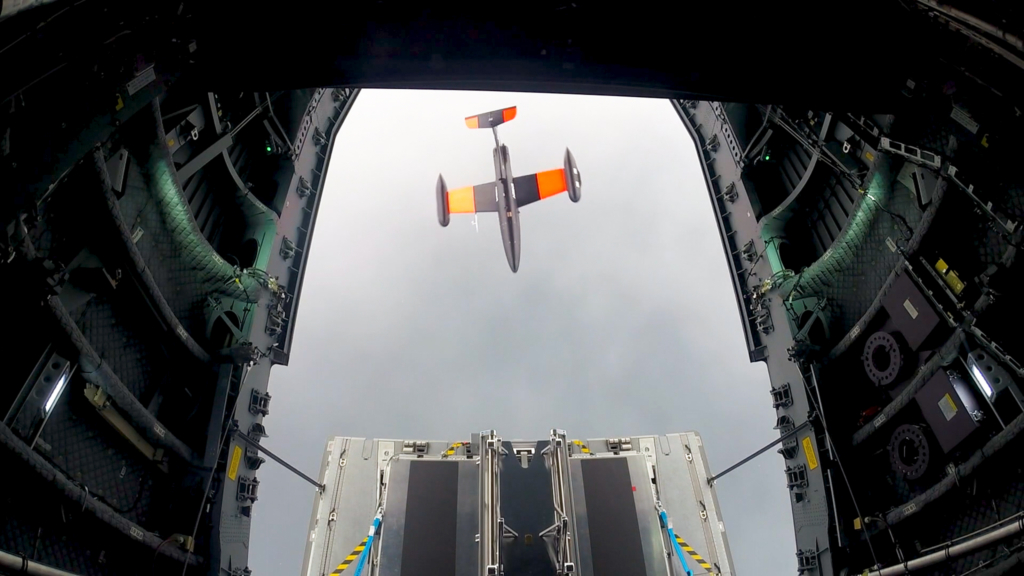
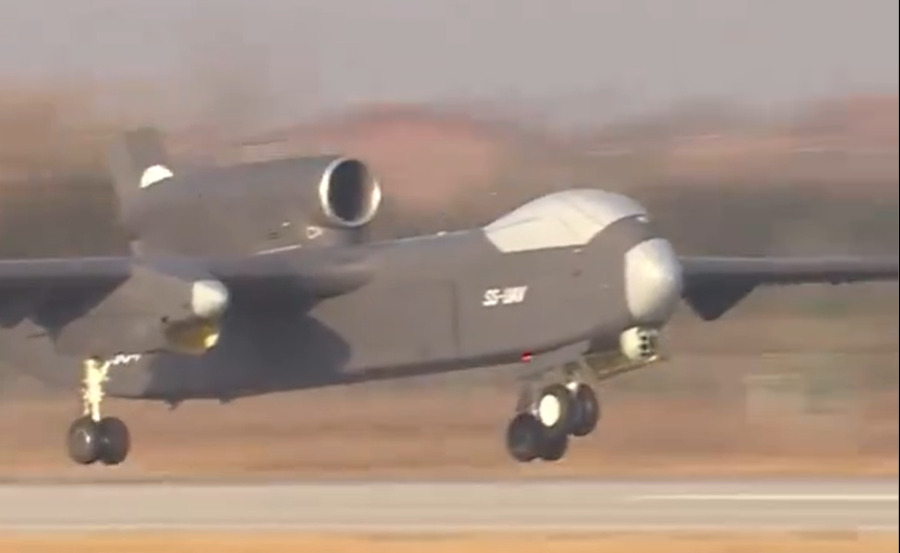
Examples include China’s purpose-built massive 16-ton Jiutian drone carrier and Airbus’ efforts to develop a mothership version of the large A400M Atlas strategic transporter.
Featured image: Ukraine goverment/Mykola Kalashnyk


