


Marking 63 years since the BAC One-Eleven’s first flight: The British jetliner that took on Boeing and Douglas

7 min read
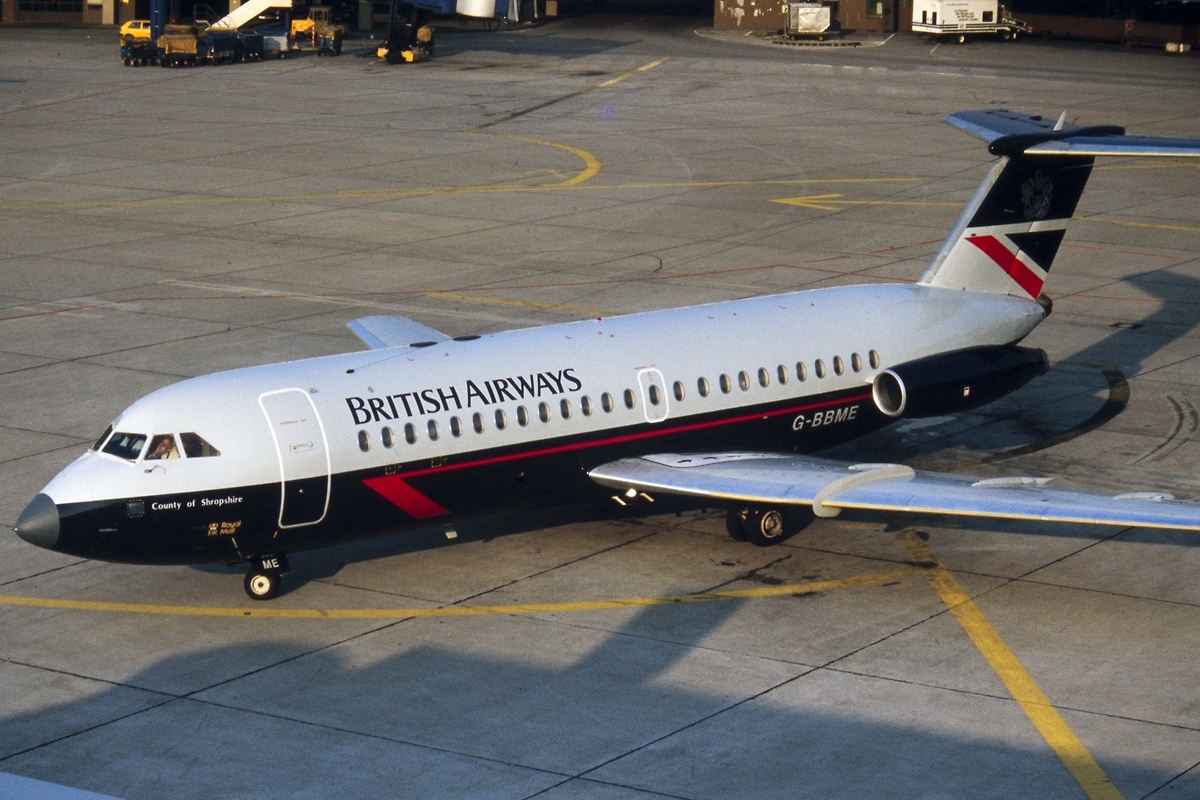
With the 1960s underway and the demand for jet-powered passenger aviation soaring, aircraft manufacturers on both sides of the Atlantic were scrambling to develop the next generation of short-haul airliners.
Boeing and Douglas led the way with their 737 and DC-9s, respectively. Yet a small number of other contenders also entered the fray.
One of these was the British Aircraft Corporation (BAC) with its One-Eleven. Built with versatile ruggedness and the ability to operate into smaller regional airports, the One-Eleven captured the attention of airlines worldwide.
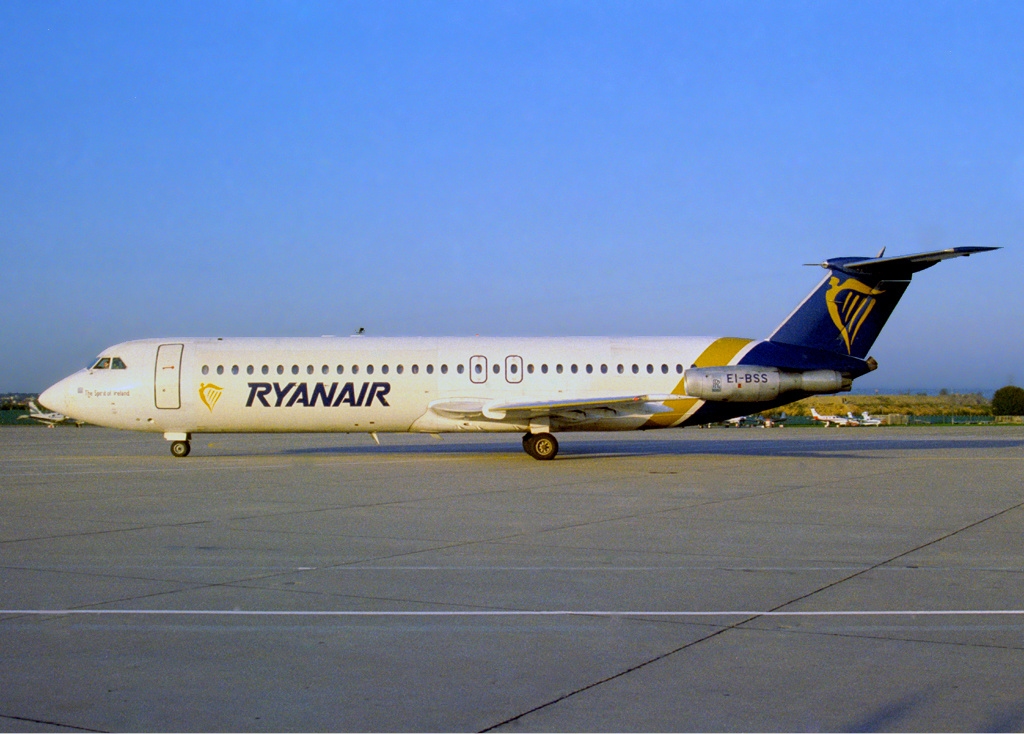
Eventually selling 244 One-Elevens in total, the type went on to enjoy a decades-long career, which only ended as stricter noise restrictions and more economic alternatives became available in the 1980s.
Yet for the One Eleven, the aircraft had already made its mark and, importantly, had taken on Douglas and Boeing in their backyard, enjoying moderate success in the process.
BAC One-Eleven origins: Britain’s answer to the short-haul jet age
Starting its history in 1956, the BAC One-Eleven originated from a 32-seat turbojet-powered transport which was designed as a project by Hunting Aircraft of the UK. Then identified as the Hunting H107, it was planned with two rear-mounted Bristol Orpheus turbojets.
However, after wind tunnel evaluation, the design was amended to incorporate turbofans. While still at the development stage, this switch led to a delay of four years, by which time Hunting Aircraft had been acquired by the British Aircraft Corporation (BAC).
BAC decided to resurrect the H107 for further market research and development by the combined design teams of Hunting and Vickers at Weybridge, Surrey, UK.
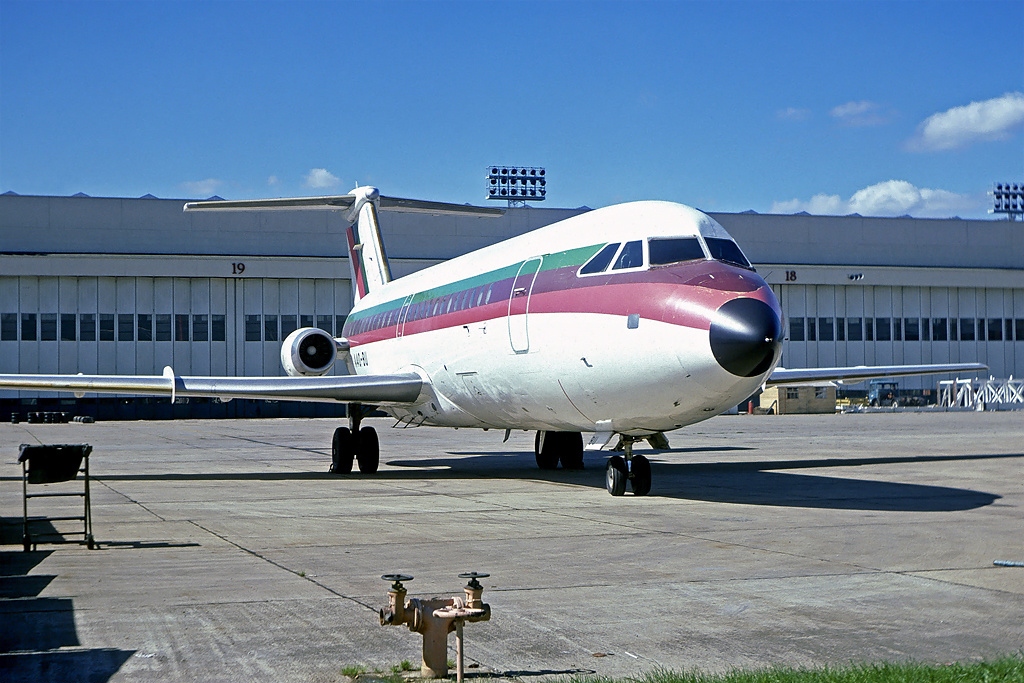
There was little commercial enthusiasm for the BAC 107 in its final Hunting configuration, with accommodation for just 59 passengers. However, there was sufficient interest in a version with a maximum of approximately 80 seats to warrant the construction of a prototype and static test airframe.
Designated the BAC as the One-Eleven, the final revised aircraft incorporated a circular cross-section all-metal pressurised fuselage, low-swept monoplane wings incorporating Fowler-type trailing edge flaps and airbrake spoilers on the wings’ upper surface.
A T-shaped tail included a variable-incidence tailplane, and the landing gear of hydraulically retractable type had twin wheels on each unit.
Accommodation was provided for a maximum of 79 passengers in the five-abreast, high-density seating configuration, and in addition to a conventionally placed passenger door at the forward end of the cabin on the port side, the BAC One-Eleven also featured a ventral airstair below the tail unit, giving access to and from the aft end of the cabin.
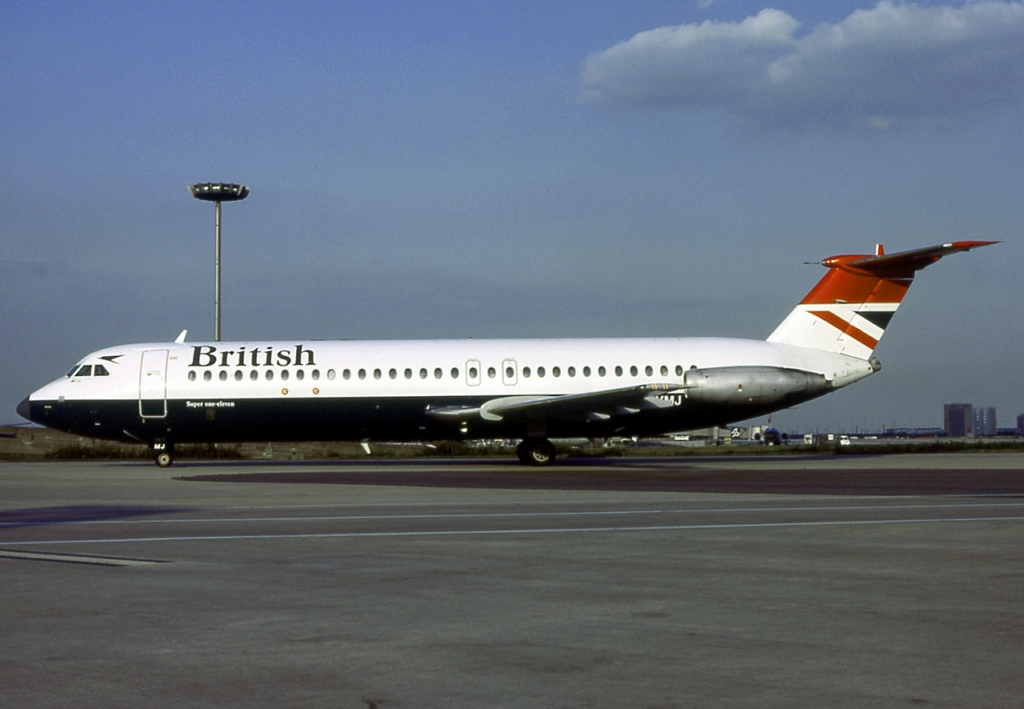
Powerplants for the prototype One-Eleven series 200 (registered G-ASHG, which was intended as the basic production version) consisted of 24, 722 kg-thrust Rolls-Royce Spey Mark 506 turbofans. The prototype One-Eleven flew for the first time on 20 August 1963 at Hurn Airport near Bournemouth, UK.
However, two months later, on 22 October 1963, G-ASHG was tragically lost during its flight development programme together with an experienced crew of seven.
The subsequent investigation showed the cause to be a deep stall resulting from the T-tail rear-mounted engine configuration, and remedial action included the installation of powered elevators, a stick pusher, and modification of the wing leading edges.
These changes were adequate to prevent the aircraft from assuming an inadvertent and dangerous angle of attack, a condition peculiar to this configuration in which the wing loses lift and the horizontal tail surfaces are level. Causing the risk of a loss of longitudinal stability, the accident was also responsible for extending the test and development programmes of the One-Eleven.
The full certification and airworthiness were eventually awarded on 5 April 1965, with the detailed investigation of the cause and remedy of the deep stall phenomenon proving of considerable value to aircraft designers and manufacturers worldwide.
How the BAC One-Eleven evolved from the 200 to the 500 series
Long before certification in May 1963, BAC announced that it was intending to develop two other buildings in addition to the basic 200 Series; these were to include an increased payload One-Eleven Series 300 and a generally similar One-Eleven Series 400 that would incorporate modifications to meet US regulatory requirements.
As well as introducing more powerful engines, the Series 300 had increased fuel capacity and strengthened wings and landing gear to cater for a 3,856 kg increase in gross weight.
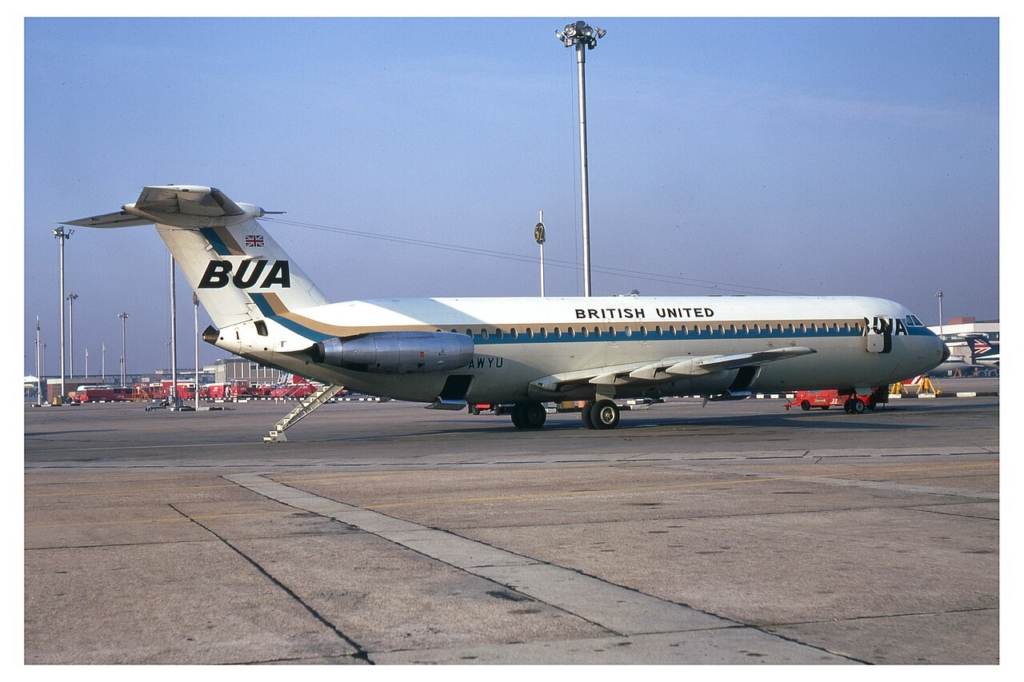
Interest in the One-Eleven was growing following the initial order for 10 Series 200 aircraft from British United Airways (BUA) in the UK.
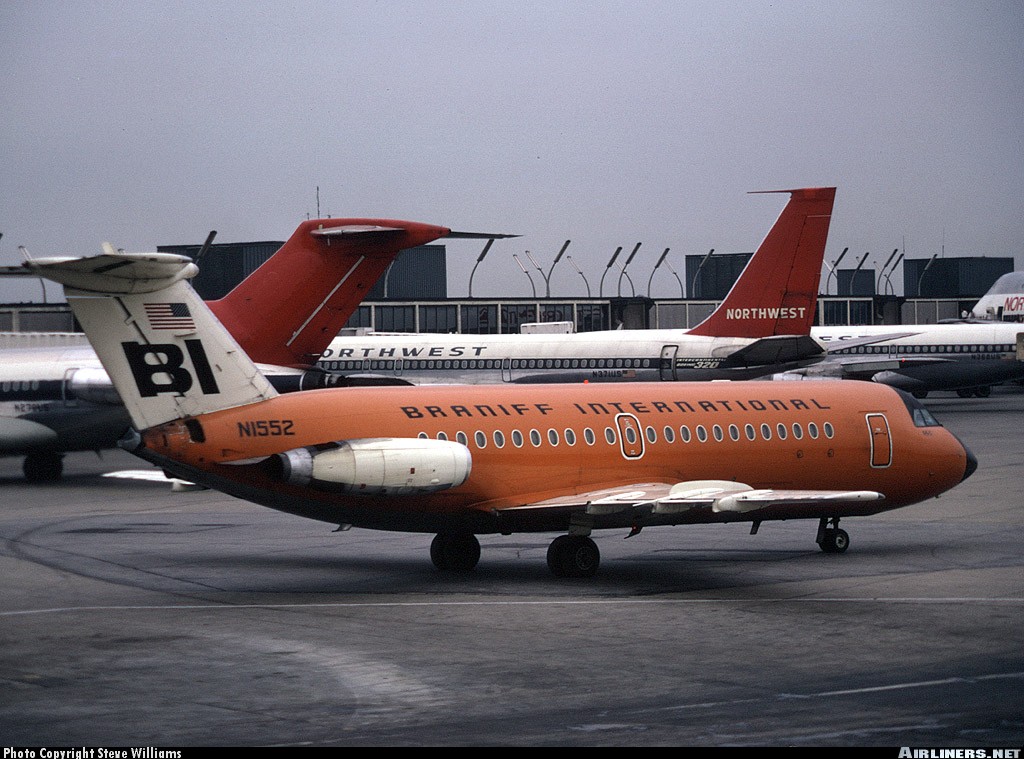
The type’s market potential within the USA was demonstrated by an early order for six aircraft from Braniff International, which was followed by moderate orders from other US carriers, including American Airlines and Allegheny Airlines.
Initially, the prospect for fairly large US sales seemed fairly good for the One-Eleven. However, by the time the FAA type approval was awarded on 16 April 1965, there was already a growing number of aircraft competing within the same payload range category, including the Boeing 727 and 737, and the Douglas DC-9 family.
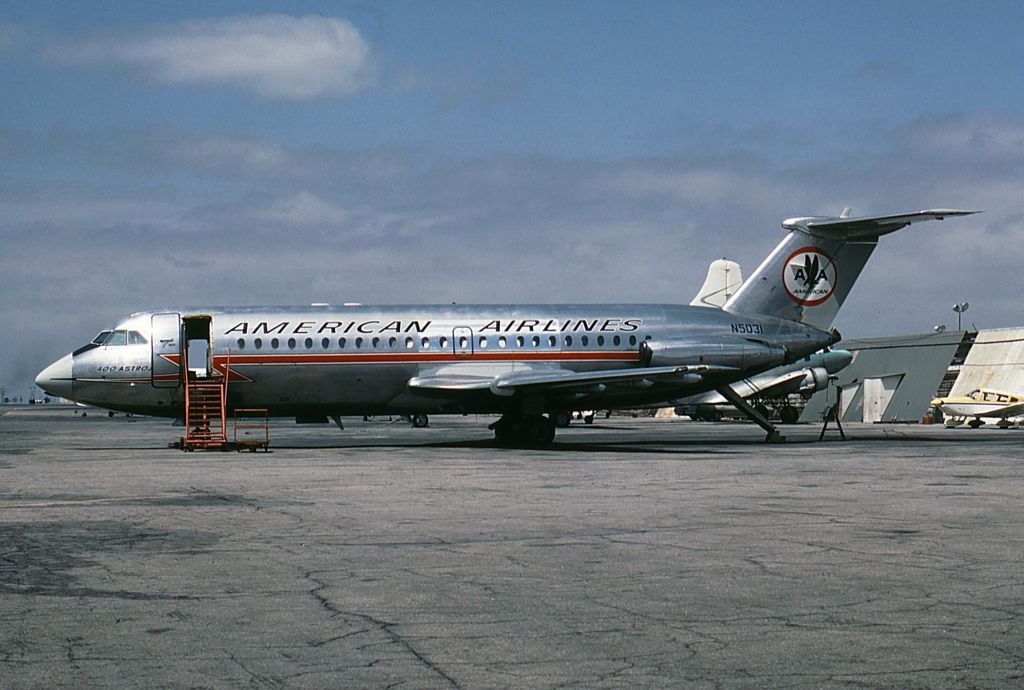
Thus, with US airlines feeling pressure to buy US-built aircraft and offered incentives to do so, total One-Eleven sales to US carriers failed to reach the figures that had at one time seemed possible and stagnated.
BAC One-Eleven enters passenger service in the UK and US
The initial One-Eleven passenger service was flown by BUA from London Gatwick Airport to Genoa on 9 April 1965. In the US, Braniff’s first commercial One-Eleven service from Corpus Christi to Minneapolis was made on 25 April 1965.
In January 1966, BUA inaugurated London to Scotland and London to Northern Ireland One-Eleven domestic routes. Production of the three initial versions of the One-Eleven totalled 134 – 56 Series 200s, nine Series 300s, and 69 Series 400s.
The BAC One-Eleven: The stretched version built for growth
A steadily increasing number of air travellers meant that, within most categories of aircraft, carriers were looking for greater accommodation and payload capacity. Stretched or increased capacity versions of the One-Eleven have been under consideration by BAC at much at the same time as the original Series 200, 200 and 400 aircraft had been announced.
However, it was not until British European Airways (BEA) began to show interest in an enlarged One-Eleven and designs for what was to become the One-Eleven Series 500 were finalised.
With a fuselage lengthened by 2.54 metres forward of the wing and by 1.57 centimetres after the wing, the Series 500 could accommodate a maximum of 119 passengers.
More powerful engines were introduced, the wingspan was increased by 1.52 metres, and the structure of both the landing gear and wings was strengthened to make possible a significant increase in gross weight.
This was originally 41,277 kg for takeoff but was later raised to a maximum of 47,400 kg. The prototype for the Series 500 was produced by converting a Series 400 development aircraft (registered G-ASYD), and this flew for the first time in its new configuration on 30 June 1967.
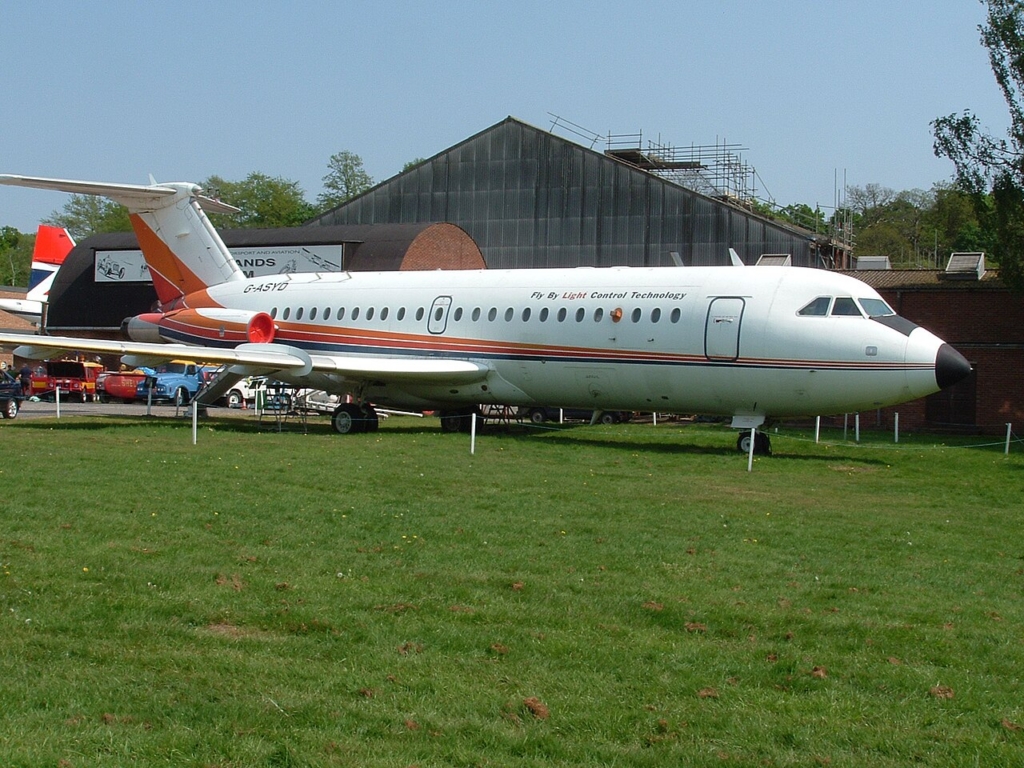
Certification of the production example of the Series 500 was achieved on 15 August 1968, and BEA’s first revenue flight with the Series 500 was flown three months later on 17 November 1968.
Why the BAC One-Eleven fell behind its US counterparts
The BAC One-Eleven was an impressive aircraft for its time, entering service in 1965 and initially gaining a time advantage over its American competitors. However, it soon found itself squeezed by the Douglas DC-9 and Boeing 737, which offered airline customers greater long-term potential.
The One-Eleven was competitive in price and performance, but its development was relatively limited. The later 500 series increased capacity to around 119 passengers, but it arrived too late to prevent the DC-9 and 737 from establishing strong market positions.
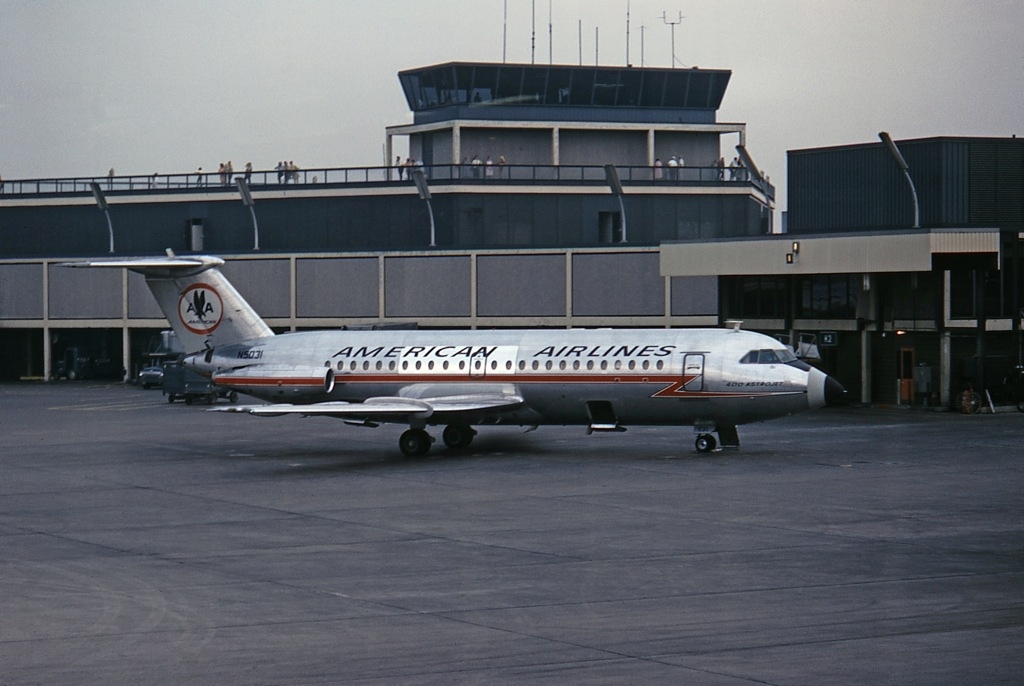
The DC-9 and Boeing 737 also offered greater seating capacity and benefited from using Pratt & Whitney JT8D engines that were common with the Boeing 727, giving airlines advantages in maintenance and fleet commonality.
The Boeing 737 had an additional advantage: its six-abreast cabin allowed more passengers than the DC-9’s five-abreast layout, while its underwing engines simplified maintenance and contributed to strong operational flexibility.
BAC also struggled to match the financial and industrial strength of its American rivals. US airlines represented an enormous market, but regulatory and political obstacles initially made it difficult for some American carriers to buy the British aircraft.
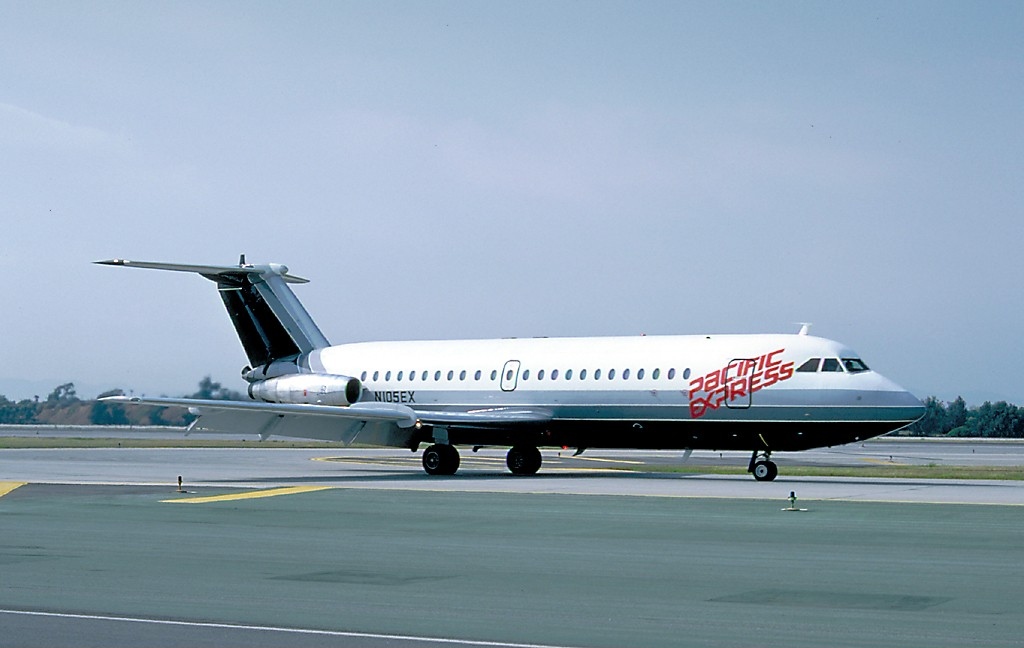
Several potential orders were lost or delayed, giving Boeing and Douglas valuable opportunities to establish themselves.
Ultimately, the One-Eleven was a capable and successful British airliner, with around 244 aircraft built, but the DC-9 and 737 evolved into much larger families and were sold in the thousands.
Their greater capacity, development potential, fleet support, and strong US manufacturing base made them much harder competitors to overcome, although in the early days, the One-Eleven gave them a run for their money.
Sign up for our newsletter and get our latest content in your inbox.


More from

October 25, 20266 min read

October 25, 20265 min read


