


Global aircraft orders soar 88% as airlines race to meet growing demand
3 min read


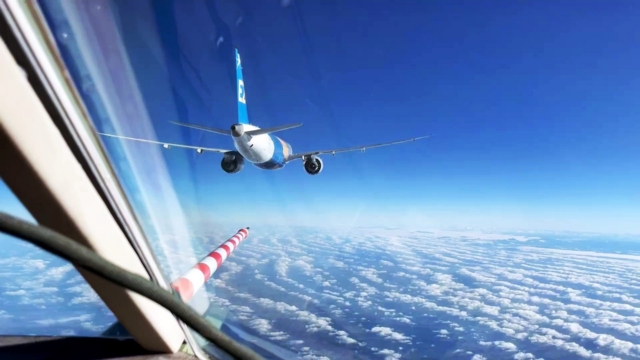
Global commercial aircraft orders jumped 88% in the third quarter of 2026 compared with the same period a year earlier, according to new industry figures from ADS. The sharp increase highlights growing confidence in the aviation sector as airlines continue to expand networks, renew ageing fleets and prepare for long-term growth.
A total of 506 aircraft orders were placed between July and September, taking the year-to-date total to 1,837 aircraft. That figure is 28% higher than at the same point in 2025 and reflects strong demand across both established and emerging aviation markets.
The strongest growth came from single-aisle aircraft, used on short- and medium-haul routes. More than 1,450 aircraft in this category were ordered during the first nine months of the year, a 77% increase compared with 2025.
Airlines continue to invest in newer fleets
The surge in orders comes as airlines seek to modernise fleets with more fuel-efficient aircraft capable of reducing operating costs and emissions. Demand for air travel has remained resilient across many regions, prompting carriers to secure delivery slots years in advance.
While orders continue to rise, aircraft manufacturers are also increasing production. During the third quarter of 2026, 361 commercial aircraft were delivered worldwide, making it one of the strongest third-quarter performances on record.
Single-aisle aircraft accounted for the majority of deliveries, with manufacturers handing over a record 309 aircraft during the period. Widebody aircraft, typically used on long-haul international services, contributed a further 52 deliveries.
Between January and September, global deliveries reached 1,034 aircraft, the second-highest total for the period since 2018.
A growing backlog reflects long-term confidence
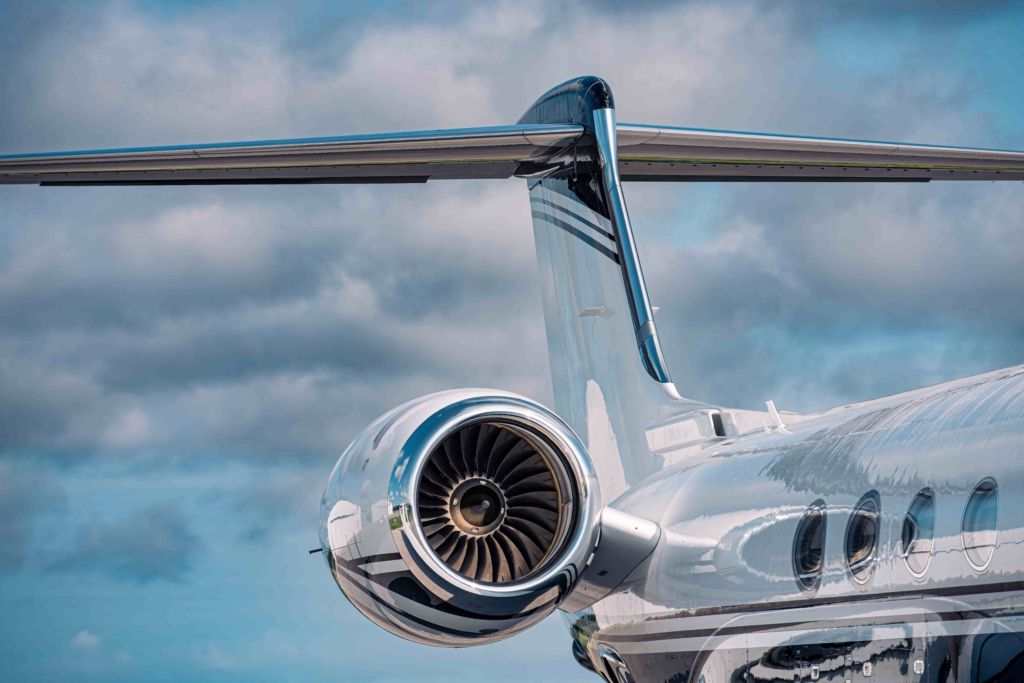
The global backlog now stands at a record 17,058 aircraft, marking the fourth consecutive year in which third-quarter backlog figures have reached a new high. At current production rates, manufacturers have more than 12 years’ worth of aircraft already on order.
For airlines, securing aircraft now is becoming increasingly important as competition for production slots intensifies. With passenger numbers continuing to grow and many carriers pursuing sustainability goals, demand for next-generation aircraft is expected to remain strong throughout the decade.
Production challenges remain
Despite the positive outlook, the aerospace industry still faces significant challenges in translating record demand into aircraft deliveries.
Manufacturers and suppliers continue to deal with pressure on global supply chains, shortages of skilled workers and the need to expand production capacity. These constraints have slowed output growth and contributed to lengthy waiting times for new aircraft.
What it means for travellers
Newer fleets typically offer improved fuel efficiency, lower emissions, quieter cabins and upgraded onboard technology. Increased aircraft availability may also allow airlines to add new routes, increase flight frequencies and replace older aircraft with more modern alternatives.
The challenge for the industry will be ensuring that production can match demand. With order books at record levels, the ability of manufacturers and suppliers to deliver aircraft on time will play a major role in shaping the future of global air travel.
While the figures are global, ADS Chief Economist Aimie Stone said the growth highlights the opportunities available to aerospace manufacturing nations competing for future aircraft programmes.
She said: “There are huge opportunities in front of UK aerospace. Orders for today’s aircraft continues to come in thick and fast, and decisions are being taken now about where the next generation of planes will be designed, developed and built.
“But decisive action is needed to develop the skills, strengthen the supply chains, access the competitively priced steel and build the advanced manufacturing capabilities necessary to deliver today’s backlog and secure tomorrow’s aircraft programmes.
“If we compete with one arm behind our back, we risk this generational opportunity going elsewhere. If we act now, we can secure growth for decades to come.”
Sign up for our newsletter and get our latest content in your inbox.