BETA Technologies brings fully-electric cargo flights to Ostend Airport in Belgium

4 min read
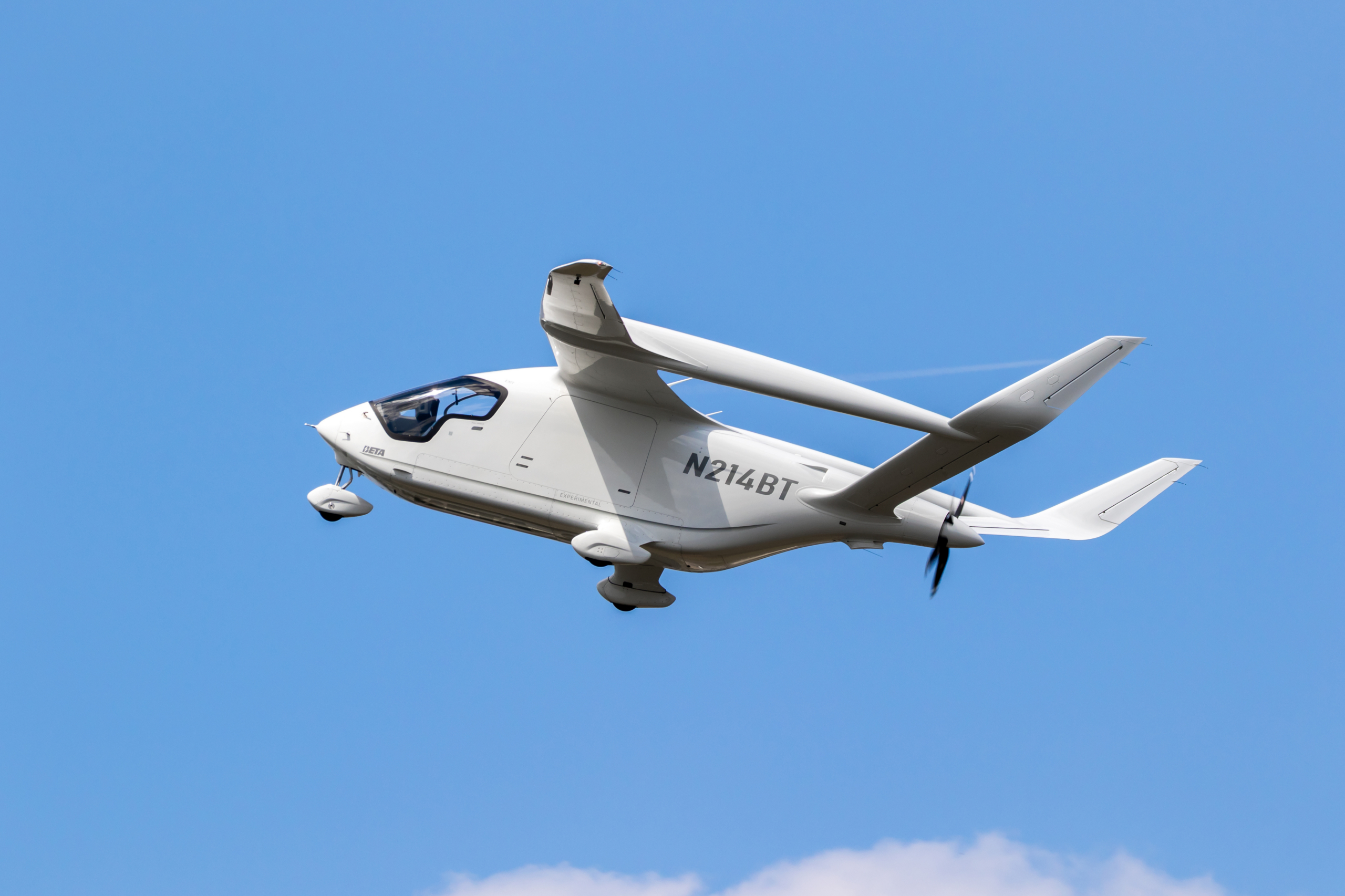
BETA Technologies has announced the commencement of a series of test flights from Ostend-Bruges Airport (OST) in Belgium.
The flights form part of a Europe-wide tour that will see the company’s Alia CX300 all-electric cargo aircraft perform freight-only demonstration flights on key short-haul cargo routes throughout the Benelux countries (Belgium, the Netherlands, and Luxembourg).
BETA Technologies’ Alia CX300 arrives in Belgium for demonstration flights
As reported by Aviation24, Ostend-Bruges Airport has welcomed the Alia CX300 fully electric cargo aircraft for the first time.
The aircraft (registered as N214BT) arrived at the airport from Rotterdam Airport (RTM) on 30 May and has so far operated a single demonstration flight from the Belgian airport. According to the airport, the arrival of the Alia CX300 “marks a milestone for both the airport and the future of sustainable aviation in Belgium.”
The aircraft arrived at the airport as part of a series of demonstration flights being conducted by BETA Technologies across the Benelux region to showcase the operational potential of electric aviation.
The stopover took place at the airport’s NSAC Business Terminal and formed part of a broader initiative involving regional airports in Belgium and the Netherlands.
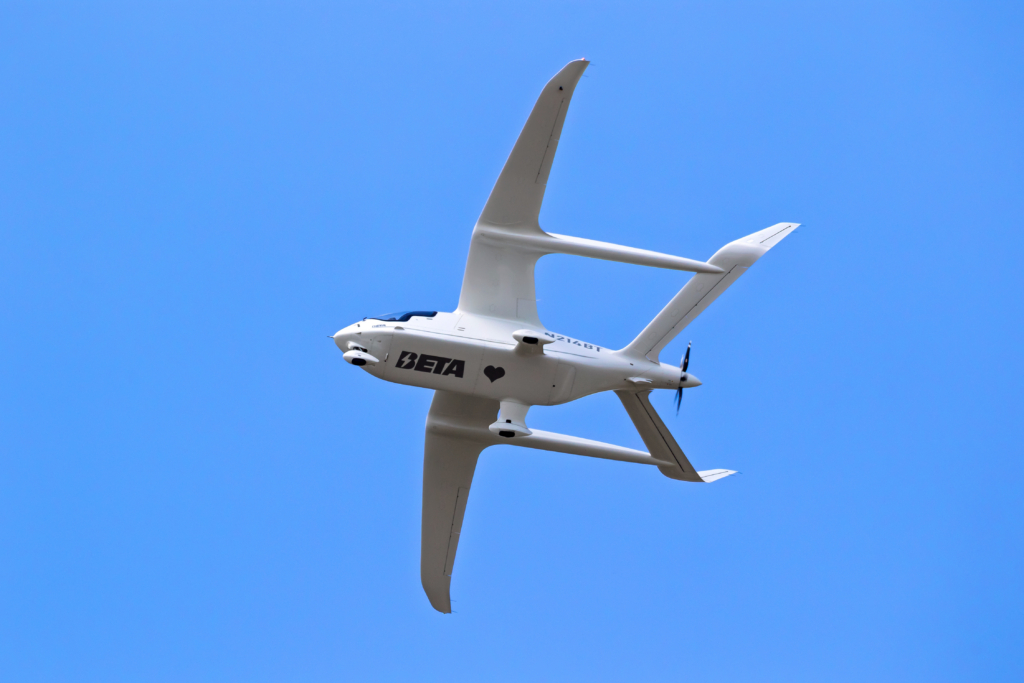
So far, the aircraft has operated from Amsterdam (AMS), Den Helder (DHR), Enschede (ENS), Lelystad (LEY) and Rotterdam (RTM) as part of the demonstration tour, highlighting the aircraft’s zero-emission credentials over short-range flights.
Before the Benelux countries, the aircraft appeared at various airfields across both Germany and Scandinavia.
The flights form part of a wider demonstration programme designed to explore how electric aircraft could be deployed across short-haul networks, where lower operating costs and zero in-flight emissions have the potential to transform essential air services.
The programme will assess the aircraft’s ability to transport freight, mail, and essential goods such as medical supplies, while generating operational data on range, turnaround times, and reliability in a live airline environment.
How the Alia CX300 is moving all-electric aviation forward
The ALIA CX300 is an all-electric conventional take-off and landing (eCTOL) aircraft developed by US-based BETA Technologies. It has been designed especially for regional passenger and cargo missions, using conventional runways for take-off and landing.
With a range of more than 250 miles (400km) on a single charge, the aircraft is well suited to short-sector operations and can easily operate from short runways and rural airfields that larger cargo aircraft cannot access. The aircraft can carry up to 560 kilograms (1,235lbs) of cargo payload and cruises at around 176 mph (283 km/h).
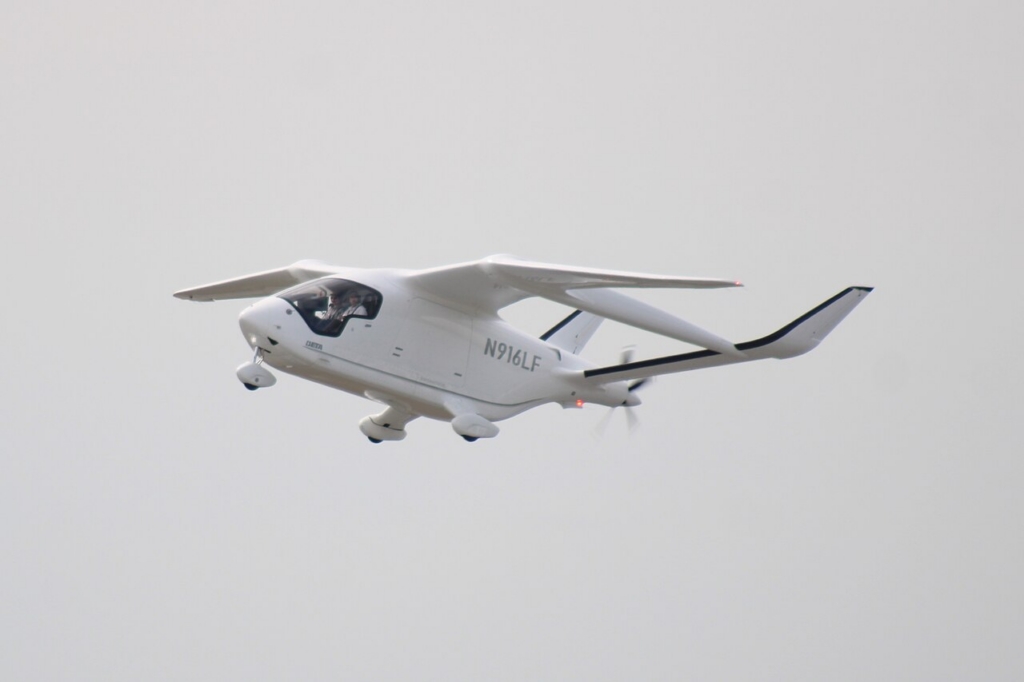
The type is currently undergoing certification and operational testing ahead of commercial service, with the demonstration flights helping to gather operational data in real-world conditions.
According to Ostend-Bruges Airport CEO Nathan De Valck, regional airports are ideally positioned to support the development of emerging aviation technologies.
“Regional airports like Ostend-Bruges and Antwerp have the necessary space and operational flexibility required to thoroughly test and further scale up new technologies such as electric flying,” De Valck told Aviation24.
How the CX300 could transform Europe’s short-haul cargo sector
According to Ostend-Bruges Airport, the airport’s management sees significant opportunities for electric aviation in the densely populated and economically important region surrounding Belgium.
With destinations in the Netherlands, France, Germany, Luxembourg and the United Kingdom all within the aircraft’s projected range, electric aircraft could eventually connect secondary cities and business centres with significantly lower emissions than conventional aircraft.
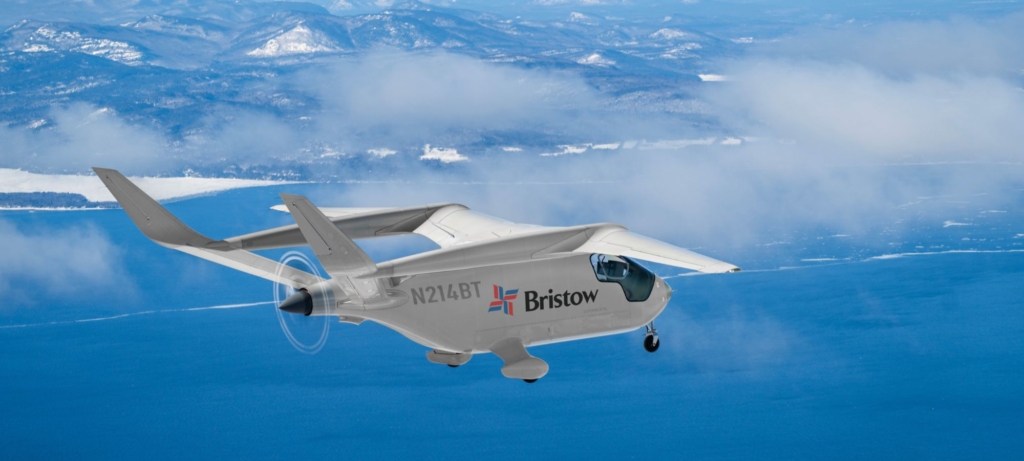
While the series of flights in Belgium is solely targeted at niche cargo operators where payload requirements are limited and time is of the essence, they are designed to also demonstrate the capabilities and applications of aircraft such as the CX300 in short-haul operations.
In particular, the company is keen to demonstrate the CX300 in the transport of donor organs, urgent medical supplies, high-value goods and time-sensitive e-commerce shipments.
Cargo flights first, passengers later for the CX300
While relatively short-range cargo flights are due to become the Alia CX300’s first commercial applications, BETA Technologies is hoping that passenger services could follow thereafter as battery technology and further in-service data are obtained. This could be as soon as a few years, according to the firm.
The Alia CX300’s electric propulsion system offers significantly lower emissions and reduced operating costs, alongside quieter performance compared to conventional turboprops and light aircraft.
These characteristics make it a strong candidate for routes where frequency, short distances, and access to smaller airfields are critical, as well as for operating in built-up areas and from airports located within urban settings.
As the Alia CX300 continues its demonstration tour across the European continent, the arrival of the small all-electric aircraft marks the next stage in aircraft and airport development, as the industry positions itself to play a leading role in the next phase of aviation’s decarbonisation efforts.
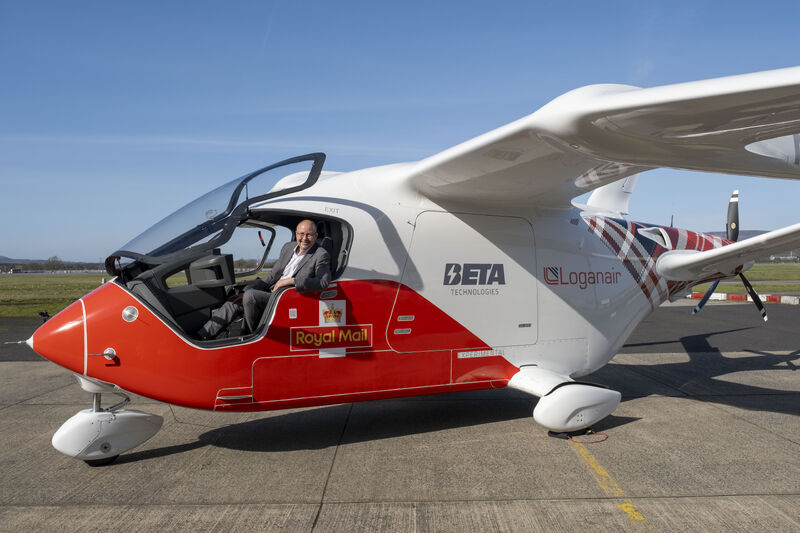
In March of this year, the same aircraft (N214BT) operated a short series of flights around Scotland in conjunction with Royal Mail and Scottish airline Loganair.
Although operating with limited range and payload capacity, these demonstration flights are collectively seen as vital to demonstrate the practicalities of all-electric flight and to move the platform forward from a demonstration stage to fully certified operational capability.
Featured image: VanderWolf Images / stock.adobe.com