UK’s first all-electric airline flight takes off as Loganair trials BETA ALIA

4 min read
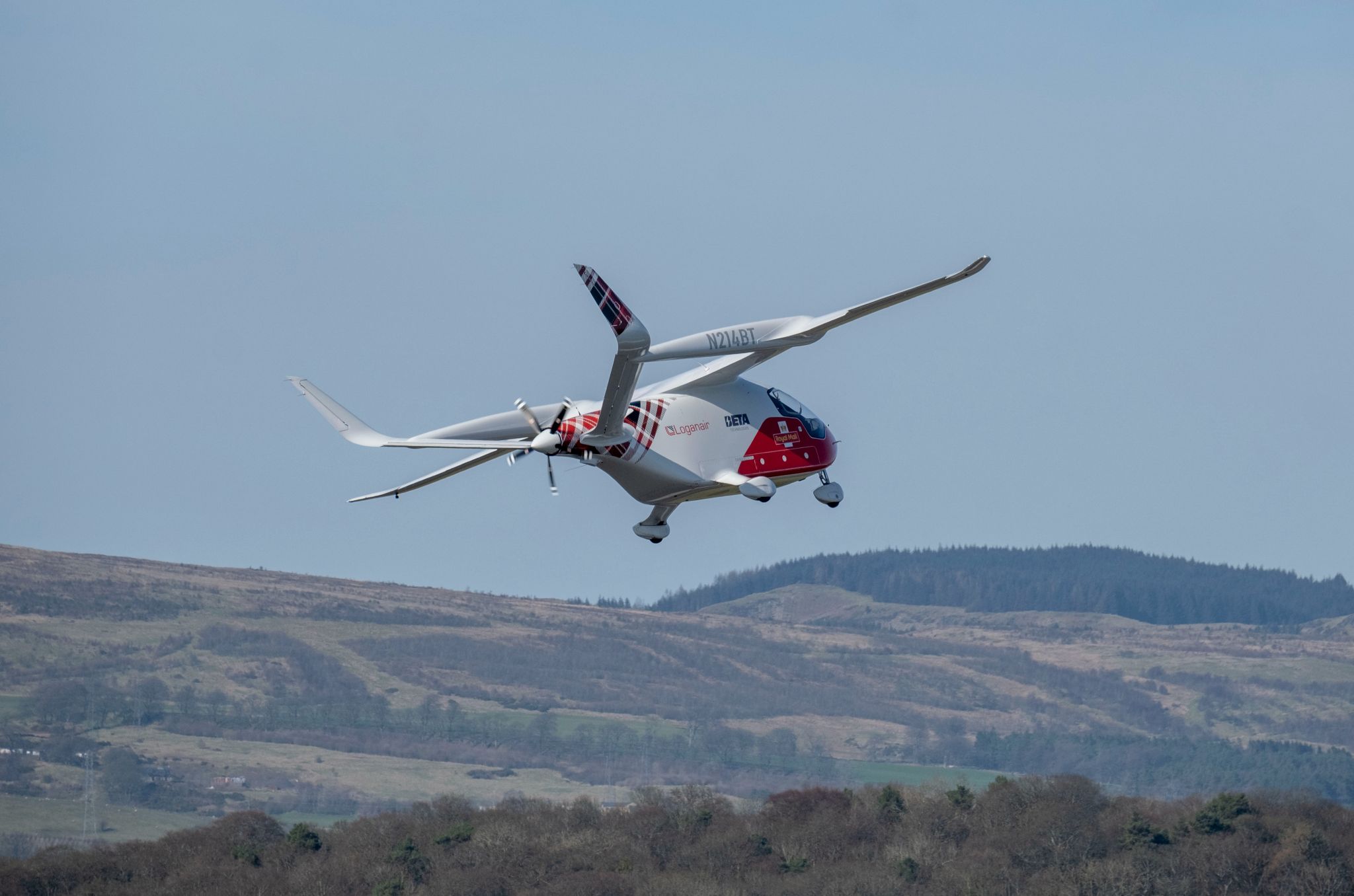
Scottish regional airline Loganair has made UK aviation history, completing the country’s first commercial all-electric flight using a BETA Technologies ALIA aircraft, marking a significant step towards zero-emission regional aviation.
The flights form part of a wider demonstration programme designed to explore how electric aircraft could be deployed across short-haul networks, where lower operating costs and zero in-flight emissions have the potential to transform essential air services.
Loganair operates the UK’s first all-electric airline flight
On 19 March, Loganair announced it had become the first commercial airline in the UK to operate an all-electric aircraft on its network.
The Scottish carrier completed the first in a series of test flights using a BETA Technologies ALIA CX300 all-electric conventional take-off and landing (CTOL) aircraft, as part of a proof-of-concept programme to assess real-world performance in commercial operations.
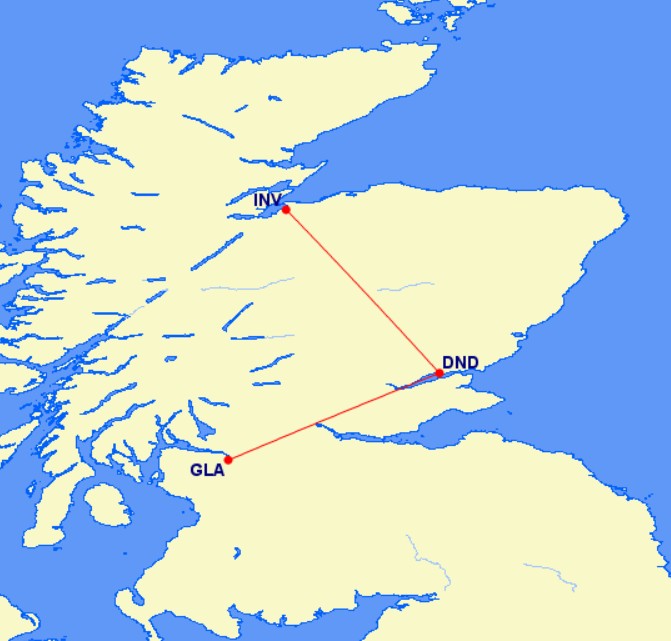
Following the aircraft’s arrival in Scotland on 18 March, the ALIA CX300 (registered N214BT) flew from Glasgow Airport to Dundee Airport the following day, completing the 68-mile (109km) sector in 38 minutes.
The aircraft then continued from Dundee to Inverness Airport, covering the 85-mile (136km) route in 54 minutes. The timings underline how electric aircraft can already match the performance of conventional short-haul operations on key regional routes.
Loganair’s real-world trial with Royal Mail highlights operational potential for electric aircraft
According to Loganair, the flights are part of a two-week demonstration programme with Royal Mail, using the electric aircraft to trial zero-emission logistics operations across its network.
The programme will assess the aircraft’s ability to transport freight, mail, and essential goods such as medical supplies, while generating operational data on range, turnaround times, and reliability in a live airline environment.
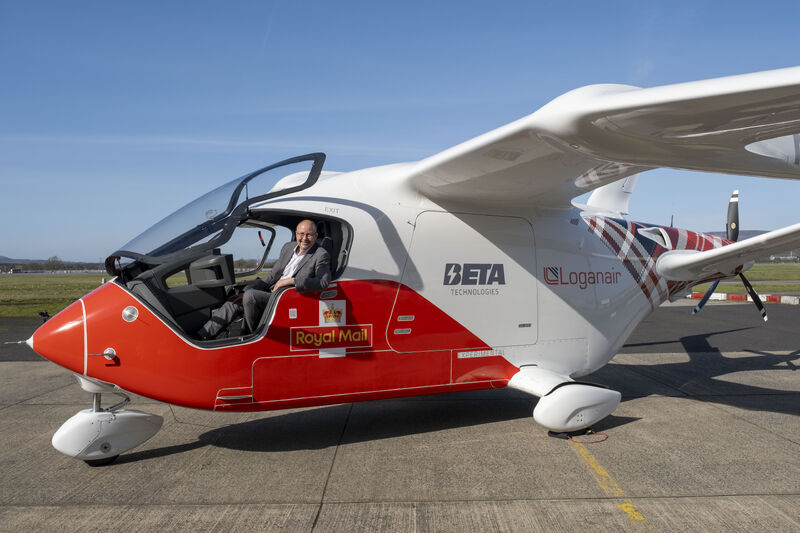
“This is a real, tangible programme of flying across our network which will provide invaluable data on how an electric aircraft could perform in a real commercial environment,” said Luke Farajallah, chief executive of Loganair.
He added that the transition to net-zero aviation must be practical and economically viable for regional carriers, noting that electric aircraft could play a key role in maintaining vital air links while reducing emissions.
UK backs electric aviation as Loganair leads the way
The milestone flight has drawn support from both Scottish and UK governments, reflecting growing political backing for next-generation aviation technologies.
Scottish First Minister John Swinney said: “I am pleased to see Loganair make history as the first commercial airline to trial an all-electric aircraft across its network.”
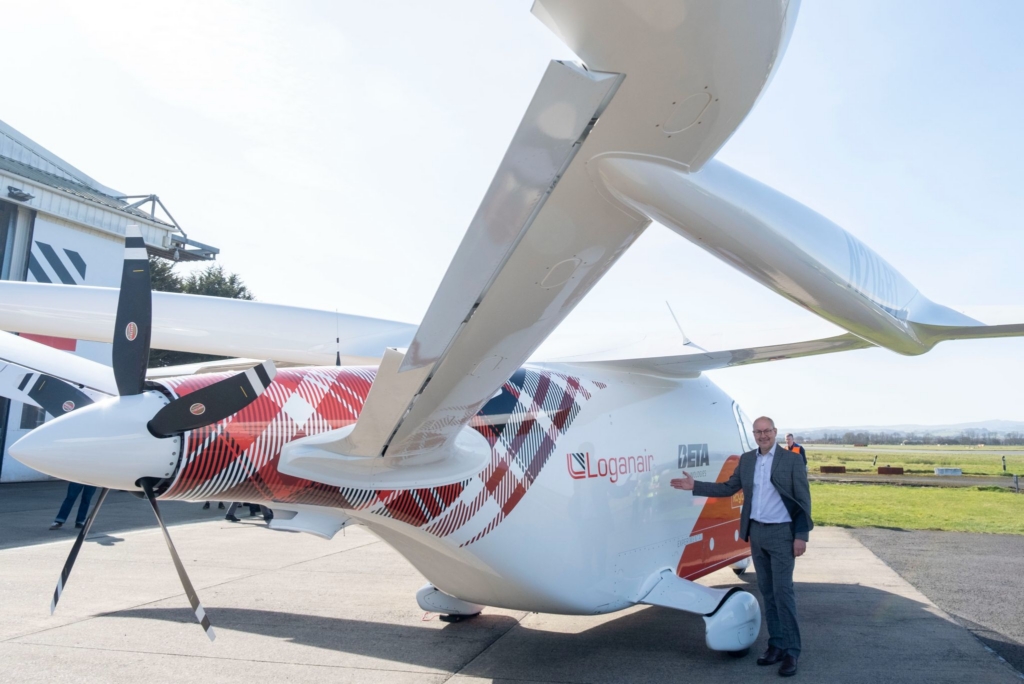
He added that the technology could help reduce aviation emissions while supporting connectivity across remote communities in the Highlands and Islands.
Keir Mather, Aviation, Maritime and Decarbonisation Minister, highlighted the UK government’s £43 million investment in green aviation, stating that zero-emission aircraft and advanced air mobility technologies will support economic growth while reducing the environmental impact of flying.
BETA Technologies ALIA is designed for regional electric flights
The BETA Technologies ALIA CX300 is an all-electric aircraft designed for regional passenger and cargo missions, using conventional runways for take-off and landing.
With a range of more than 250 miles (400km) on a single charge, the aircraft is well suited to short-sector operations such as those flown by Loganair, particularly across Scotland’s network of regional airports.
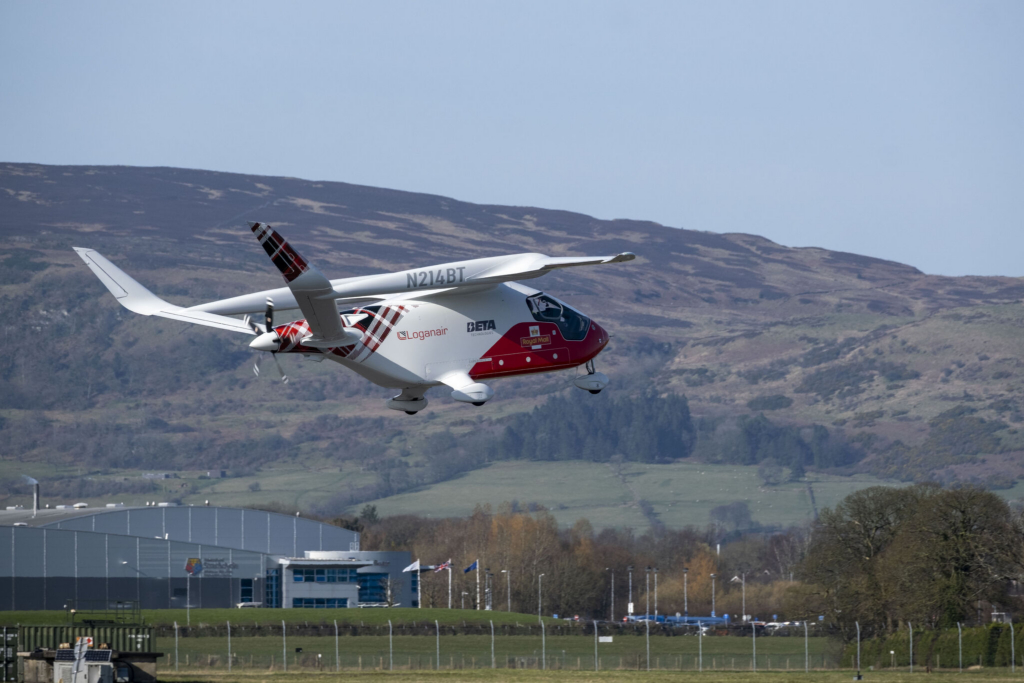
Its electric propulsion system offers significantly lower emissions and reduced operating costs, alongside quieter performance compared to conventional turboprops and light aircraft.
These characteristics make it a strong candidate for routes where frequency, short distances, and access to smaller airfields are critical.
Loganair continues its push for low emission regional aviation
The partnership with BETA Technologies builds on Loganair’s broader efforts to explore sustainable aviation solutions.
In 2024, the airline partnered with Swedish manufacturer Heart Aerospace to explore the use of hybrid-electric aircraft across its network, focusing on developing viable use cases for low-emission regional flying.
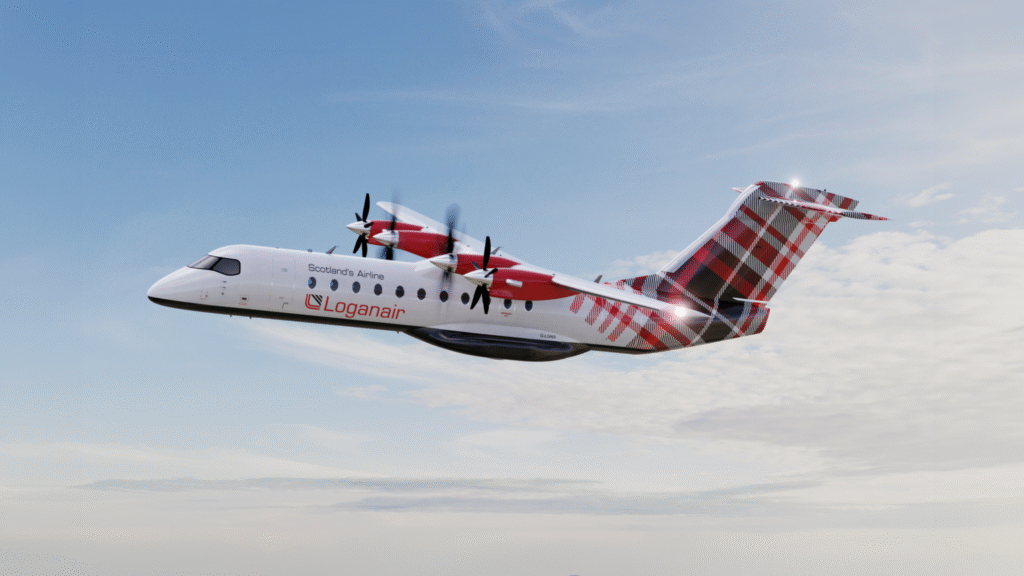
Loganair had previously been involved in Project Fresson, an initiative aimed at developing a hydrogen-electric Britten-Norman Islander, although the programme was discontinued in 2025.
Despite this, the airline has continued to pursue practical pathways to decarbonisation, focusing on technologies that can be integrated into real-world operations.
While still in the demonstration phase, the flights offer one of the clearest indications yet that battery-electric aircraft could play a practical role in decarbonising short-haul regional aviation in the near term.
Featured image: Loganair
Sign up for our newsletter and get our latest content in your inbox.


More from


October 17, 20264 min read