


F-16XL: The ambitious Falcon upgrade that lost out to the F-15E Strike Eagle

6 min read
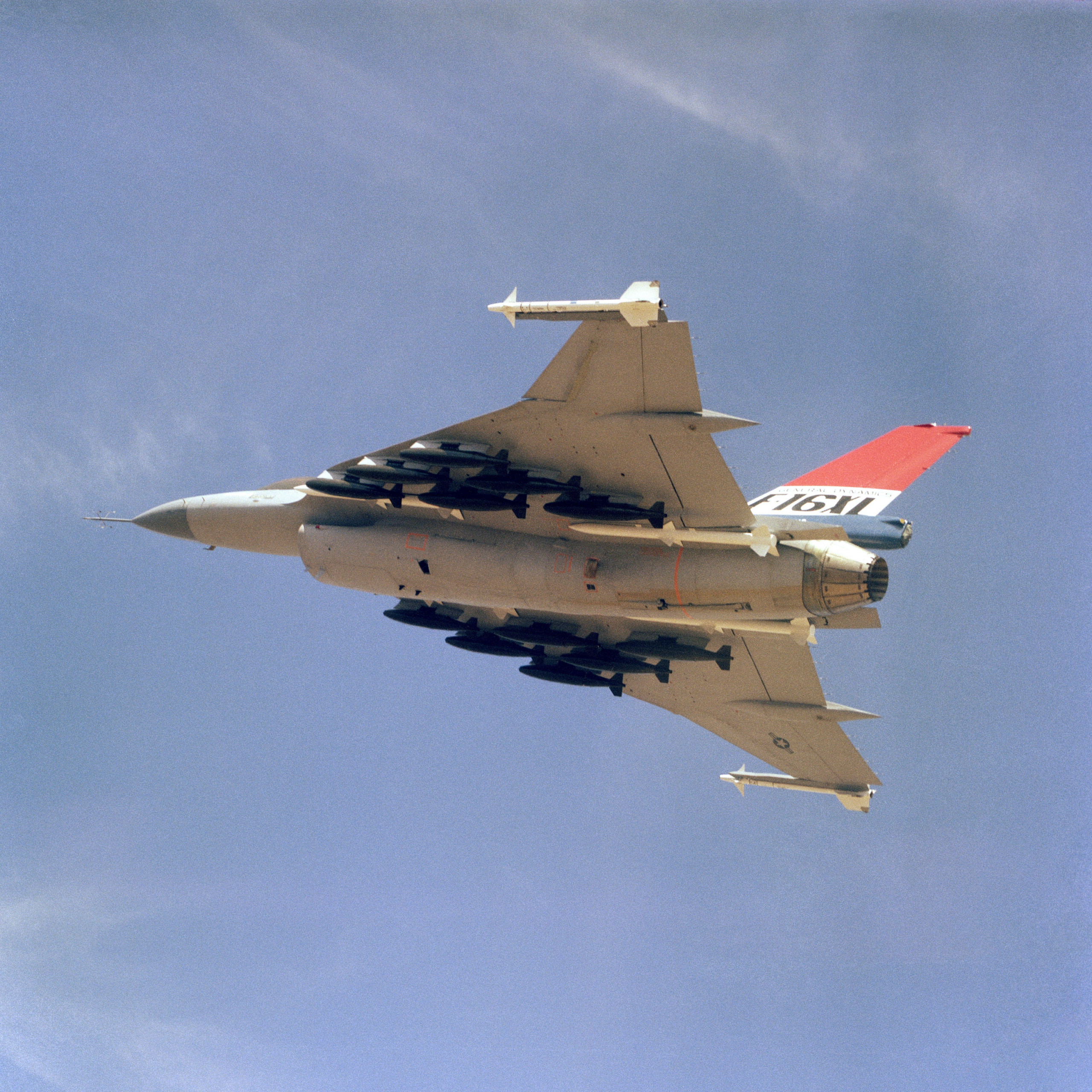
Few fighter jets have been as successful as the F-16 Fighting Falcon. Designed as a lightweight, affordable multirole aircraft, it became a global benchmark. But when pushed into a heavier strike role, the concept faltered, most clearly in the case of the F-16XL, which lost out to the F-15E Strike Eagle.
Modifications to transform F-16 to F-16XL
The F-16XL represented a significant redesign of the F-16, dramatically upscaling its capabilities, although it retained a single engine. It improved its range, payload, and efficiency for long-range strike missions, while also attempting to preserve some of the F-16’s core advantages like low cost and agility.
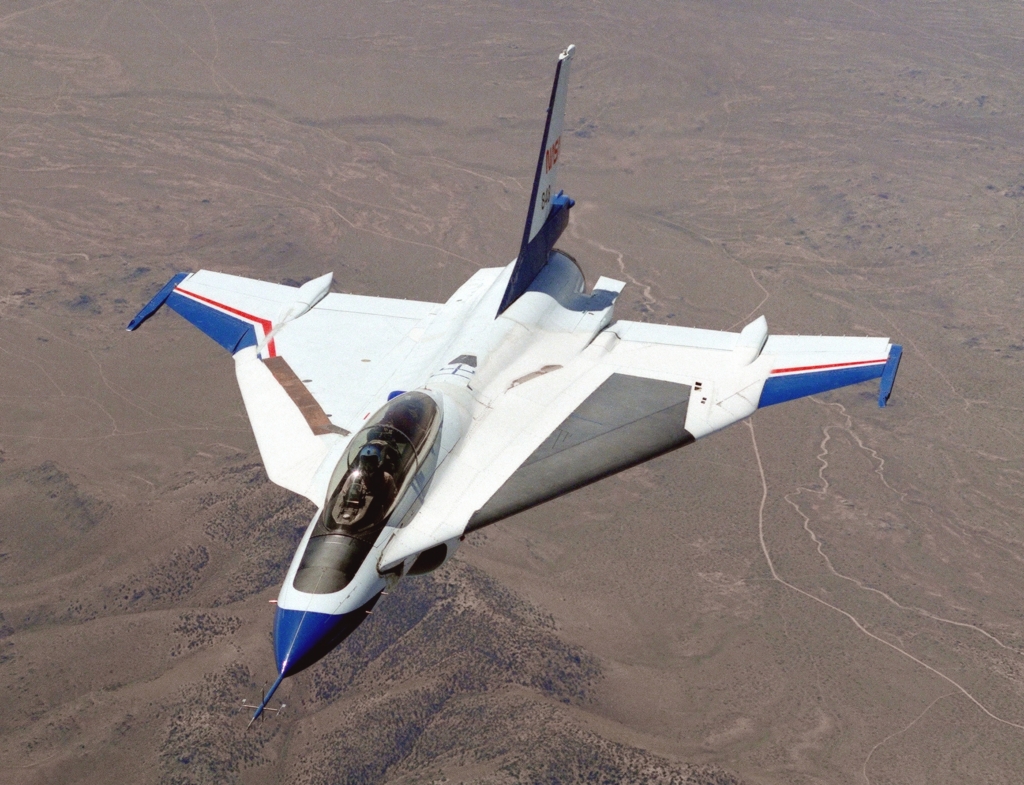
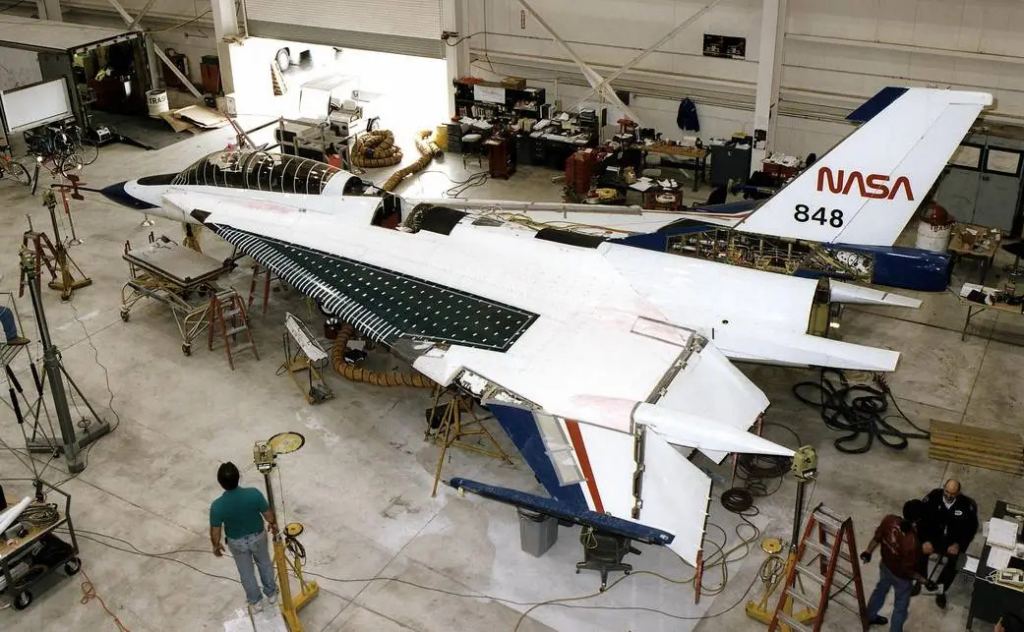
The most striking feature was the cranked-arrow delta wing that replaced the aircraft’s original cropped wing with a cranked-arrow delta wing. It roughly doubled the wing area to around 640 square feet from around 300 square feet.
The aircraft used carbon fibre composites extensively to save weight, and the large wing provided a significantly increased internal fuel capacity as well as more carrying space for weapons.
The F-16XL would have had up to 27 external hardpoints, compared to around nine on early F-16s, allowing it to carry far more munitions.
Internal fuel capacity would have grown by 82-120%, while its combat radius would have increased 40-100%, depending on its loadout.
General Dynamics F-16XL is a unique derivative of the F-16 Fighting Falcon with a cranked-arrow delta wing. It entered the USAF Enhanced Tactical Fighter competition in 1981 but lost to the F-15E Strike Eagle. The two prototypes were…https://t.co/9krnqKD18f pic.twitter.com/wJdaCBwxHu
— National Museum USAF (@AFmuseum) February 18, 2026
Other improvements included an 11% better subsonic lift-to-drag ratio, a 25% better supersonic lift-to-drag ratio, and excellent low-speed characteristics. F-16XLs remained single-seat fighters powered by an F100-PW-200 or GE F110-GE-100 turbofan.
Get the latest aerospace defence news here on AGN.
Competing for the Enhanced Tactical Fighter programme
In 1980, the United States opened the Enhanced Tactical Fighter (ETF), later called Dual-Role Fighter (DRF) programme to find a replacement for its General Dynamics F-111 Aardvark.
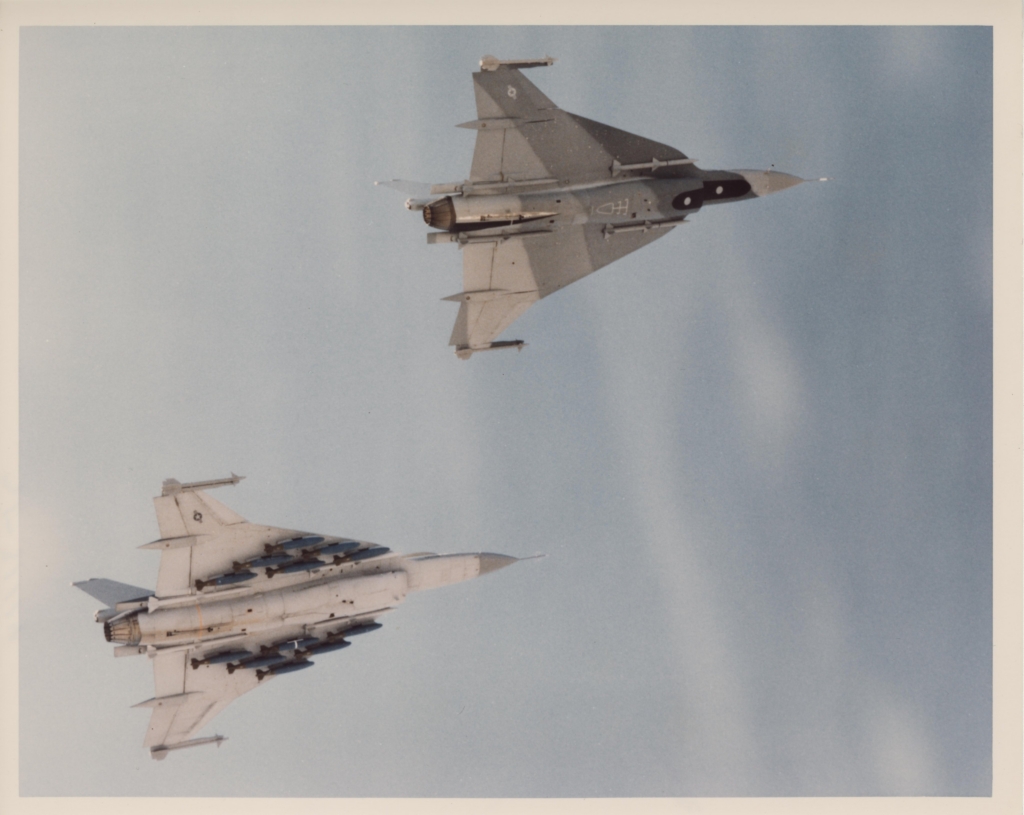
The aircraft needed to perform strike fighter/interdictor roles. It needed to launch deep air interdiction missions without requiring fighter escort or jamming support.
General Dynamics responded by offering the F-16XL based on the F-16, and McDonnell Douglas offered the F-15E Strike Eagle based on the legacy F-15C.
The Flight Test Historic Foundation says, “The General Dynamics F-16XL is a derivative of the F-16 Fighting Falcon, with a cranked-arrow delta wing. It was entered in the USAF’s Enhanced Tactical Fighter competition but lost to the F-15E Strike Eagle.”
While the F-16XL outperformed the F-15E in areas such as payload, range and efficiency, it ultimately failed to win the competition.

While enlarged, the F-16XL was still much smaller than the F-15E. The F-16XL would have had an empty weight of around 9,600 kg and a maximum take-off weight of around 21,800 kg.
F-16 vs F-15 weights compared:
- F-16 Block 30/40: Empty weight 8,573 kg (18,900 lbs)
- F-16 Block 30/40: Max take-off weight approx 19,000 kg (42,000 lbs)
- F-16XL: Empty weight 9,600 kg (approx. 22,000 lbs)
- F-16XL: Max take-off weight 21,800 kg (48,000 lbs)
- F-15E Strike Eagle: Empty weight: Approx. 15,000 kg (33,000 lbs)
- F-15E Strike Eagle: Max take-off weight: 36,741 kg (81,000 lbs)
This represents a significant increase from the base F-16, but still trailed the F-15E’s empty weight of around 15,000 kg and maximum take-off weight of over 36,000 kg.
Ultimately, the Air Force selected the F-15E, preferring the twin-engine design with greater thrust, more payload flexibility, better perceived survivability, and more favourable anticipated cost and production logistics.
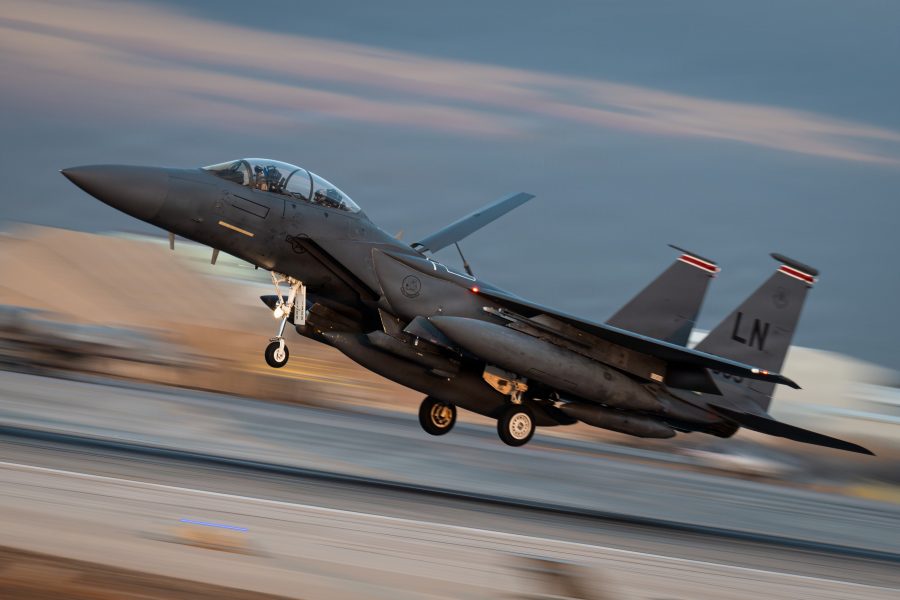
The F-15, now produced by Boeing, would go on to win again with the latest F-15EX variant being designed and selected to replace some legacy ageing F-15Cs amid the F-22 programme being cut short.
F-16XL use by NASA
After the F-16XL lost the competition, the two aircraft were handed over to NASA for aeronautical research in 1988. In 2009, both aircraft were fully retired at Edwards Air Force Base.
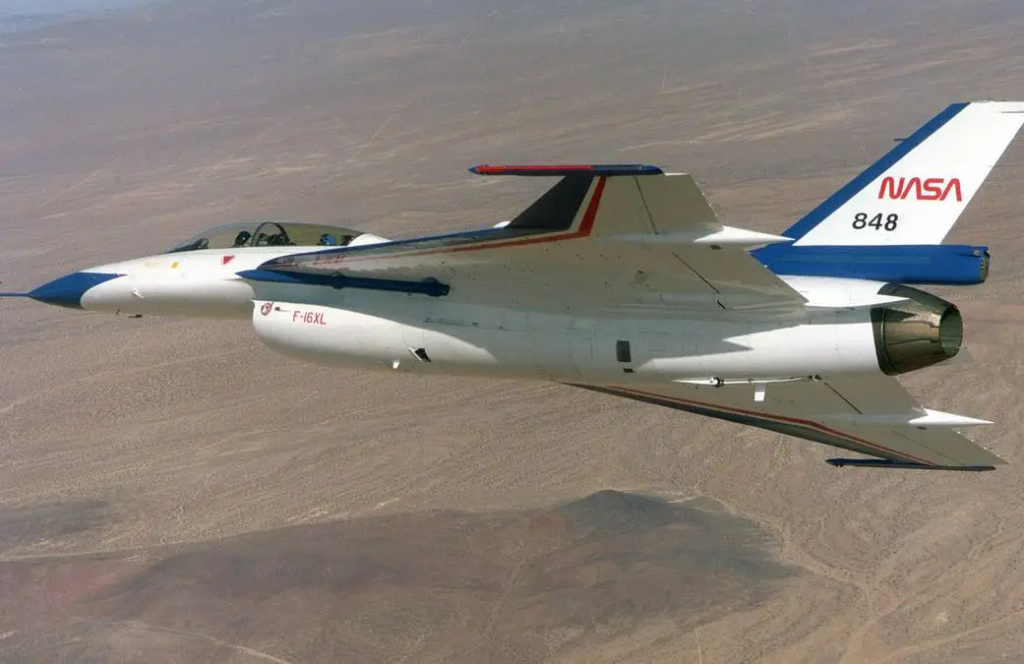
In NASA service, these were known as the F-16XL Laminar Flow Research Aircraft. They were used to study improved laminar airflow on aircraft flying at sustained supersonic speeds.
NASA says the F-16XL “was the first program to look at laminar flow on swept wings at speeds representative of those at which a high-speed civil transport might fly.”
NASA says they were used because their unique delta wing design was representative of the type of wing that would probably be used on future supersonic cruise aircraft.
So in a way, when the Supersonic Boom Overture commercial supersonic airliner enters service, spare a thought for the forgotten F-16XL.
F-16 Fighting Falcon is a lightweight fighter
The F-16 Fighting Falcon is the world’s most popular 4th-generation fighter jet, and it is the most common fighter jet flying today.
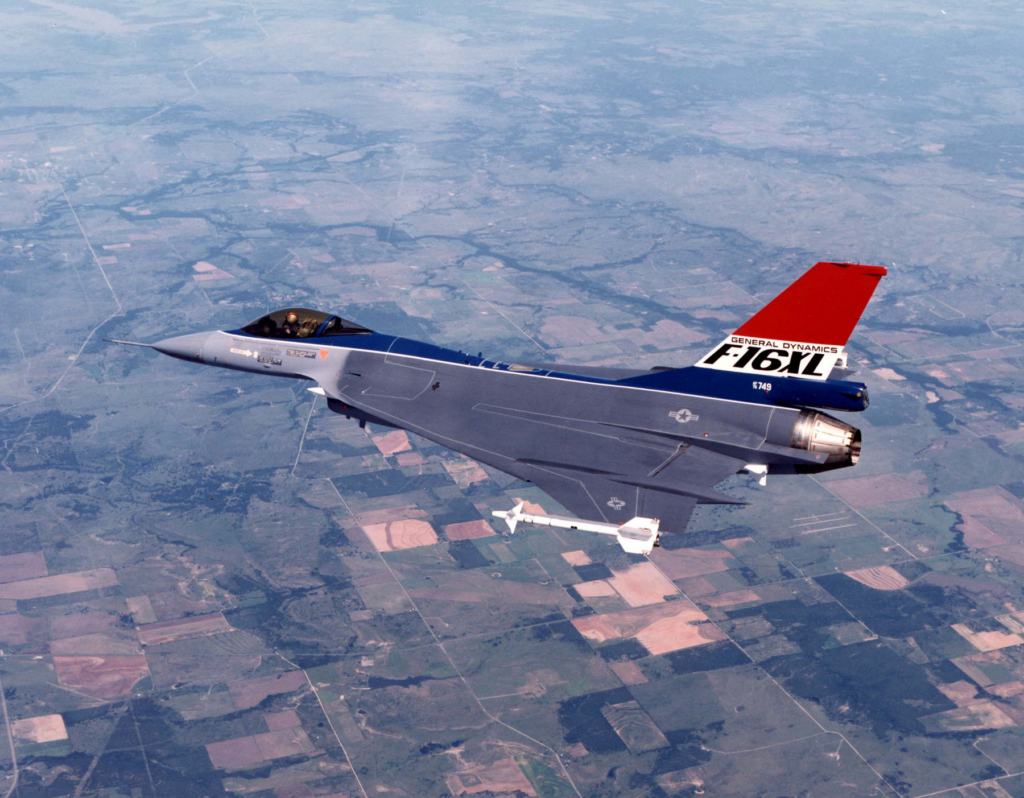
It was designed as an affordable aircraft to provide mass to the United States Air Force. When compared with large jets like the Su-30 or the F-15, people can be taken aback by how small it is.
The F-16 is generally classified as a lightweight fighter, although the latest Block 70 takes it to the medium fighter range. Lightweight fighters are typically anything under 10,000 kg.
An empty F-16 weighs around 8,573 kg, which makes it heavier than the Saab Gripen’s 6,800 kg and the Indian HAL Tejas at 6,560 kg.
But it is significantly lighter than the Eurofighter (11,000 kg), the F-15 (13,154 kg), or the F-35A (13,300 kg). The F-22 Raptor is an impressive 19,700 kg.
F-16 won against F-20, lost to F-15E
The F-16XL’s tale is somewhat reminiscent of the Northrop F-20 Tigershark that it defeated at the same time as it lost to the F-15E.
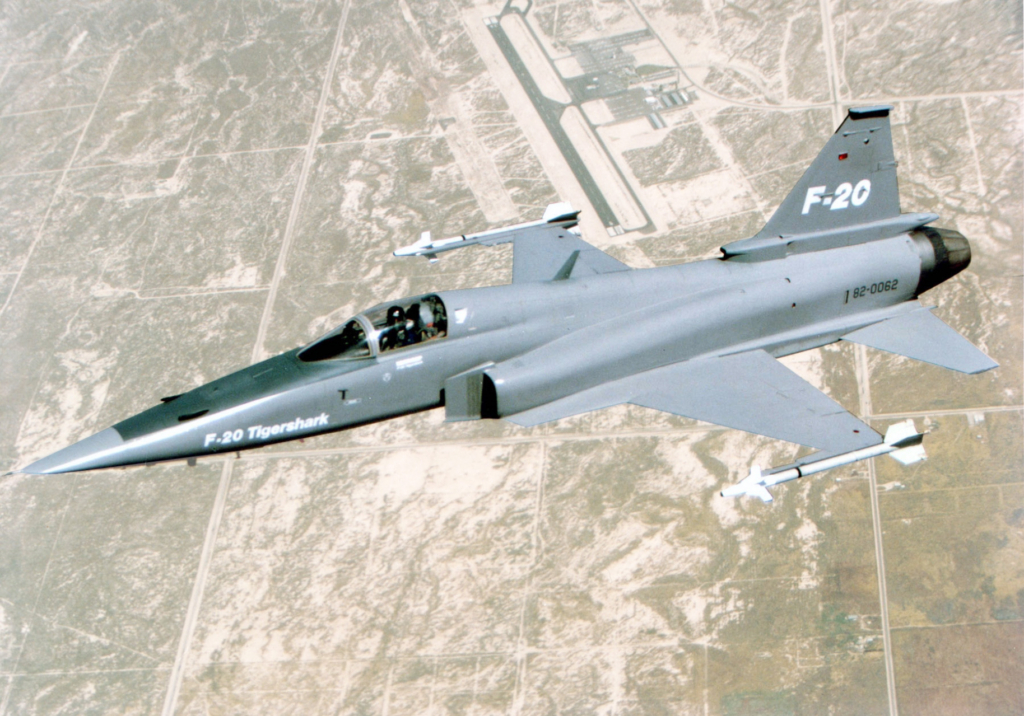
The F-20 was based on Northrop’s F-5 light fighter, which was the most popular light fighter of the Cold War. However, Northrop tried to target a larger market and so developed the greatly improved F-20 for export at its own expense.
Northrop believed there was a market for it as countries like Pakistan were barred from purchasing more capable fighters like the F-16.
But then the US Administration changed and relaxed export controls on the F-16. Every country chose the F-16 over the F-20, resulting in Northrop failing to sell a single aircraft.
92 years of excellence! 🇮🇳 We’re proud to partner with @IAF_MCC, powering Indian defense with the C-130J. Looking ahead to achieving IAF's future needs with the F-21, we're committed to a stronger, more secure tomorrow — #ForIndiaFromIndia, For the World 🇮🇳 🌍. #IndianAirForceDay pic.twitter.com/CQCn82lBHm
— Lockheed Martin India (@LMIndiaNews) October 8, 2024
The F-16 won the lower-end multirole fighter jet competition to become “the” US export fighter jet of the late Cold War, but it, in turn, failed to compete with the larger and more capable F-15E for the USAF.
The F-16XL was not the last time its manufacturer, now Lockheed Martin, attempted a suped-up version of the jet. In 2019, it unveiled the F-21, described as an F-16 on steroids specifically for India.
Lockheed says, “Meet the F-21. Specifically configured for the Indian Air Force. The F-21 addresses the Indian Air Force’s unique requirements and integrates India into the world’s largest fighter aircraft ecosystem with the world’s pre-eminent defence company.”

But it seems the beefed-up F-16 has lost again, this time to the French Rafale, with India reportedly approving 114 more Rafales. That said, it’s unclear if India has completely lost interest in the F-21.
Featured Image: National Museum USAF


