What’s the difference between wet lease and dry lease?

3 min read
For airlines, leasing aircraft is a bit like renting a car. But the contracts are worth millions, the paperwork is far more complicated, and the aircraft may cross half the globe before breakfast.
However, not all aircraft leases work in the same way. The three most common arrangements – wet lease, dry lease and damp lease – each serve a different purpose, and understanding the differences helps explain how airlines keep schedules moving during busy periods or periods of disruption.
What is a dry lease in aviation?
A dry lease is the simplest form of aircraft leasing. In this arrangement, the lessor provides only the aircraft itself. The airline leasing it is responsible for everything else: pilots, cabin crew, maintenance, insurance and daily operations.
Think of it as handing over the keys and saying, “It’s yours to run.”
Dry leases are usually long-term agreements lasting several years and are most often used by established airlines that already have the infrastructure, staffing and regulatory approvals needed to operate aircraft independently.
For many carriers, dry leasing is an efficient way to grow a fleet without spending huge sums purchasing new aircraft outright.
It also offers flexibility. Airlines can scale fleets up or down depending on market demand, route expansion or changing economic conditions – something the aviation industry is well used to.
What is a wet lease?
A wet lease is far more comprehensive. Here, the lessor supplies not only the aircraft, but also the crew, maintenance and insurance. In aviation, this is often referred to as ACMI (short for – you guessed it – Aircraft, Crew, Maintenance and Insurance).
Wet leases are commonly used when airlines need extra capacity quickly. That could be during the peak summer travel season, after unexpected technical issues, or while waiting for delayed aircraft deliveries from manufacturers.
Under a wet lease arrangement, the aircraft typically operates under the lessor’s operational control, even though passengers may have booked through another airline entirely.
Travellers occasionally notice signs they are flying on a wet-leased aircraft. The cabin layout may look unfamiliar, crew uniforms might belong to another airline, or the inflight announcements may sound slightly different.
For example, in February last year, Norse Atlantic Airways signed a firm wet lease agreement with IndiGo to provide a Boeing 787 Dreamliner. Later, Air Serbia signed an Airbus A220 wet-lease with airBaltic.
Most passengers never think twice about it, but these arrangements are actually surprisingly common.
What about damp leased aircraft?
The lesser-known middle ground: the damp lease.
A damp lease, as the names suggests, sits somewhere between a wet lease and a dry lease.
Usually, the lessor provides the aircraft and cockpit crew, while the airline leasing the aircraft supplies its own cabin crew. Maintenance and insurance responsibilities can vary depending on the agreement.
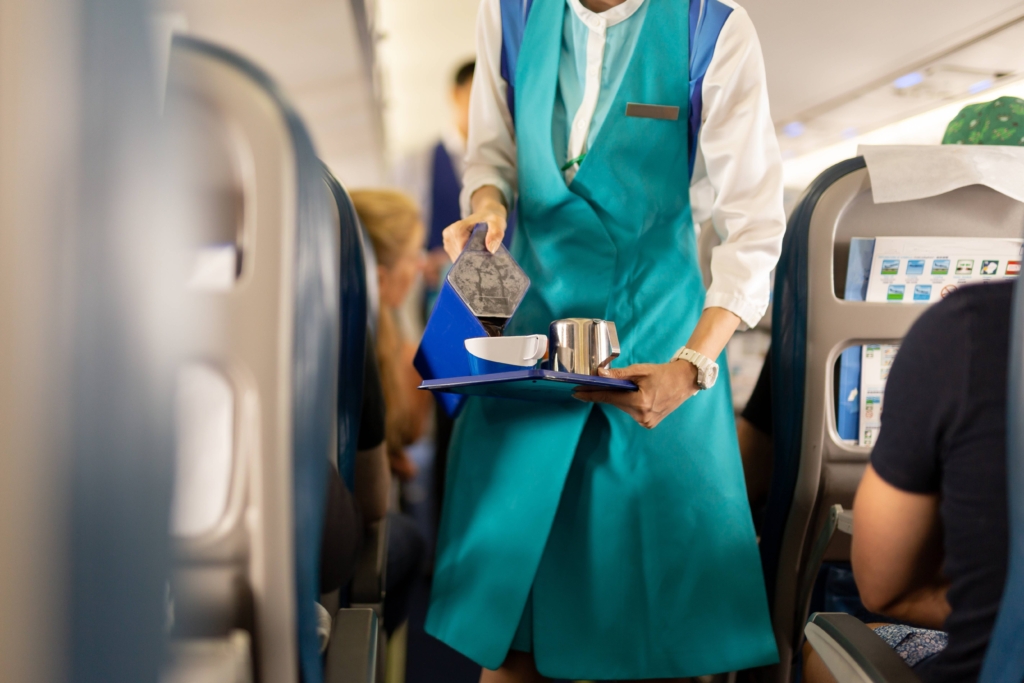
Damp leases are especially common in Europe, where airlines often want to maintain a consistent onboard customer experience. Keeping the airline’s own cabin crew helps preserve branding, service standards and familiarity for customers too.
From uniforms and announcements to inflight catering and customer interaction, the cabin crew are often seen as the public face of an airline. Damp leasing allows carriers to retain that identity while still relying on another operator’s aircraft and pilots.
How do airlines choose which type of lease to use?
In commercial aviation, leasing has become an essential way for carriers to expand fleets quickly, cover seasonal demand, or replace grounded aircraft without committing to outright purchases. The choice between wet, dry and damp leasing however usually comes down to flexibility, cost and urgency.
Wet leases are quick and convenient but tend to be more expensive because they include operational support.
Dry leases are generally cheaper over the long term but require airlines to manage the aircraft themselves. Damp leases offer a compromise between the two.
Featured image: JCM / stock.adobe.com
Sign up for our newsletter and get our latest content in your inbox.


More from

October 11, 20263 min read