


Airbus and Air France found guilty of corporate manslaughter in the 2009 crash of AF447

4 min read
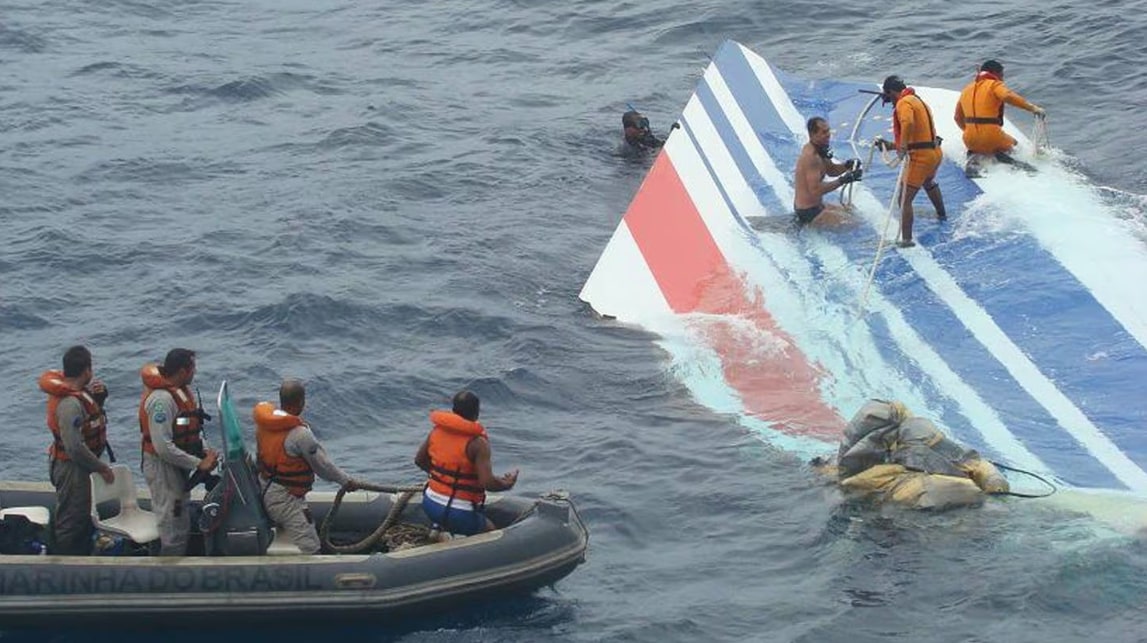
A Paris appeals court has found Airbus and Air France guilty of corporate manslaughter over the 2009 crash of Air France Flight 447. The decision overturned the companies’ earlier acquittals in one of the longest-running legal cases in aviation history.
On June 1, 2009, an Air France Airbus A330-200 operating flight AF447 en route from Rio de Janeiro to Paris crashed into the Atlantic Ocean, killing all 228 passengers and crew onboard. The disaster remains the deadliest accident in Air France’s history and the worst involving the A330 family.
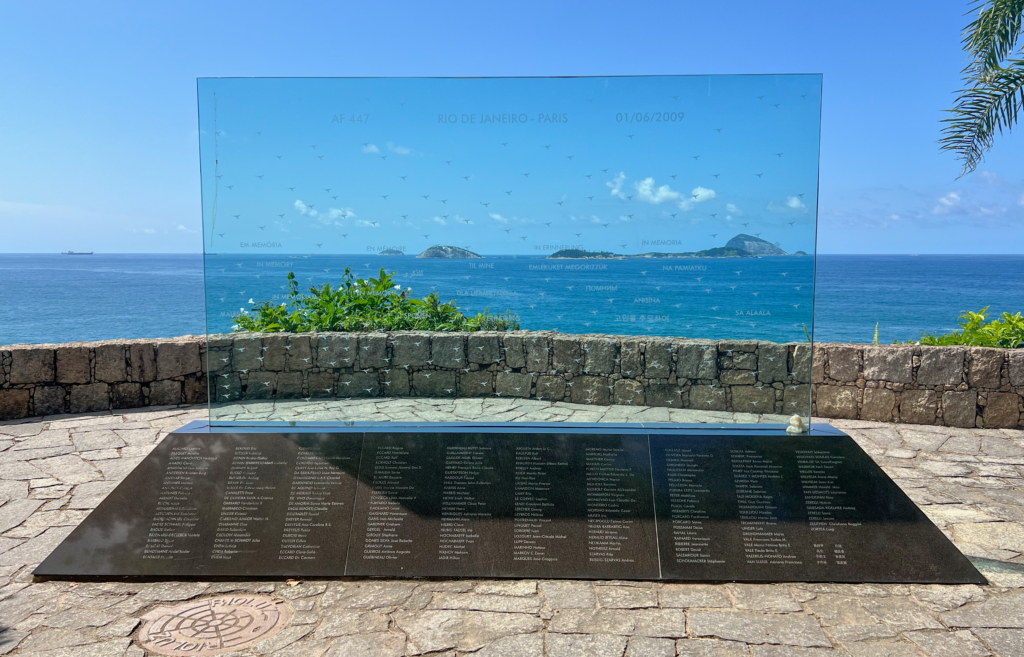
In finding the planemaker and airline guilty, the appeals court imposed the maximum corporate manslaughter fine under French law on Airbus and Air France—€225,000 each.
While the fine is only a small fraction of the two companies’ annual revenues, the verdict is a cathartic legal and emotional win for the victims’ families after a 17-year battle through the French courts.
“Justice has absolutely been done,” Reuters quotes Daniele Lamy, president of the AF447 victims’ association, who lost her son in the crash, as saying.
Why did the court reverse the earlier acquittal?
Investigators previously concluded that ice crystals obstructed the aircraft’s Pitot probes, causing inconsistent airspeed readings and autopilot disengagement. The pilots subsequently lost control of the aircraft, which entered a high-altitude aerodynamic stall from which it never recovered.
Both companies were cleared by a lower French court in 2023, which ruled that mistakes were made but that prosecutors had failed to prove a causal link between those mistakes and the crash.
Prosecutors appealed the decision, accusing Airbus of underestimating the risk of Pitot-probe icing and delivering aircraft with stall-warning logic that could confuse crew members. Air France was accused of failing to adequately train its pilots in manual handling at high altitude, failing to replace suspect probes on time, and failing to provide adequate guidance on unreliable airspeed procedures.
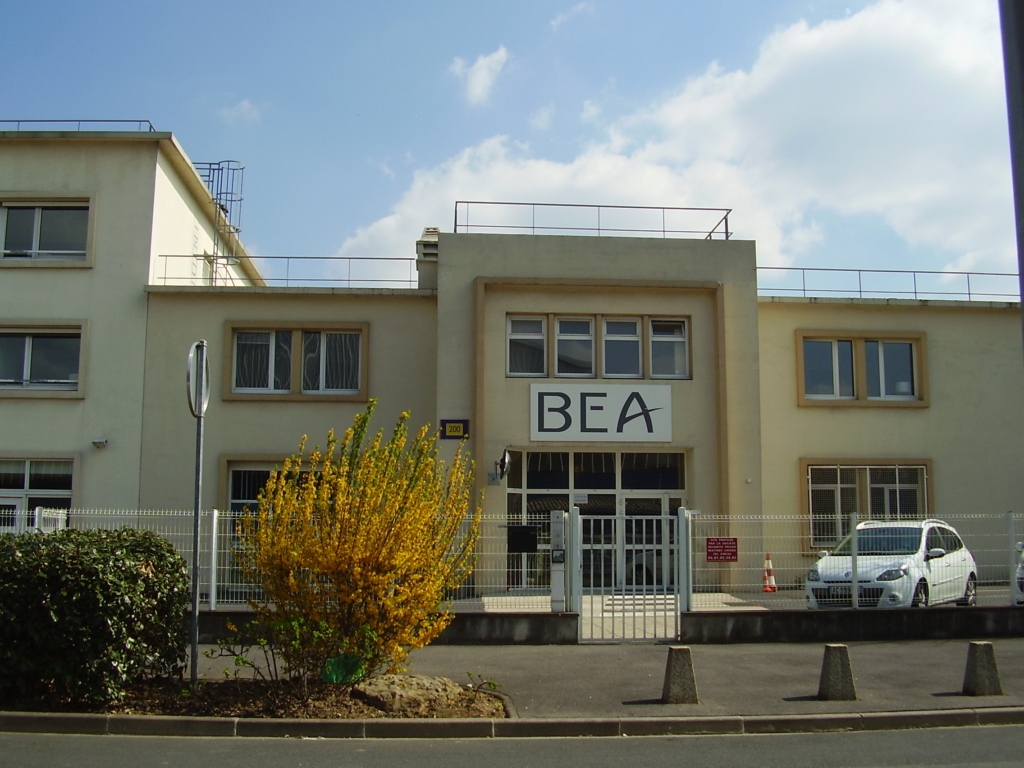
In their arguments, prosecutors cited the BEA’s safety recommendations following its investigation of the accident. They argued that these recommendations indicated that the risks were foreseeable and that both the airline and manufacturer could have taken action sooner.
The defence argued that Airbus and Air France both adhered to safety regulations at the time. Additionally, they pointed out that the crew’s inappropriate control inputs contributed to the crash.
Appeals Court finds Airbus and Air France responsible for the crash
The appeals court determined that Airbus and Air France were both responsible for the deadly crash. Airbus underestimated the risks that ice might impact the performance of Pitot-tube airspeed sensors on the A330, while Air France failed to provide sufficient pilot training for handling high-altitude airspeed-loss scenarios.
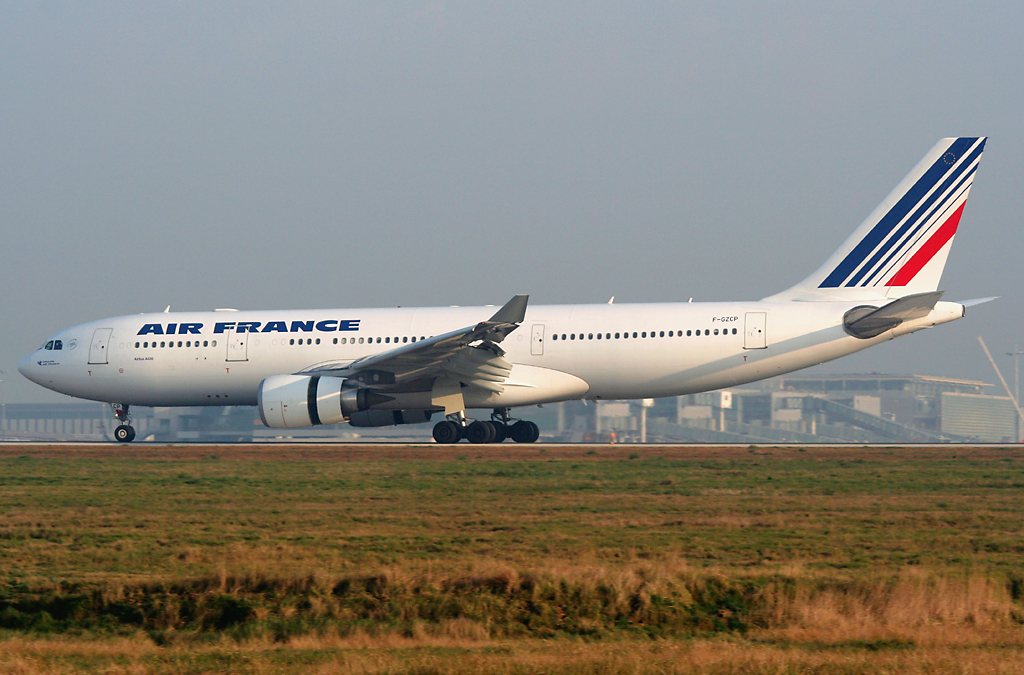
The BEA’s safety recommendations following its investigation of the crash have since been put into practice.
Airbus established the new air and inertia automatic data switching function (NAIADS) to help calculate the appropriate airspeed from other “backup airspeed” sensors even when all Pitot tubes fail.
Airlines updated pilot training to address confusion during automation failures.
Airbus and Air France will appeal the ruling
Both Airbus and Air France said they plan to appeal the ruling to France’s highest court, the Court of Cassation, which could mean the legal process surrounding AF447 could continue for years.
Airbus issued a statement following the publication of the court’s decision, saying:
“Airbus wishes to express its deepest sympathies and unwavering support to the families and loved ones of the victims of this tragic accident. From the outset, Airbus has pursued a constant objective: to understand the facts, to seek the truth, to draw all necessary lessons, and to act responsibly to continue improving aviation safety.
“Airbus notes that the decision of the Paris Court of Appeal contradicts the submissions of the Public Prosecutor’s Office and the conclusions of the dismissal order issued by the investigating judges in 2019, as well as the submissions of the Public Prosecution at first instance and the acquittal judgment delivered in 2023.
“Consequently, Airbus has decided to lodge an appeal with the Court of Cassation to allow for a judicial review of the legal questions raised by this case.
“Flight safety is the absolute priority for Airbus. It is at the heart of Airbus identity, its industrial operations, and the focus of all its employees, from aircraft design through to operation. This total commitment is owed to the millions of passengers and crew members who place their trust in Airbus aircraft every day.”
Alain Jakubowicz, the lawyer representing victims’ families, told Reuters that a second full retrial could not be ruled out if the Court of Cassation found fault with the latest verdict.
Reuters reports that Lamy appealed to Airbus and Air France to cease what she described as “procedural harassment,” adding, “There is no human, moral, or legal justification in continuing this procedure.”
Featured Image: National Transportation Safety Board | Wikimedia
Sign up for our newsletter and get our latest content in your inbox.


More from

September 27, 20263 min read

September 26, 20263 min read

September 25, 20264 min read


September 25, 20264 min read

September 24, 20262 min read


