When will the USAF retire the U-2 Dragon Lady spy plane?

4 min read
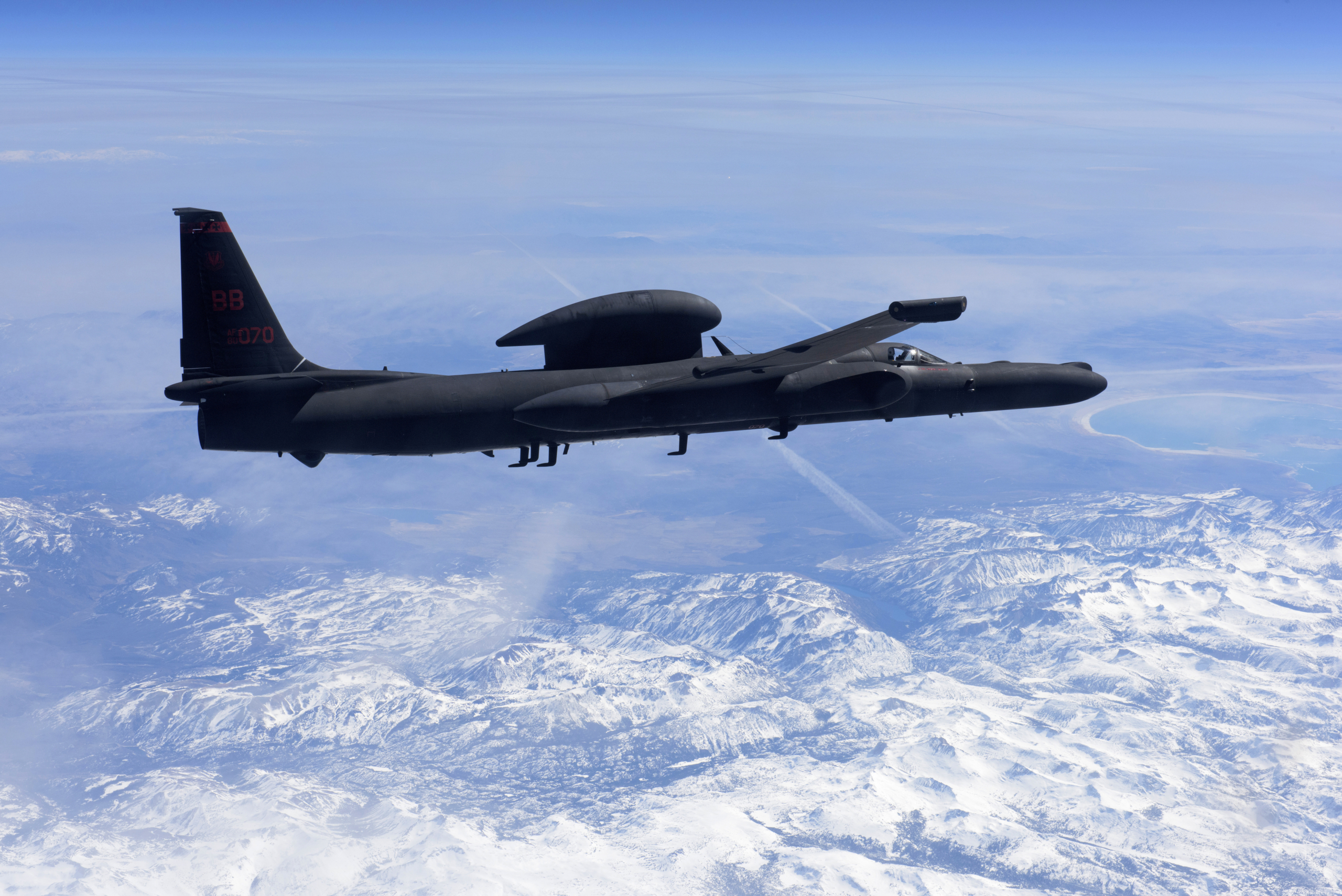
After outliving the SR-71 and returning to production in the 1980s, the 70-year-old Lockheed U-2 spy plane may finally be set to retire in Fiscal 2027.
Final Lockheed U-2s may retire in Fiscal 2027
For now, the iconic Lockheed U-2 Dragon Lady continues to fly for the Air Force, but its days are numbered. The aircraft’s remaining service may be measured in months as the USAF is seeking to divest its remaining fleet in Fiscal 2027.
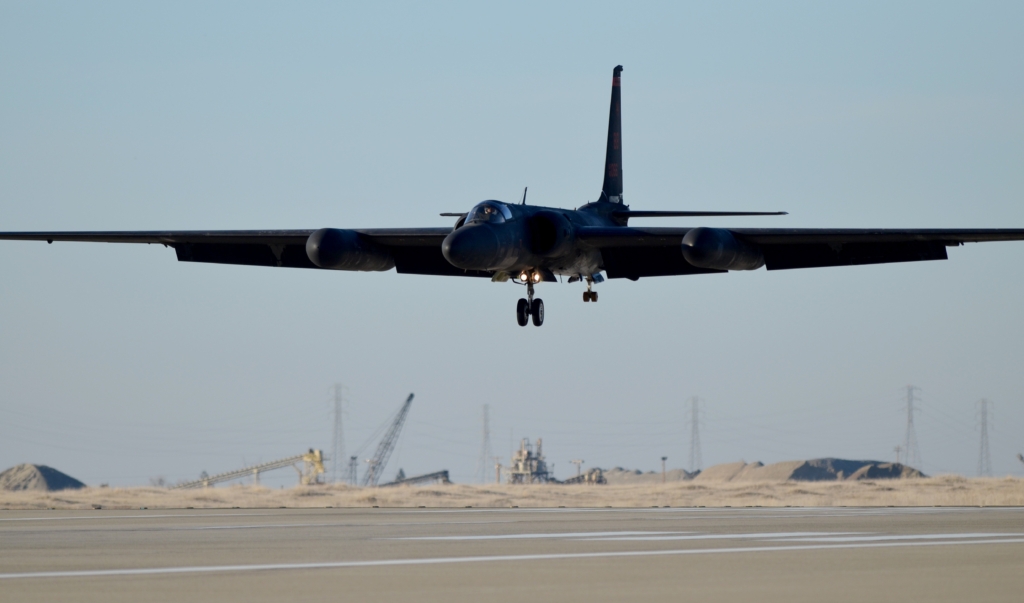
In the Fiscal 2027 Department of the Air Force Posture Statement, the Air Force says, “After its one-year extension granted in May 2025, the FY27 request proceeds with the divestment of the U-2 by the end of FY27 to avoid significant costs due to airframe age and fatigue.”
The Air Force has 23 U-2 Dragon Ladies remaining in service, and it wants to retire all in Fiscal 2027. It remains unclear if Congress will permit the entire fleet to be retired all at once or will mandate a staggered phase-out.
Budget requests often start negotiating positions. The Air Force generally understands that Congress will meet them partway.
The Air Force sent one U-2 (80-1085) to the Boneyard in Fiscal 2026. That aircraft had reached its maintenance milestone.

The website, Dragon Lady Today, writes, “The U-2s that are being sent there will be kept in Type 1000 Long Term Storage, meaning that they will be fully maintained for potential recall to active service. Although that doesn’t seem likely.”
The U-2 is being replaced by a range of other platforms like satellites, secretive spy drones (e.g., RQ-180), and other assets.
Late Cold War variants with post-Cold War modernization
Lockheed’s Skunk Works built a total of 104 U-2 airframes. These were produced in phases, with the original legacy fleet of 55 airframes being built between 1955 and 1959.

Another 12 heavily upgraded airframes were built between 1967 and 1969. Finally, the remaining 37 airframes were built between 1981 and 1989 as part of the Reagan-era defence build-up.
All U-2s remaining in inventory today are these 1980s-era Dragon Ladies. They also received a major overhaul after 1994 to the modern U-2S standard, as well as other incremental upgrades.
Timeline of Lockheed U-2 production:
- 1955-1959: 55 original aircraft
- 1967-1969: 12 upgraded aircraft to replace attrition
- 1981-1989: 37 final upgraded variant
- 2026: 23 remaining in inventory
While the type has been in service for around 70 years, the airframes operating are modernized airframes that are around 40 years old. This makes the U-2 old in a different sense than KC-135s or B-52s, whose airframes can be around 70 years old.
Why the Lockheed U-2 was not “obsolete”
In the military, “obsolescence” is not only how old or vulnerable a system is, but it’s also about whether there are alternatives that can fill its role and the cost of operating the system.
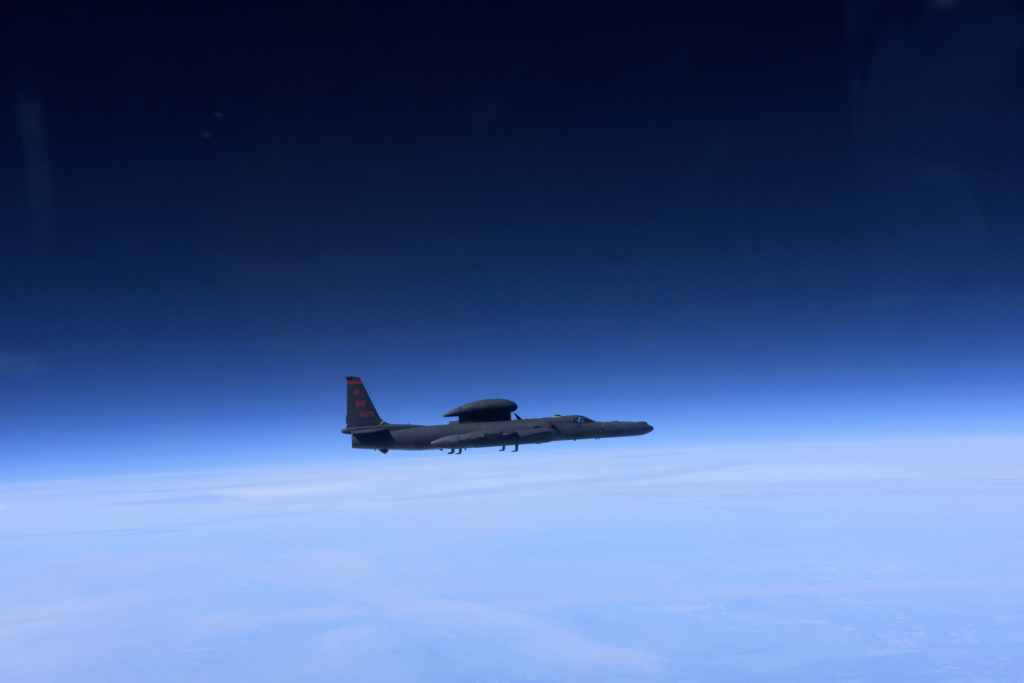
The Lockheed U-2 Dragon Lady was developed in the 1950s, at a time when some of the best US photographs of parts of the western USSR were images taken by WWII German aircraft.
The subsonic U-2 was a black box programme designed to fly above Soviet interceptor aircraft and ground-based interceptors at an altitude of 70,000+ feet.
However, the shootdown of a U-2 (piloted by Gary Powers) over the USSR in 1960 and another during the 1962 Cuban Missile Crisis proved the aircraft vulnerable.
In response, the USAF developed the more advanced Lockheed SR-71, able to fly at Mach 3.3, at an altitude of 80,000+ feet, and with a reduced radar cross section.

And yet, a combination of new ISR assets (e.g., satellites), the enormous costs of sustaining the SR-71, and the demise of the USSR saw the SR-71 retired in 1989 (initially) and 1998 (permanently).
While vulnerable, the U-2 remained an extremely useful spy plane in low-threat environments (e.g., over the sea, over the southern border). The USAF valued it thanks to its relatively lower operational cost and its high persistence.
Get the latest aerospace defence news here on AGN.
Proposed retirement of half A-10 “Warthog” fleet in FY 2027
Seperately, AGN reported the US Air Force has announced it will keep the iconic A-10 “Warthog” in service until 2030. This was presented as a change of the Air Force’s heart by the media as somehow validating the usefulness of the ground attack aircraft.
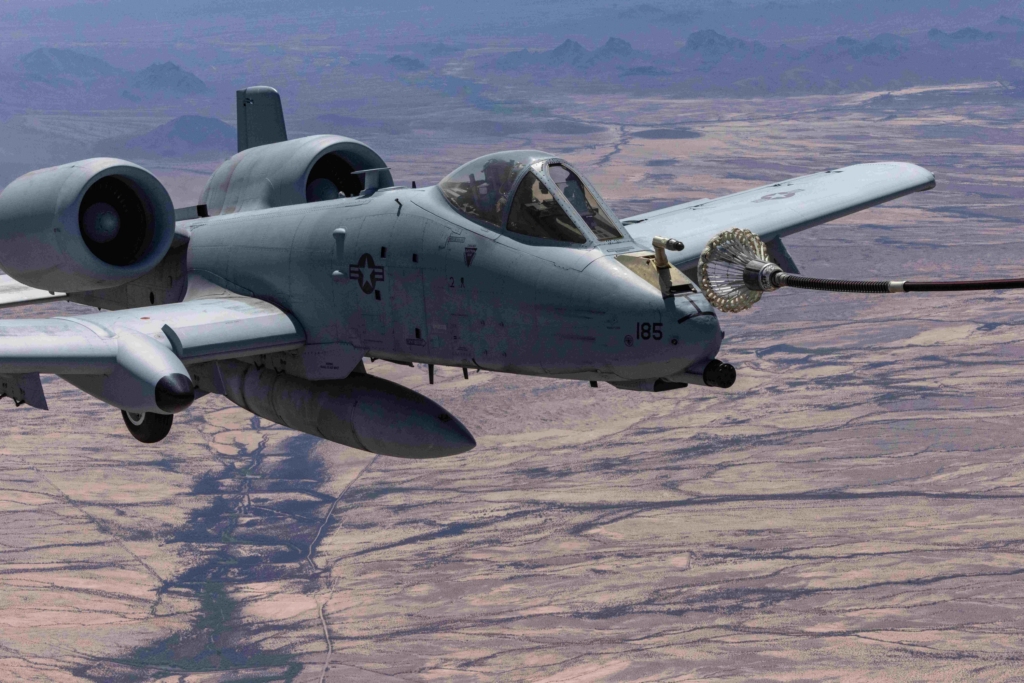
AGN noted that the truth is more nuanced and only presented a 0-2 year extension based on the de facto Congress phase-out timeline apparently being followed.
In the Fiscal 2026 budget, Congress authorized the Air Force to reduce its fleet from 162 A-10 to no fewer than 103. In the Air Force’s Fiscal 2027, it is still asking to retire half of the remaining fleet (49) to just three squadrons (54).
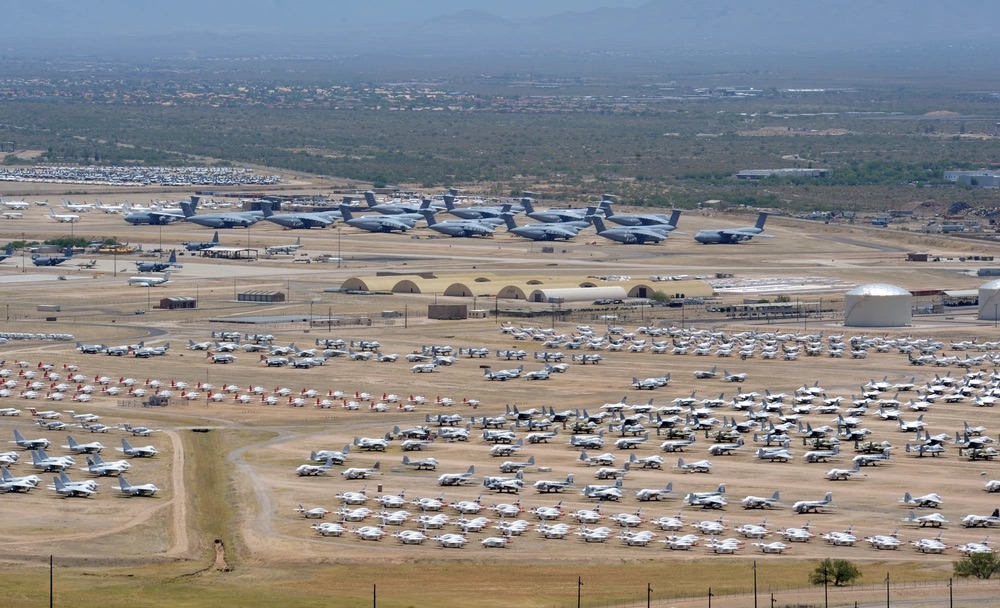
The plan is to keep three active duty squadrons, two at Moody AFB and one at Whiteman. 2029 would see the retirement of one squadron (around 18 aircraft). The other two squadrons with 36 aircraft, one at Moody and one Reserve at Whiteman, would retire in 2030.
Featured Image: US Air Force
Sign up for our newsletter and get our latest content in your inbox.


More from


October 17, 20264 min read