


Africa’s domestic aviation market outpaces growth elsewhere

5 min read

Despite global capacity increase and airlines elsewhere grappling with the fallout from conflict in the Middle East and Ukraine, Africa’s aviation market is showing robust growth, according to industry analysts.
Global capacity is up just 1% year-on-year this summer season, according to data from aviation analysts OAG and Midas Aviation. This is well short of the 3% growth previously forecast and is largely due to airlines shifting capacity in response to instability in the Middle East since February and March. But Africa has proven unusually resilient.

African aviation can only soar
For Sean Mendes, director at aviation consultancy seanmendes.com, this isn’t such a huge surprise. “African aviation is so far behind the rest of the world; there really is nowhere to go but up,” he said during an online panel discussion hosted by OAG on Wednesday, 29 July.
“From a population and economic perspective, the continent is growing. How it has weathered the Middle East crisis underlines that. Prices have gone up, and there have been pockets of slowed growth, but no real shrinking. The market is showing resilience to those global shocks,” Mendes continued.
John Grant, chief analyst at OAG, agreed that Africa stands apart from broader trends. “There’s a lot of uncertainty globally, with airlines shifting capacity due to the Middle East war and unrest in Ukraine and elsewhere,” he said. “We are not seeing the signs of growth we would normally expect elsewhere, but that’s not the case in Africa.”
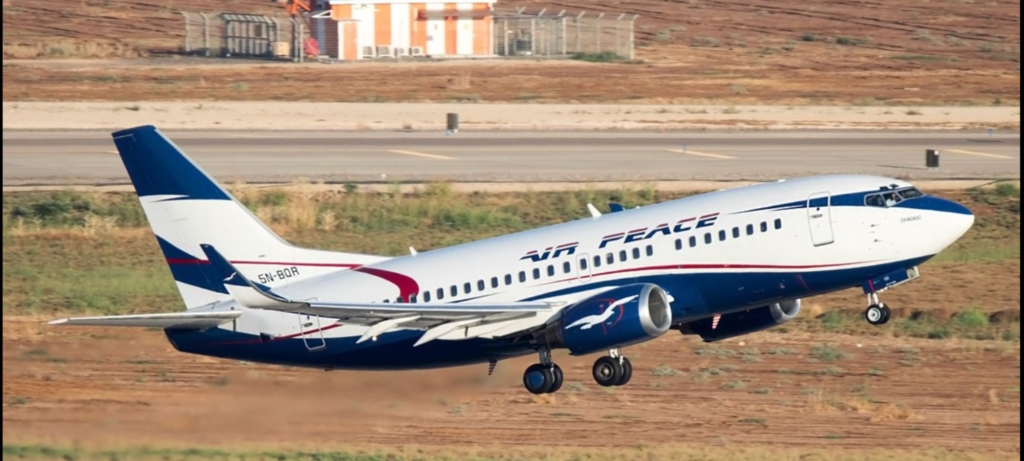
Nigeria is leading Africa’s domestic aviation boom
Pointing to strong domestic growth across the continent, Deirdre Fulton, a partner at Midas Aviation, singled out Nigeria’s recovery from recent turmoil. “There’s been strong domestic growth across Africa. Nigeria’s domestic aviation market has seen some turmoil in recent years, but that now seems to be entering an expansive boom phase,” she noted.
Nigeria and South Africa remain the continent’s two largest domestic markets. However, both have historically been characterised by late booking patterns, as is the trend across the continent, with passengers often purchasing tickets on the day of travel. According to Mendes, that trend persists. “The booking curve remains very tight. We’re still seeing a large number of bookings made as late as one day before travel.”
Pointing to Nigeria’s 36% year-on-year capacity growth in its domestic market, Grant said this is in part driven by the country’s domestication of the Cape Town Convention, which has made international lessors more comfortable with placing aircraft with Nigerian carriers on dry lease. Major lessors, including AirCap, have begun placing airframes in the country – a shift from previous years when Nigerian operators leaned on seasonal wet leases from Europe to cover demand spikes during the winter season and over Christmas. “With Europe’s ACMI market weaker this year, more wet-lease capacity is also flowing into Nigeria this summer,” he said.
Mendes did, however, caution that Nigeria’s growth is in a highly fragmented market. “There’s no single stand-out carrier – or even two or three like Air Peace – that are really dominating the Nigerian market. There’s huge capacity but no brand loyalty,” he said. He predicts that consolidation is likely to come through alliances and partnerships rather than acquisitions, given that Nigerian carriers are largely privately owned.
Fulton added that fragmentation is typical of an emerging market. “As personal economic wealth grows in a country, you see lots of suppliers and entrants to the market, followed by consolidation,” she said.
Africa’s rising middle class and punitive aviation taxes
The three noted that air travel typically becomes accessible to a population once GDP per capita reaches around US$2,000. Africa’s average sits just under US$3,000, though the range varies by country, with some much lower. Mendes linked the continent’s growth to a broader pattern seen in emerging markets.
“When a market enters lower-middle income, the first thing people spend on is consumer goods, and the second is travel,” he said. “That’s not necessarily people going on bucket-and-spade holidays – it’s more entrepreneurship, as people have more disposable income and urbanisation, which drives additional travel demand.”

Mendes was also sharply critical of aviation taxation, describing it as “extremely punitive. He cited the cost of a flight from Accra in Ghana to Freetown in Sierra Leone, where taxes alone reached US4500 for a two-hour journey.
“Africa is growing despite the policies around African aviation, not because of them,” Mendes said. “Policymakers are part of the problem, not the solution.”
Mega hubs coming online and fleet constraints
All three speakers agreed that regional hubs, including existing airports and new megahubs coming online in Addis Ababa, Nairobi, Casablanca, Cairo, and increasingly Lome, are critical given the number of small national markets across the continent and anticipated growth. Grant pointed to Addis Ababa Bole International Airport as “best in class” for Africa and beyond, while Mendes questioned Uganda’s plan to build a 111-million-capacity airport to rival Addis as “delusional,” saying it reflects a real misunderstanding of how hubs function. “It’s about connecting passengers, not entering the local market.”

Fleet age also poses a challenge, with much of the continent’s fleet averaging 19 years old. However, Grant said it’s important to remember that utilisation rates matter as much as age, with African carriers being much less demanding of their fleet than airlines in Europe with much more frequent schedules. Meanwhile, Fulton pointed to constrained leasing options in a competitive global market as a further limiting factor.
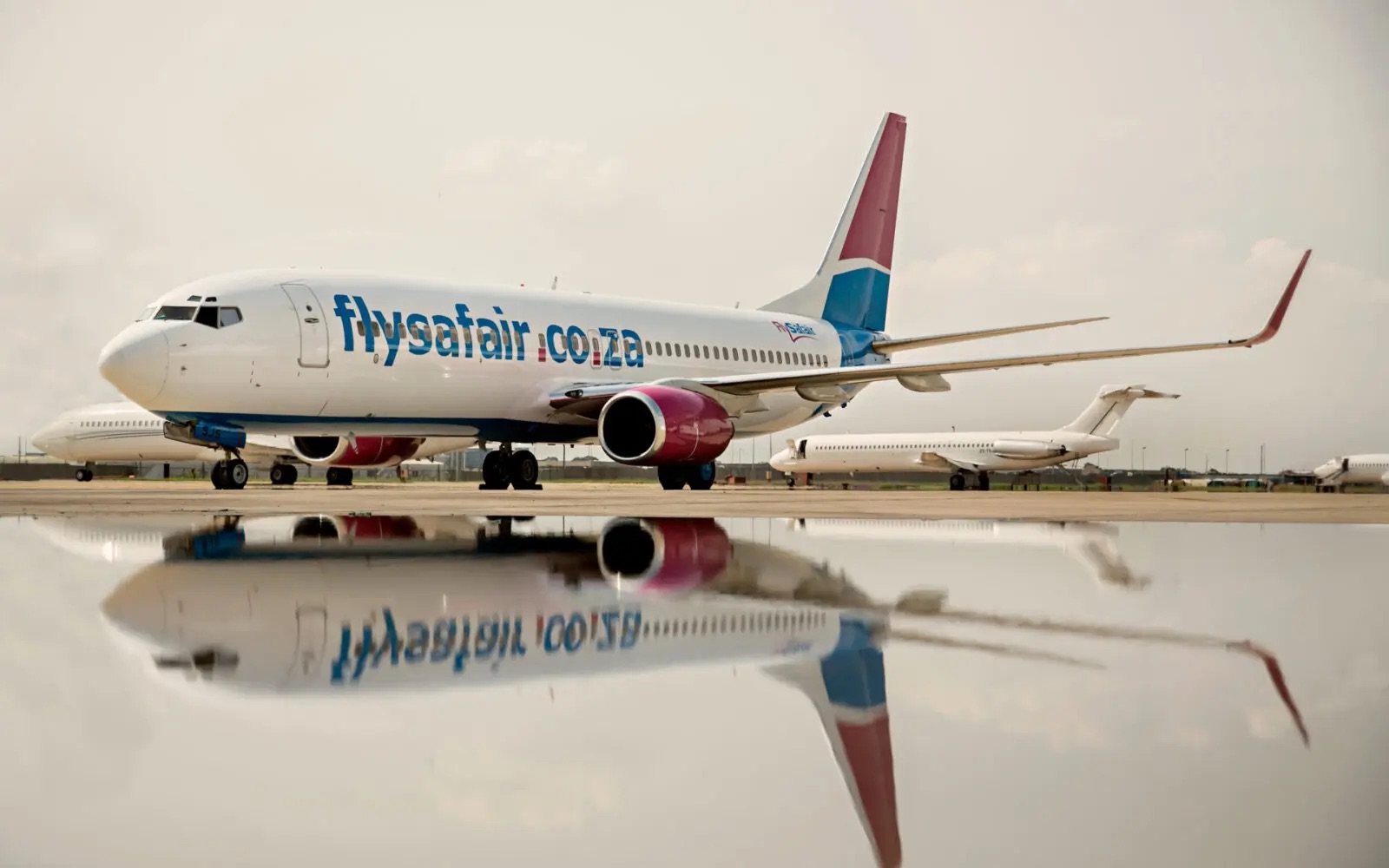
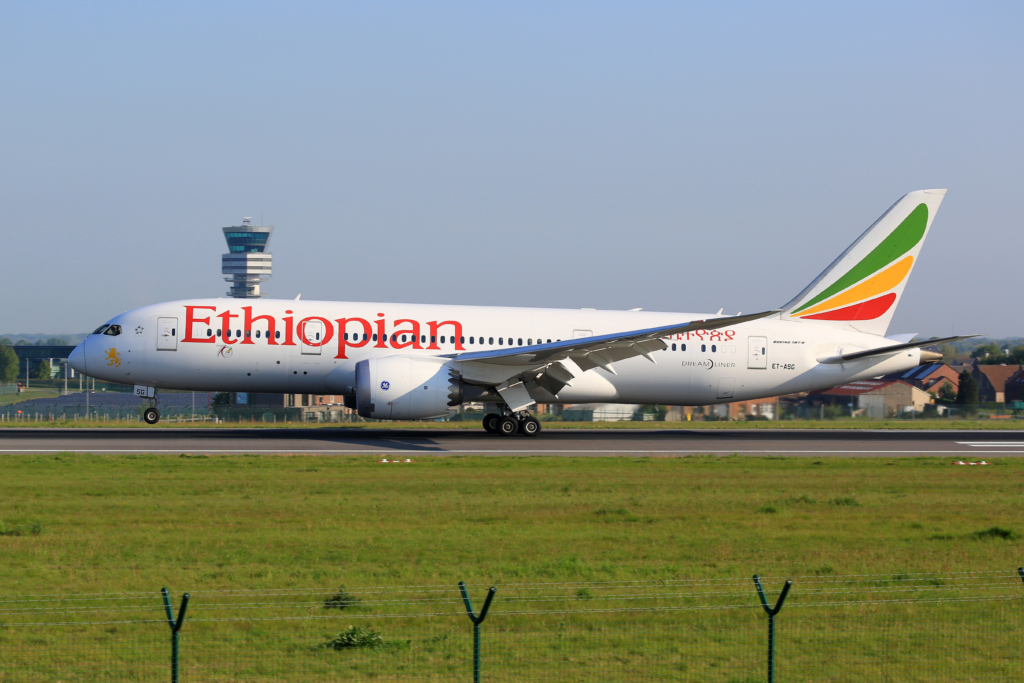
Looking ahead, panellists cited Ethiopian Airlines, Safair and Royal Air Maroc as carriers that are “getting it right”, offering seamless connectivity and being “the ones to watch” as Africa’s expanding mega-cities continue to drive demand that infrastructure on the ground and airline fleets will need to keep pace with.


