


From Lavi to stealth drones: Israel reshapes its future airpower strategy

6 min read
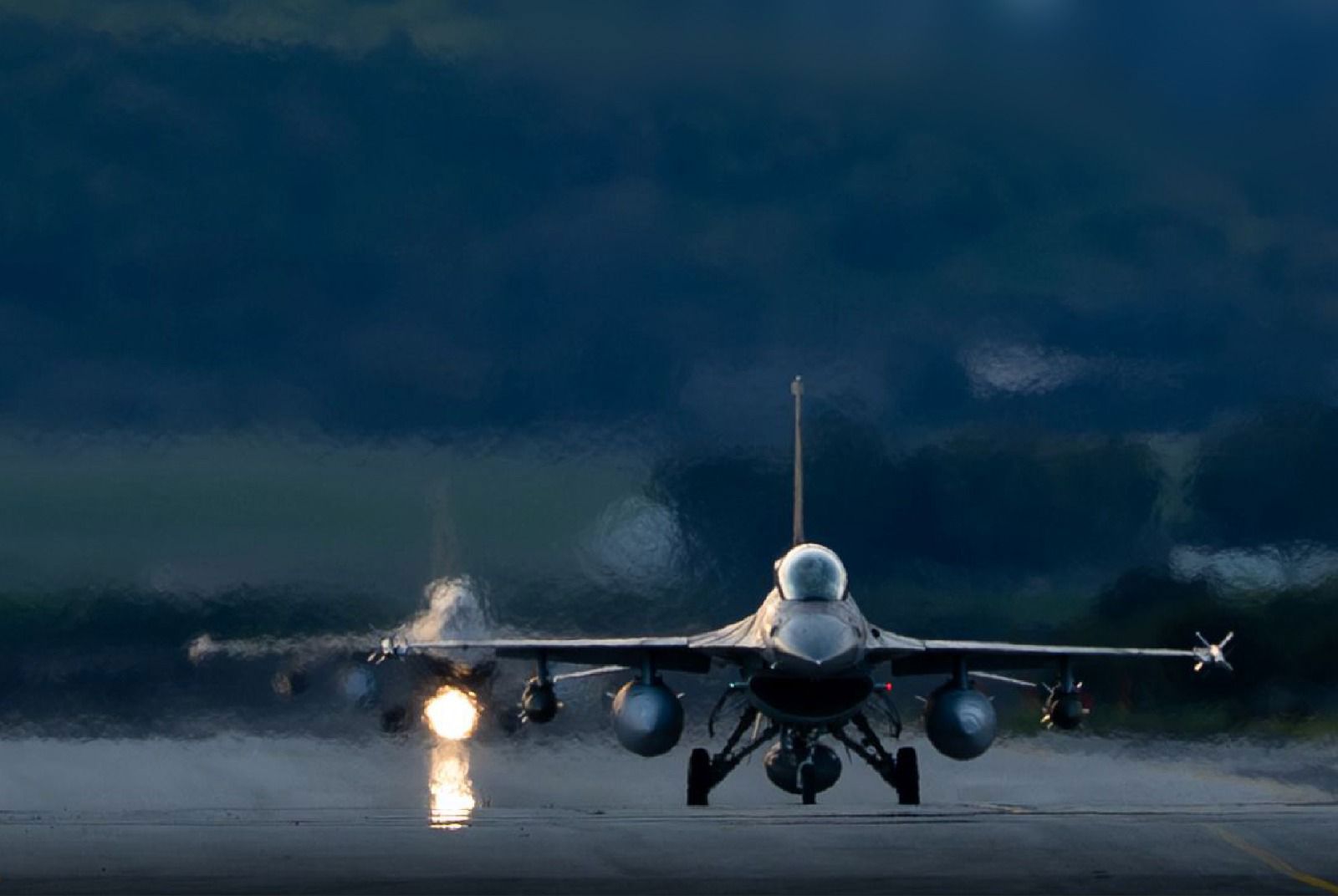
Israel is laying the foundations for an indigenous airpower strategy that could eventually include a stealth combat drone, a homegrown fighter aircraft and long-range missiles as it prepares for a future with less reliance on US military support.
The Israeli government’s decision could become its most significant shift in military aviation strategy since the cancellation of the indigenous Lavi fighter programme nearly four decades ago, with new efforts under discussion that extend well beyond a single aircraft and point towards a broader drive for defence self-reliance.
At the centre of that effort is a reported concept for an advanced unmanned combat aircraft with capabilities comparable to the Lockheed Martin F-35 Lightning II.
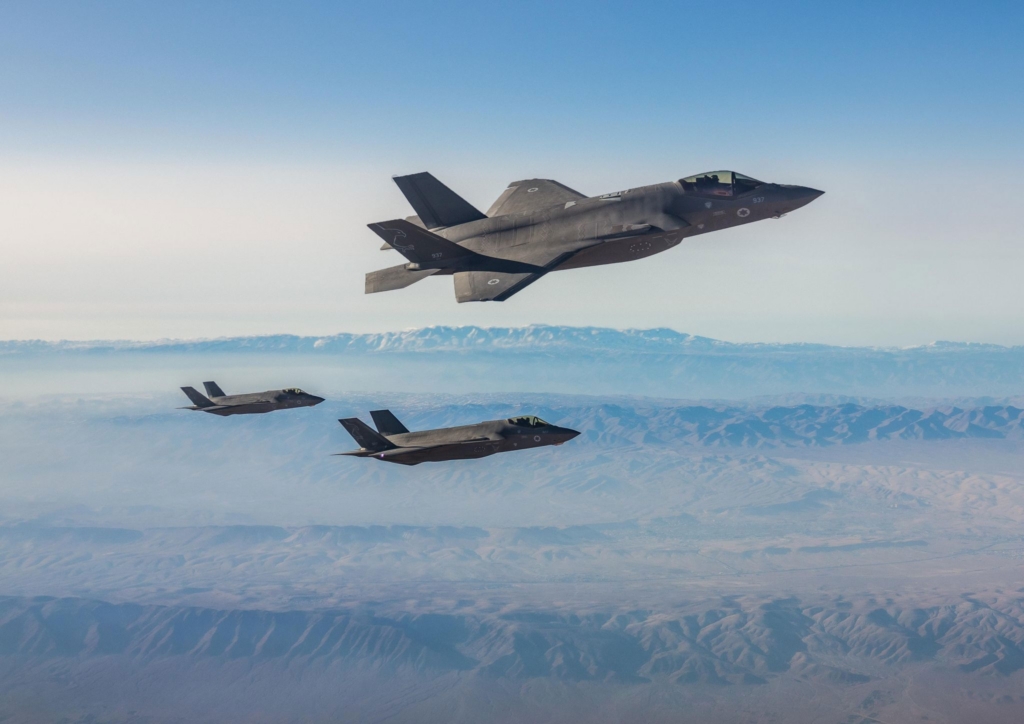
According to Bloomberg, citing a senior Israeli official, the aircraft is being examined as part of a wider plan to strengthen Israel’s domestic defence industry, reduce long-term reliance on US military assistance and expand future weapons development through international partnerships.
The proposal remains at an early stage. No contractor has been selected, no development timetable has been announced and Israel’s Ministry of Defence has yet to formally launch such a programme. Yet viewed alongside other recent developments, including reported studies into long-range cruise missiles and discussions around a future indigenous fighter aircraft, it suggests Israel is beginning to rethink how it intends to preserve its technological edge in an increasingly uncertain geopolitical environment.
A broader strategy than a single aircraft
The reported stealth drone is only one element of a wider debate unfolding within Israel’s defence establishment.
Prime Minister Benjamin Netanyahu has repeatedly argued that Israel should progressively reduce its dependence on foreign military assistance while expanding domestic defence production.
More recently, Axios reported that Netanyahu had instructed Israel’s defence industry to begin work on a modern homegrown fighter aircraft as part of a long-term strategy aimed at ensuring Israel can sustain advanced airpower even if future access to foreign combat aircraft becomes more uncertain.
Taken together, the reported initiatives point towards a gradual shift from dependence on imported platforms to greater sovereign control over advanced military technologies.
That does not mean Israel is turning away from the United States. Rather, it reflects an effort to ensure that critical military capabilities remain available regardless of future political or industrial constraints.
An air force built around American fighters
Any move towards indigenous combat aircraft would represent a profound change for the Israeli Air Force.
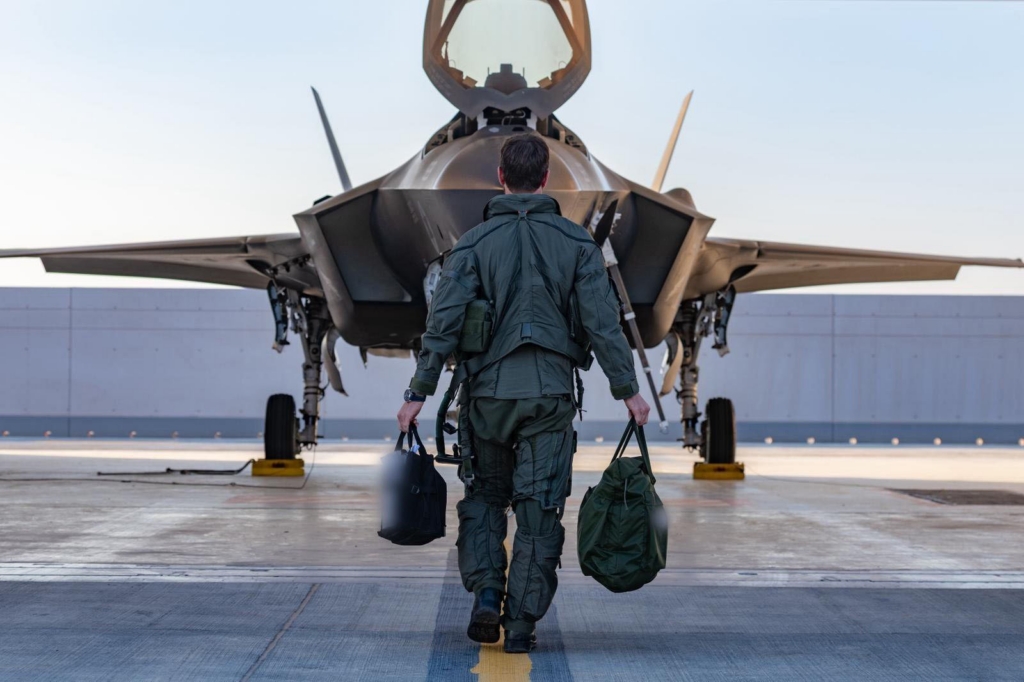
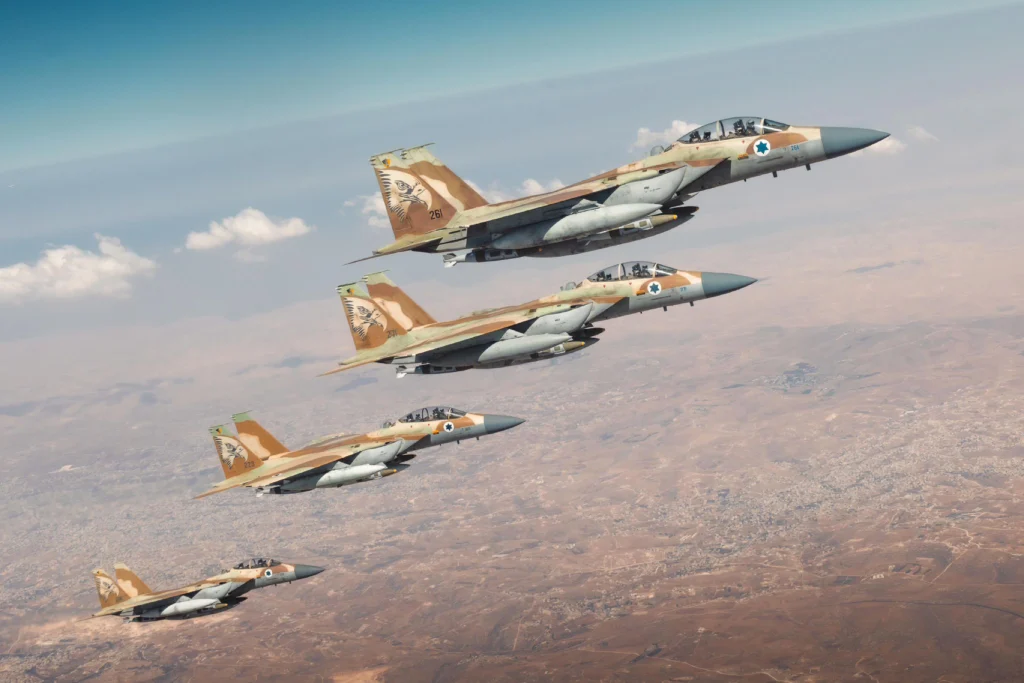
Since the late 1980s, Israel has relied almost exclusively on American-built fighters. Successive generations of F-15s and F-16s have formed the backbone of its combat aviation fleet, while the F-35I “Adir” has become its premier fifth-generation aircraft.
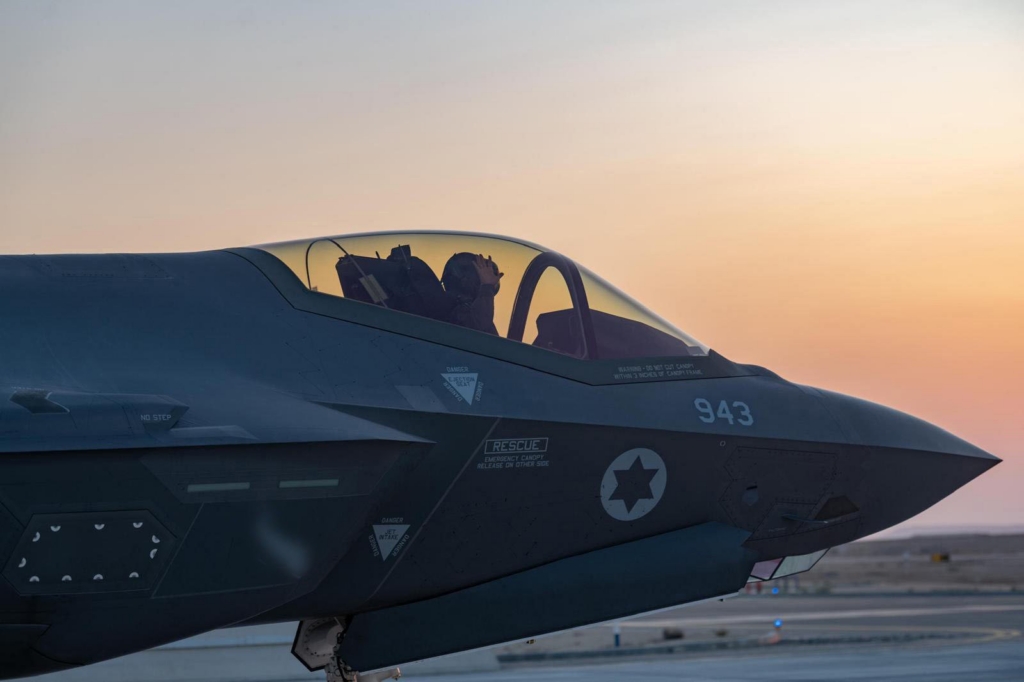
Israel was the first country outside the United States to receive the F-35 and the first international operator to publicly acknowledge using the aircraft in combat. Today, it remains the only F-35 operator in the Middle East, giving it a unique stealth capability in the region.
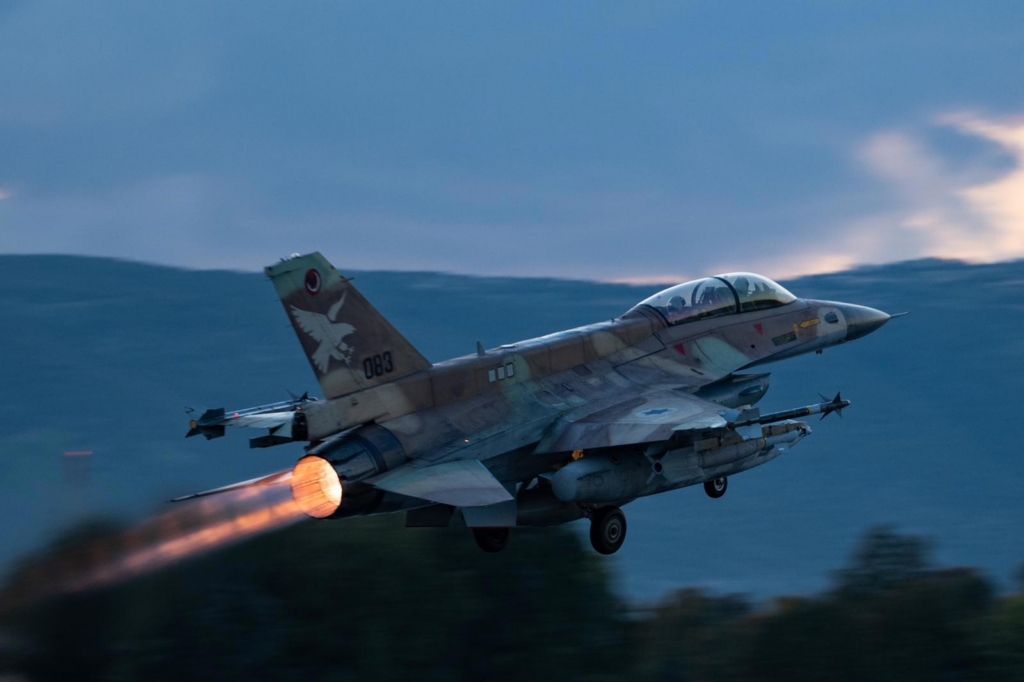
Unlike other export customers, Israel operates a customised version incorporating approved Israeli-developed systems, including mission software and electronic warfare capabilities tailored to national operational requirements. The aircraft has become central to long-range precision strike, intelligence gathering and air superiority missions undertaken by the Israeli Air Force.
Israel is reported to operate more than 40 F-35Is, with additional aircraft approved for future delivery, ensuring the type will remain a cornerstone of its combat fleet for years to come.
Why unmanned combat aircraft matter
The concept outlined by Bloomberg reflects broader changes taking place across military aviation.
Air forces are increasingly examining how advanced unmanned combat aircraft can operate alongside crewed fighters, undertaking intelligence gathering, electronic warfare, suppression of enemy air defences and precision strike missions in heavily contested airspace.
Such aircraft are generally viewed as force multipliers rather than replacements for crewed platforms. They can undertake high-risk missions without exposing pilots to danger, remain airborne for extended periods and operate as part of increasingly networked combat systems.
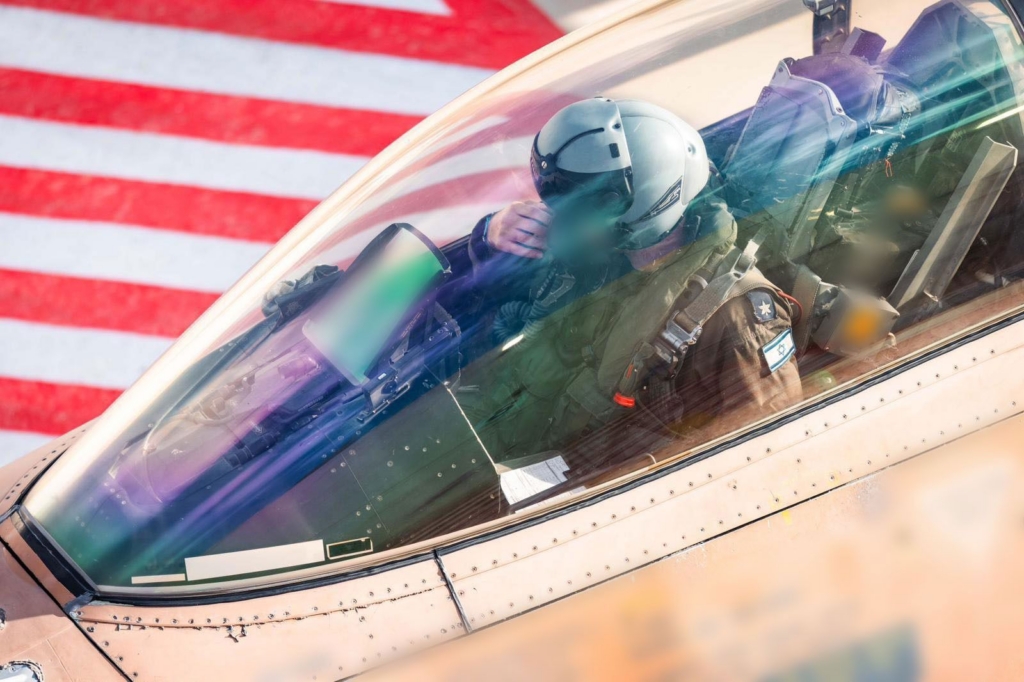
Israel already possesses decades of experience designing and exporting unmanned aircraft, but its operational fleet has largely centred on reconnaissance and tactical systems. A stealthy combat aircraft with capabilities approaching those of the F-35 would represent a significant technological leap beyond existing Israeli unmanned platforms.
Missiles could become a bigger part of future airpower
The reported unmanned aircraft concept has emerged alongside indications that Israel is also reassessing how it conducts long-range precision strikes.
Israeli media have reported that the Ministry of Defence is examining options for acquiring larger numbers of comparatively low-cost, long-range cruise missiles capable of reaching distant targets without relying exclusively on fighter aircraft.
The debate is not new.
When Avigdor Lieberman served as defence minister, he argued that Israel should establish a dedicated missile corps capable of conducting strategic strikes independently of the air force. At the time, he warned against relying entirely on combat aircraft for long-range operations, arguing that Israel needed an alternative capable of delivering precision strikes without placing pilots or expensive aircraft at risk.
Although that proposal was never implemented, recent discussions suggest similar ideas are once again receiving attention as Israel considers how best to structure its future strike capabilities.
The return of the Lavi debate
The renewed focus on indigenous airpower has also revived discussion of one of Israel’s most ambitious aerospace projects.
In a paper published this week by the Begin-Sadat Center for Strategic Studies, defence analyst David Rodman argued that Israel should revisit domestic fighter production after decades of dependence on imported aircraft. He noted that Israel has possessed the technological and industrial capability to design and manufacture advanced fighter aircraft since the 1970s but abandoned that path following the cancellation of the Lavi programme in 1987.
Rodman contends that today’s strategic environment differs fundamentally from that of the 1980s. He argues that Israel’s expanding industrial base, combined with uncertainty surrounding future access to foreign military equipment, strengthens the case for reconsidering indigenous fighter production. He also points to Israel’s extensive role in manufacturing major F-35 components, including wings and pilot helmets, as evidence of the country’s mature aerospace sector.
The paper reflects an emerging debate within Israeli strategic circles rather than official government policy. Nevertheless, it illustrates how questions once considered settled are again becoming part of Israel’s long-term defence planning.
The renewed discussion also comes as regional competition in combat aviation is evolving. Turkey, which was removed from the F-35 programme after acquiring the Russian S-400 air defence system, is developing its indigenous fifth-generation fighter, the TF Kaan. Although the aircraft still relies on US-built General Electric F110 engines during its initial development phase, the programme underlines a wider trend among regional powers to pursue greater sovereign control over advanced military aviation.
A long-term direction rather than an immediate programme
None of the reported initiatives, the stealth drone, a future fighter aircraft or expanded missile capabilities, has progressed into a formal procurement programme.
Even so, together they paint a picture of a country reassessing the foundations of its military aviation strategy.
For decades, Israel’s qualitative military edge has been built on access to cutting-edge American aircraft combined with indigenous sensors, weapons and electronic warfare systems. The latest discussions suggest future planning may place greater emphasis on developing complete weapons platforms inside Israel itself while continuing to work with international partners where necessary.
Whether any of those concepts ultimately move from drawing board to operational service remains uncertain. What is already becoming clear, however, is that Israel is no longer planning only for the next aircraft acquisition. It is beginning to consider what an independent airpower strategy could look like in the decades ahead.


