


Singapore explores joining GCAP as global interest in Tempest grows

3 min read
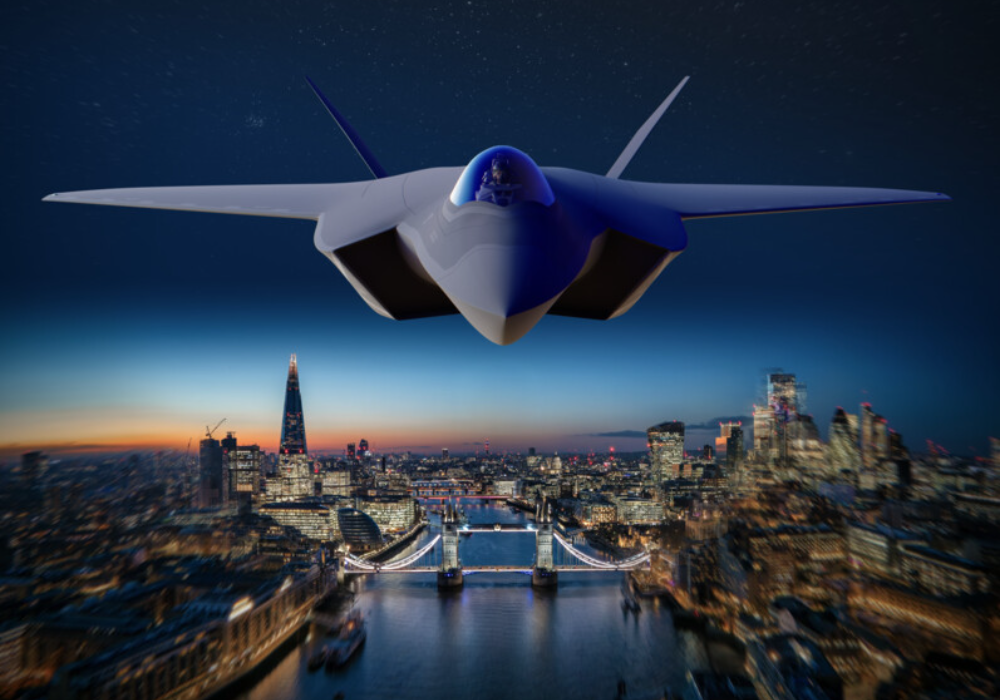
Singapore is now reportedly interested in joining the GCAP/Tempest 6th-generation fighter jet programme, highlighting the significant export potential of the jet.
BAE is currently assembling the first demonstrator, and it is expected to fly in 2027. Japan is insistent it wants the aircraft in service by 2035.
Singapore is discussing joining GCAP/Tempest
According to a new article by the think-tank Janes, Singapore is now in early discussions on possible involvement in the Global Combat Air Programme (GCAP), aka the BAE Tempest.
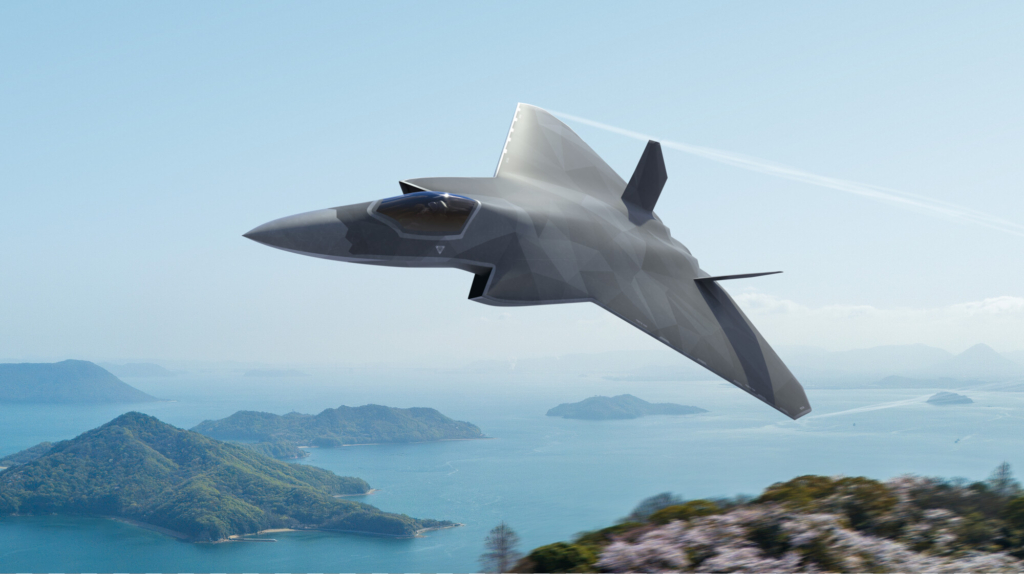
Janes stressed that talks are currently at an exploratory stage and that no decisions have been made for Singapore to commit. The publication quoted an unnamed source close to the matter.
It writes, “The development nevertheless marks the first known indication that Singapore is formally examining potential links to the programme.” Janes explained that these early talks are consistent with Singapore’s longstanding approach to major defence acquisitions.
The country prefers to spend years evaluating technologies, industrial opportunities, and long-term strategic implications before making big decisions for procurement.

Weighing in, The War Zone wrote that Singapore “has traditionally acquired the best available Western-made equipment to meet its combat aircraft needs.” It also noted that the next logical procurement after the F-35 is Collaborative Combat Aircraft.
An increasing number of countries are interested in GCAP
The news comes after Canada joined the programme as its first observer this month. Saudi Arabia, India, and Australia are also known to be interested in the jet.
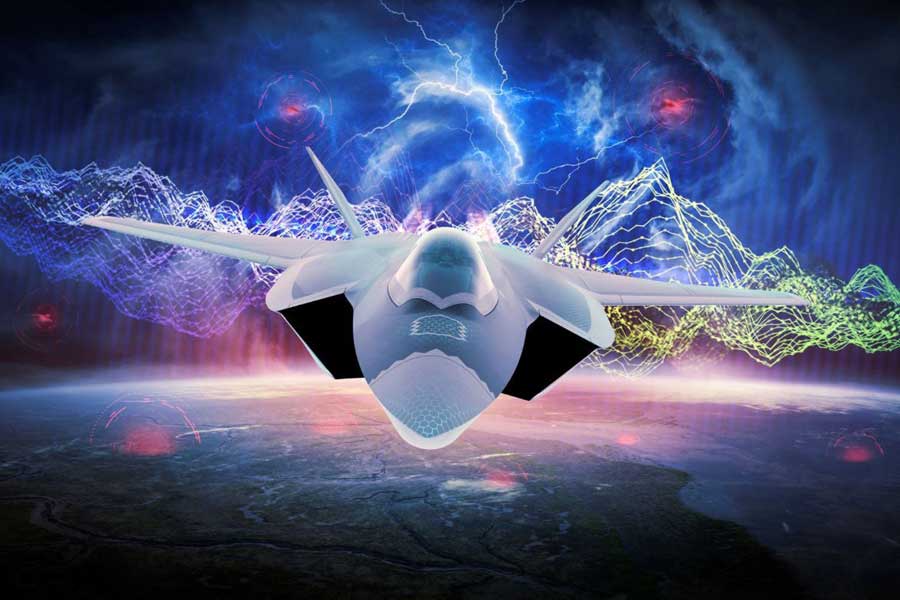
The current Australian government has canceled plans to purchase the final fourth squadron of 28 F-35As. This helps leave the country’s options open to purchasing Tempest.
Having broken up from its FCAS programme with France, perhaps the biggest question for GCAP is Germany. The country comes with a robust aerospace sector, deep pockets, and ambitious rearmament plans.
Germany is now exploring its options, which include joining GCAP/Tempest in some capacity, developing another aircraft with Sweden and/or Spain, or relying on 5th-generation fighters and autonomous combat aircraft.
The F-35 is being developed to replace Eurofighters and Japan’s Mitsubishi F-2 (F-16 variant) is intended to complement F-35s. The UK, Italy, Japan, Canada, Australia, Germany, Singapore, and Saudi Arabia all operate F-35s or are planning to in the future.
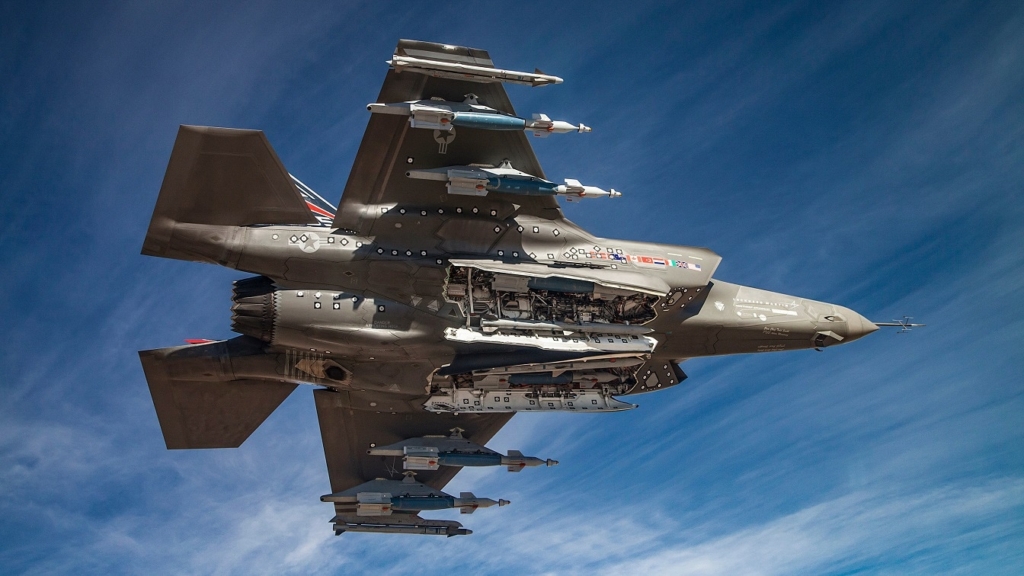
Reporting suggests that the internal weapons bays on GCAP are much larger than those of the F-35. This will help relieve one of the major limitations inherent in carrying munitions internally.
GCAP: The only next-gen export-oriented Western fighter
GCAP/Tempest is one of the two leading Western next-generation fighter jet programmes. The other is the US Air Force F-47 air dominance fighter, which is even more advanced in its development cycle.
GCAP is specifically being designed as a multirole air superiority fighter jet to fit British, Italian, and Japanese requirements while also being optimized for export.

The F-47 will be a highly specialized fighter jet, designed to replace the F-22. It is specifically designed to meet the US Air Force’s requirements in the Asia Pacific.
It is unclear whether the US will offer the F-47 for export. Trump said in March 2025 that it would be exported, but that’s a decision for later administrations. It is also unclear if the highly specialized aircraft will suit the needs of other air forces.
It is plausible that the primary competitor for GCAP in the late 2030s will be a future F-35 Block 5 upgrade.


