


The cancelled aircraft that were years ahead of their time

3 min read
Military aviation has produced some incredible aircraft, but not every promising design makes it into service.
Rising costs, political decisions and changing defence priorities have ended some fascinating projects. Here are four that could have taken military aviation in a very different direction.
Avro Canada CF-105 Arrow: The Mach 2 interceptor that never entered service
Developed to protect North America against Soviet bombers, the Avro Arrow was intended to replace the RCAF’s ageing CF-100 Canuck.
With a projected top speed of Mach 2, advanced aerodynamics and an integrated weapons and fire-control system, it was a major achievement for Canada’s aerospace industry.
The Arrow first flew on 25 March 1958, but its future was short-lived. On 20 February 1959, the Canadian government cancelled the programme, citing rising costs and changing assessments of the Soviet threat, particularly the growing importance of ballistic missiles.
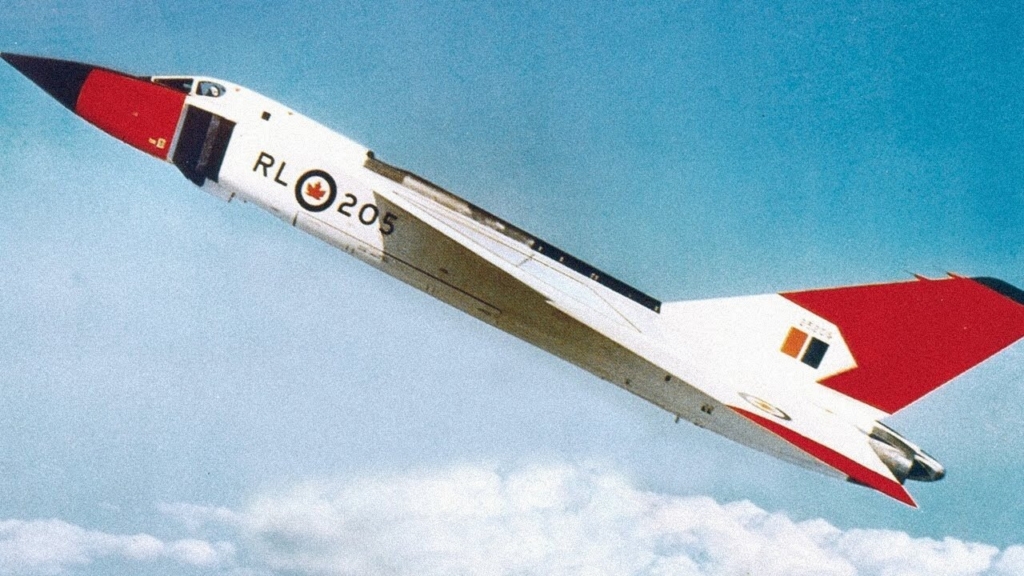
Five pre-production aircraft had flown, while a sixth, intended for the more powerful Orenda Iroquois engines, remained unfinished. Another 31 were in production.
Cancellation came just as the Arrow was beginning to show what it could achieve.
BAC TSR-2: Britain’s ambitious supersonic strike aircraft
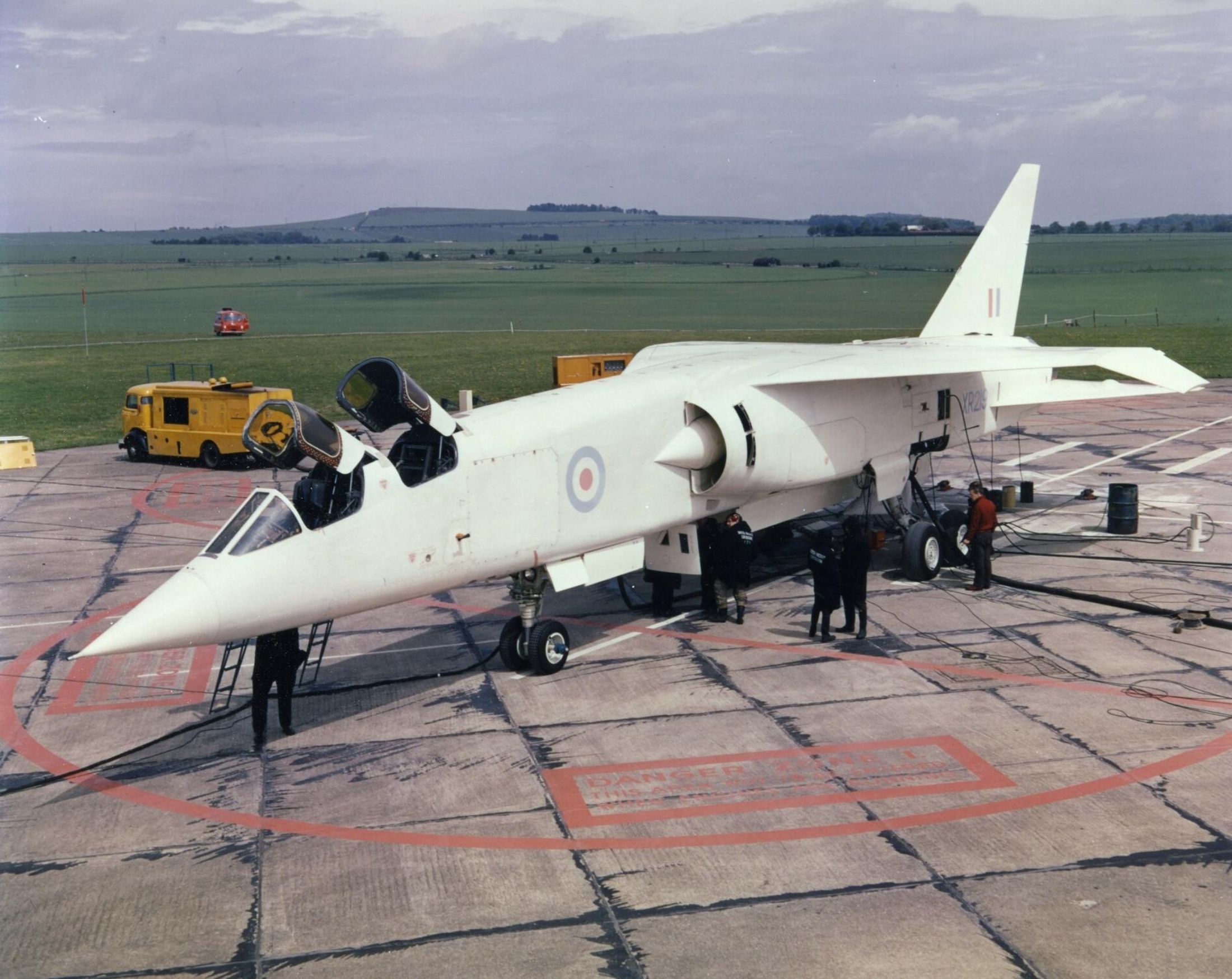
Britain’s BAC TSR-2 was designed to replace the RAF’s Canberra bombers with a high-speed strike and reconnaissance platform capable of penetrating heavily defended territory.
It was expected to reach Mach 2.35 at altitude and Mach 1.1 at low level, using terrain-following navigation to avoid enemy defences. Its planned weapons included conventional and nuclear payloads.
Prototype XR219 first flew on 27 September 1964 and completed 24 flights by the end of March 1965. Despite promising results, technical challenges involving the engines and undercarriage remained.
The programme was cancelled in April 1965 amid escalating costs and political disagreements. Britain subsequently pursued the American F-111, only to abandon that purchase too.
The TSR-2 remains one of British aviation’s most intriguing missed opportunities.
Sukhoi T-4: The Soviet Mach 3 bomber that never reached its potential
The Soviet Union was developing its own high-speed contender in the Sukhoi T-4, nicknamed the Sotka. Conceived as a strategic strike and reconnaissance aircraft, it was built around the ambition of reaching Mach 3 and taking on high-value targets, including naval task forces.
Extensive use of titanium and stainless steel helped withstand the extreme temperatures associated with sustained supersonic flight. It also incorporated fly-by-wire flight controls, an impressive feature for the early 1970s.
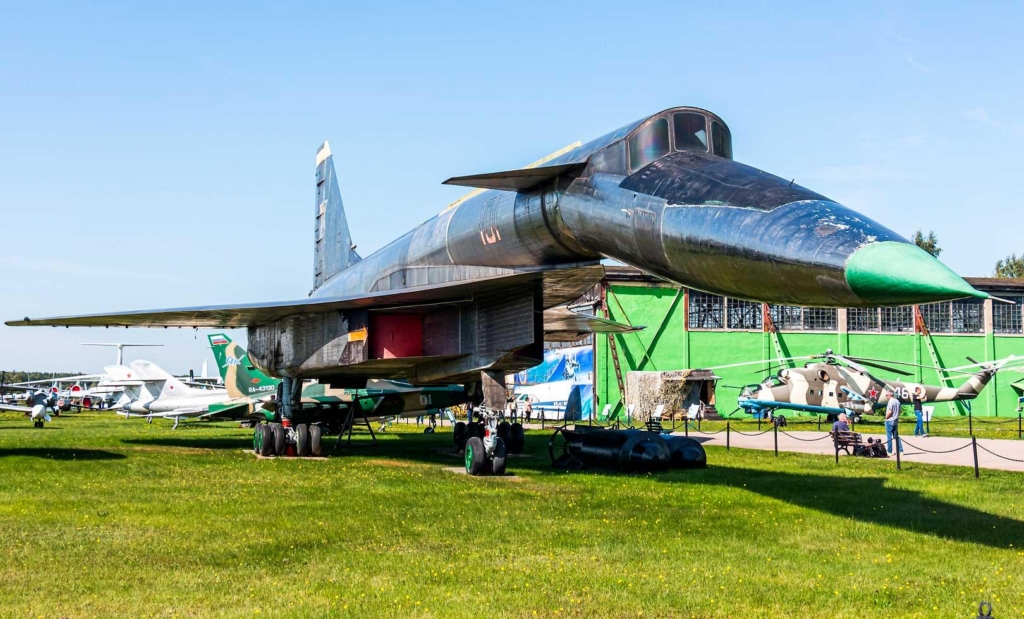
The prototype first flew on 22 August 1972, with Vladimir Ilyushin, a prominent Soviet test pilot and son of aircraft designer Sergei Ilyushin, at the controls. However, it completed just ten test flights, reaching approximately Mach 1.3 rather than its intended Mach 3.
Technical complexity, development costs and changing military priorities contributed to its cancellation. The Soviet Union instead favoured Tupolev’s Tu-22M Backfire, a more practical alternative for its strategic strike requirements.
Northrop YF-23: The stealth fighter that lost to the F-22 Raptor
Developed for the US Air Force’s Advanced Tactical Fighter competition, Northrop’s YF-23 offered a distinctive approach to next-generation air superiority. Its rival was Lockheed’s YF-22.
The YF-23 featured diamond-shaped wings and a carefully sculpted airframe to reduce radar visibility. It also demonstrated supercruise, maintaining supersonic speeds without afterburners.
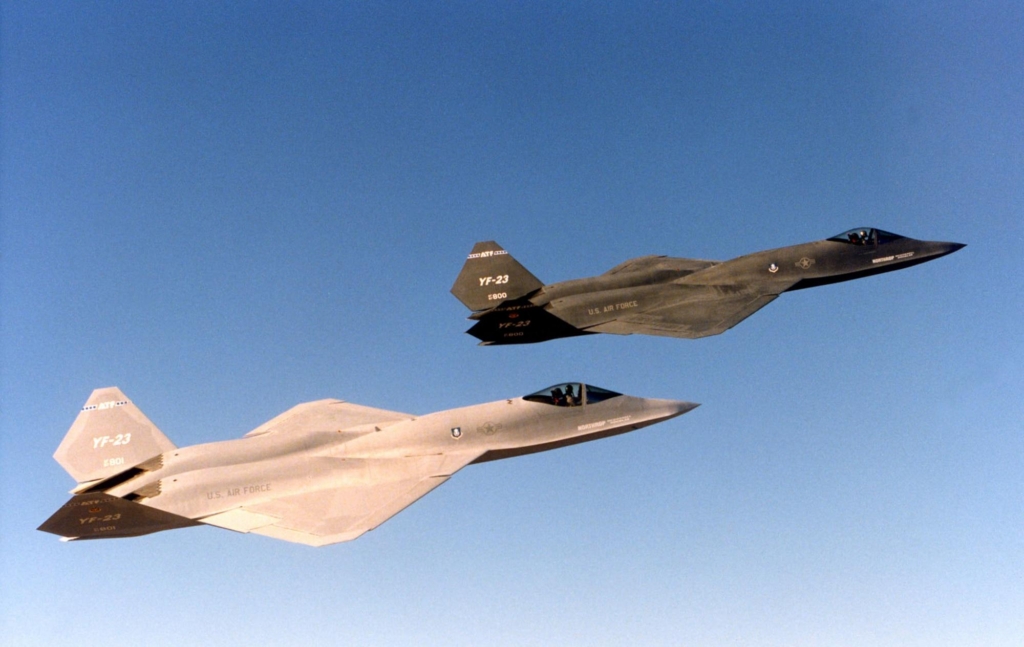
Two prototypes were built: PAV-1, Black Widow II, and PAV-2, Gray Ghost. During testing, the first prototype reached Mach 1.5 in supercruise.
In 1991, the US Air Force chose the YF-22, which became the F-22 Raptor. Northrop’s aircraft never entered production, although its distinctive approach to stealth, range and aerodynamic efficiency still attracts considerable interest.
The lasting legacy of cancelled military aircraft
The Arrow, TSR-2, T-4 and YF-23 came from very different countries and generations, but each challenged contemporary aerospace engineering.
Their stories show that technical excellence alone is not enough to secure a place in military service. After all, political considerations, budgetary constraints and evolving defence requirements can be just as decisive as performance.
Each programme certainly offers a fascinating glimpse into the alternative paths military aviation history might have taken.
Sign up for our newsletter and get our latest content in your inbox.


More from

November 14, 20263 min read


