


Beyond the hype: Do air taxis really have the potential to become part of everyday urban transport?

5 min read
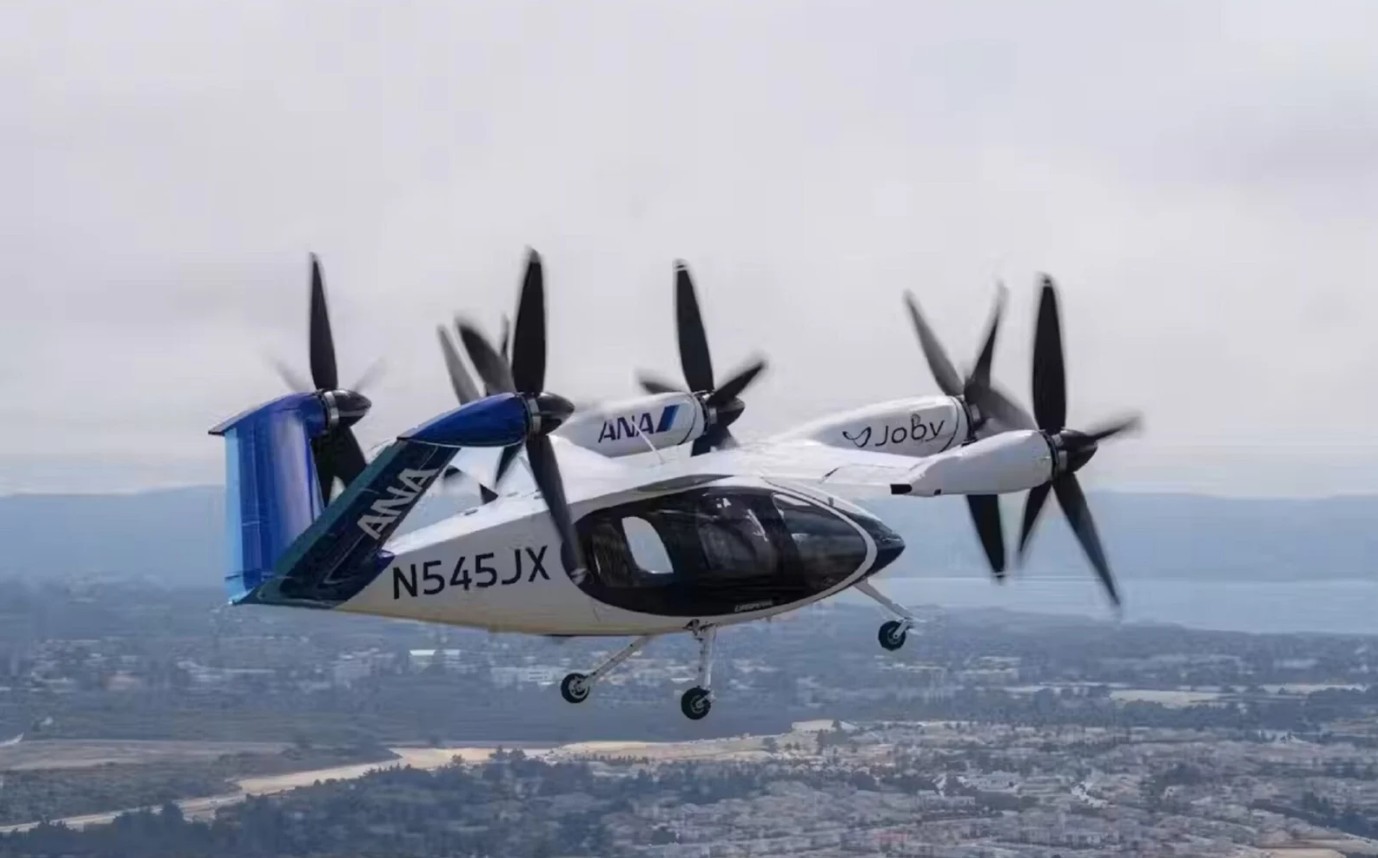
While Virgin Atlantic and Joby Aviation push to launch an electric air taxi network in the UK, Dr Safaa Sindi says they are unlikely to become part of commuter transport networks any time soon.
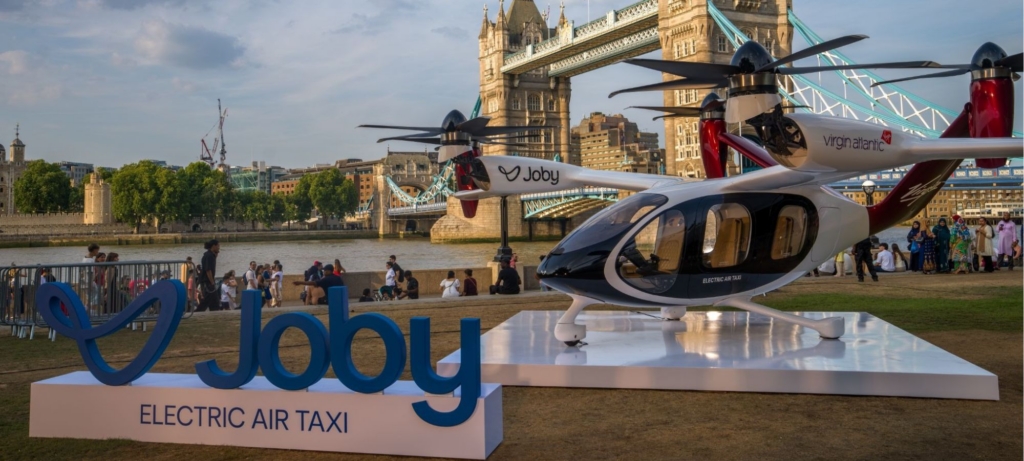
Electric vertical take-off and landing (eVTOL) developer Joby Aviation announced a partnership with Virgin Atlantic during this year’s Farnborough International Airshow that will see the two companies push ahead with plans to launch air taxi services in the UK by the end of the decade.
Elsewhere in the UK, Bristol-based manufacturer Vertical Aerospace is in advanced talks with the government over a potential deal that could see air taxi factories built in the UK.
But, with eVTOL aircraft certification still a way off, a lack of charging infrastructure, and a host of operational and societal hurdles still to clear, the question remains: are flying taxis the future of urban transport or just science fiction?
Air taxis are a niche, not a mass-market tool
According to Dr Safaa Sindi, Assistant Professor of Supply Chain Operations at Coventry University’s Research Centre for Future Transport and Cities and an expert on drones and urban aviation technologies, “it is highly unlikely that eVTOLs will become a practical part of everyday urban transport for the general public within the next decade – by 2035.”
Instead, she told Aerospace Global News, “they are destined for a crucial, but niche, role supporting public services and high-value logistics.”
Sindi cited the economics as being a primary challenge facing air taxi services. “The cost per seat-mile for eVTOL operations will remain significantly higher than ground transport, even at scale,” she said. To be profitable without subsidy, fares would likely align with premium executive helicopter services, putting them out of reach for daily commuters.

Another constraint is the capacity bottleneck. “To replace any meaningful number of car journeys, a city would need hundreds of vertiports operating continuous take-offs and landings. The airspace management, ground handling, and energy infrastructure required to sustain this density are prohibitive in most existing urban centres,” Sindi said.
Sindi added that building the necessary platforms on top of existing buildings (or constructing new ones) involves huge capital expenditure, while overcoming planning permission regulations remains another challenge.
eVTOLS could find their niche in supporting public services
Instead of ferrying commuters between points such as London City and Heathrow, Sindi argues a more realistic near-term application for eVTOLs is medical logistics. “Transporting pathology samples, blood, and organs between hospitals (as validated by the UKRI project, the Urban Ascent Medical Air Bridge). This saves lives and is economically viable because the value of the cargo justifies the cost of flight.”
Infrastructure inspection is another promising use case, with eVTOLs able to survey rail lines, power grids, and bridges faster and cheaper than ground, according to Sindi. Similarly, emergency response, where they can support the rapid deployment of specialised equipment or paramedics, is another viable option.
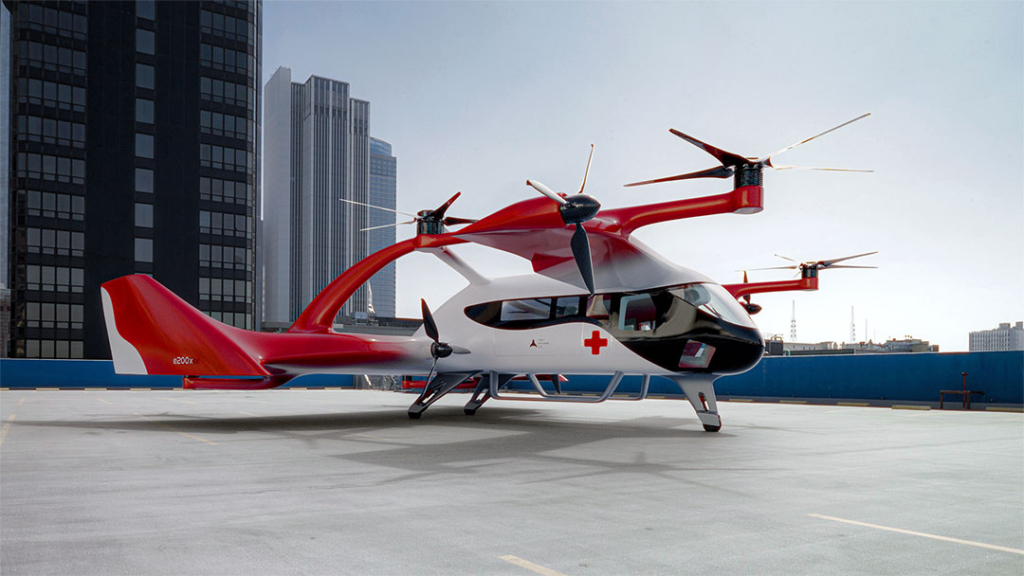
In these sectors, said Sindi, eVTOLs are not a replacement but a complementary solution for existing transport. Rather than being a “niche for the uber wealthy they could provide essential high-value infrastructure.”
Concerns around noise, privacy and visual intrusion
Beyond safety, Sindi noted the primary concerns for the public as this technology develops should centre on noise pollution, visual intrusion, privacy and equitable access.
While eVTOLs are quieter than helicopters, a persistent stream of drone traffic over residential areas would create a new ambient noise burden. “The noise of rotors at low altitude is a significant quality-of-life concern,” Sindi said. One mitigation strategy (investigated by Urban Ascent) involves defining “shielded corridors” along existing highways or railways to help mask the noise.

On visual intrusion, Sindi underlined that constant overhead traffic changes the nature of the urban environment, raising legitimate concerns around visual clutter and public perceptions of being under constant surveillance.
In terms of equitable access, Sindi noted that if eVTOLs primarily serve the wealthy (with airport transfers and luxury transits) while the general public is bearing the visual burden and noise, “it will exacerbate social inequality.” Public support, she added, “hinges on demonstrating that the technology benefits the community – for example, faster medical delivery, industrial investment – rather than just the elite.”
The path to commercial scale
Aside from certification from regulators, including the Civil Aviation Authority (CAA) and European Union Aviation Safety Agency (EASA), which Sindi identified as the largest hurdle, significant operational and societal barriers remain. From public acceptance, vertiport network and real estate access to energy supply, grid capacity, and airspace integration, as well as all-weather operations, there are significant complexities that need to be overcome before air taxi services can launch at any commercial scale.

Despite the hurdles, Sindi pointed to partnerships such as the one between Joby Aviation and Virgin Atlantic, combined with the UK’s strengths in aerospace manufacturing, regulatory innovation, and digital technology, as factors helping to position the UK as a global leader in Advanced Air Mobility (AAM). The UK CAA is also proactively working with industry to develop pragmatic certification pathways, including its Future of Flight roadmap, while Tier 1 suppliers such as Rolls-Royce and GKN continue to develop airspace technology.
For its part, Coventry University also has a critical role to play in bridging the gap between theoretical technology and practical urban implementation. The Research Centre for Future Transport and Cities provides independent, data-driven analysis on supply chain logistics, infrastructure planning, and operational modelling.
Sign up for our newsletter and get our latest content in your inbox.


More from

October 25, 20265 min read


