MTU advances Flying Fuel Cell towards integrated testing as hydrogen propulsion programme gathers pace

4 min read
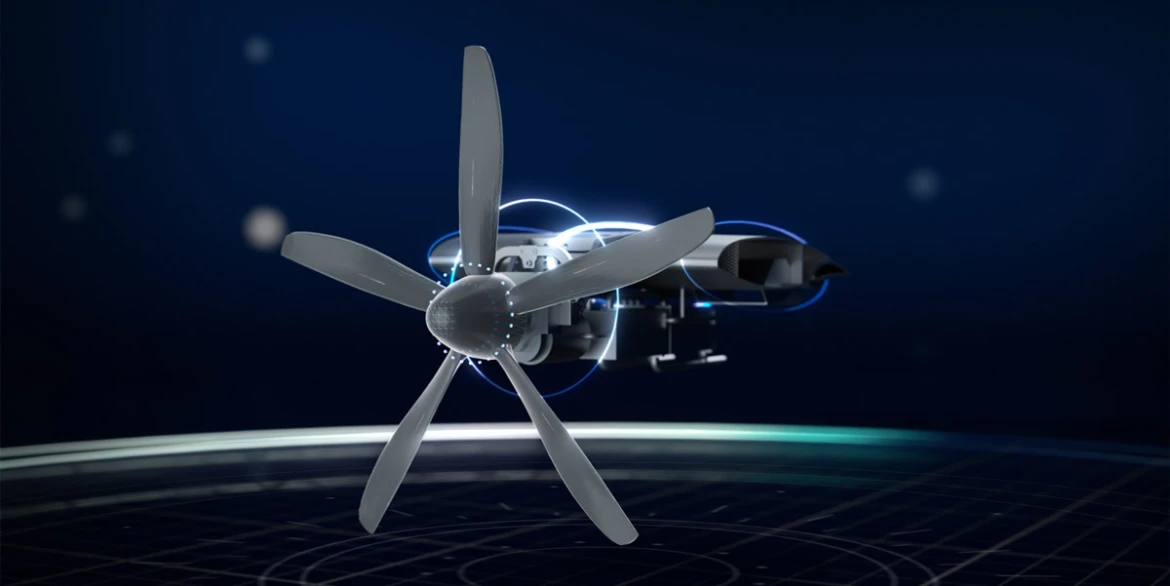
MTU Aero Engines has moved its Flying Fuel Cell (FFC) programme into a new phase after completing validation of the hydrogen and air supply systems that will power the propulsion concept.
The latest milestone will pave the way for integrated testing as the company simultaneously prepares for industrial production and future certification of the programme. This also marks a shift from testing individual components to evaluating how the complete propulsion system performs as an integrated unit.
It also comes weeks after MTU and Airbus announced plans to establish a joint venture to develop and commercialise hydrogen fuel-cell propulsion systems, signalling that Europe’s hydrogen aviation ambitions are beginning to move beyond research into industrial development.

Unlike hydrogen combustion engines, which burn hydrogen directly, MTU’s Flying Fuel Cell generates electricity through a fuel-cell system that combines hydrogen with oxygen to power electric motors. The process produces only water as a by-product and is being developed primarily for future regional aircraft.
MTU moves the Flying Fuel Cell from component testing to integrated propulsion system demonstrations
Before reaching this stage, MTU completed a series of tests covering the propulsion system’s core energy and supply architecture.

The company successfully validated both the liquid hydrogen fuel system and the hydrogen delivery system that supplies gaseous hydrogen to the fuel-cell stacks. Engineers also completed testing of the air supply system, confirming the performance and control models needed to support future engine operation.
Together, these systems form the foundation of the Flying Fuel Cell architecture and clear the programme to begin integrated demonstrations.
Attention is now shifting to the first production-representative 350-kilowatt fuel-cell stack, which is being assembled at MTU’s Munich facility.
Alongside it, engineers are building a full-system demonstrator that will combine the fuel-cell stack with all major subsystems, control software and supporting equipment.
Rather than validating individual technologies, the demonstrator will examine how the complete propulsion system behaves under representative flight conditions.
The programme is expected to generate data on system performance, thermal management, power delivery and interactions between the various subsystems before the technology is scaled for future aircraft applications.
Both demonstration programmes are scheduled to begin later this year at two new fuel-cell test facilities currently being commissioned in Munich.

Dr Stefan Weber, MTU’s Senior Vice President Engineering and Technology, said the programme was entering a decisive stage.
“Our ambitious goal is to pave the way for a newly developed, safe, reliable and economical propulsion system that will contribute to climate-neutral aviation.”
Airbus partnership and HEROPS programme are preparing hydrogen fuel-cell propulsion for regional aircraft
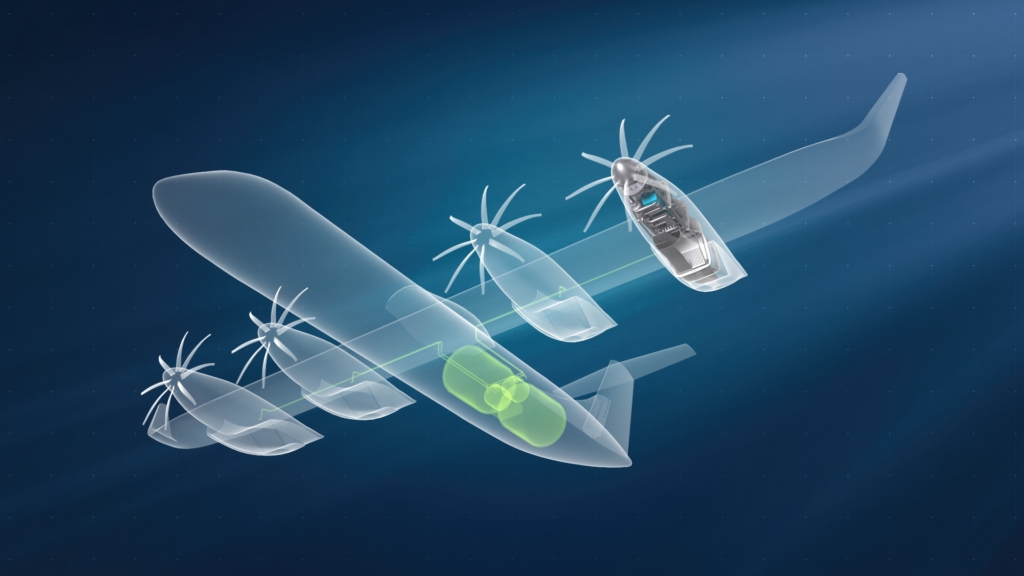
The Flying Fuel Cell programme forms part of MTU’s broader strategy to develop hydrogen-electric propulsion for the next generation of regional aircraft.
A central element of that work is HEROPS (Hydrogen-Electric Zero Emission Propulsion System), a European Clean Aviation research programme bringing together multiple industrial and research partners to develop a complete hydrogen-electric powertrain.

With the design phase now complete, the project is moving into technology validation.
At the heart of HEROPS is a 1.8-megawatt propulsion architecture being developed and simulated by MTU in Munich. The demonstrator is intended to prove that the technologies can be scaled into propulsion systems producing between two and four megawatts, using a modular design suitable for future regional aircraft expected to enter service around 2035.
The programme reflects a wider industry effort to identify practical alternatives to conventional gas turbines. While sustainable aviation fuel remains the principal near-term pathway for reducing emissions from existing aircraft, manufacturers are also pursuing hydrogen combustion, battery-electric propulsion and hydrogen fuel-cell systems for future designs.
MTU believes fuel-cell propulsion could become particularly suitable for regional aircraft, where lower power requirements and shorter sectors make hydrogen-electric technology more practical than on long-haul aircraft.
Earlier this month, MTU and Airbus announced plans to establish a joint venture dedicated to hydrogen fuel-cell propulsion systems. The new company is expected to cover the entire product lifecycle, from technology development and testing through manufacturing, certification, market entry and long-term customer support.
The partners began collaborating last year, but the proposed joint venture marks a significant step towards industrialising the technology rather than limiting it to research programmes.
Describing the initiative, Weber called it “a crucial milestone” on the path towards the first hydrogen-powered propulsion system and said it demonstrated “true European technology leadership.”
Certification work with EASA is becoming as important as the technology itself for hydrogen-powered aviation
Developing the propulsion system is only one part of the challenge.
Because hydrogen fuel-cell propulsion represents an entirely new form of commercial aircraft propulsion, certification standards are still evolving alongside the technology itself.
MTU has been working with the European Union Aviation Safety Agency (EASA) for the past five years to help establish the regulatory framework needed to certify fuel-cell-powered aircraft.
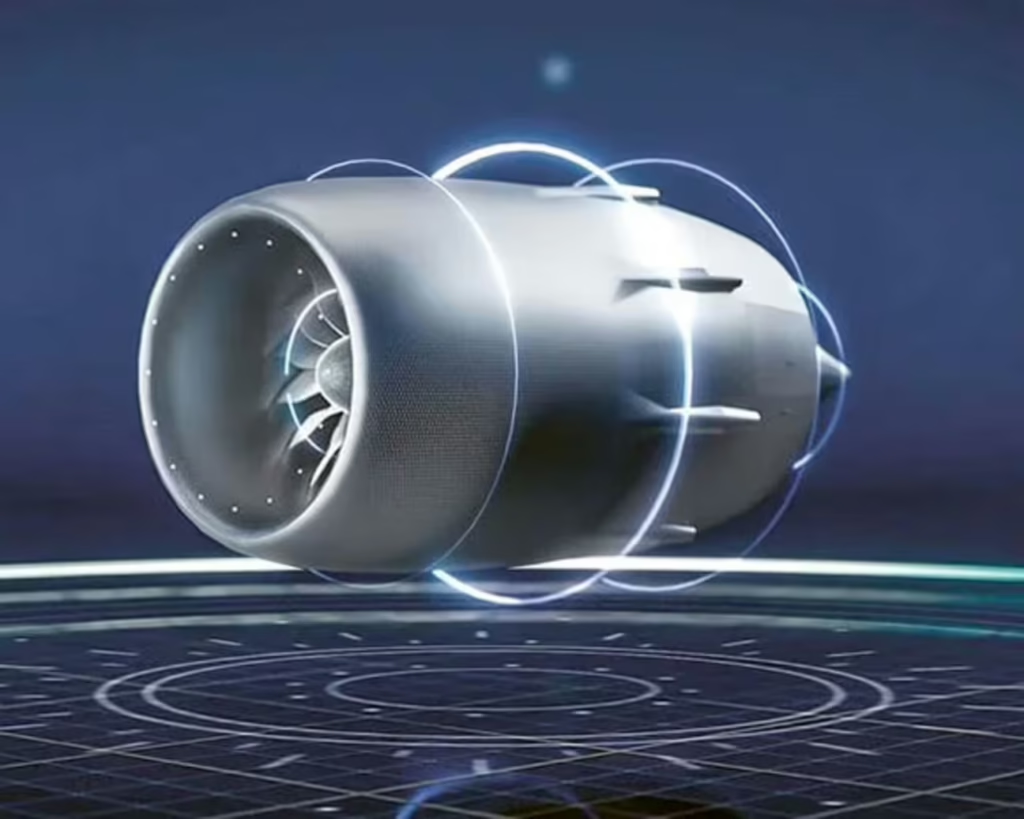
The collaboration allows certification requirements to be incorporated into the engineering process from the outset rather than being addressed after development is complete.
The partnership was recently renewed as both organisations continue developing approval pathways for hydrogen-electric propulsion systems, an area where neither industry nor regulators can rely on existing certification standards.
Sign up for our newsletter and get our latest content in your inbox.


More from

October 17, 20265 min read


October 17, 20264 min read