


How an Airbus A320 with a pointy nose is making the Eurofighter Typhoon better

4 min read
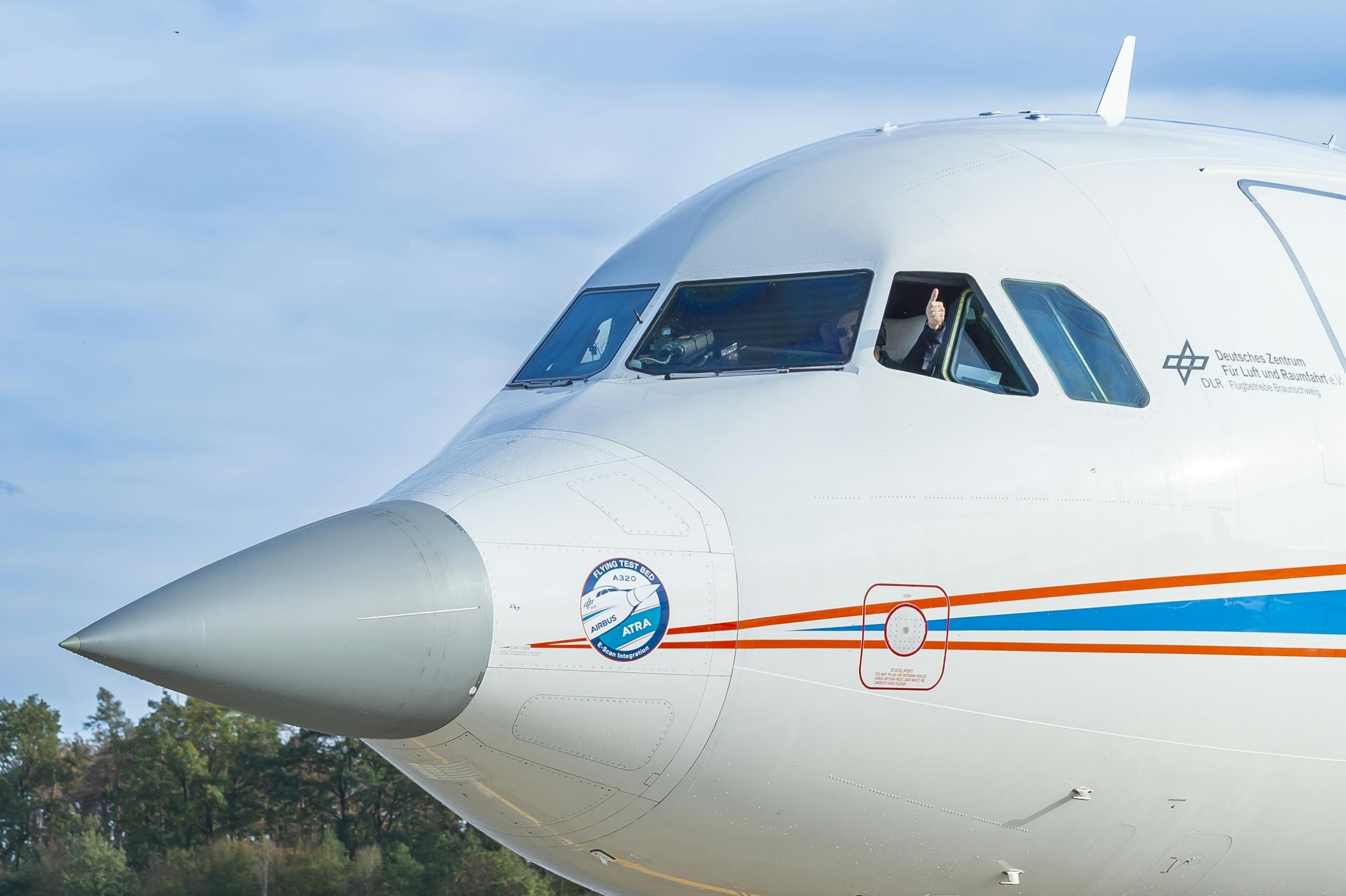
An unusual flying laboratory has completed a key milestone in Germany, helping engineers develop a radar designed to give fighter pilots a clearer picture of the battlefield.
An Airbus A320 fitted with a Eurofighter-style nose has entered service as a flying radar laboratory after completing commissioning flights at Manching, Germany.
Announcing the milestone on November 6, Airbus said the flights had confirmed that the modified aircraft and its radar performed effectively together in the air, completing the test bed’s validation phase.
“During the recent commissioning flights, we confirmed that the aircraft and the radar also perform effectively in the air,” says Sebastian Ritz, who leads the A320 Flying Test Bed Programme at Airbus Defence and Space. “This was the final step in the validation phase, and the E-Scan Mk1 flying test bed is now operational.”
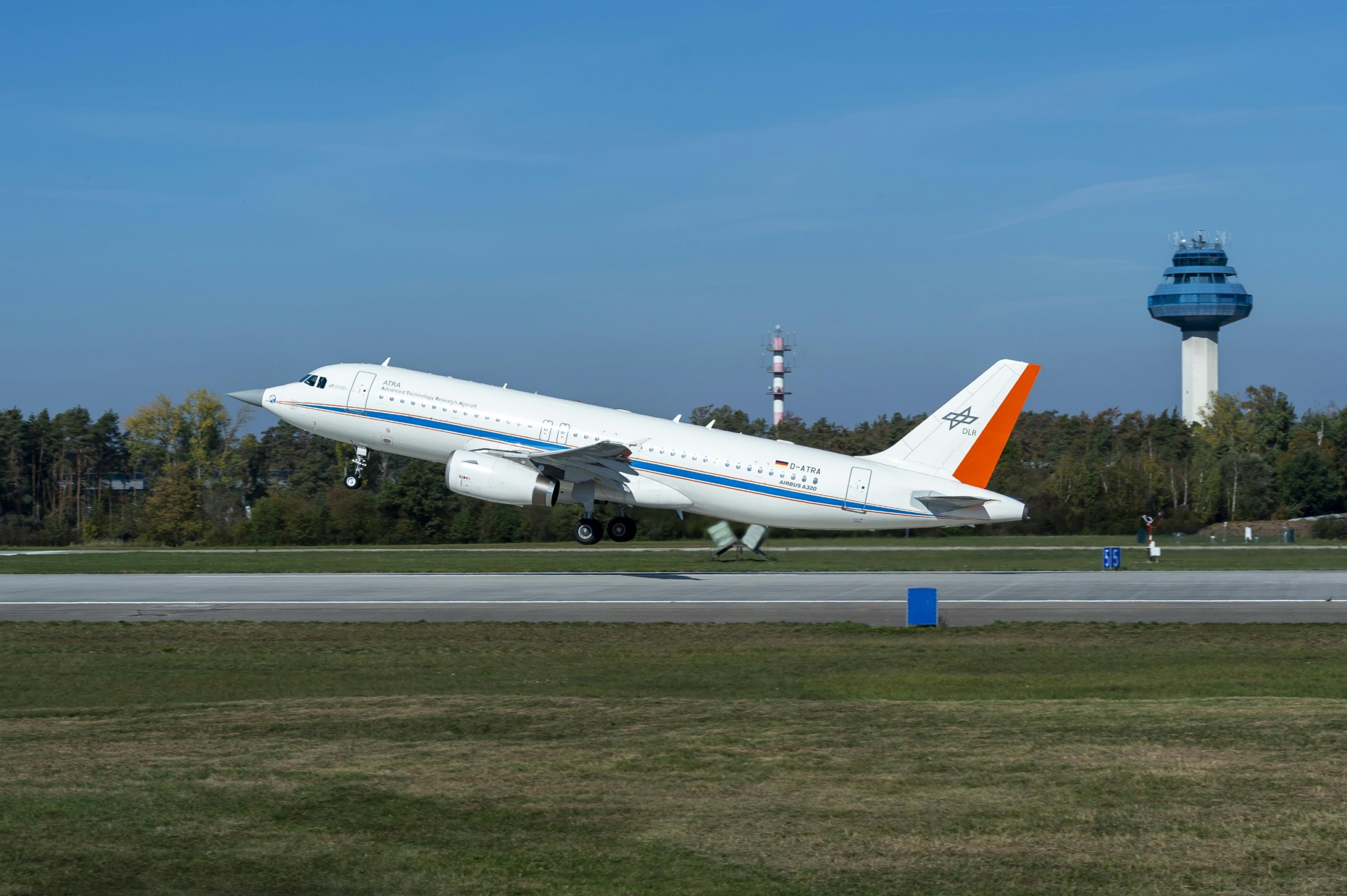
Owned by the German Aerospace Center (DLR), the A320 ATRA — short for Advanced Technology Research Aircraft — will support development of the ECRS Mk1 radar for German and Spanish Eurofighter Typhoons.
The distinctive aircraft first flew with its new nose in January 2025, but those initial flights checked its airworthiness without an active radar. Ground testing followed, before the recent commissioning flights cleared the laboratory for its new role.
Why does this Airbus A320 have a Eurofighter nose?
The pointed nose houses the radar being developed for the fighter. Its outer cover, known as a radome, protects the equipment while allowing radar signals to pass through.
Using a representative fighter nose helps reproduce the conditions in which the radar will operate on the Typhoon. The A320 provides the space and endurance to investigate what happens behind it.
Airbus reinforced the airframe to accommodate the new front section and installed hundreds of meters of data cables, alongside liquid and air cooling systems to regulate the radar’s temperature.
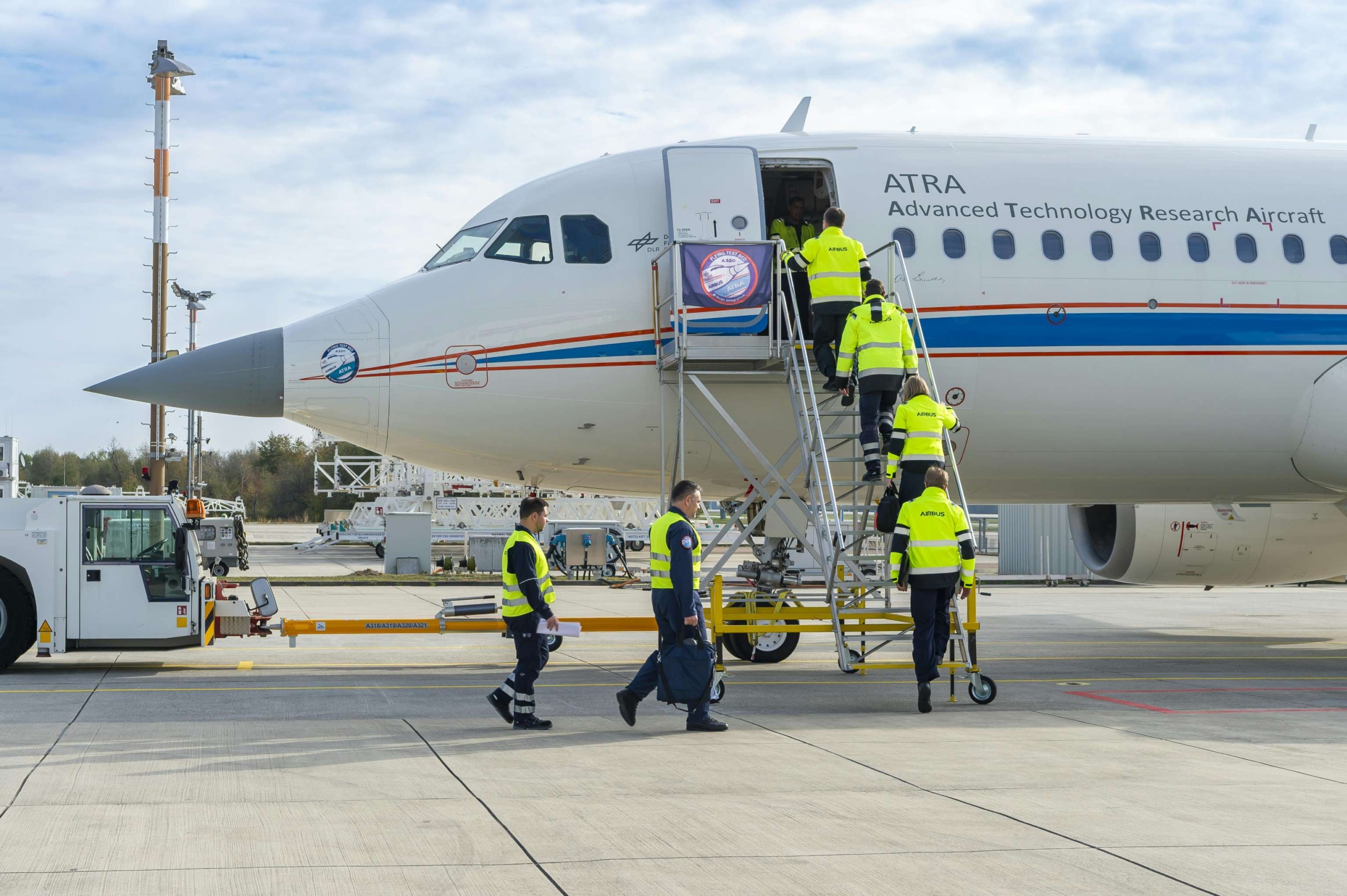
Inside the cabin, engineers sit at workstations where they can examine the information the radar would provide to a fighter pilot, while also monitoring the equipment itself. They can assess hardware performance and test software versions and new functions during flight.
That makes the A320 a laboratory with room for the people developing the system to work alongside their equipment.
Airbus says the aircraft can also remain airborne longer than a Eurofighter and benefits from a shorter clearance process, giving engineers more time to test the radar under real flying conditions.
“We can monitor how the hardware performs and also test new software versions or features,” says Ritz. “The insights we generate will inform and accelerate the maturation and further development of the system.”
What will the ECRS Mk1 radar do for the Typhoon?
Developed by Hensoldt and Indra, the Eurofighter Common Radar System Mk1 is an active electronically scanned array, or AESA, radar. This technology steers its radar beam electronically, allowing it to switch rapidly between areas of interest.
Hensoldt says the system will offer faster detection and tracking of multiple targets, more precise target recognition and improved detection of weak signals. For pilots, that should mean a more detailed picture of potential threats, including in difficult conditions with interference or unwanted radar returns.
Its capabilities also extend to high-resolution radar images of the ground and electronic warfare functions, including electronic support and electronic attack. The ambition is to make the Typhoon’s radar a more versatile sensor across air-to-air and air-to-ground missions.
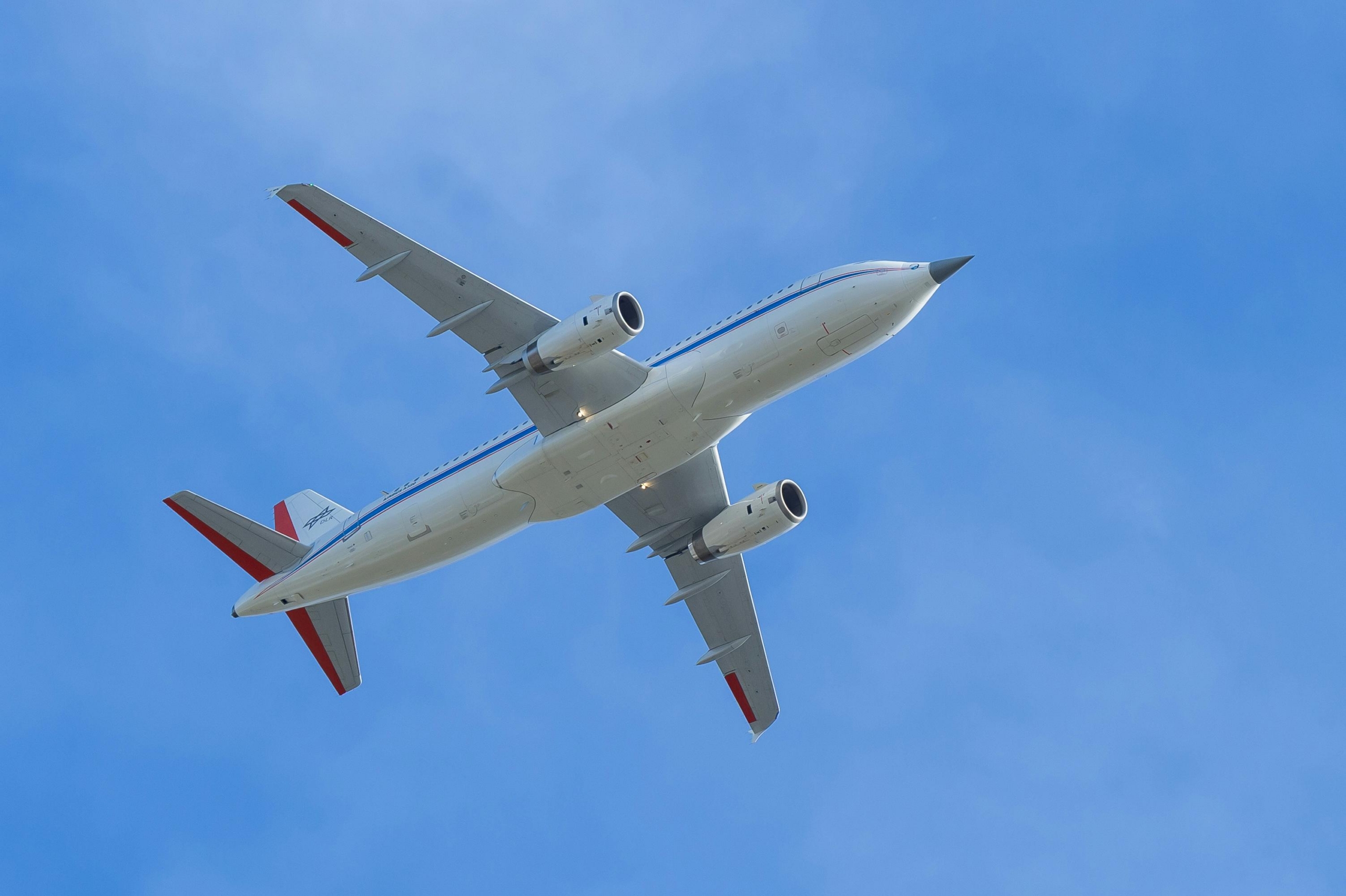
“The upcoming Eurofighters of the German Quadriga and Tranche 5 as well as the Spanish Halcón programmes will be equipped with a new radar called the Eurofighter Common Radar System Mk1,” says Erik Lorch, Head of the E-Scan Mk1 Programme. “This radar greatly enhances the capabilities of the Eurofighter in both air-to-air and air-to-ground operations.”
The industrial partners are targeting delivery of ECRS Mk1 to Germany and Spain in 2027, according to their June 2026 update. That is a radar delivery target, rather than confirmation that every intended aircraft will be operational with it next year.
The RAF is pursuing a separate radar upgrade for its Typhoons. The Leonardo-developed ECRS Mk2 will equip 40 Tranche 3 aircraft, combining improved target detection and tracking with advanced electronic warfare capabilities, including high-powered jamming. The UK expects the radar to enter service before the end of the decade.
With the A320 laboratory now validated, engineers have another tool to refine the system before it reaches frontline fighters.
Sign up for our newsletter and get our latest content in your inbox.


More from


November 6, 20264 min read


