

Why do aeroplane seats have to be upright for take-off and landing?

3 min read
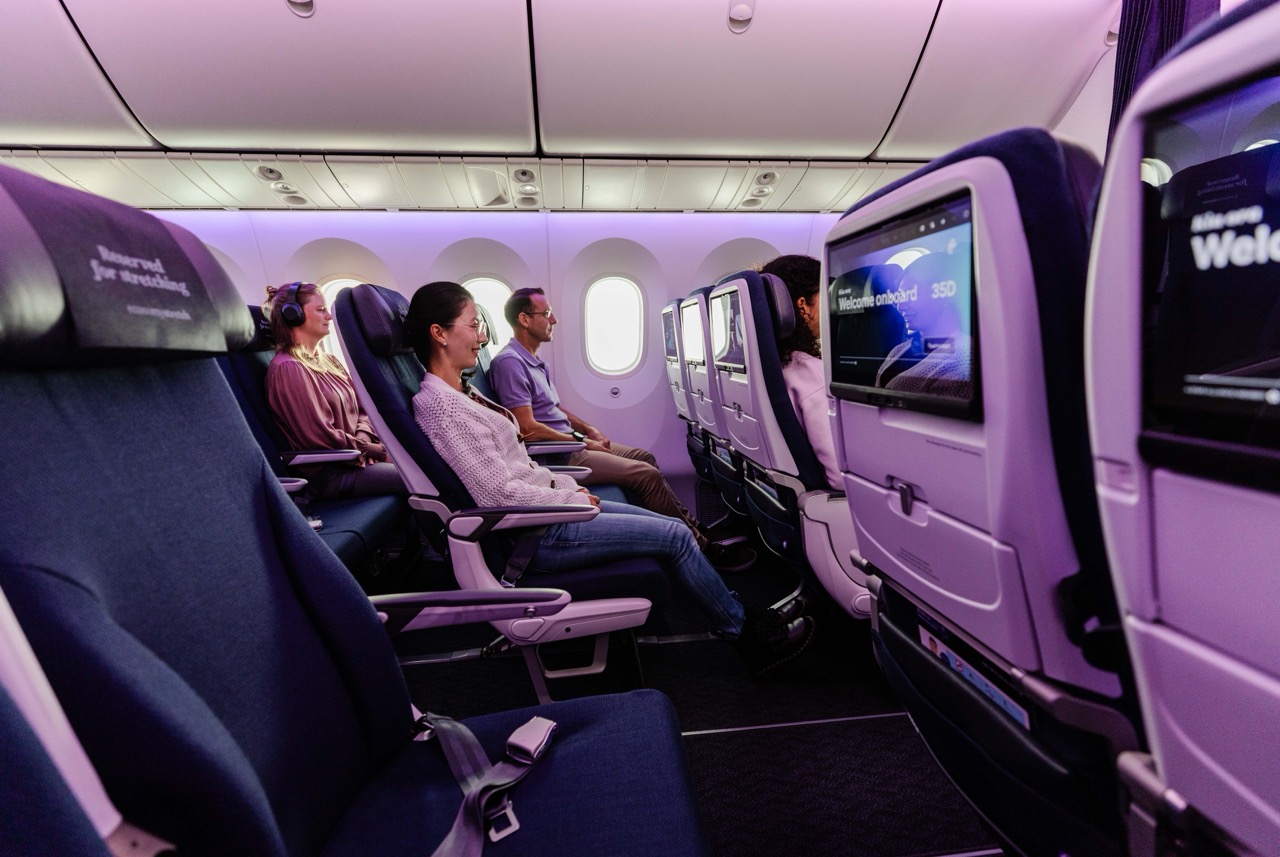

There’s a very good reason cabin crew ask you to put your seat upright during take-off and landing. These are two of the most critical stages of a flight, when there’s very little time to react if something goes wrong. Getting the cabin properly prepared could literally save your life.
Why upright aeroplane seats matter during an emergency evacuation
A reclined seatback takes up additional space behind it, making it harder for passengers in the row behind to stand and move into the aisle.
During an aircraft evacuation, smoke, poor visibility, panic and confusion can make reaching an exit difficult. If the cabin is busy, restricted space can slow movement and create bottlenecks. Reclined seats can also obstruct passengers trying to leave their row.
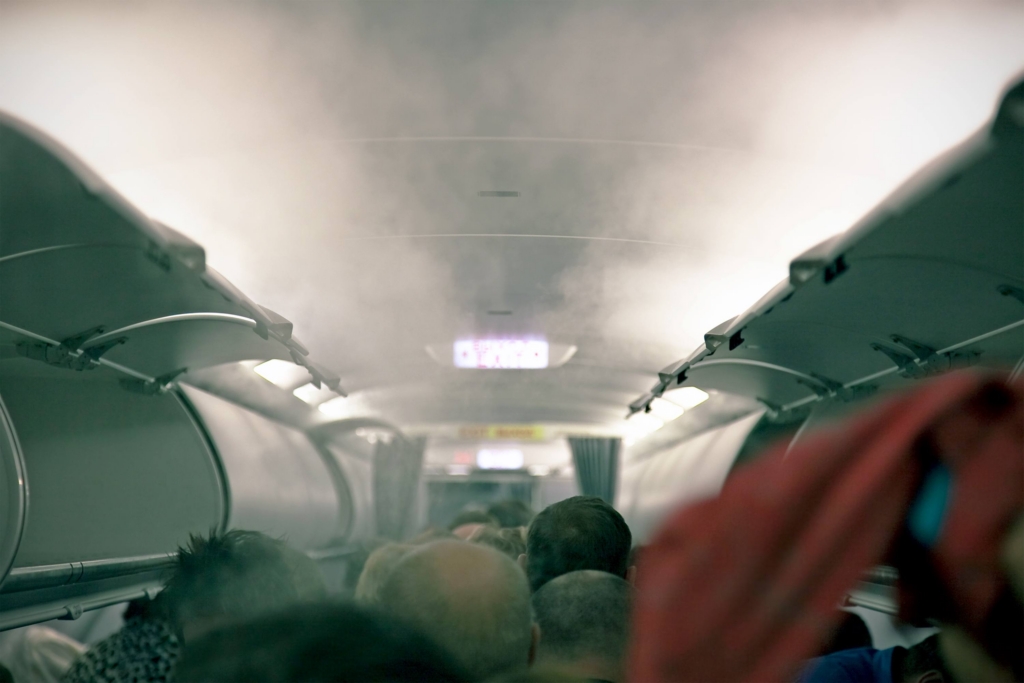
The importance of evacuation planning is reflected in FAA certification requirements. Aircraft with more than 44 passenger seats must demonstrate that all passengers and required crew can evacuate within 90 seconds, using only half of the available exits.
These tests are deliberately challenging. At least 35% of participants must be over 50, initial lighting is limited to 0.3 foot-candles before emergency lighting is activated, and carry-on baggage is placed in aisles and exit access areas to simulate obstructions.
How does aircraft seat position affect passenger safety?
Beyond evacuation, seat position plays an important role in protecting passengers during a hard landing or sudden deceleration.
Airline pilot and former aircraft design and human factors specialist Pete Wilson explains to AGN why seats must be locked upright:
“There are several factors that require airliner seats to be locked in the upright position for take-off and landing. A fully locked seat acts as a rigid structure, with its frame and fittings designed to absorb and spread the forces of a crash”, he says.
“Seat position also affects how well passengers can adopt the brace position during an emergency landing. A reclined seat in front can reduce the space needed to protect the head and upper body.”

Head protection is also covered by CS-25 (Certification Specifications for Large Aeroplanes). Section CS 25.562 sets Head Injury Criterion (HIC) limits, which measure the risk of head injury when a passenger’s head strikes a seat or part of the aircraft during impact testing. These limits must not be exceeded.
A reclined seat can increase the distance a passenger’s head travels before impact, so it can accelerate further and potentially increase injury severity. A seat in front reclined too close can also increase the risk of injury.
Cabin crew safety checks before take-off and landing
Before take-off and landing, cabin crew check that seatbacks are upright, tray tables are folded away, hand baggage is secure, and aisles and emergency exits are clear.
UK aviation rules require airlines to make sure passengers are seated so they can leave the aircraft quickly if an evacuation is needed. These checks also prevent loose items and other obstructions from flying around the cabin and becoming hazards.
Saving seconds in an aircraft emergency
Aviation safety depends on several measures working together. Keeping seatbacks upright supports both the structural protection of passengers during impact and their ability to get out of the aircraft quickly.
Most flights take off and land without incident, but airlines must be always be prepared for the worst.
Returning a seatback to its upright position takes only a few seconds, but if something unexpected happens, it could literally be the difference between surviving and not.