

Runway to recovery: Syrian Airlines plots widebody expansion as foreign airlines return to Damascus

3 min read

Since the end of the civil war in December 2024 after over 13 years of brutal conflict and violence, Syria has been working on rebuilding its aviation industry. This has included partnerships on developing its airport infrastructure, as well as its national airline, Syrian Airlines.
The company has recently announced several changes, including the launch of a new brand. It is also plotting considerable expansion, with plans to introduce additional narrowbody aircraft to its fleet and begin widebody operations by the end of 2027.
Simultaneously, foreign airlines are returning to Syria. Germany’s Eurowings announced it would begin nonstop flights from several cities to Damascus, complementing existing European flights from a wide range of smaller airlines.
Syrian Airlines rebrands and plans fleet expansion
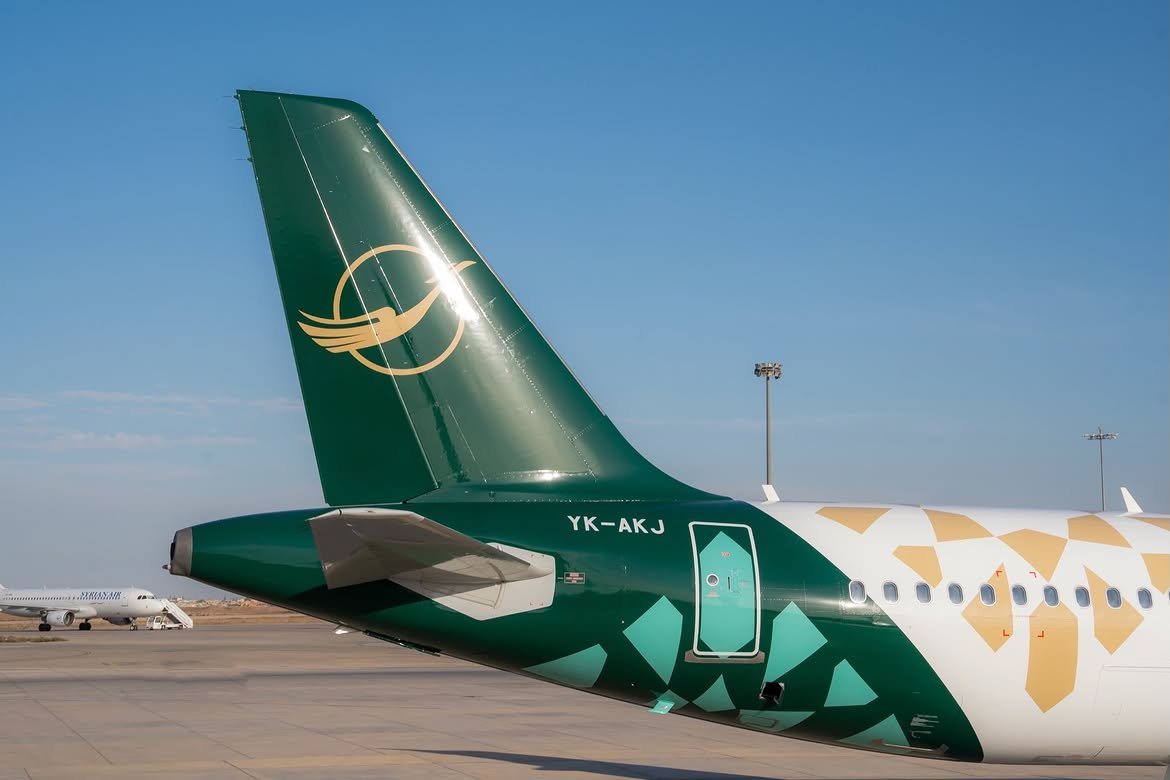
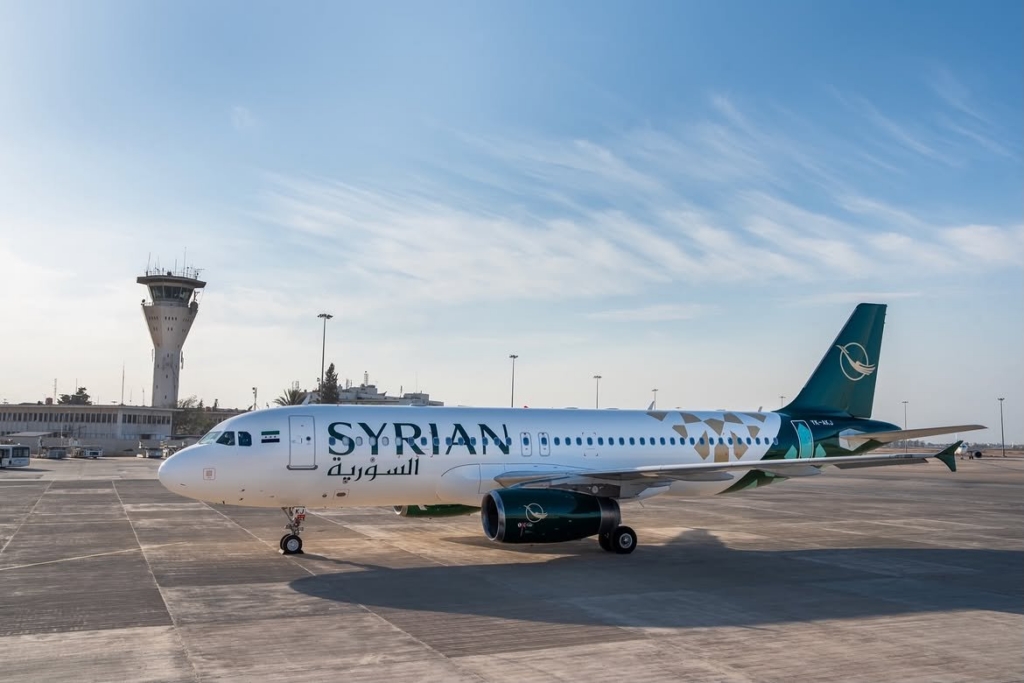
Syrian Airlines recently rebranded, with its first repainted aircraft boasting a dark green livery with the airline’s name emblazoned across the fuselage in Latin and Arabic script. Gold highlights complete the look.
Speaking to media including Arabian Business and Aviation Week at the sidelines of the Arab Air Carriers’ Organization’s annual general meeting earlier this month, the airline’s Chief Executive (CEO) Anwar Akkad shed light on the airline’s revival plans.
It currently operates six active aircraft, including five Airbus A320s and one wet-leased Boeing 737-500. Syrian Airlines hopes to reach a fleet of 10 narrowbody aircraft by early next year, costing approximately $200 million.
The airline is also eyeing widebody aircraft from the end of 2027. These are earmarked for routes to Europe and North Africa, and are likely to be Airbus A330s.
Foreign airlines return to Syria
European destinations, particularly important for the Syrian diaspora, has been quick to return to Damascus’ network, according to data from aviation analytics firm Cirium. Russia and Türkiye came first, followed by Romania with Dan Air (the first European airline to return to Syrian skies) and Athens with Air Mediterranean. This summer, Syrian Airlines resumed flights to Amsterdam, Copenhagen and Vienna.
Aegean Airlines revealed a new route between Athens and Damascus, scheduled to begin next month, operating four times weekly during the winter season. EgyptAir will also resume Damascus flights from its Cairo hub as of next month. This followed the signing of a cooperation agreement between their respective civil aviation authorities.
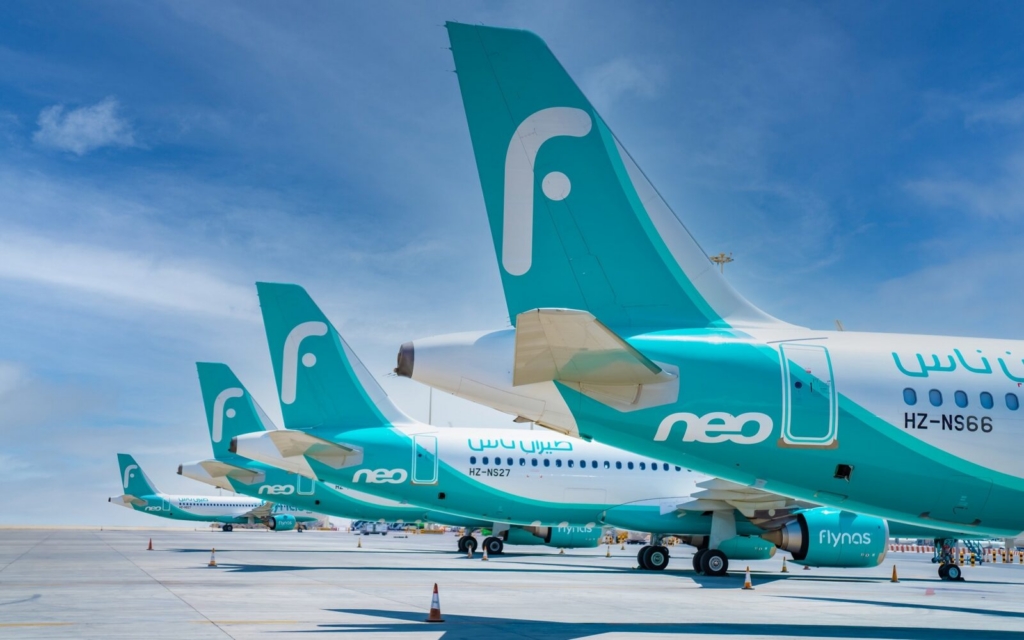
Efforts to attract international investment to rebuild the aviation sector include the renewal of Damascus’ International Airport with Qatari, Turkish and US actors. Syria has also collaborated with Saudi Arabia, including with the planned establishment of a flynas Syria branch, linked to the primary Saudi low-cost entity.
At the Global Airports Forum in Riyadh last year, Syria’s Civil Aviation Authority Chief H.E. Omar Al Hosari said: “We are not rebuilding what once was, we are creating what must be.”
Rapid expansion of the German network
Germany and Syria signed a bilateral air transport agreement in July this year which provided a legal basis on which direct flights could be launched. Almost immediately after, LEAV Aviation introduced flights from Düsseldorf and Cologne and Sundair from Berlin. Syrian Airlines added Berlin and Munich to its network this month.
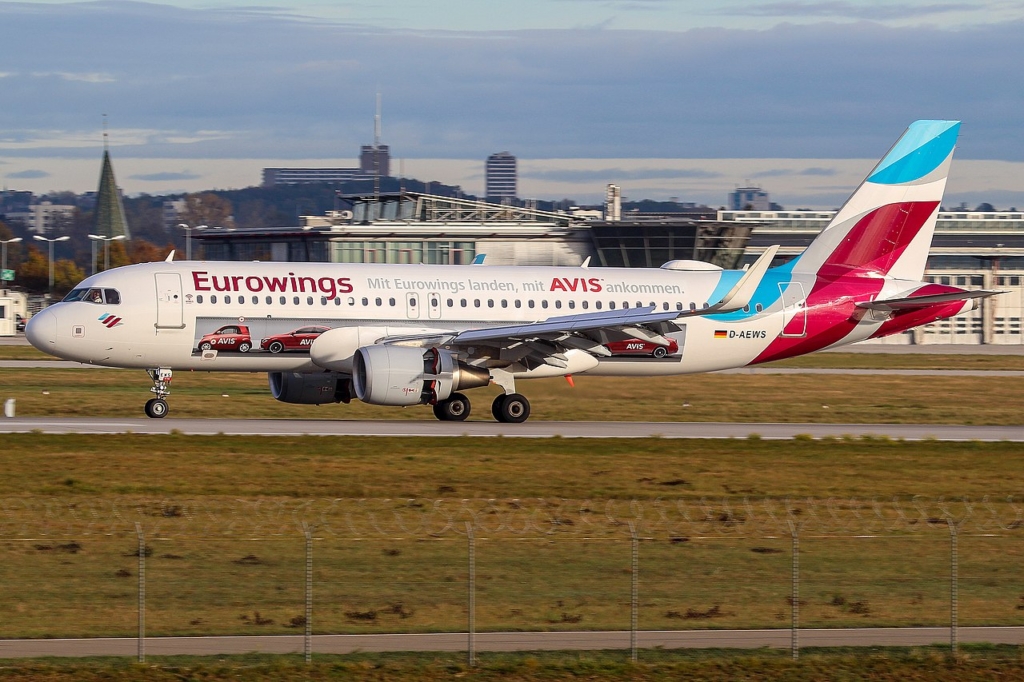
Eurowings, a member of the Lufthansa Group, also announced an array of new routes from Germany to Damascus. It is specifically targeting Visiting Friends and Relatives (VFR) traffic. This includes new routes from Berlin, Düsseldorf, Hamburg and Stuttgart.
Though there is a large Syrian diaspora in Germany, political restrictions may make short trips less attractive. Earlier this year, the German government announced that visits to Syria may impact protection status in the country.
Recent reports indicate the government plans to accelerate voluntary returns by doubling its current €4,000 departure incentive per adult given low uptake. This financial boost will be paired with new investments from Germany’s development bank to fund housing construction in Syria.
Chancellor Friedrich Merz has previously stated his intention to return roughly 80% of Syrians over the next three years.