US Air Force puts operational test pilot in B-21 Raider cockpit for the first time

5 min read
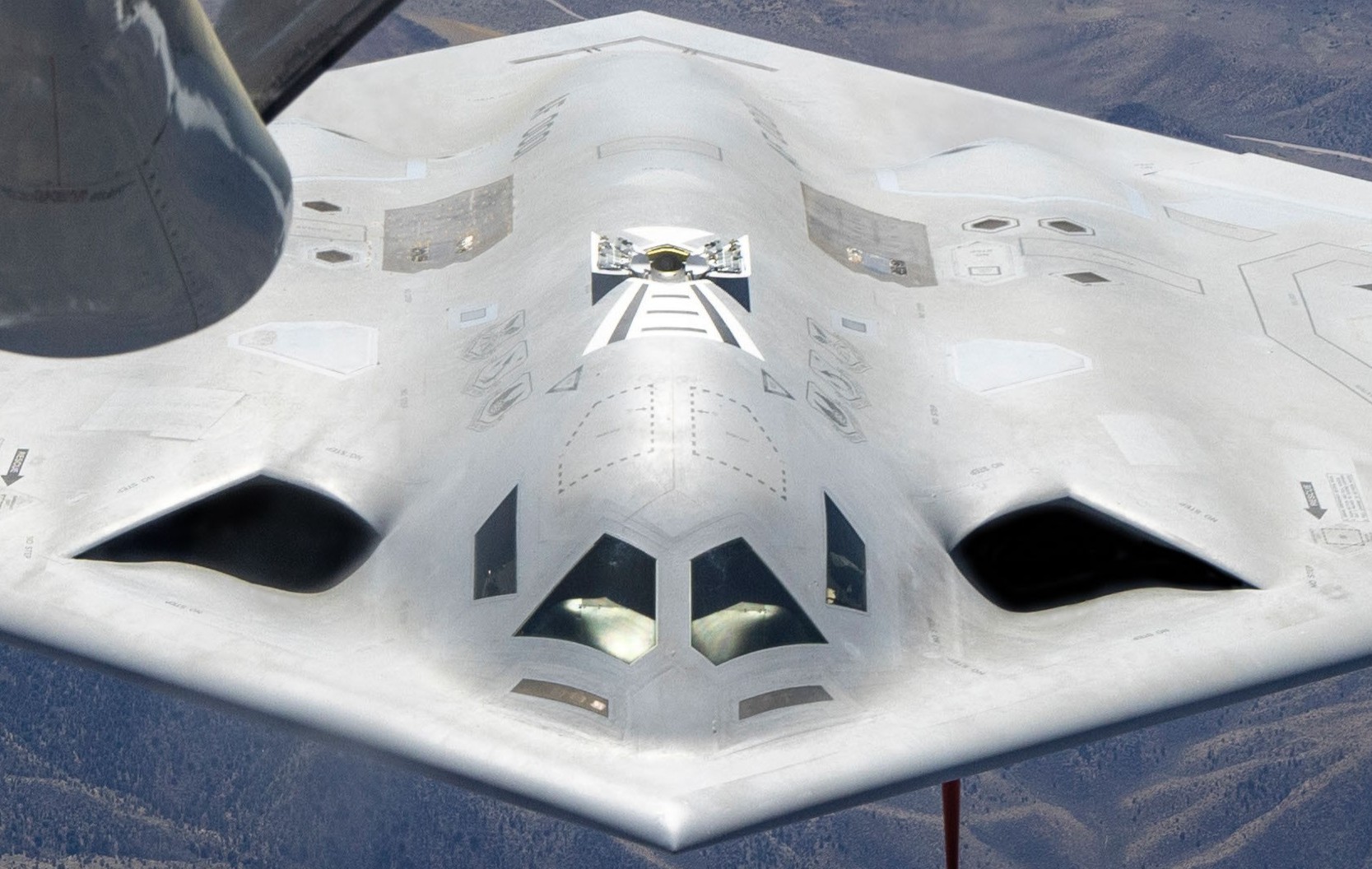
The US Air Force has flown the B-21 Raider with an operational test pilot at the controls for the first time, marking a significant step in the bomber’s push from developmental flight testing towards combat readiness.
The flight paired an operational test pilot with a developmental test pilot in the same cockpit, a move the Air Force says represents the fastest integration of joint developmental and operational testing in a major acquisition programme.
Operational testing is normally conducted later in the process, after developmental test teams have confirmed that an aircraft is safe to fly and meets its technical requirements. By putting an operational tester into the B-21 this early, the Air Force is trying to close the gap between proving the aircraft works and proving that it can perform the missions it is being built for.
For a programme intended to replace the B-1B Lancer and B-2 Spirit, and to become the centrepiece of the future US bomber force, that is a notable shift. The Raider is not merely progressing through flight test. It is already being assessed through the eyes of the warfighters who will decide whether it is combat-effective, suitable and survivable.
Operational test pilot flies B-21 Raider for the first time
Edwards Air Force Base announced the milestone on June 11, describing it as a sign that the Raider programme is moving at unusual speed through the test pipeline.
“Traditionally, developmental test ensures an aircraft meets its technical specifications and flies safely, while operational test is conducted separately and much later to determine if the platform is combat-effective, suitable and survivable in the hands of the warfighter,” the Air Force said.
NEWS: Operational tester pilots #B21 Raider, marking fastest integration of joint DT/OT testing in major acquisition program. #AFMC #USAF
— Edwards Air Force Base (@EdwardsAFB) June 11, 2026
Efforts continue to deliver critical capabilities to the warfighter, faster- https://t.co/a8C2AGACXz@HQ_AFMC @AFGlobalStrike @usairforce pic.twitter.com/1jPQPwfsNS
For the B-21, that sequencing is being deliberately compressed.
Col. Matt Guasco, commander of AFOTEC Detachment 5, said the latest flight put an operational tester directly into the aircraft alongside a graduate of the Air Force Test Pilot School.
“We put an operational test member in the pilot seat with an Air Force Test Pilot School graduate in the other,” Guasco said. “In the history of modern test, we’ve never done that so early in a program,” he added.

The Air Force says the approach is intended to bring warfighter input into the programme earlier, helping test teams identify how the aircraft performs from an operational perspective while developmental work is still underway.
Get the latest aerospace defence news here on AGN.
A matter of urgency for the B-21
The B-21 is not being treated as a distant, future bomber. For the US Air Force, it is a near-term modernisation priority that must enter service quickly enough to replace ageing aircraft while keeping America’s long-range strike force credible.
That urgency has shaped the Raider from the outset. Rather than pursuing a radically unfamiliar configuration, the Air Force and Northrop Grumman have presented the aircraft as a lower-risk evolution of the stealth bomber concept pioneered by the B-2 Spirit, with newer systems, improved maintainability and a design intended for more regular operational use.
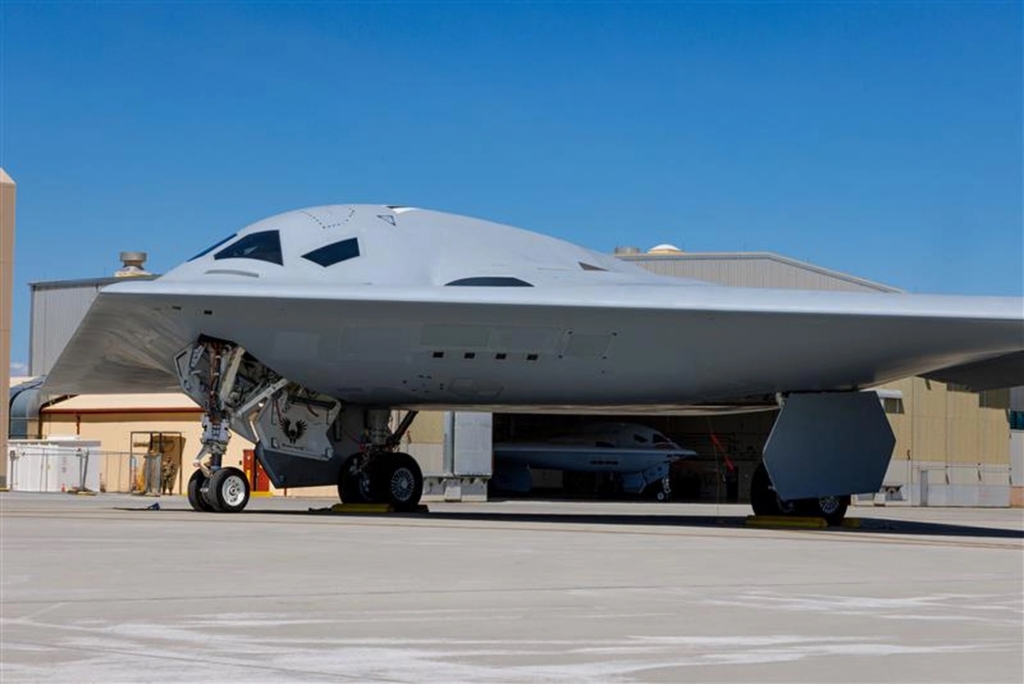
Gen. Dale White, the Department of Defense’s direct reporting portfolio manager for critical major weapon systems, has described the Sentinel ICBM, B-21 and F-47 as three of the most important programmes to the country’s future, and the systems the US will rely on in its “darkest hour”.
While the B-21 is a next-generation stealth bomber, the F-47 is being designed as the next-generation air dominance fighter, and the Sentinel is to replace America’s ageing fleet of Minuteman III ICBMs.
White has said the B-21 is being developed with a “proper sense of urgency”. The point, he argued, is not simply to tell teams to “go faster”, but to create a culture of “urgency with purpose” and “urgency with meaning”.

The delivery of the second B-21 to Edwards Air Force Base in September 2025 allowed the Air Force to transition beyond initial flight performance checks into critical mission systems and weapon integration.
The B-21’s intended role
The B-2 Spirit pioneered the stealthy flying wing bomber in operational service, but the B-21 is being developed at a point where that basic configuration is no longer experimental. The Raider can therefore build on a mature design concept while addressing some of the operational limitations that have shaped the B-2 fleet.

The Spirit was designed during the Cold War as a penetrating nuclear bomber, able to evade Soviet air defences and deliver nuclear weapons. It later proved its value as a conventional strike aircraft, particularly in first-night operations where stealth bombers are used to open the way for follow-on forces.
That role was demonstrated again during Operation Epic Fury in 2026, when the B-2 carried out strategic bomber strikes on the first day of the campaign before B-1B Lancer and B-52 Stratofortress aircraft were brought in as the operating environment became more permissive.
But the B-2’s small fleet size, demanding maintenance requirements, long missions from the continental United States and need for specialist support infrastructure limit how many sorties the aircraft can generate.

The B-21 is intended to preserve the penetrating nuclear and conventional strike role while making stealth bomber operations more sustainable at scale. The Air Force wants an aircraft that can operate from forward bases, penetrate highly defended airspace and generate a higher sortie rate against high-value targets deep inside contested territory.
In that sense, the Raider is not simply a successor to the B-2. It is intended to turn the stealth bomber from a low-density, high-end capability into a more regular and repeatable part of US long-range air power.
Featured Image: Northrop Grumman
Sign up for our newsletter and get our latest content in your inbox.


More from


October 17, 20265 min read

October 17, 20264 min read