How Natilus redesigned Horizon to make blended wing body aircraft work for airlines

6 min read
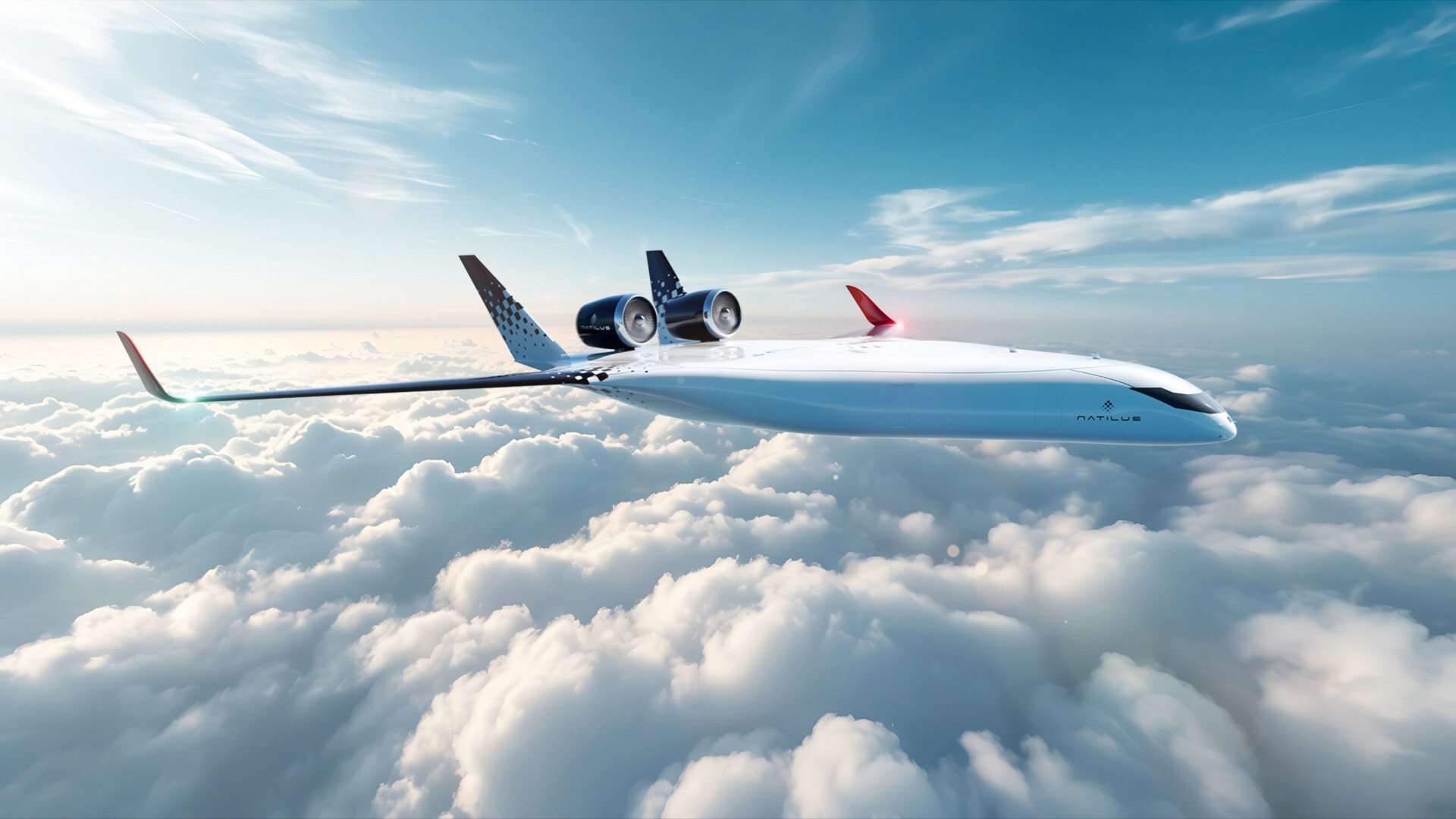
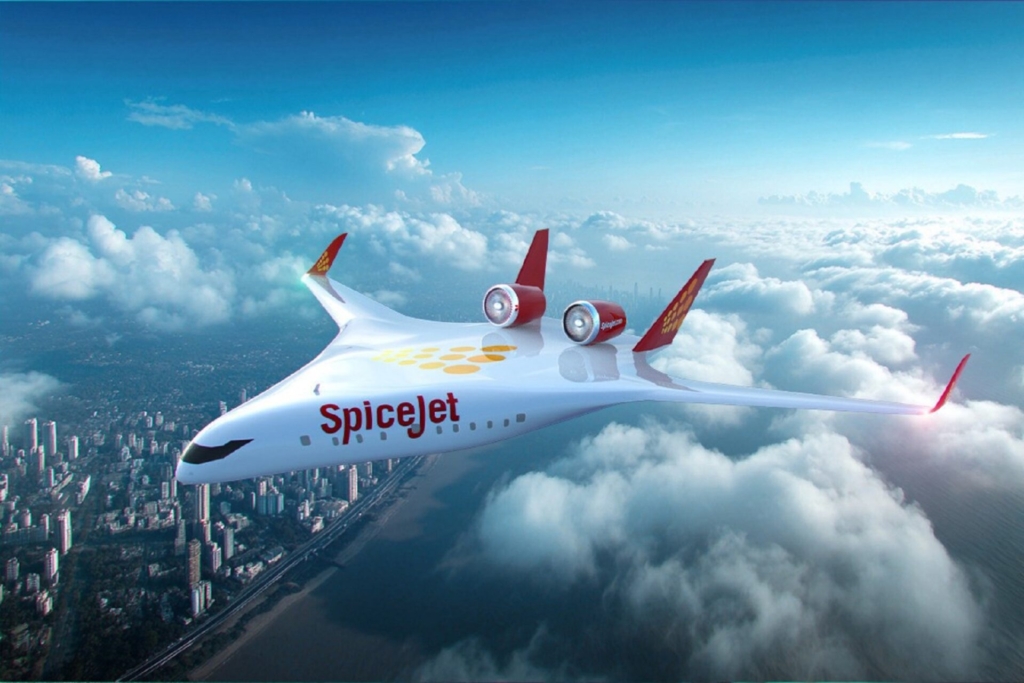
For decades, blended wing body aircraft have existed largely as tomorrow’s aircraft: studied by NASA, explored by major manufacturers and repeatedly shown in glossy concept images, but rarely pushed towards commercial service.
The concept has endured because the shape promises lower drag, greater internal volume and better fuel efficiency than a conventional tube-and-wing aircraft. But Natilus argues the question is no longer whether the configuration is attractive on paper. It is whether it can be turned into an aircraft that airlines can actually operate.
In early 2026, Natilus unveiled what it calls the Horizon Evo, an evolution of the orignial blended wing body design. Some changes were quite obvious from the outset, while others were more subtle.
AGN sat down with Aleksey Matyushev, CEO of Natilus, to uncover what changed, and why.
Horizon blended wing aircraft grows a belly
While the original Horizon design was eye-catching, Natilus had to make sure it was right for the market. Following extensive feedback from airlines and the FAA, the company made changes to Horizon to improve egress, turnaround time, passenger experience and certification concerns.
The most obvious and notable change is the move to a dual-deck layout, adding a cargo space underneath the passenger compartment. While cargo is an important part of passenger airline operations, the addition to Horizon wasn’t just about providing additional revenue opportunities.
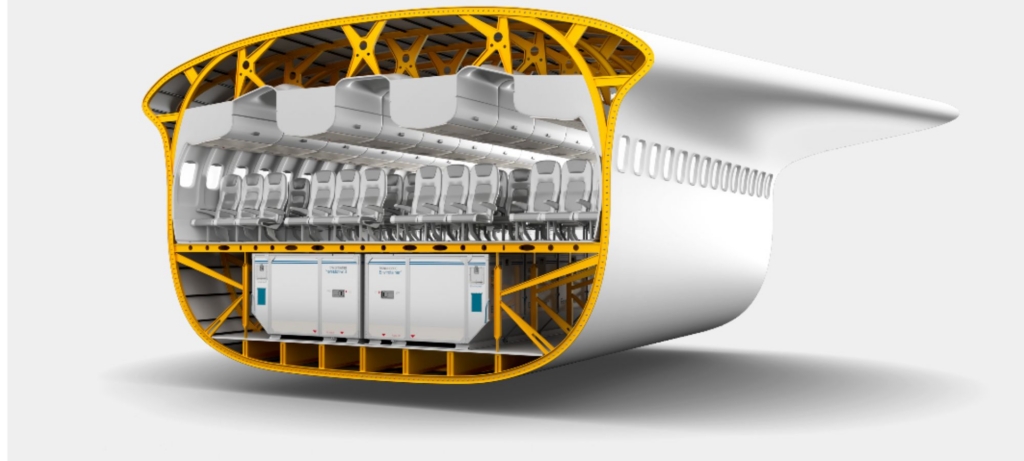
Part of the redesign was about reducing the width of the body section. It became clear that, despite having a comparable capacity to a narrowbody, a single deck body section would be too wide for standard C4 parking spaces.
Not wanting to limit the airports and gates available to operators, the team contemplated folding wingtips. Ultimately, this was considered too much risk and complexity for the project.
“The question then was, how do you dumb down that technology?” Matyushev explained. “And the answer was, well, you grow a belly.”
By redistributing volume vertically rather than horizontally, Natilus has made Horizon more compatible with standard airport gates while preserving the internal volume that makes a blended wing body attractive. While Horizon has arguably lost some of its sci-fi charm, the resulting aircraft is more practical and solves many of the problems that had been plaguing the team.
“Everything after that operationally started to really fall into place,” Matyushev said.
Natilus’ two-deck decision solved the egress problem
While the prospect of a cavernous passenger cabin with high ceilings and wide aisles was achingly appealing to potential passengers, it did raise a few questions. The most frequently asked one was how do you get that many people off an aircraft within the mandated 90 seconds?

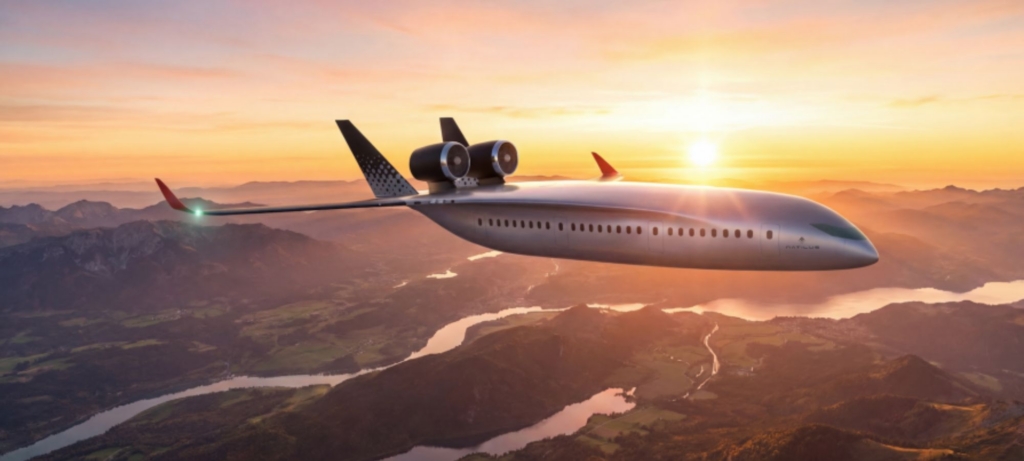
This was inevitably a factor in the Evo redesign, but the move to a narrower, taller body helped Natilus address it. As the fuselage narrowed and grew taller, the windows moved closer to the passengers.
“We were able to tighten the fuselage and get windows across the entire length of the airplane,” Matyushev said. “Windows also mean exit opportunities.”
The CEO explained that the design now has four exits on each side, something that has made the FAA “a little more comfortable” as they start to see it come together. In fact, the FAA has previously certified a rather similar passenger cabin.
“We measured and it’s actually, coincidentally enough, just a couple feet wider than the A380 main deck,” he said. “So there’s already a precedent for that.”
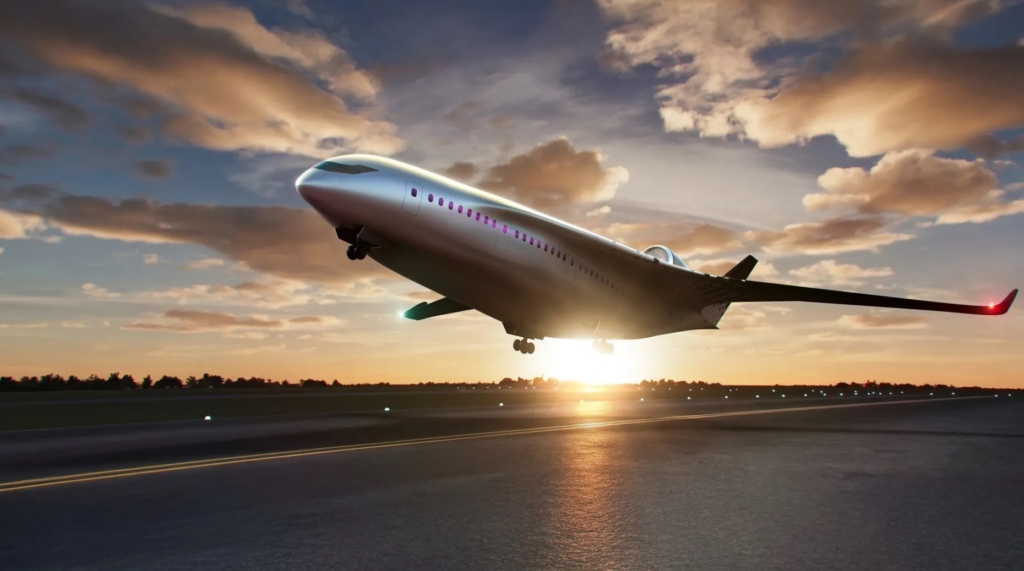
While the changes to Horizon have been significant, they are now close to being firmed up so that work can begin on building a prototype.
“The idea and the configuration has been locked in,” Matyushev said. “It’s mostly on the detail decision-making, a couple inches here, a couple inches there. We’re planning to be in the wind tunnel later this year, so we’re looking to freeze the final design relatively shortly.”
No new engine for a new aircraft
Although Horizon is a radical airframe, Natilus is deliberately avoiding another major development risk: a brand new engine.
Matyushev said the aircraft is being designed around existing engine technology in the 28,000 lb to 35,000 lb thrust range, giving airlines and lessors options rather than locking the programme into a bespoke propulsion system.
“We’re still working through the thrust category with the engine manufacturers,” he said. “We’re between 28,000 and 35,000 pounds of thrust right now, which puts us in line with a couple of options. That’s really what our customers are looking for, is optionality.”
The philosophy is straightforward.
“As we always say, never put a brand new engine in a brand new airplane. It’s just too much risk,” Matyushev said. “We really focused on designing the Horizon against what is available off the shelf, and that’s very important for us and our future customers.”
Why Natilus thinks airlines are ready for blended wing body aircraft
Matyushev believes airline attitudes towards unconventional aircraft are changing, driven by a combination of delivery backlogs, fuel costs, sustainability targets and the limits of incremental engine improvements.
“If you look at just the demand of narrowbodies, specifically, there’s so much more demand than there is capacity on the manufacturing side,” he said. “So it opens up an opportunity for new entrants into the space.”
That opportunity is not just about aircraft availability. Airlines are under pressure to reduce fuel burn and emissions, but the next generation of conventional aircraft is unlikely to deliver a step change if most of the improvement comes from propulsion alone.
“The airlines have a huge push towards sustainability, but through another lens that is also operational efficiency, tied to fuel,” Matyushev said.
With carbon taxes already part of the European aviation landscape, he believes airlines are being forced to look beyond another refinement of the tube-and-wing formula.
“They have all these sustainability goals that they’ve promised, and of course we have carbon taxes coming in Europe,” he said. “We have to start thinking differently.”
That does not mean airlines are ready to gamble on an aircraft that cannot fit their networks, airports or balance sheets. If anything, the Horizon Evo redesign suggests the opposite. Natilus is betting that airlines may be ready for a blended wing body, but only if it behaves less like a futuristic concept and more like a practical fleet aircraft.
What’s next for Natilus and the Horizon blended wing body?
Natilus is targeting a full-scale prototype around 2029 or 2030, although Matyushev said the timeline depends on how quickly the company can move and what it learns from Kona.
“There are still a lot of lessons to be learned on the Kona, which is a really great stepping stone for us, because it really solidifies that we know how to design airplanes, this really complicated configuration that we’ve been able to simplify,” he said.
“If we can get a full-scale prototype in the 2030 timeframe, I’d be very proud of the team and the company.”
That brings Natilus back to the real test. For all the promise of blended wing body aircraft, Matyushev said customers and investors are focused on the industrial challenge of creating a new aircraft manufacturer.
“Everybody’s throwing around these really big numbers because nobody knows what it takes to bring an airplane to market,” he said. “You have a product, but it’s really – can you scale up manufacturing to actually meet the demand?”
For airlines, he believes, that is now the issue. Not whether the blended wing body is interesting, but whether Natilus can deliver it at scale.
“The airlines are watching and waiting, of course,” Matyushev said. “But there are also opportunities in these types of markets to really try and be innovative and really change the balance sheet for them.”
Featured image: Natilus
Sign up for our newsletter and get our latest content in your inbox.