51% of US airlines are not fully ready for ADS-B In, Acron study finds

4 min read
More than half of the professionals responsible for airline operations, safety, and fleet decisions in the United States admit they have only a general understanding of ADS-B In technology, despite widespread confidence that their airlines are prepared for a future mandate.
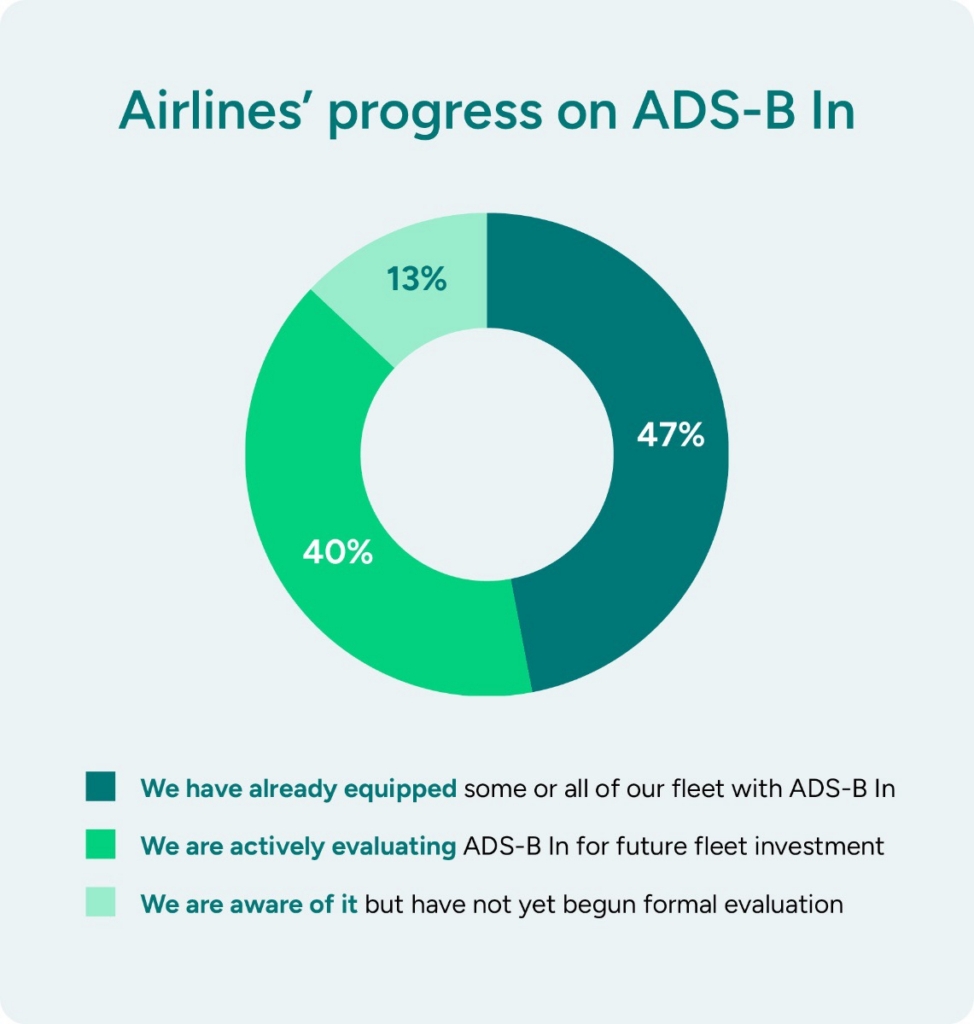
According to a new Acron Aviation report, nearly half of US airlines have already equipped at least part of their fleets with ADS-B In, while another 40% are actively evaluating the technology. Yet the study found that 51% of airline leaders describe their knowledge of ADS-B In as limited or only at a top level.
The findings raise questions about airline readiness for an ASD-B In mandate. The ALERT Act, which passed the US House of Representatives and is awaiting Senate approval, would require most commercial aircraft to be equipped with ADS-B In by December 31, 2031.
What is ADS-B In?
Automatic Dependent Surveillance-Broadcast (ADS-B) is a surveillance system that uses satellite-based positioning to provide highly accurate aircraft location information.
Commercial aircraft operating in US-controlled airspace have been required to carry ADS-B Out equipment since January 2020. ADS-B Out continuously broadcasts an aircraft’s position, altitude, and speed to air traffic control and other aircraft.

ADS-B In is the receiving side of the system. It allows aircraft to receive the same information transmitted by nearby aircraft and display it directly in the cockpit. With it, pilots gain a real-time picture of surrounding traffic, updated every second and extending up to 180 nautical miles away.
The technology gives crews GPS-level situational awareness that supports safer spacing, conflict avoidance, and more efficient traffic management.
Why ADS-B In matters
While ADS-B In is a safety technology, it can also improve operational efficiency. According to Acron Aviation, the system can enable more precise aircraft spacing, increase runway throughput, and reduce go-arounds. It also supports Interval Management procedures, which help aircraft maintain optimum separation while reducing fuel burn and emissions.
The FAA’s two-year evaluation of ACSS SafeRoute+ with American Airlines at Dallas-Fort Worth International Airport showed these benefits in live operations.
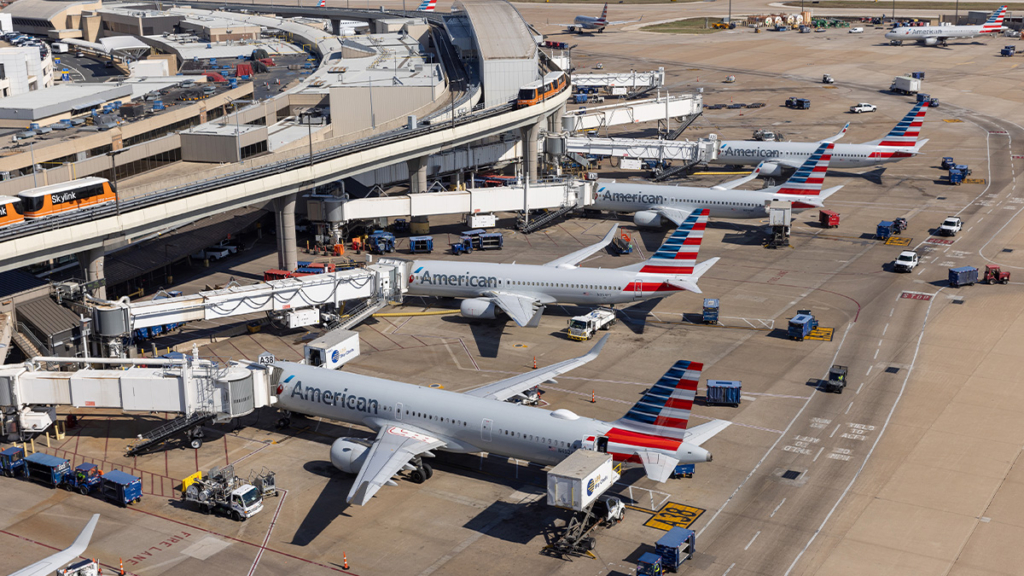
“ADS-B In can be installed in as little as 1-2 shifts, so there’s no lengthy downtime for aircraft,” said Cam Morast, Product Manager at ACSS. “In addition, fleets equipped with the technology will see meaningful operational returns. The two-year FAA evaluation at Dallas-Fort Worth with American Airlines logged an average 12-second reduction in arrival spacing, equating to four to five extra landings per hour, per runway, with 490,000 lbs of fuel saved in the first year alone, and zero separation-related safety incidents.”
Airline ADS-B In equipment outpaces understanding
The survey of 100 US airline executives and managers conducted in April found that 47% said their airlines had already equipped some or all of their fleets with ADS-B In, while another 40% were evaluating the technology.
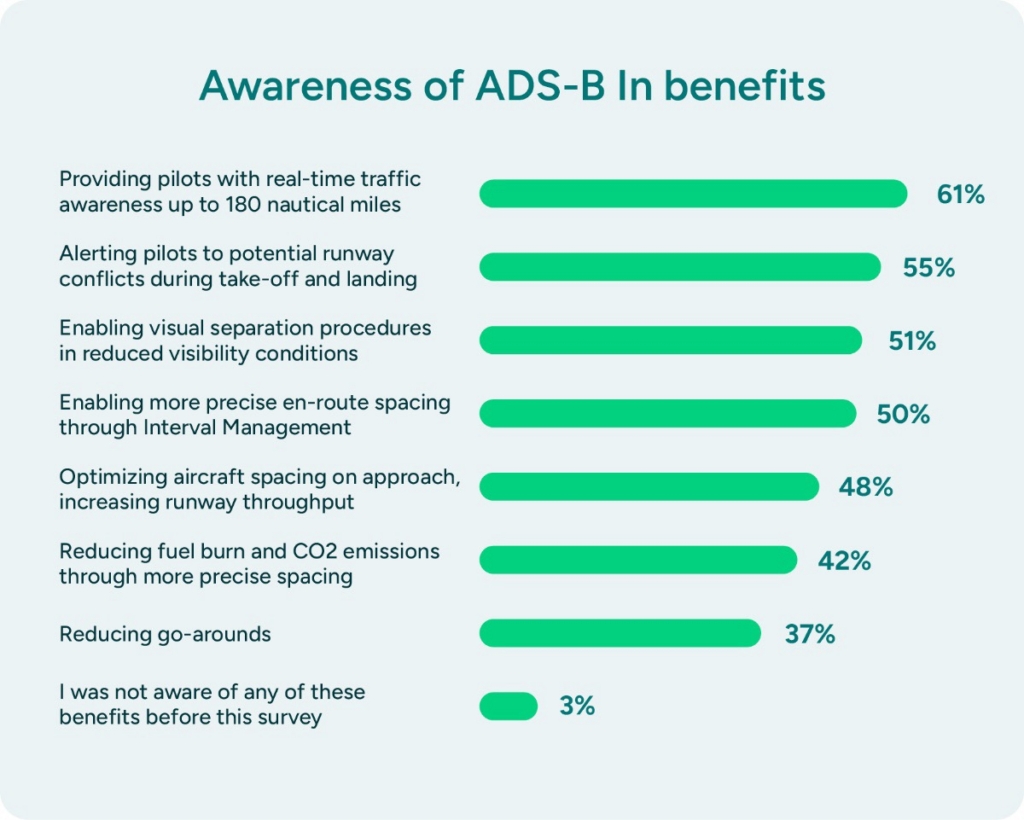
However, the understanding of the technology’s capabilities was far weaker.
- One-third of respondents said they did not understand the difference between ADS-B In and ADS-B Out.
- Just 61% were aware that ADS-B In provides pilots with traffic awareness out to 180 nautical miles.
- Only 42% recognized its potential to reduce fuel burn and carbon emissions.
- Only 37% were aware that the technology could reduce go-arounds.
The study concluded that many airlines may be making investment decisions without fully appreciating the operational and financial benefits.
Airlines believe they can comply with an ADS-B In mandate
Despite these knowledge gaps, 86% of respondents said they believed their airlines could comply with a mandate within three years.
Damien Moreau, president of Acron Aviation’s ACSS business, said the industry’s enthusiasm for the technology is clear, but education remains essential.
“The data shows the appetite for ADS-B In exists,” said Moreau. “This study also tells us that boardroom confidence is outpacing what’s actually understood about the technology at the decision-making level, so the industry needs to work to educate people on the real advantages it brings. The airlines that see the most benefits from ADS-B In will be the ones that treat it as an operational investment with measurable returns in fuel, capacity, and on-time performance.”
According to the report, 85% of airline executives believe carriers that equip early will gain a competitive advantage, while 88% expect ADS-B In to become mandatory eventually.
Although nearly nine out of ten respondents believe they are prepared for a mandate, Acron’s findings suggest the industry’s readiness may be less advanced in its potential applications.
Featured Image: John Christian Fjellestad | Wikimedia Commons
Sign up for our newsletter and get our latest content in your inbox.


More from


October 17, 20264 min read