RAF Protector drone flies through European airspace in first for RAF

4 min read
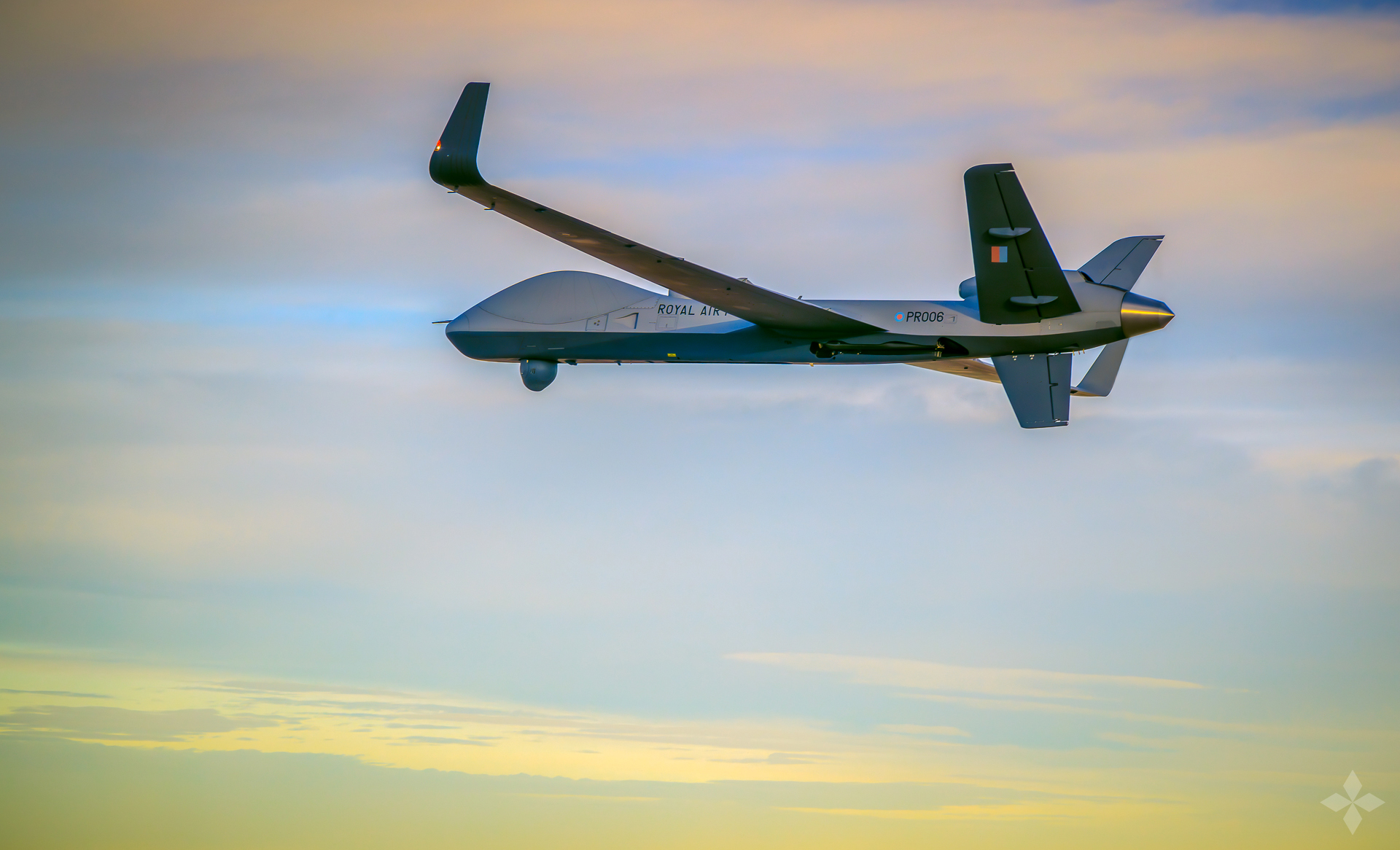
Yesterday, the Royal Air Force reported that a RAF Protector drone flew directly from RAF Waddington to RAF Akrotiri on the island of Cyprus. This marked its first transit through European civilian airspace after entering operational service in June 2025.
First RAF Protector drone Europe transit
The RAF said Protector RG Mk1 PR015 flew more than 2,000 nautical miles through the airspace of France, Italy, Malta and Greece. The flight took around 13.5 hours.
RAF – Deployment:
— BlueSky (@AirSpecInt) June 11, 2026
RPAS Protector RG MK.1
PR008
RFR7300
From RAF Waddington-UK to RAF Akrotiri-Cyprus
Left RAF Waddington on 10-06-26 at 19:40 and landed at RAF Akrotiri on 11-06-26 at 08:34 utc pic.twitter.com/EVLZ5yEOAv
The aircraft arrived at RAF Akrotiri, the UK’s sovereign base on the Eastern Mediterranean island. RAF Akrotiri has long played a key role in British air operations in the region, including intelligence, surveillance and reconnaissance activity.
In its news release, the Royal Air Force stated: “While earlier remotely piloted aircraft such as Reaper supported operations overseas, they were unable to operate routinely in civilian controlled airspace and relied on restricted routes or alternative means to reach theatre.”
The RAF said Protector is designed to meet the standards needed for civil airspace operations, allowing it to fly alongside crewed aircraft under normal air traffic control procedures.
That’s the key difference between Protector and the RAF’s retired Reaper fleet. Rather than relying on constrained routing or alternative deployment methods, Protector can be flown from the UK to operational locations through controlled civilian airspace.
Protector replaces RAF Reaper with civil airspace capability
Protector is based on the MQ-9B SkyGuardian, which General Atomics developed as a heavily redesigned successor to the MQ-9A Reaper.
The RAF originally acquired a fleet of ten MQ-9 Reaper drones and operated them for 15 years between 2007 and 2025. They were flown by No. 39 Squadron and No. XIII Squadron and became the UK’s primary armed ISTAR platform.
#RAF Royal Air Force – Middle East Activity
— Armchair Admiral 🇬🇧 (@ArmchairAdml) March 4, 2026
General Atomics MQ-9 Protector RG Mk.2#43C972 PR010 – RAFAIR 7331
Airbus KC.2 Voyager 1x#43C6F6 ZZ333 – ASCOT 9958
With reports of alarms again sounding at RAF Akrotiri, PR010, a Protector RG Mk.2 / MQ-9B is off the coast, and… https://t.co/K4CGNuVfk1 pic.twitter.com/GjxzIeVRic
The Reaper fleet saw heavy and continuous combat use, supporting operations in Afghanistan, Iraq and Syria.
The RAF has ordered 16 Protector RG Mk1 aircraft, based on the SkyGuardian. The first UK aircraft flew across the Atlantic in 2018, while the fleet entered operational service in 2025.
The aircraft are stationed at RAF Waddington and operated by No. 31 Squadron, with personnel converting from No. 13 and No. 39 Squadrons. The UK has received the first ten examples, one of which remains in the United States for testing, evaluation and training.
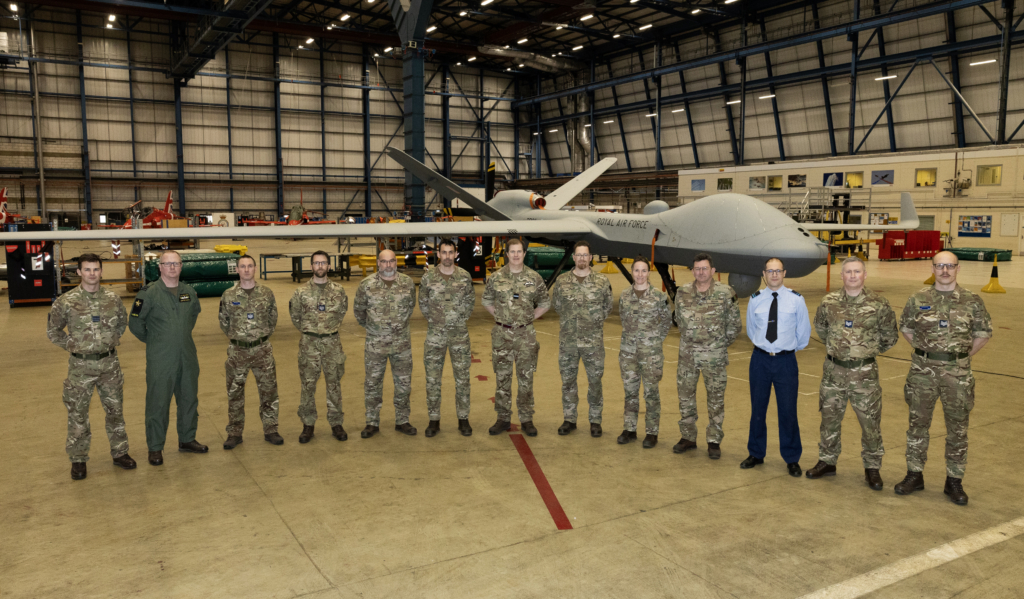
Protector offers a significant leap over Reaper, including compliance with strict NATO airworthiness standards, extended endurance and the ability to carry British weapons, including MBDA Brimstone 3A missiles and Raytheon UK Paveway IV 500 lb precision-guided bombs.
Those upgrades are central to why the RAF sees Protector not just as a like-for-like Reaper replacement, but as a remotely piloted aircraft that can be more easily integrated into routine airspace and allied operations.
The Royal Navy’s interest in MQ-9B
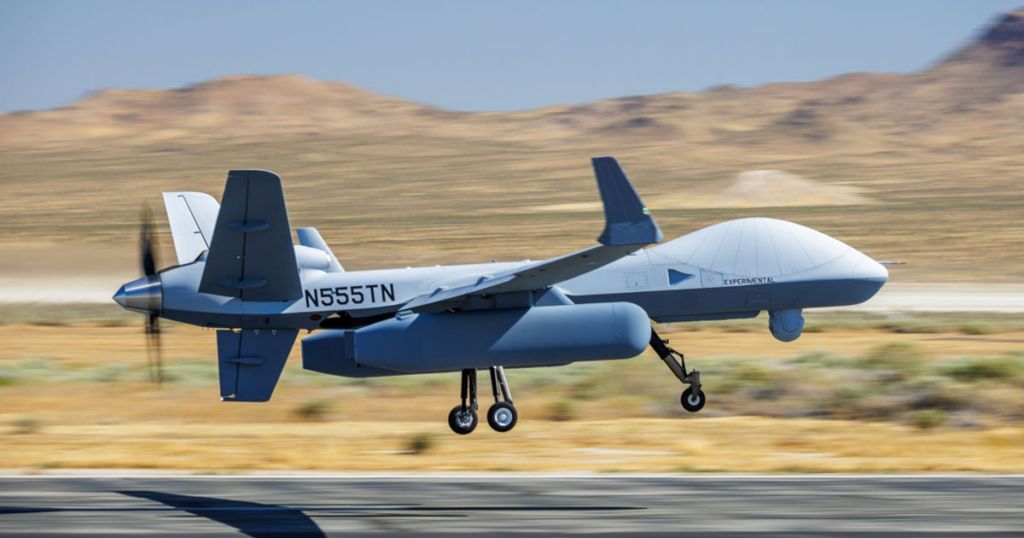
The Royal Navy is also exploring a short take-off and landing variant of the MQ-9B family for possible use from its Queen Elizabeth class aircraft carriers.
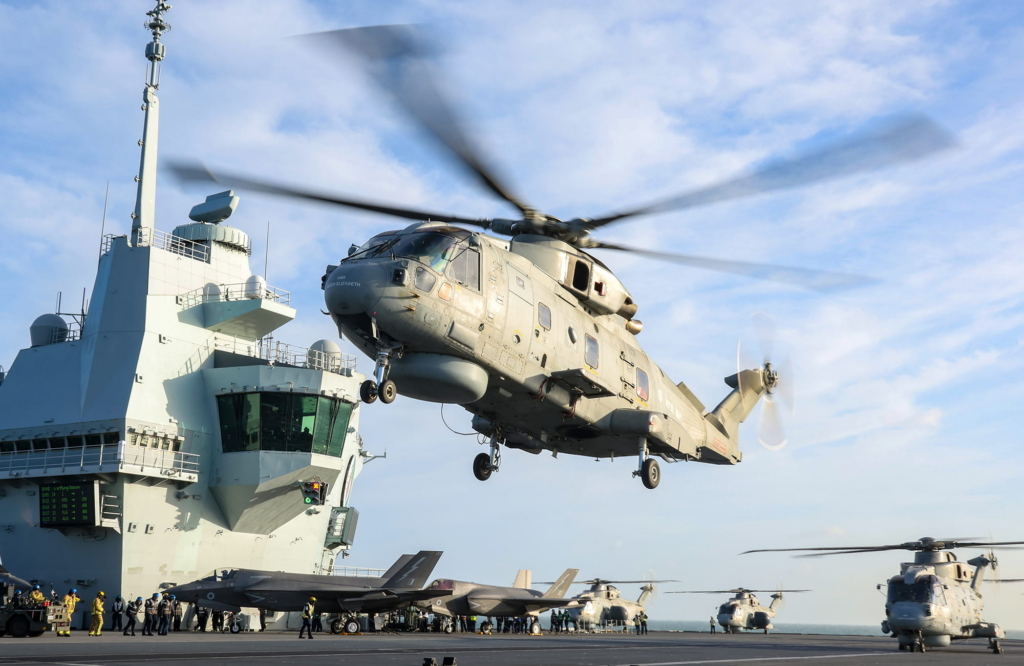
One limitation of the carriers’ ski-jump design is that they cannot operate aircraft such as the E-2D Hawkeye airborne early warning aircraft, unlike US Navy carriers or the French aircraft carrier Charles de Gaulle.
In May 2026, AGN reported that Saab and GA-ASI had successfully flown the first MQ-9B LoyalEye. The LoyalEye offers an AEW variant of the Reaper family and is described as the world’s first unmanned AEW solution.
Other possible maritime roles for the MQ-9B family include surveillance and anti-submarine warfare.
LoyalEye is considered a strong contender for the Royal Navy’s Carrier Strike Airborne Early Warning programme, which is seeking a replacement for the Merlin HM2-based Crowsnest system expected to retire by the end of 2029.
Meanwhile, the British Army is exploring options for a reconnaissance drone under Project Corvus. However, it is looking at smaller systems such as Elbit’s 650 Spark and DZYNE Technologies ULTRA, rather than larger aircraft such as Protector.
Featured Image: Royal Air Force