


US Army selects Robinson R66 for new helicopter training programme

3 min read
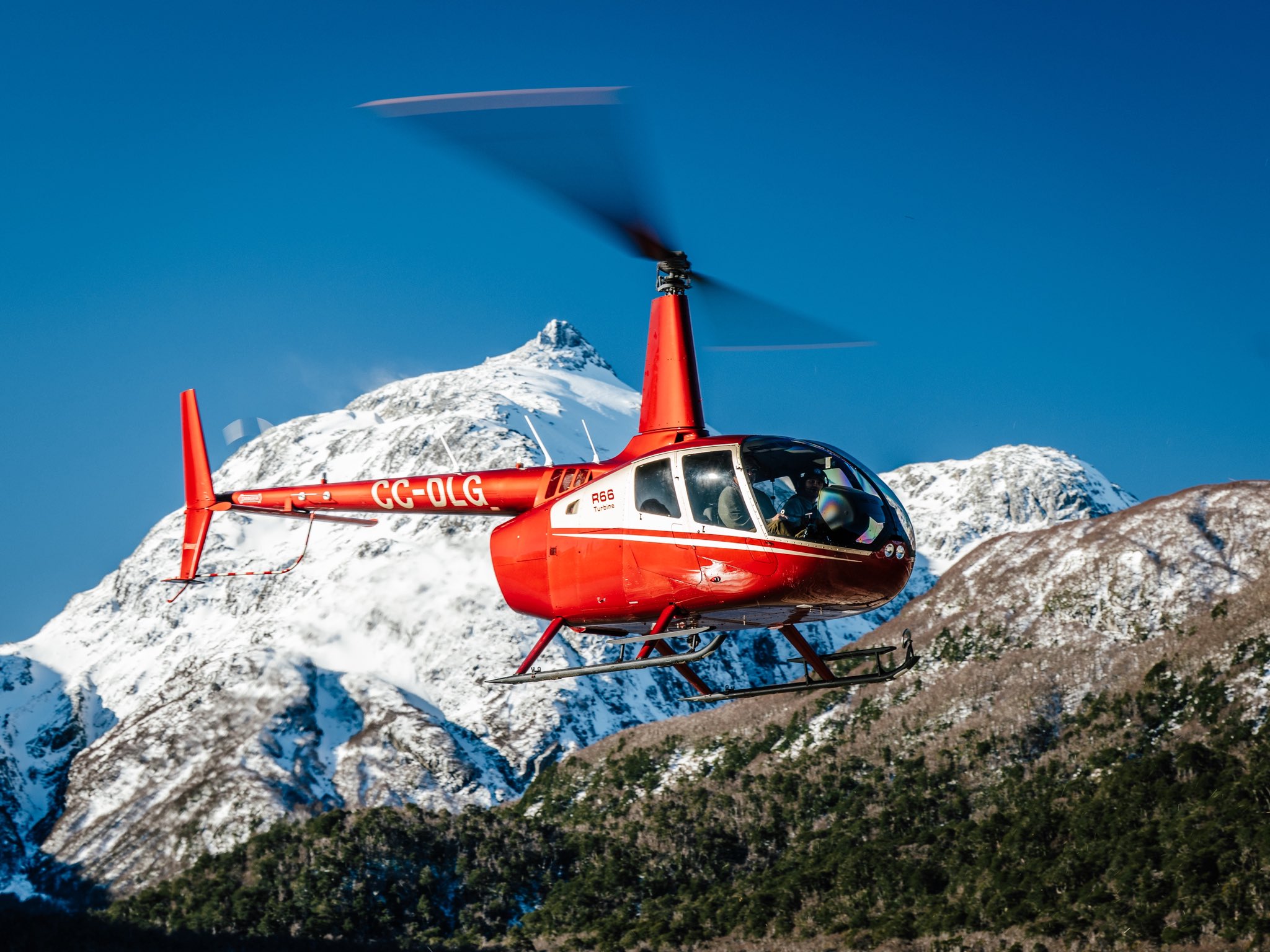
The US Army has selected the Robinson R66 Turbine as the primary trainer helicopter for its new Flight School Next programme. This is part of a major “contractor-owned, contractor-operated” (COCO) restructuring in the Army’s approach to training its many helicopter pilots.
US Army selects the Robinson R66 Turbine
On the 13th of August, the US Army said it had awarded the Flight School Next contract to M1 Support Services L.P., Denton, Texas, “marking a major step in transforming how the Army trains future rotary-wing aviators at Fort Rucker, Ala.”

It added that Flight School Next will provide initial entry rotary-wing training for 800 to 1,500 Army pilots annually. Under the contract, the helicopters will be contractor-owned and contractor-operated.
The measure is designed to modernise the Army’s aviation training programme, “producing highly proficient initial entry aviators at a significantly lower cost to the Army.”
The contract is a fixed-price, indefinite-delivery/indefinite-quantity contract worth a total of $10 billion over a potential period of up to 26 years.
The news release adds, “Through this approach, M1 Support Services L.P., Denton, Texas, will provide aircraft, maintenance, simulators, flight and academic instruction.”
The Army adds that the Initial Entry Rotary-Wing Flight Training programme has been in operation for more than 50 years and that it currently trains approximately 1,250 new aviators annually.
Reporting on the development, The War Zone writes, “After narrowing down the initial selection of six helicopter manufacturers and contractors, M1’s R66-based solution defeated a rival bid from Bell, which offered its Model 505 for the program.”
What to know about the R66 helicopter
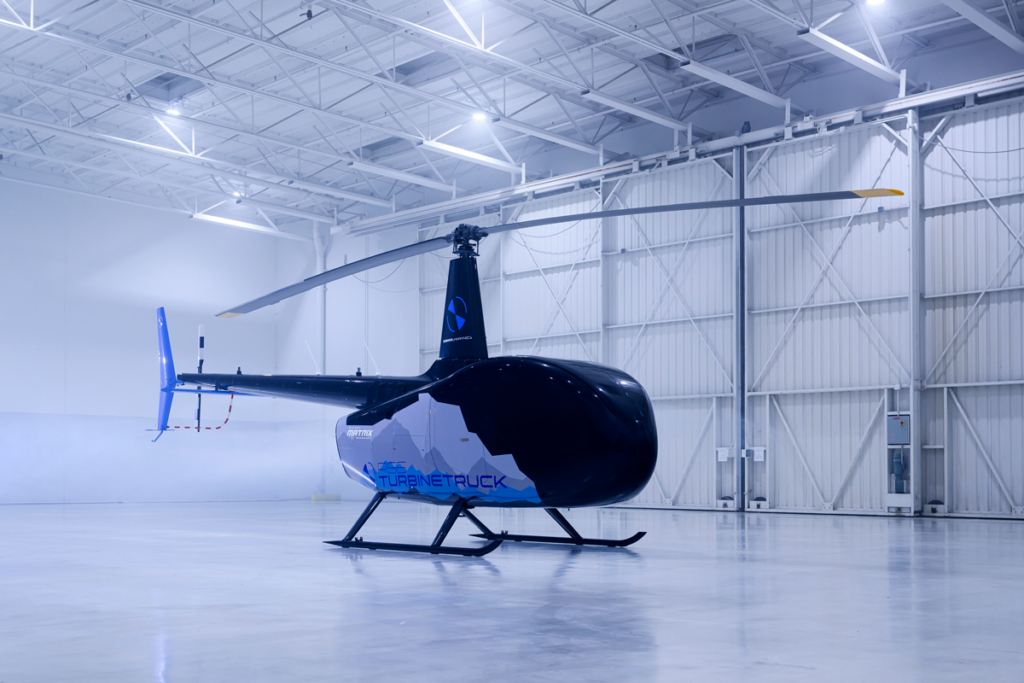
The R66 is a single-turbine engine helicopter and is powered by a Rolls-Royce RR300 turboshaft. It is a popular civil helicopter and is used as a passenger, trainer, and utility copter.
It takes the extremely successful Robinson R44 concept and substitutes a small turboshaft for the piston engine. It is one of the cheapest and simplest genuine turbine helicopters.
Dependable performance for precision operations.
— Robinson Helicopter Company (@Robinson_Heli) January 16, 2026
The R66 is designed to deliver exceptional visibility, power, and control, enabling agricultural operators to execute their mission safely and efficiently—pass after pass.#climbhigher #robinsonheli pic.twitter.com/yGb56Igsyw
The R66 is Robinson’s first turbine-powered helicopter and has been in service since 2010 when it recieved its FAA certificate. It is a five-seat aircraft with a gross weight of 2,700 lbs and an empty weight of 1,290 lbs.
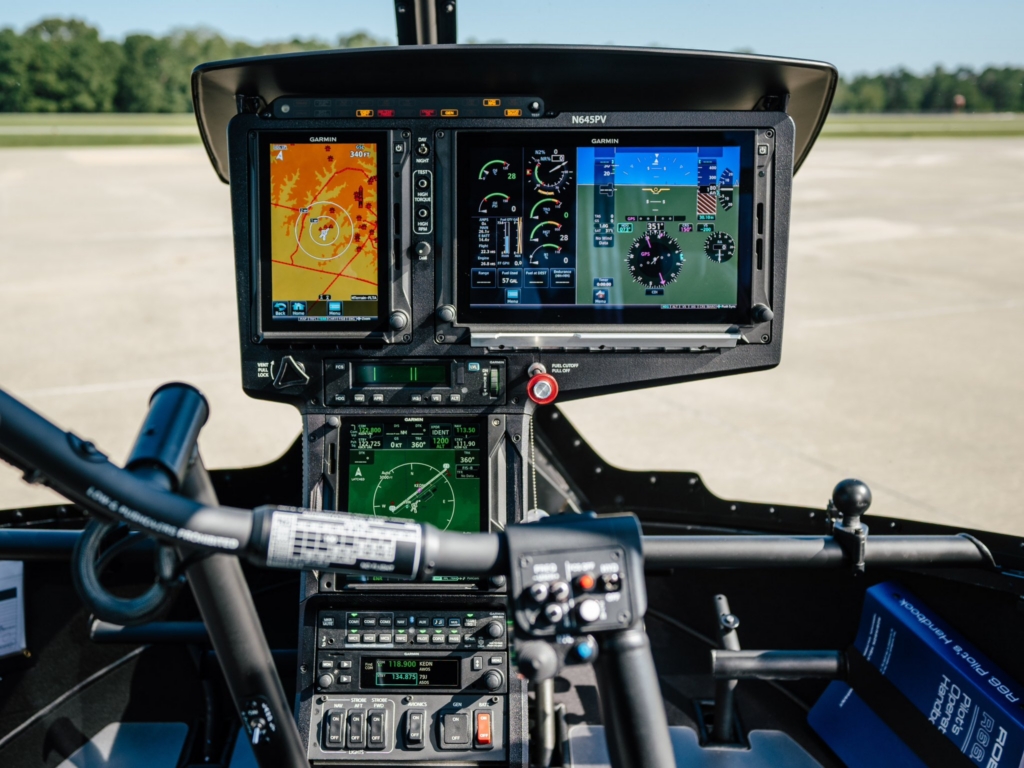
The helicopter has a modern digital cockpit with Garmin avionics, which provide situational awareness and a good basis for students to learn ahead of moving to more complex helicopters.
The R66 will represent a significant shift from the existing Army training fleet that is mostly centred on the larger Airbus Helicopters UH-72A Lakota.
The large size of the US Army’s pilot pool
The commercial viability of the R66 should ensure that it is available in large enough numbers to train the many Army pilots in basic flight training. Around 1,500 had been built by 2024, and a fleet of 100-200 would likely be sufficient for the US Army’s training programme.
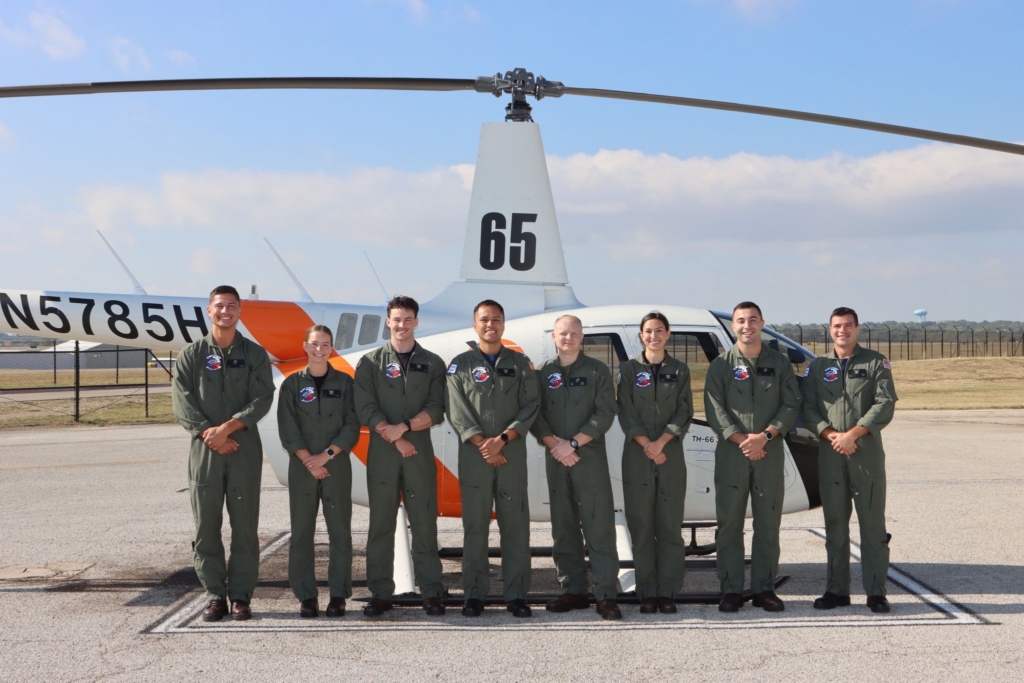
The US Army has one of the largest pools of trained military pilots in the world. Figures of around 14,000 Army pilots are frequently cited online, although this appears to be an overestimate of the current active-duty population.
In 2025, Task and Purpose reported, “According to Army officials, there are currently 7,300 active-duty pilots, including warrant officers and officers.” For reference, the British Army is thought to have around 500 trained pilots.
Defense Post reported in 2025 that US Army Aviation has a strength of around 30,000, made up of pilots, flight crews, and maintenance personnel. It added that the Army was planning to cut 6,500 of these positions, or around 20%.
Sign up for our newsletter and get our latest content in your inbox.


More from

October 3, 20267 min read


